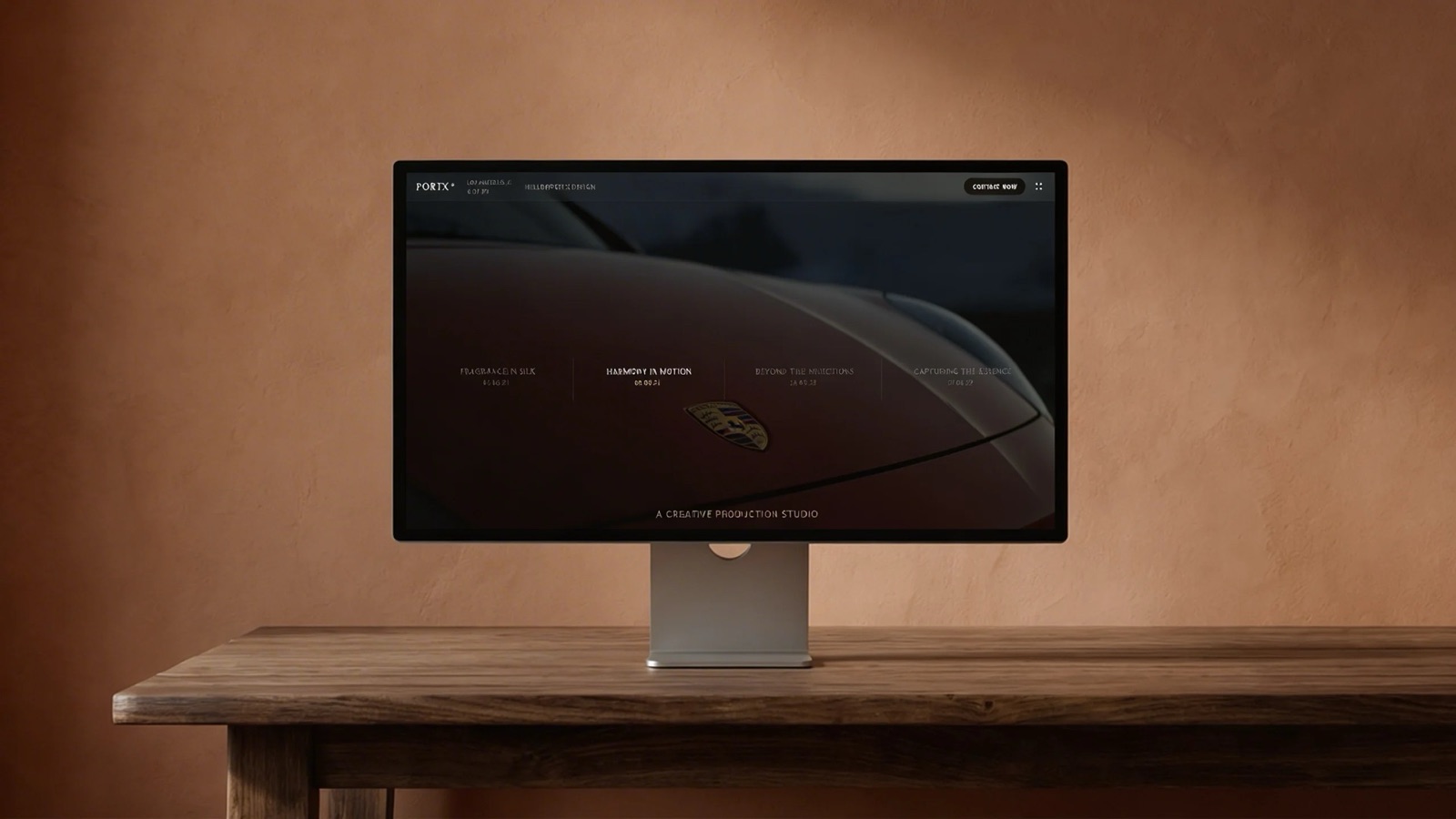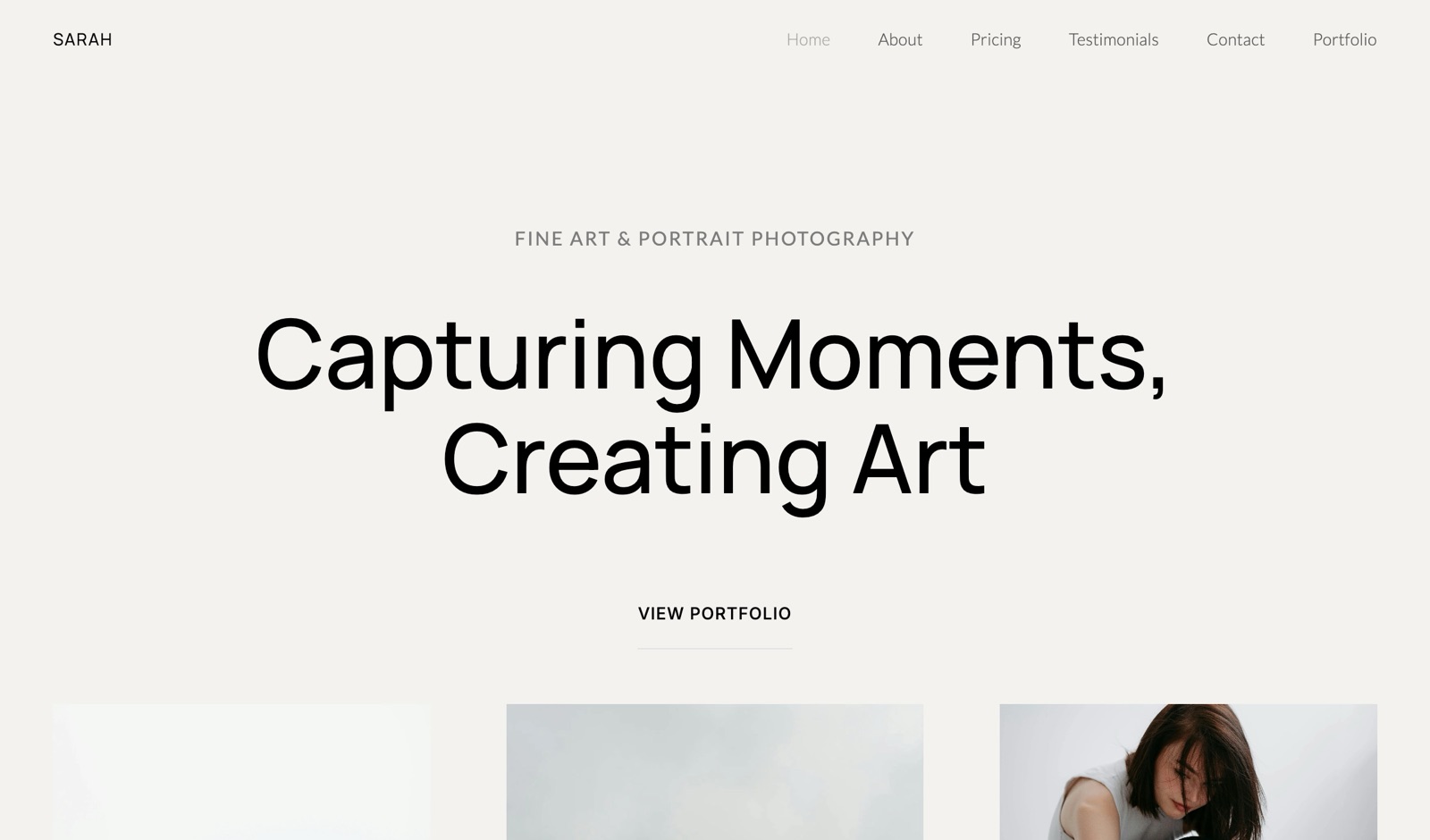
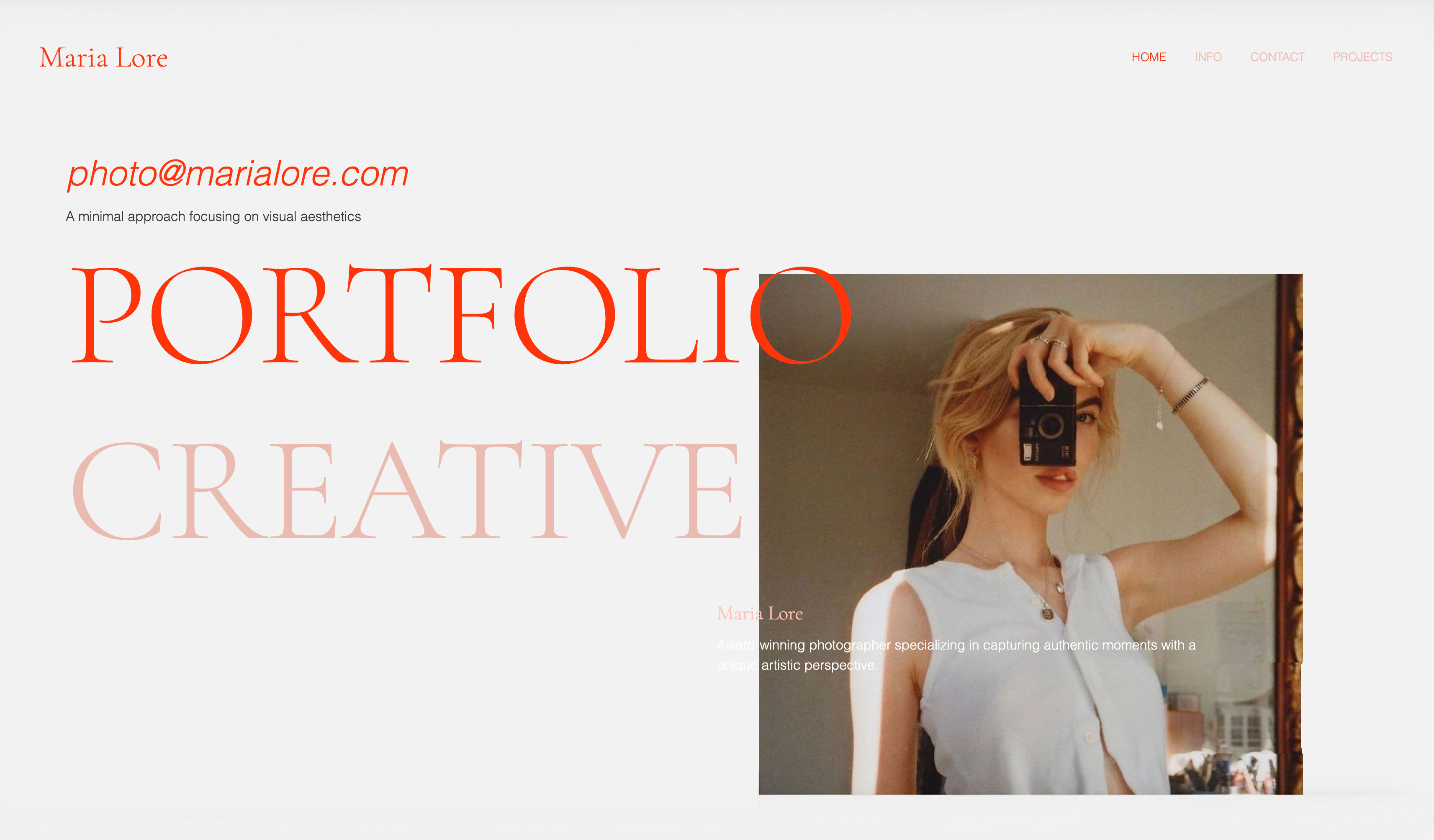
Framekit templates
Start from a designer-made template
 Use template
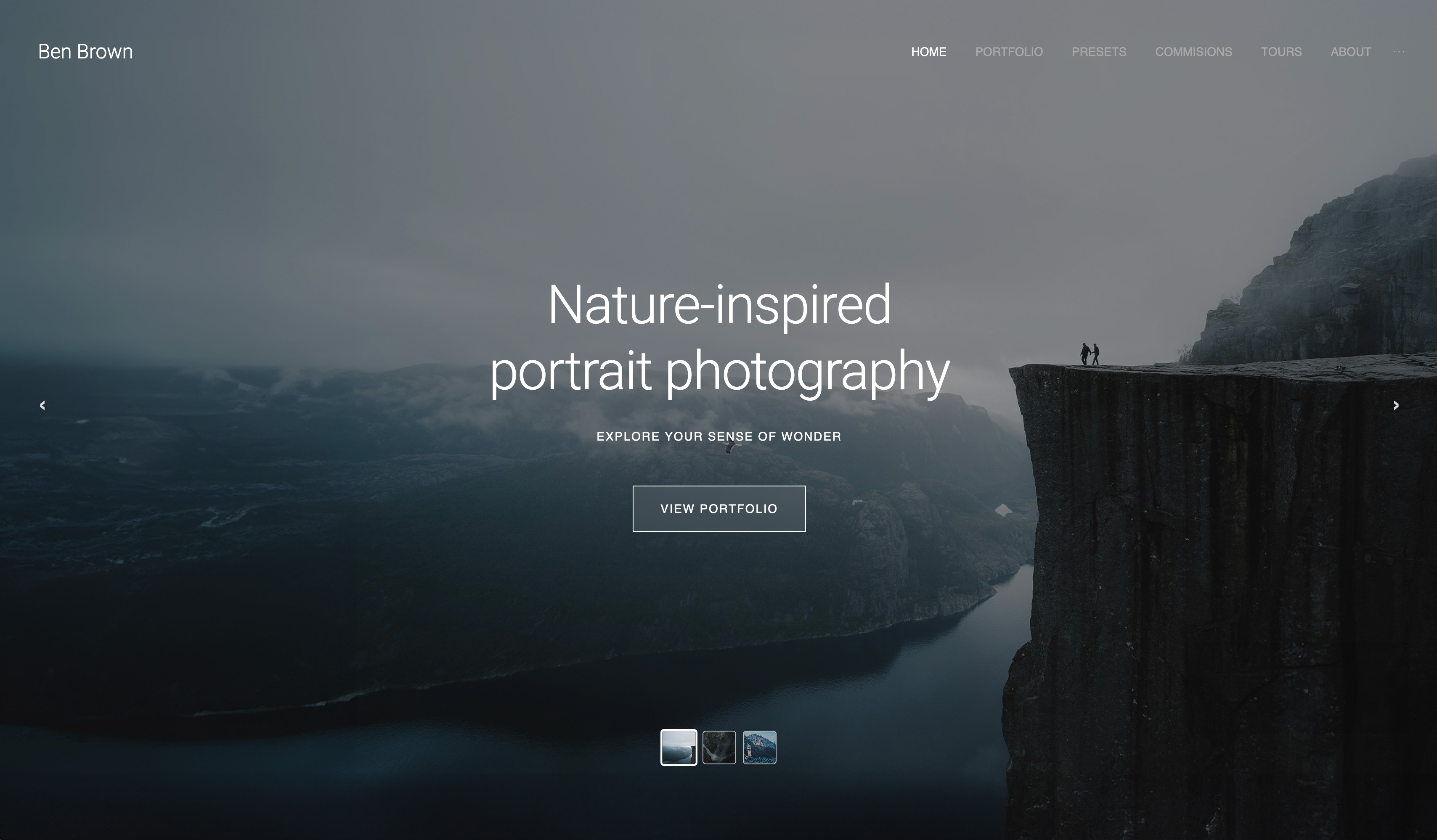 Use template
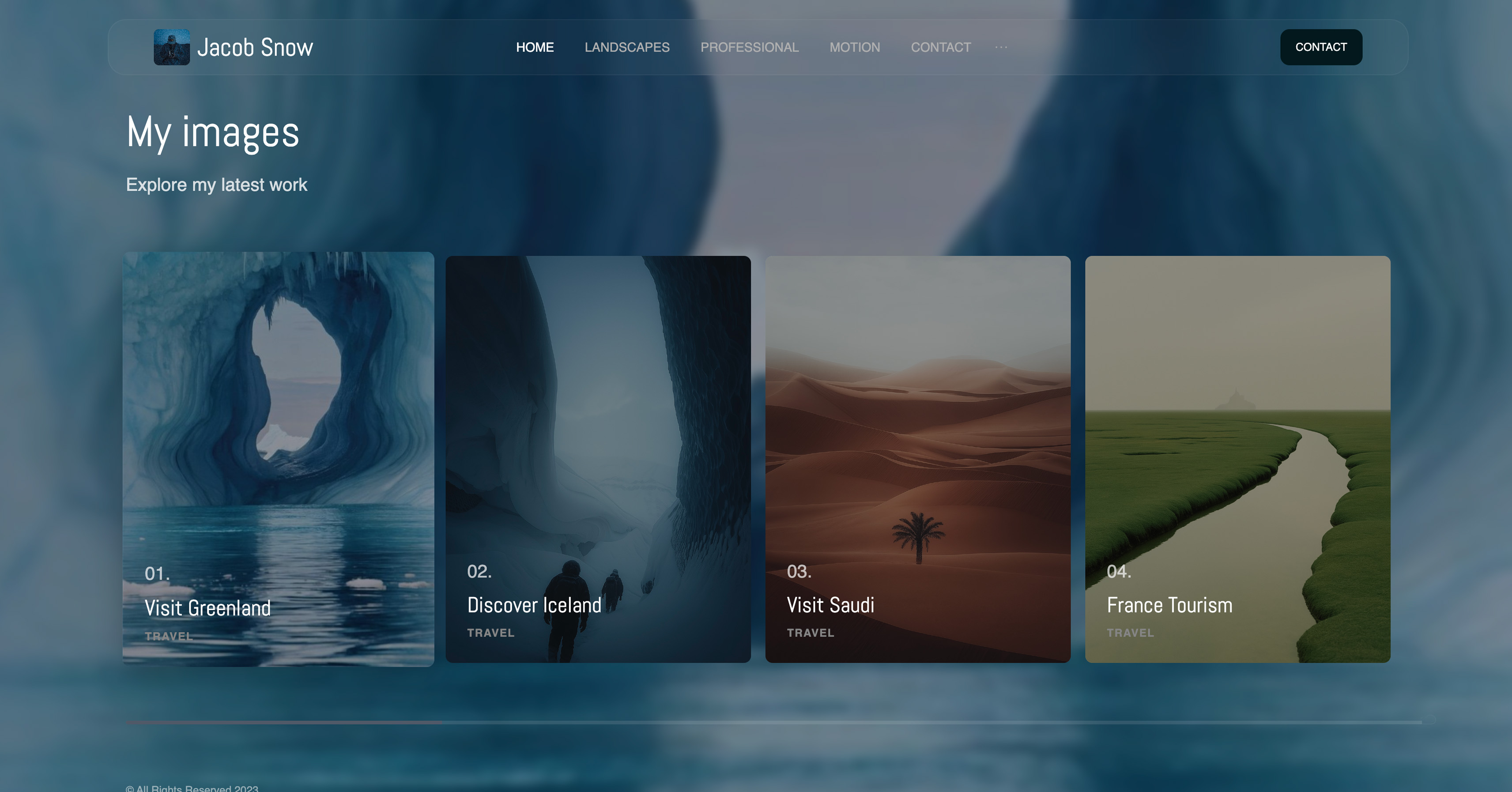 Use template
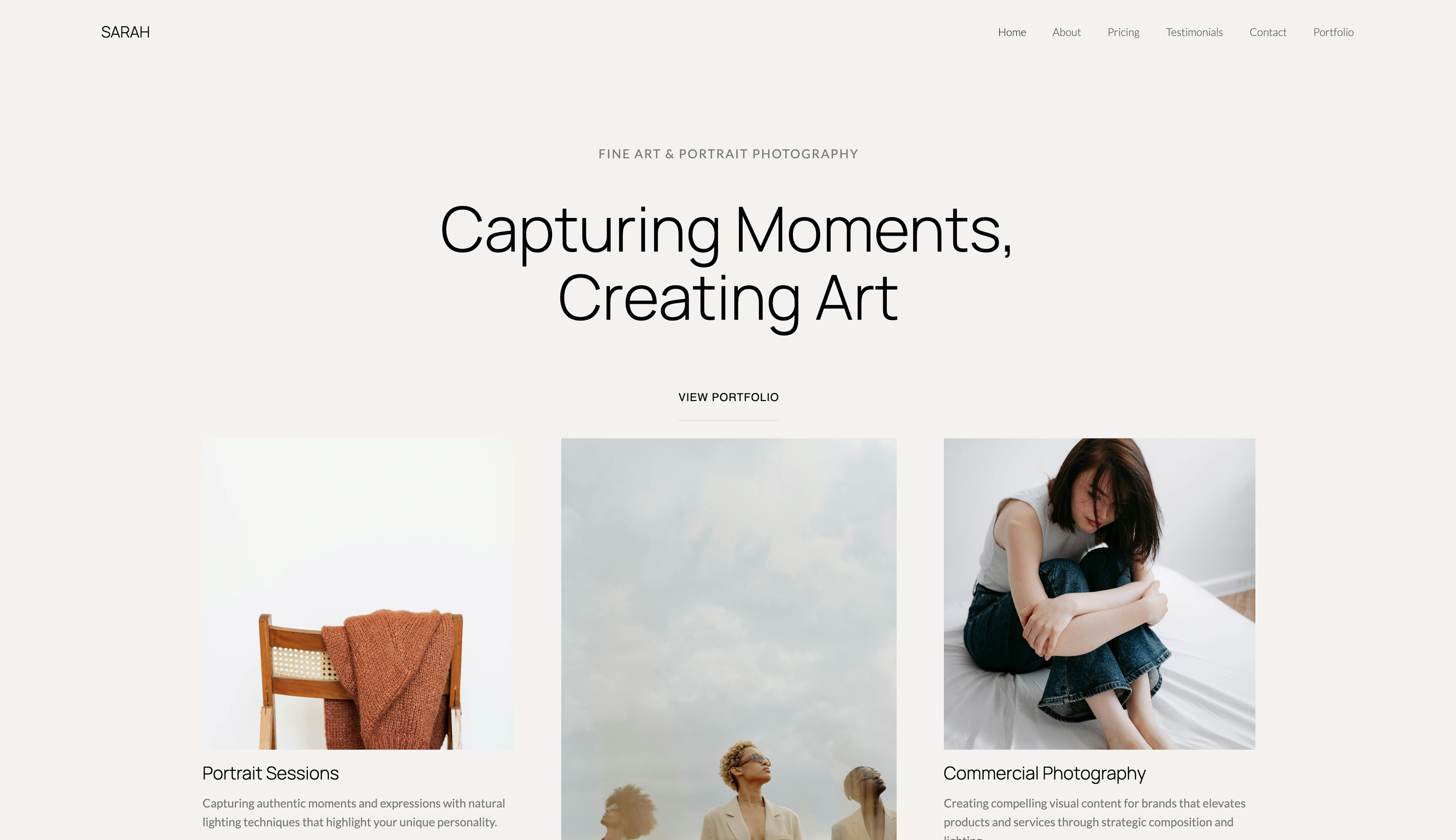 Use template
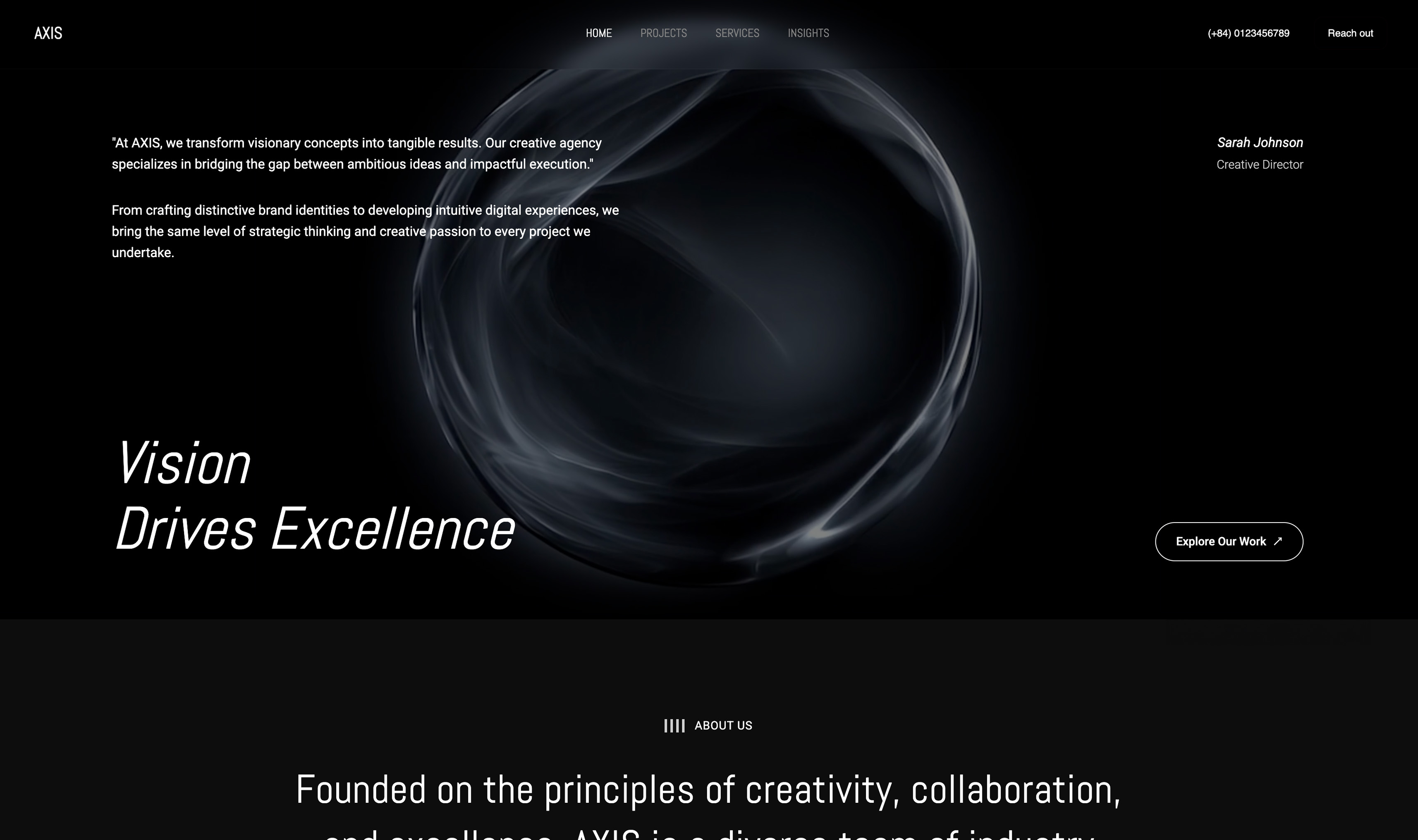 Use template
 Use template
 Use template
 Use template
Count the logins on a working wedding photographer's laptop and you usually find five: a website builder, a gallery service, a shop for the preset pack, something for proposals and contracts, and a video review tool for the highlight film.
Priced separately at their September 2026 rates, that stack costs $108 a month, or $1,296 a year, before a single card fee.
The best all-in-one platforms for photographers exist to collapse that bill, and each one collapses a different part of it.
That is the problem with most lists in this category. They compare gallery features, when the question a photographer is really asking is which of the five jobs each platform replaces, and which ones it quietly leaves on the credit card.
An all-in-one platform for photographers is a single subscription that runs at least three of a photography business's recurring jobs (portfolio website, client photo delivery, selling prints or digital products, client paperwork, video delivery) from one account, one dashboard and one bill.
The best all-in-one platform for photographers in 2026 is Framekit, because it is the only one here that covers all five delivery jobs in one account: a full website, client galleries with photo and video, a store for presets or any digital file, Slides for pricing guides and proposals, and timecoded video review for the highlight film, for $15 a month on Pro billed yearly.
The trade-off is real: Framekit has no print lab, no contracts, no invoicing and no booking calendar.
If paperwork and bookings are your pain, Pixieset Suite ($28 a month billed yearly) is the better fit; if print sales pay your rent, Pic-Time or ShootProof win; and if you want the cheapest website, gallery and shop in one, Pixpa starts at $9 a month for that trio.
Full disclosure: Framekit is our product and it ranks first below, so weigh that. We did not run paid accounts on the other seven for this guide. We read each vendor's pricing page and help documentation on 19 September 2026, linked every one, and priced the same photographer's workload across all eight. Pixieset beats us on contracts and booking, Pic-Time, ShootProof, Zenfolio and SmugMug beat us on print sales, Zenfolio has face search we do not, and SmugMug stores unlimited JPEGs.
How We Priced Eight Platforms Against One Photographer's Year
Every platform below was priced against the same imaginary but ordinary business, because a feature list without a workload tells you nothing about what you will actually pay. Meet Maya, a wedding and portrait photographer with a normal year.
Maya's five jobs. A portfolio website with a blog. About 25 client galleries a year, mostly weddings, averaging 800 delivered JPEGs at roughly 5MB each, so about 4GB per gallery and 100GB a year.
A $24 Lightroom preset pack that sells about 10 copies a month, so $240 in monthly sales. A pricing guide and a proposal she sends to every inquiry.
Six short highlight films a year that a couple needs to watch and sign off before final delivery.
The findings come in three kinds, kept apart so you can see which is which.
Read at the source. Plan prices, storage limits, commissions and feature placement, taken from each vendor's own pricing page or help centre on 19 September 2026.
Where a page shows prices only for the reader's region, we used the United States view and said so. Every source is linked inline.
Calculated. Maya's monthly and yearly cost on each platform, using annual billing wherever a vendor offers it, with the arithmetic shown so you can swap in your own numbers. Card processing fees are left out because they apply on every platform.
Reported by users. Not used. We found no user sentiment we could verify well enough to print, so there is none on this page.
The Numbers Behind the Ranking
These are the figures a photographer usually wants before reading eight reviews, all taken from vendor pages on 19 September 2026 or calculated from them.
- $108 a month is what Maya's five separate tools cost: Squarespace Basic $19, Pixieset Client Gallery Plus $16, Gumroad fees of $29 on $240 of preset sales, HoneyBook Starter $29 and Frame.io Pro $15.
- 1 of 8 platforms covers all five delivery jobs (Framekit). Four of the eight cover contracts or invoicing in some form: Pixieset Suite, ShootProof, Zenfolio (as a $10 add-on) and Pic-Time (through a free first year of Studio Ninja).
- 7 of 8 can sell lab prints from the client gallery or site. Framekit is the one that cannot: it has no print lab and no physical products.
- ShootProof counts photos, not gigabytes: its 5,000 Plan holds 5,000 images (up to 250 GB), so a wedding photographer who delivers 800 frames per wedding fills it in about six weddings if nothing is archived.
- Pixpa's Creator plan caps the store at 10 products and 5 GB of original files, which is the catch behind Pixpa's low entry price.
- Zenfolio's annual prices are a first-year promotion that ends 30 September 2026 and renews at standard rates.
The Stack Tax: What Five Separate Tools Cost
The stack tax is the monthly cost of running each photography job in its own tool, and for Maya it comes to $108 a month, which is the number every all-in-one platform should be measured against.
Here is the stack, priced at each vendor's published rate. We picked a sensible mid-range tool for each job rather than the most expensive one, because a strawman stack would flatter every all-in-one.
| Job | Separate tool | Plan | Monthly cost | Source |
|---|---|---|---|---|
| Portfolio website | Squarespace | Basic, billed yearly ($228/yr) | $19.00 | Squarespace pricing |
| Client galleries | Pixieset Client Gallery | Plus, billed yearly, 100 GB | $16.00 | Pixieset gallery pricing |
| Preset store | Gumroad | 10% + $0.50 per direct sale, 10 sales of $24 | $29.00 | Gumroad pricing |
| Proposals and contracts | HoneyBook | Starter, billed yearly | $29.00 | HoneyBook pricing |
| Video review | Frame.io | Pro, one member | $15.00 | Frame.io pricing |
| Total | Five logins | $108.00 | $1,296 a year |
The Gumroad line is the one that moves. Each $24 sale costs $2.40 plus $0.50, so $2.90, and ten of them cost $29.00. Double Maya's preset sales and that line doubles to $58, while every other line stays flat.
Two honest notes on the stack. Gumroad has been a merchant of record since 1 January 2025, so for that $29 it also collects and remits sales tax and VAT on Maya's behalf, which Framekit's store does not do.
And HoneyBook's $29 buys contracts, invoices and payments that most all-in-one platforms either charge extra for or do not offer at all. If you drop a job from the stack, drop it from the comparison too.
In one lineMaya pays $108 a month for five separate tools, and the useful question about any all-in-one platform is which of those five lines it deletes and which ones it leaves you still paying for.
Which Jobs Each Platform Replaces
Coverage is the whole game with all-in-one platforms for photographers, because two platforms at the same price can replace completely different parts of the stack, and the matrix below shows exactly which lines each one removes.
| Platform | Website | Client galleries | Store for presets or files | Decks and proposals | Video sign-off | Contracts, invoices, booking | Print lab sales |
|---|---|---|---|---|---|---|---|
| Framekit | Full site | Photo and video | Any digital file | Slides decks | Timecoded review | None | None |
| Pixieset Suite | Full site | Photo and video (1 hr) | Payment links | Quotes | Video in gallery | Included | Yes |
| Pixpa | Full site | Photo | Up to 10 products (Creator) | Not listed | Not listed | Not listed | Yes |
| ShootProof | Simple site | Photo and video | Gallery sales | Not listed | Video in gallery | Included, booking $4.99 | Yes |
| Pic-Time | Portfolio page | Photo and video | Gallery sales | Not listed | Video in gallery | Studio Ninja, free first year | Yes, 30+ labs |
| Zenfolio | Full site | Photo and video | Gallery sales (Professional+) | Not listed | Video hosting | $10 add-on | Yes (Professional+) |
| SmugMug | Full site (Portfolio+) | Photo | Gallery sales | Not listed | Not listed | Not listed | Yes |
| Squarespace + Pixieset | Full site | Photo | Squarespace store | Not listed | Not listed | Not listed | Via Pixieset |
"Not listed" means the feature does not appear on that vendor's pricing page or plan comparison, not that we proved it impossible.
"Video in gallery" means clients can watch or download a film; "timecoded review" means they can pin comments to exact moments and approve a version, which is a different job.
Read the table by column rather than by row and the ranking explains itself. Only one platform fills the decks column and the video sign-off column. Four fill the paperwork column. Seven sell prints.
The platform that is right for you is the one that fills the columns you are currently paying for separately.
What Maya Actually Pays on Each Platform
Maya's real monthly bill on each platform is the plan she needs plus every stack line the platform does not replace, and on that measure the eight options range from $22.20 to the full $108.
Each row uses annual billing where offered, the plan that fits 25 weddings a year, and the separate tools Maya would still need from the stack table above. Card processing is excluded everywhere.
| Platform | Plan Maya needs | Plan cost | Still paid separately | Real monthly total | Saved vs $108 stack |
|---|---|---|---|---|---|
| Framekit | Pro, yearly | $15.00 + 3% of $240 ($7.20) | Nothing, if Slides proposals are enough; HoneyBook $29 if she needs e-signed contracts | $22.20 ($51.20 with HoneyBook) | $85.80 |
| Pixieset Suite | Starter, yearly | $28.00 | Frame.io $15 | $43.00 | $65.00 |
| Pixpa | Advanced, yearly | $15.00 | HoneyBook $29, Frame.io $15 | $59.00 | $49.00 |
| ShootProof | 25,000 Plan + booking | $26.67 + $4.99 | Gumroad $29, Frame.io $15 | $75.66 | $32.34 |
| Pic-Time | Professional, yearly | $21.00 | Squarespace $19, Gumroad $29, Frame.io $15 | $84.00 in year one | $24.00 |
| Zenfolio | Professional + booking | $23.00 + $10.00 | Gumroad $29, Frame.io $15 | $77.00 | $31.00 |
| SmugMug | Portfolio, yearly | $23.50 | Gumroad $29, HoneyBook $29, Frame.io $15 | $96.50 | $11.50 |
| Squarespace + Pixieset | Basic + Plus | $35.00 | Gumroad $29, HoneyBook $29, Frame.io $15 | $108.00 | $0 (this is the stack) |
A few rows need their footnote.
Pixieset Suite's total assumes Maya lives with Payment Links for her presets and with gallery video instead of timecoded review; if she wants frame-accurate sign-off she keeps Frame.io, which is already counted.
Pic-Time's total counts its free first year of Studio Ninja, so year two adds whatever Studio Ninja then costs. Zenfolio uses the standard $23 monthly price because its $11.50 annual price is a first-year promotion.
The Framekit row has its own footnote, and it cuts the other way. Framekit does not do contracts, invoices or booking, so a photographer who needs e-signatures still pays for HoneyBook or similar, and the honest total is $51.20.
That still leaves $56.80 a month, or $681.60 a year, on the table compared with the stack.
In one lineOn Maya's workload Framekit is the cheapest complete answer at $22.20 a month, Pixieset Suite is the cheapest answer that includes contracts and booking at $43, and the platforms that sell prints but skip the website or the store save the least.
1. Framekit: Best Overall All-in-One Platform for Photographers
Framekit is an AI website builder that runs a photographer's site, client galleries, digital-product store, pitch decks and video sign-off from one account, with one storage pool and one bill.
It is the only platform on this list that fills every delivery column in the matrix, and the only one where the highlight film gets timecoded review rather than a play button.
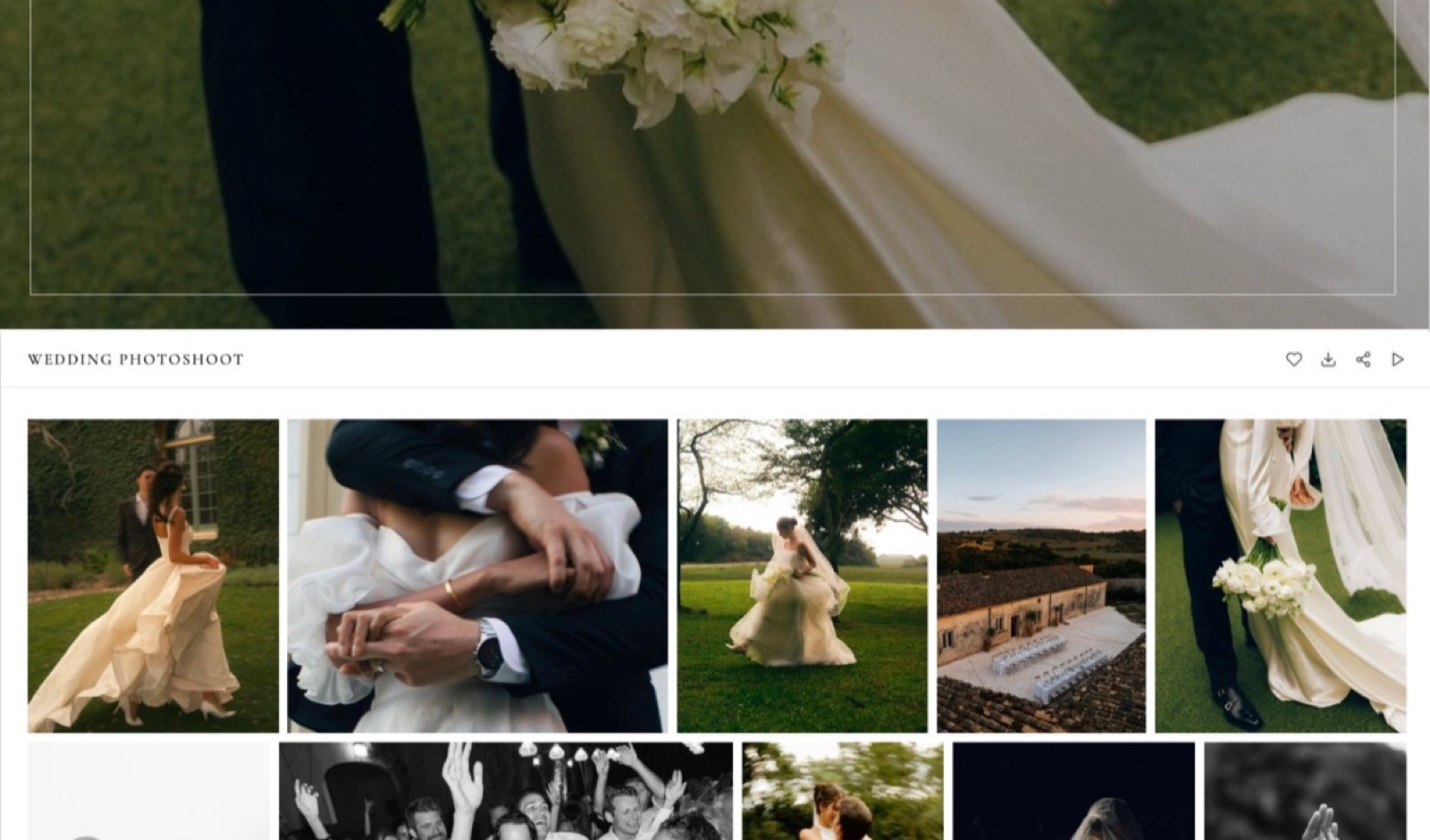
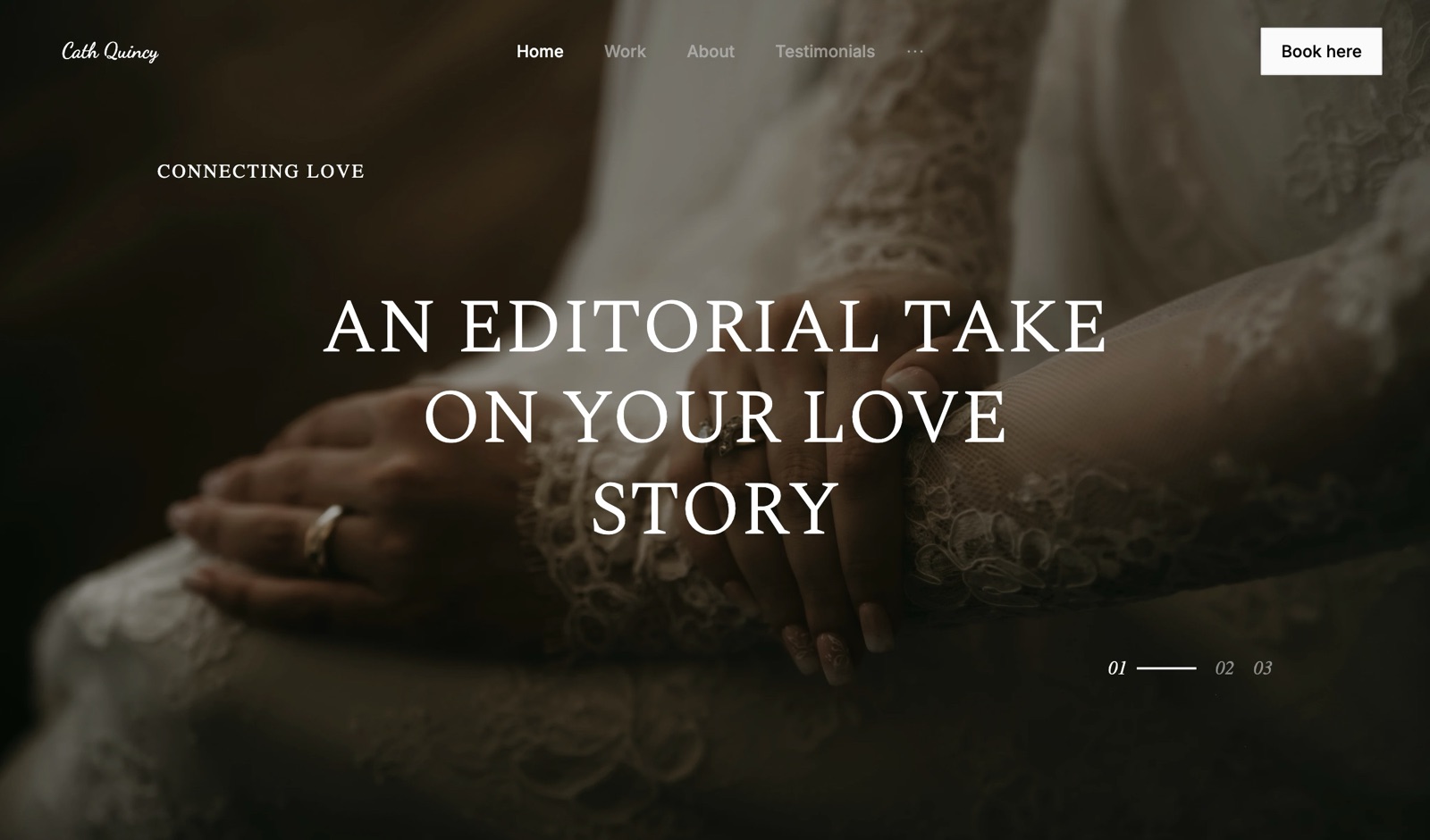
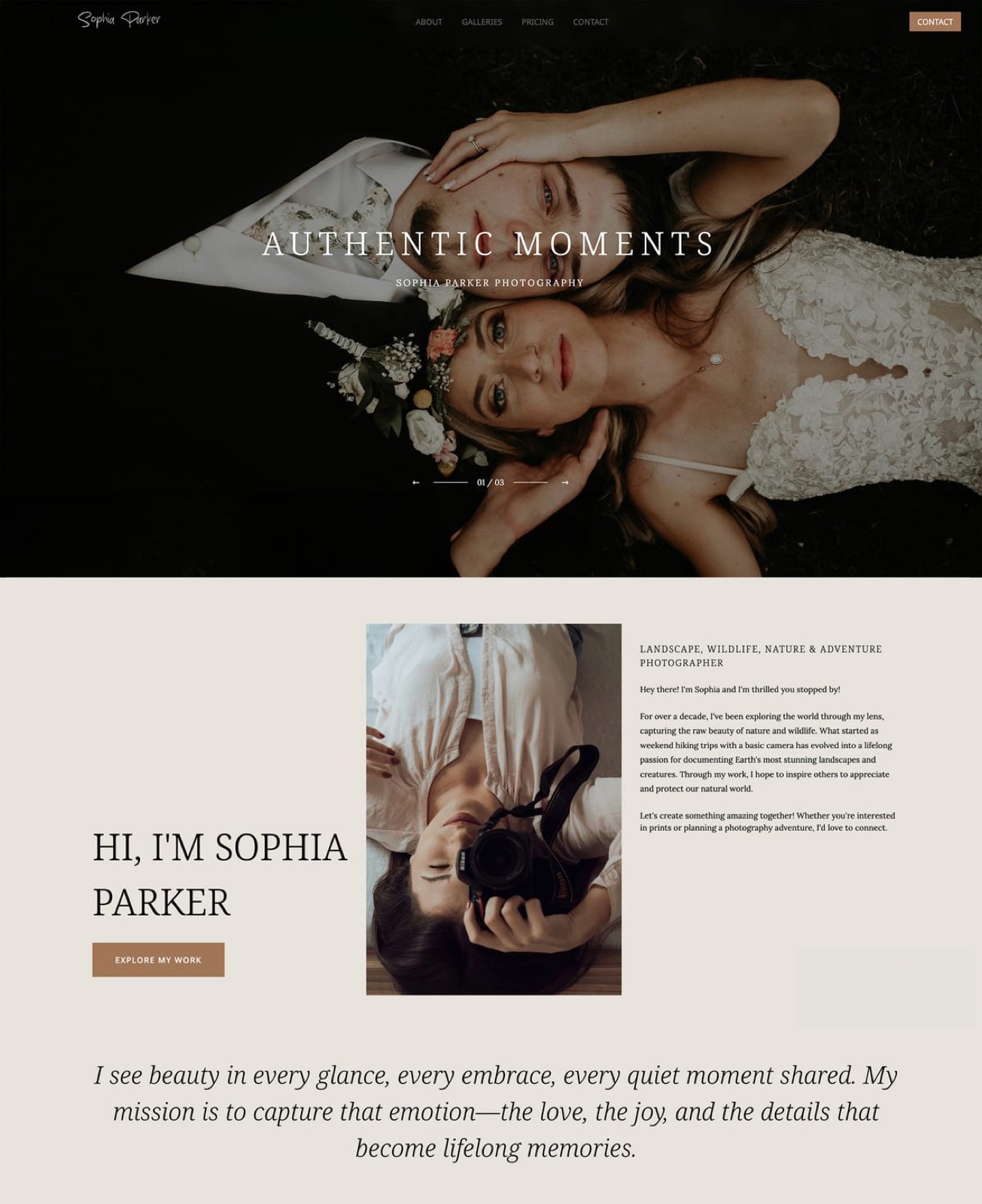
What it covers for Maya. The website comes from templates made by senior designers, and the AI builds new sections from a sentence or a reference image in her own fonts and colours.
Galleries are unlimited on every plan, with watermarking, a gallery password, a separate download PIN, client favourites, ZIP downloads of the full set or favourites only, email registration and auto expiry, and photos up to 100MB each so originals go out untouched.
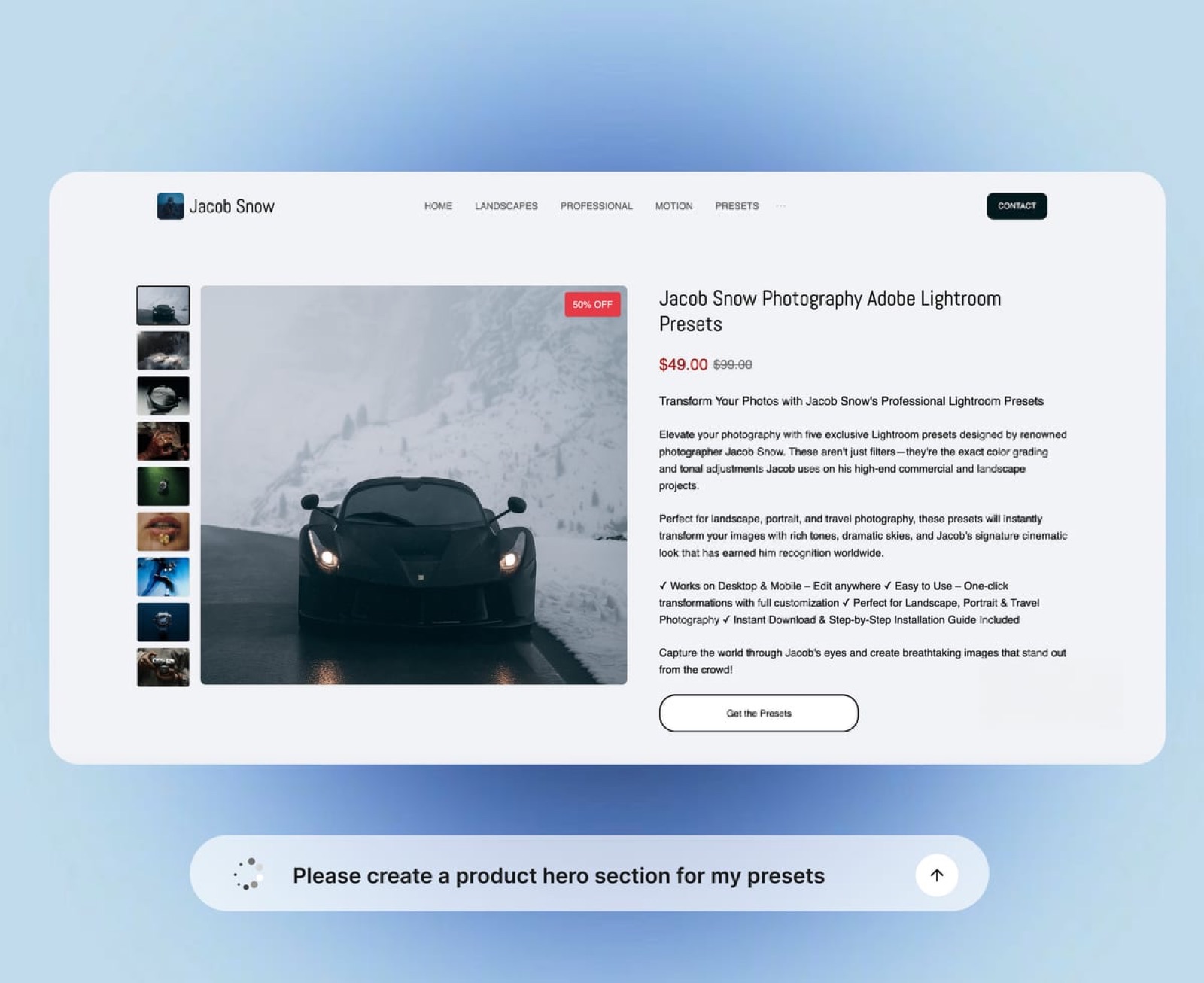
The store sells her preset pack as a digital file with instant delivery. Slides builds her pricing guide as a designed deck she can share as a link or export as a PDF.
Video Review lets the couple pin notes to exact timecodes in the highlight film, draw on the frame and mark a version approved, without making an account.
The number to remember. Framekit Pro billed yearly is $15 a month and takes 3% of store sales, so on Maya's $240 of presets the whole platform costs $22.20 a month.
The fee is 5% on Free and Starter, 3% on Pro and 0% on Business ($39 monthly or $31 billed yearly).
On yearly billing, Business becomes the cheaper plan once store sales pass about $533 a month, which is the $16 price gap divided by Pro's 3%.
The detail nobody mentions. Storage is one pool. Pro's 300GB is shared by the website, galleries and video reviews, with up to 150GB of it usable for video.
That is generous for photos and a real planning number if you also deliver films: six highlight films at 2GB each use 12GB, while a year of wedding galleries at full resolution uses far more.
The gotcha. Framekit is a delivery and selling platform, not a studio manager. There are no contracts, no invoices, no booking calendar, no questionnaires, no print lab and no face recognition in galleries.
It is also not a merchant of record: store checkout runs on the seller's own Stripe account, so VAT and sales tax on preset sales are Maya's to handle.
Skip it if most of your gallery revenue comes from prints and albums, or if the thing you most want off your plate is contracts and scheduling. Those photographers should start with Pic-Time or Pixieset.
Verdict: The best all-in-one platform for a photographer whose income is sessions plus digital products, and the only one that also handles the video half of a hybrid business. It is the wrong single tool for a print-driven studio.
2. Pixieset Suite: Best for Running the Business Side
Pixieset Suite is the most complete photography-specific bundle on the market, and it is strongest exactly where most all-in-ones are weakest: the paperwork.
One plan includes Client Gallery, Website, Studio Manager, Store and the Mobile Gallery App, per the Pixieset Suite pricing page.
What the plans cost. Starter is $28 a month billed yearly or $35 monthly, with 100GB of photo storage and one hour of HD video.
Pro is $38 billed yearly or $50 monthly, with 2,000GB, unlimited booking types, RAW support and the option to remove the Pixieset badge. Ultimate is $55 billed yearly or $65 monthly, with unlimited photo storage.
Extra video is $5 a month per additional hour.
The standout. Studio Manager is inside every Suite plan: invoices, contracts with e-signatures, questionnaires and quotes, a booking and scheduling site, online payments and payment reminders.
For a photographer who currently pays HoneyBook $29 a month, that line alone covers most of the Suite price.
The detail worth knowing. Pixieset can now sell presets.
Its Payment Links announcement from April 2026 describes selling presets, guides or other digital products by linking a payment page from your website, then delivering the files after purchase.
That is a payment page, not a digital-product store with a catalogue.
The gotcha. The Starter plan's one hour of HD video disappears fast for a hybrid shooter. Three 20-minute wedding films fill it, and each extra hour is another $5 a month.
Also note the gallery-only free plan charges a 15% commission on store sales; paid plans are commission-free.
Skip it if your video clients need to comment on exact moments and approve versions, or if you want your decks and pricing guides designed in the same place as your site.
Verdict: The right platform for a photographer whose bottleneck is admin, and at $28 a month it is priced fairly for what it replaces. Already outgrowing it? Here are the best Pixieset alternatives.
3. Pixpa: Best Budget Website, Gallery and Store
Pixpa is the cheapest way on this list to get a full website, client galleries and a real store in one plan, and its pricing page is unusually plain about where each plan stops.
The Pixpa pricing page lists four plans: Basic at $5.40 a month billed yearly or $9 monthly, Creator at $9 yearly or $15 monthly, Professional at $12 yearly or $20 monthly, and Advanced at $15 yearly or $25 monthly.
Why photographers pick it. Every plan advertises zero commission on sales. The store sells physical items, services or digital downloads, so Maya's presets fit, and selling her own photos as prints or downloads is uncapped.
Print orders can auto-fulfil through WHCC or a custom lab.
The number that decides it. Store products are capped: 3 on Basic, 10 on Creator, 100 on Professional and unlimited on Advanced.
Original-file storage for galleries and downloads runs 3GB, 5GB, 25GB and 100GB up the same ladder.
Maya's 100GB year of galleries passes Creator's 5GB with the second wedding and Professional's 25GB by the seventh, so her realistic plan is Advanced at $15 a month billed yearly, which is still the lowest price on this list for all three jobs.
The gotcha. The low headline price is the yearly figure, and the pricing toggle also offers a two-year term at 55% off. Paying monthly nearly doubles the Creator price, from $9 to $15. Contracts, invoicing and video review do not appear on the pricing page.
Skip it if you deliver films, or if you need an admin suite. Pixpa is a portfolio, gallery and shop, done at a sharp price.
Verdict: The best value in the category for a photographer who sells files and prints but does not need contracts or video. Price it on the plan your gallery storage needs, not on the $5.40 headline. Comparing it with others? See the best Pixpa alternatives.
4. ShootProof: Best for Contracts Plus Commission-Free Print Sales
ShootProof is a gallery-first platform that has grown into a light studio manager, and its selling promise is blunt: the ShootProof pricing page says it will never take a commission, on any plan, from session fees, prints or digital files.
How the plans work. ShootProof prices by photo count rather than storage. Free holds 100 photos.
The 1,500 Plan is $8.33 a month billed yearly or $9.99 monthly (up to 75GB), the 5,000 Plan is $16.67 or $19.99 (up to 250GB), the 25,000 Plan is $26.67 or $31.99 (up to 1,250GB), and Unlimited is $50 or $60.
From the 1,500 Plan up, every tier adds video storage, invoicing with tipping, e-signed contracts and multi-brand management. Online booking is a $4.99 monthly add-on on any plan, and archiving extra photos starts at $2.99 a month.
The number that decides it. Photo counts behave differently from gigabytes.
Maya delivers about 800 images a wedding, 20,000 a year, which puts her on the 25,000 Plan even though her files would sit comfortably inside 250GB.
A photographer who delivers fewer, larger files gets more from this model; a volume shooter gets less.
The detail worth knowing. Clients can pay invoices, prints and digitals with Apple Pay and Google Pay in the US once a payment processor is connected, and the Free plan still includes 1-to-1 phone support, which is rare at $0.
The gotcha. The website is described as a "simple portfolio website", not a full site builder. If your site is your main booking engine, plan on a separate builder, which puts one line of the stack back on your bill.
Skip it if you sell digital products beyond your own gallery photos, or if the website carries your marketing.
Verdict: A strong, honest pick for a portrait or wedding photographer who wants galleries, contracts and print sales under one roof and does not mind a basic site. Looking at the field? Compare the best ShootProof alternatives.
5. Pic-Time: Best for Print and Album Sales
Pic-Time is built around one idea: the gallery is a shop.
Its pricing page lists a print store with more than 30 global labs, automatic fulfilment, an album builder, automated marketing campaigns, coupons and gift cards, which is the deepest sales toolkit on this list.
What it costs. Free is $0 with 10GB that drops to 3GB after three months. Beginner is $7 a month billed yearly or $8 monthly (20GB photos, 5GB video).
Professional is $21 yearly or $25 monthly (100GB photos, 30GB video, about three hours). Advanced is $42 yearly or $50 monthly, with unlimited photo storage subject to terms and 60GB of video. Extra brands are $6 a month each.
The detail worth knowing. Commission is charged only on your markup, and there is none at all for self-collected payments on Professional and Advanced. On those plans, the sales engine costs nothing beyond the subscription and your lab's product cost.
The gotcha. Every plan includes a "Portfolio Page", not a full website, so most Pic-Time photographers still pay for a site elsewhere.
Studio management arrives as a free first year of Studio Ninja for new users, which means a new bill in year two for the paperwork half of the business.
Skip it if you rarely sell prints, or if you want the site, the paperwork and the galleries on one bill for the long term.
Verdict: The best gallery on this list for turning a wedding into an album and wall-art order, and a weaker all-in-one than its reputation, because the website and admin live outside it. Weighing it up? See the best Pic-Time alternatives.
6. Zenfolio: Best for Event and Volume Photographers
Zenfolio sells photographers a website and galleries in one plan, and its current lineup leans hard into high-volume work: QR code workflows, bulk folder generation, SMS delivery and a People Filter that uses facial recognition to let guests find themselves in a gallery.
What it costs. The US view of the Zenfolio plans page shows Basic at $9 a month, Professional at $23 and Advanced at $40 when paid monthly.
Annual prices are $7, $11.50 and $20 a month, but the page says those are first-year offers that end on 30 September 2026 and renew at standard rates.
Booking and scheduling, which covers calendaring, invoicing and payments, is a $10 monthly add-on on Basic and Professional and included on Advanced.
The detail worth knowing. Zenfolio's plan comparison puts the whole selling platform, including prints, digital downloads and the shopping cart, on Professional and Advanced only.
Basic can show and deliver galleries but cannot sell from them. Video files are capped at 3GB and 60 minutes on Basic and Professional, in HD; Advanced allows 30GB files in 4K.
The gotcha. The promotional annual price is what most people remember. Budget for the standard rate in year two.
Skip it if you only need a portfolio and galleries; Basic is fine, but the moment you want to sell, you are on Professional.
Verdict: The best fit here for school, sports and event photographers who need guests to find their own faces in 2,000 images. Considering a move? Read the best Zenfolio alternatives.
7. SmugMug: Best for Unlimited Photo Storage
SmugMug's calling card is unlimited full-resolution JPEG storage on every plan, which makes it as much an archive as a storefront.
The SmugMug plans page lists Direct at $20 a month, Portfolio at $23.50 and Pro at $37, all billed yearly.
Portfolio is where it becomes a business tool, adding print and digital download sales, website templates, watermarking, a custom domain and full-service order fulfilment.
Pro adds custom pricelists, packages, coupons, client favouriting and download limits. RAW storage is an add-on on every plan, and the plan table lists credit card processing fees as "None" on Portfolio and Pro.
The gotcha. Unlimited storage is for JPEGs. A photographer who wants RAW files backed up pays extra, and video is not described on the plans page, so check it before you move a hybrid business.
Verdict: The right home for a photographer with a decade of work to keep online and sell from, and a thin fit for anyone who also sells presets or needs paperwork. Weighing a move? See the best SmugMug alternatives.
8. Squarespace Plus Pixieset: The DIY Pair

A very common photography setup is not an all-in-one at all. It is Squarespace for the website and a gallery service beside it, usually Pixieset, and it deserves a place here because it is the baseline every platform above is trying to beat.
What it costs. Squarespace's US prices are $19 a month for Basic billed yearly ($228 a year) or $25 monthly, $29 for Core, $49 for Plus and $99 for Advanced, per the Squarespace pricing page.
Basic charges a 2% online store transaction fee and a 7% fee on digital content and memberships; Core drops those to 0% and 5%.
Add Pixieset Client Gallery Plus at $16 billed yearly and the pair is $35 a month before a store, paperwork or video.
Why people choose it anyway. Squarespace's templates and editor are mature, and Pixieset's galleries are purpose-built for delivery. Each tool is good at its one job, and neither asks you to compromise on the other.
The gotcha. Two logins, two bills, two brand settings and two places a client can get lost between the site and the gallery link. Squarespace has no free plan, only a 14-day trial.
Verdict: Fine if you already run it and it works. It is not an all-in-one, and on Maya's workload it is the full $108 stack. If you are leaving Squarespace, start with the best Squarespace alternatives for photographers.
What Happens to the Bill as Preset Sales Grow
In one lineA percentage store fee is the only line in a photographer's stack that grows with success, so the all-in-one that looks cheapest at ten sales a month can be the most expensive at a hundred, and the other way round.
The table follows Maya's $24 preset pack from 5 sales a month to 100. Gumroad is the store alone. The Framekit and Pixpa columns are the whole platform, website and galleries included, plus any store fee, all on yearly billing.
| Presets sold a month | Sales | Gumroad fees (store only) | Framekit Pro ($15 + 3%) | Framekit Business ($31, 0%) | Pixpa Advanced ($15, 0%) |
|---|---|---|---|---|---|
| 5 | $120 | $14.50 | $18.60 | $31.00 | $15.00 |
| 20 | $480 | $58.00 | $29.40 | $31.00 | $15.00 |
| 50 | $1,200 | $145.00 | $51.00 | $31.00 | $15.00 |
| 100 | $2,400 | $290.00 | $87.00 | $31.00 | $15.00 |
Three things fall out of it. Gumroad's $0.50 per sale makes it expensive on a $24 product at any volume: its effective rate on this pack is 12.1%, not 10%.
Framekit Pro is the sensible plan below about $533 a month of sales and Business is the sensible plan above it.
And Pixpa's zero-commission store is the cheapest line at every volume, which is its strongest argument, as long as ten or a hundred products and no video are enough.
Run it on your own numbers. Take last month's digital-product sales, multiply by your current platform's percentage, add the per-sale fee times the number of orders, and multiply by twelve.
That is what your store costs you a year before anything else, and it is the number to hold against a flat plan.
Video Is the Job Most Photography Platforms Skip
In one lineMost photography platforms can now hold a highlight film in a gallery, but only a review tool lets a couple pin a note to 01:42 and approve a version, and that difference decides how many revision emails a hybrid photographer answers.
Five of the eight platforms here accept video in some form.
Pixieset Suite Starter includes one hour of HD video, Pic-Time Professional includes 30GB (about three hours), Zenfolio hosts and sells video with a 60-minute cap per file, and ShootProof adds video storage from its 1,500 Plan.
All of that is delivery: the client watches, maybe downloads.
Review is a different job. A couple watching a wedding film wants to say "the speech cuts off at 3:10" and have that note sit on the exact frame. Frame.io is the professional standard for it, at $15 a member a month on Pro.
Framekit Video Review does the core of the same job inside the photography account: comments pinned to timecodes, drawing on the frame, threaded replies, versions stacked with the old notes kept, and statuses from needs review to approved.
Reviewers do not need an account.
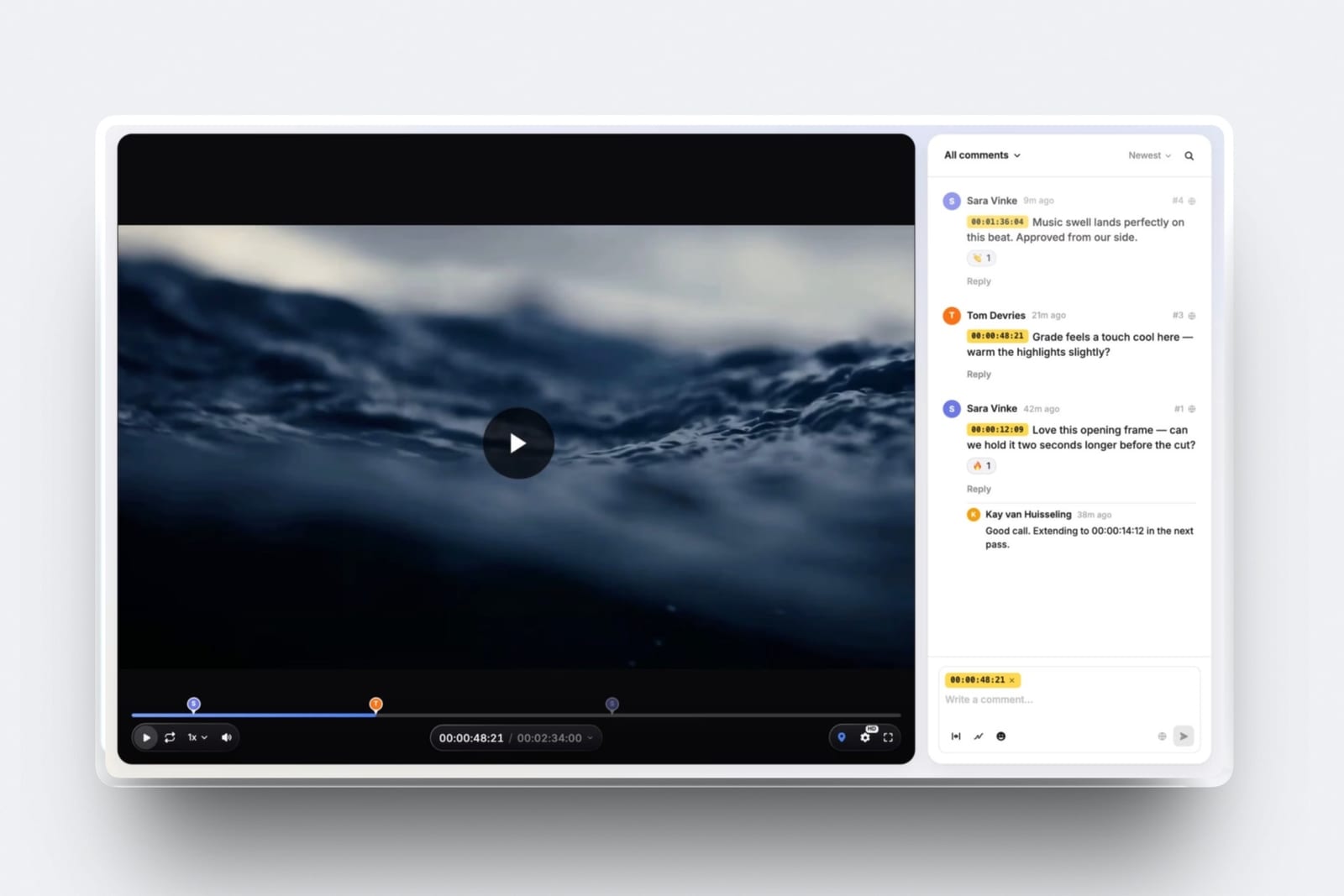
Be clear about the ceiling. Framekit's review caps each video at two hours and at 2GB per file on Pro, and it has no Camera to Cloud, no editing-software panels, no transcription and no side-by-side version compare.
A photographer delivering six wedding films a year will never hit those limits. A post-production team would, and belongs on Frame.io.
Proposals and Pricing Guides: The Job Nobody Prices
In one lineNearly every photographer sends a pricing guide or proposal, yet none of the photography-specific platforms here builds a designed deck, so that job usually lives in Canva or HoneyBook and quietly adds a sixth login.
HoneyBook and Pixieset's Studio Manager handle the transactional half well: a quote the client accepts, a contract they sign, an invoice they pay. What they do not make is the thing that wins the booking in the first place, a pricing guide that looks like the photographer's work.
Framekit Slides is built for that half. Decks are unlimited on every plan, including Free, and the AI slide writer lays out a slide from a sentence.
Photography templates include a Photography Portfolio Book, and a deck can be presented full screen, shared as a link or exported as a PDF.
The full template library, custom uploaded fonts and removing the Framekit byline need Starter or above.
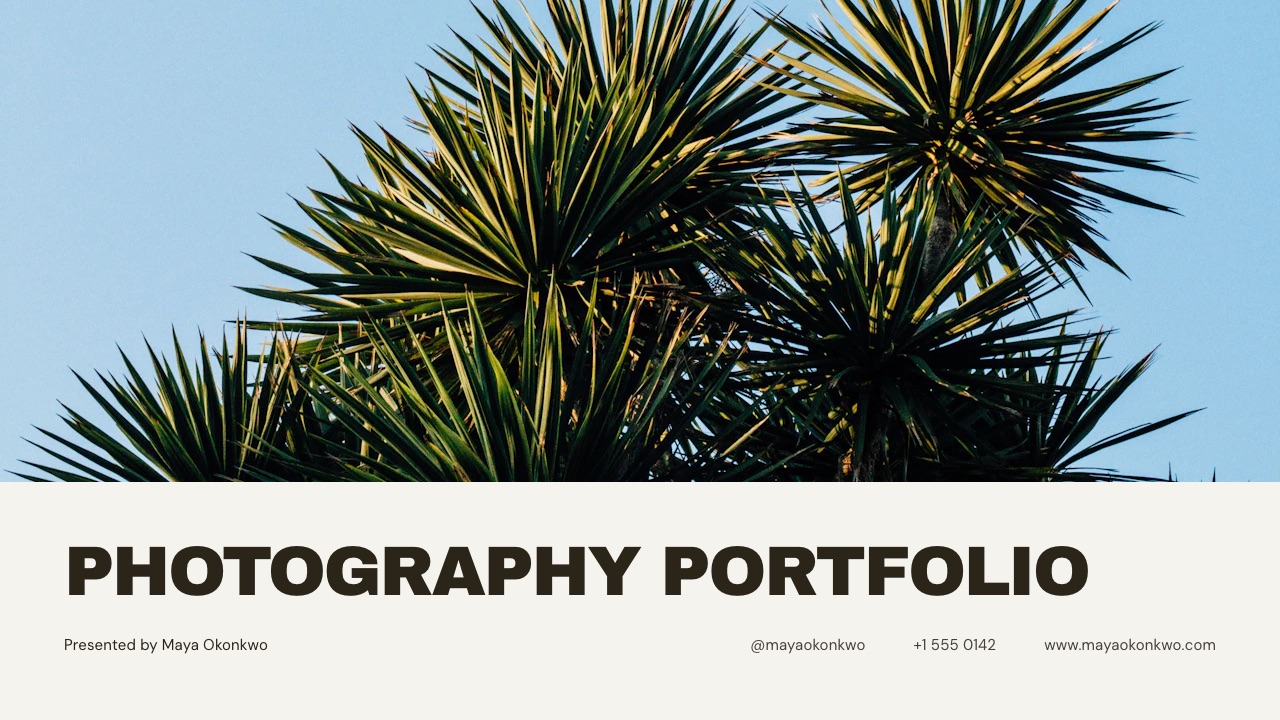
The trade-offs are specific. Slides has no e-signatures, and deck links have no password and no per-viewer analytics, only a total view count.
If you need to know which couple opened page six, a proposal tool does that and Framekit does not.
For the full field of contract tools, see the best contract and proposal tools for creatives.
Storage: The Limit That Picks Your Real Plan
In one lineAdvertised prices are for the entry plan, but a wedding photographer's gallery storage usually decides the plan, and on Maya's 100GB year most platforms push her one or two tiers above the headline.
| Platform | Plan that fits Maya | Storage on that plan | Years of Maya's galleries before archiving | Video allowance |
|---|---|---|---|---|
| Framekit | Pro ($15 yearly) | 300GB pool | About 3 | Up to 150GB of the pool |
| Pixieset Suite | Starter ($28 yearly) | 100GB photos | About 1 | 1 hour HD |
| Pixpa | Advanced ($15 yearly) | 100GB originals | About 1 | Not listed |
| ShootProof | 25,000 Plan ($26.67 yearly) | 25,000 photos (up to 1,250GB) | About 1.25 | Included |
| Pic-Time | Professional ($21 yearly) | 100GB photos | About 1 | 30GB (about 3 hours) |
| Zenfolio | Professional ($23 monthly) | 150GB photos and video | About 1.5 | Shares the 150GB |
| SmugMug | Portfolio ($23.50 yearly) | Unlimited JPEGs | No limit | Not listed |
"Years before archiving" assumes Maya keeps every gallery live, which few photographers do. Most expire or archive galleries after a year, and several platforms here offer auto expiry, Framekit included on every plan.
If you keep everything forever, SmugMug and Pixieset Suite Ultimate are the only unlimited-photo options on the list.
Tax, Payouts and Who the Seller Is
In one lineWhen a photographer sells a preset pack, someone has to handle VAT and sales tax, and the answer differs sharply: Gumroad does it as merchant of record, while website-based stores, Framekit's included, leave it with the photographer.
On Framekit, checkout runs on Stripe Connect as a direct charge on the seller's own Stripe account.
Maya is the merchant of record, the money lands in her Stripe balance, and Stripe shows buyers the payment methods enabled on her account, such as cards, Link and wallets where she has turned them on.
Framekit does not calculate or remit tax. For a photographer selling mostly to her own country, that is usually simple; for one selling presets worldwide, it is work.
Refunds are handled in the Framekit dashboard, but Framekit keeps its platform fee on a refunded order today. On Pro that is 3% of the $24, or 72 cents, per refund.
If you want someone else to own the tax problem entirely, a merchant of record such as Gumroad is the honest recommendation, at the cost of 10% plus 50 cents a sale.
The guide to whether you need a merchant of record walks through the thresholds.
How to Choose: A Decision Guide
The fastest way to choose an all-in-one platform for photographers is to answer four questions in order, because each one removes platforms that cannot do a job you already pay for, and the last one left standing is your answer.
1. Do prints and albums make up a meaningful share of your revenue? If yes, your shortlist is Pic-Time, ShootProof, Zenfolio and Pixieset, and Pic-Time is the strongest sales engine of the four. If prints are occasional or zero, go to question 2.
2. Is paperwork (contracts, invoices, booking) the job you most want off your plate? If yes, pick Pixieset Suite, or ShootProof if you also want commission-free print sales at a lower price.
If you are happy keeping a separate contract tool or do not need one, go to question 3.
3. Do you deliver video, or send designed pricing guides and proposals? If yes, pick Framekit: it is the only platform here with timecoded video review and a deck builder in the same account as the site, galleries and store. If not, go to question 4.
4. Is the lowest monthly price the deciding factor? If yes, pick Pixpa, on the plan your gallery storage actually needs. If you have a large archive to keep online forever, pick SmugMug.
Frequently Asked Questions
What is the best all-in-one platform for photographers in 2026?
Framekit is the best all-in-one platform for photographers in 2026 if you sell sessions and digital products, because one account covers the website, client galleries with photo and video, a digital-file store, Slides decks and timecoded video review, from $15 a month on Pro billed yearly.
Pixieset Suite is the better pick if you want contracts, invoices and booking included, and Pic-Time is better if print and album sales are central.
Is Pixieset Suite or Framekit better for a wedding photographer?
Pixieset Suite is better for a wedding photographer who wants contracts, invoices and a booking site in the same plan, at $28 a month billed yearly for Starter.
Framekit is better for one who also delivers highlight films that need timecoded client review, sells presets from a full store, or sends designed pricing guides, at $15 a month on Pro billed yearly.
Framekit has no contracts or print lab; Pixieset has no timecoded review or deck builder.
Which all-in-one photography platforms include contracts and invoicing?
Pixieset Suite includes invoices, e-signed contracts, questionnaires, quotes and a booking site on every Suite plan.
ShootProof includes invoicing and e-sign contracts from its 1,500 Plan ($8.33 a month billed yearly), with booking as a $4.99 add-on.
Zenfolio sells booking, invoicing and payments as a $10 monthly add-on on Basic and Professional, and Pic-Time offers a free first year of Studio Ninja to new users. Framekit, Pixpa and SmugMug do not list contracts.
Can I sell Lightroom presets from a photography gallery platform?
Pixieset can sell presets through Payment Links, which its April 2026 announcement describes as a payment page linked from your website with the files delivered after purchase.
Pixpa's store sells digital downloads on every plan, capped at 10 products on Creator. Framekit's store sells any digital file with instant delivery and lets buyers return for their files.
Gallery-first platforms such as Pic-Time and ShootProof are built to sell your photos, not separate products.
Which all-in-one platform is best for selling prints?
Pic-Time is the best all-in-one platform for print sales, with more than 30 global labs, automatic fulfilment, an album builder and automated sales campaigns, and no commission on self-collected payments on Professional and Advanced.
ShootProof is the budget alternative and never takes a commission. Framekit does not sell prints at all, so print-first photographers should not choose it.
What is the cheapest all-in-one platform for photographers?
Pixpa is the cheapest all-in-one platform for photographers that includes a full website, client galleries and a store, from $5.40 a month billed yearly for Basic (3 products) or $9 for Creator (10 products).
The real price depends on storage: a wedding photographer with 100GB of galleries a year needs Advanced at $15 billed yearly. Framekit's Free plan costs $0 but carries a Framekit badge and no custom domain.
Do I still need HoneyBook if I use an all-in-one platform?
HoneyBook is still needed if your all-in-one platform has no contracts or invoicing, which is the case with Framekit, Pixpa and SmugMug.
It is not needed on Pixieset Suite, which includes e-signed contracts, invoices and booking, or on ShootProof from the 1,500 Plan up.
HoneyBook Starter costs $29 a month billed yearly, so it is worth checking whether the all-in-one you pick replaces it.
Does Framekit handle sales tax or VAT on preset sales?
Framekit does not handle sales tax or VAT. Its store uses Stripe Connect direct charges on the seller's own Stripe account, so the photographer is the merchant of record and is responsible for tax.
Photographers who want tax handled for them should consider a merchant of record such as Gumroad, which has collected and remitted sales tax worldwide for its sellers since January 2025, at 10% plus $0.50 per direct sale.
Which platform is best for wedding highlight film approval?
Framekit is the best photography platform for highlight film approval because its Video Review lets couples pin comments to exact timecodes, draw on the frame, reply in threads and approve a version without an account, in the same account as the galleries.
Pixieset, Pic-Time, ShootProof and Zenfolio can host and deliver video in a gallery but do not list timecoded review. Frame.io remains the choice for full post-production teams.
How much storage does a wedding photographer need each year?
A wedding photographer delivering 25 weddings of about 800 JPEGs at 5MB each needs roughly 100GB of gallery storage a year.
That fills Pixieset Suite Starter, Pixpa Advanced and Pic-Time Professional in about a year, Zenfolio Professional's 150GB in about 18 months, and Framekit Pro's 300GB pool in about three years if nothing expires.
SmugMug stores unlimited JPEGs.
Final Verdict
For the photographer whose year looks like Maya's (weddings and portraits, a preset pack on the side, and a few highlight films) Framekit is the best all-in-one platform in 2026, because it is the only one that fills every delivery column: site, galleries, store, decks and video review, for $22.20 a month against a $108 stack.
Where Framekit loses is the business back office and the print shop. It does not do contracts, invoices, booking or lab prints, and it does not handle tax on your preset sales.
A photographer whose pain is paperwork is a better fit for Pixieset Suite; one whose revenue is prints and albums should choose Pic-Time or ShootProof; one who wants the lowest bill for a site, gallery and store should look at Pixpa; and one with a huge archive should look at SmugMug.
Framekit is not for a print-first studio, and it will not replace HoneyBook if you need e-signatures.
Related readingIf the website is the job you are deciding first, read the best website builders for photographers and the best website builders with client galleries.
For the gallery side alone, compare the best client gallery platforms.
For the admin side, see the best studio management tools for photographers, and to price your own stack line by line, use the creative business software stack cost guide and the roundup of photography business tools.
Go deeper on the gallery bills with Pixieset pricing and Pic-Time pricing; filmmakers get the same treatment in the all-in-one platforms for filmmakers guide.