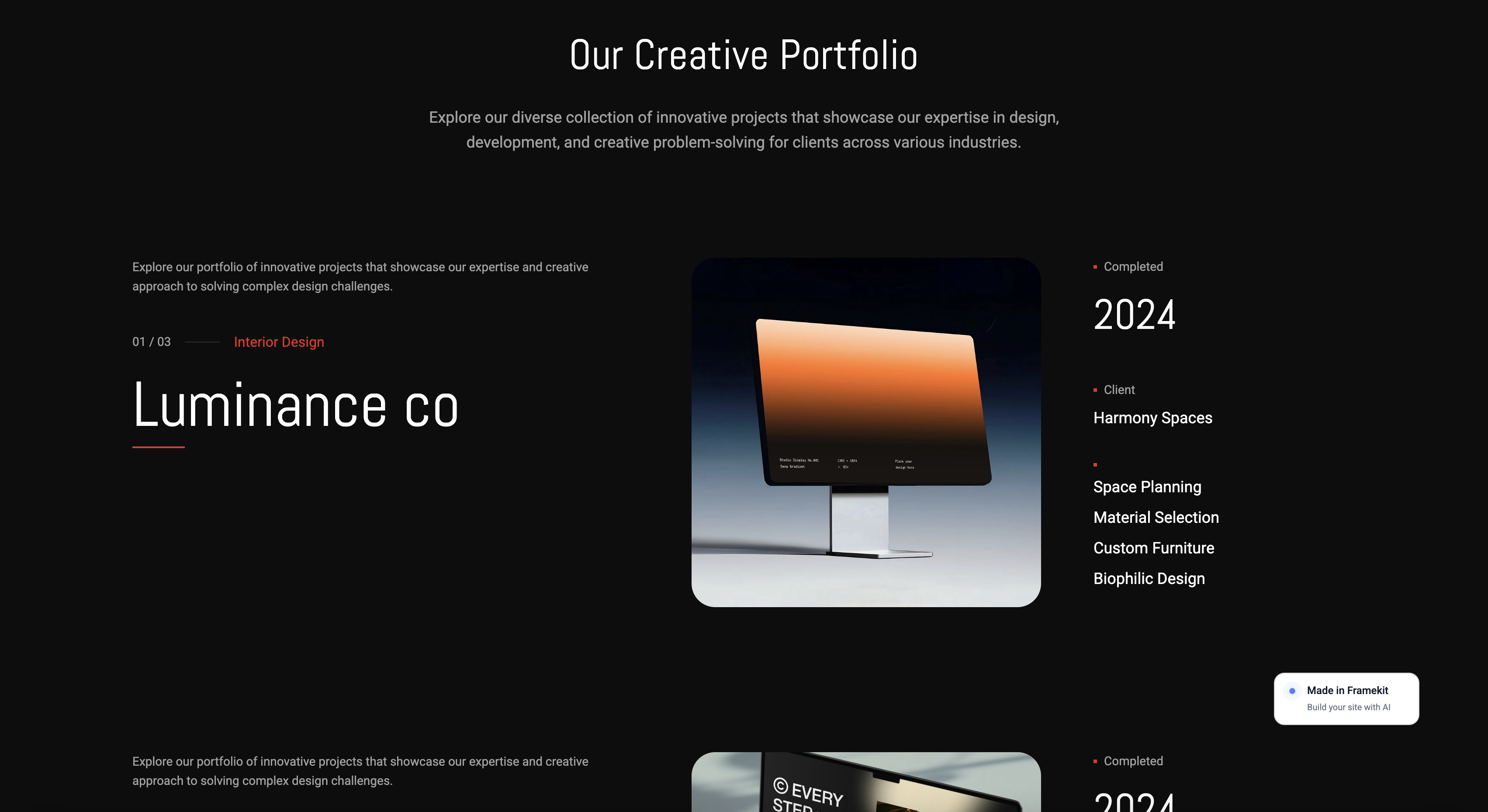
Framekit templates
Start from a designer-made template
 Use template
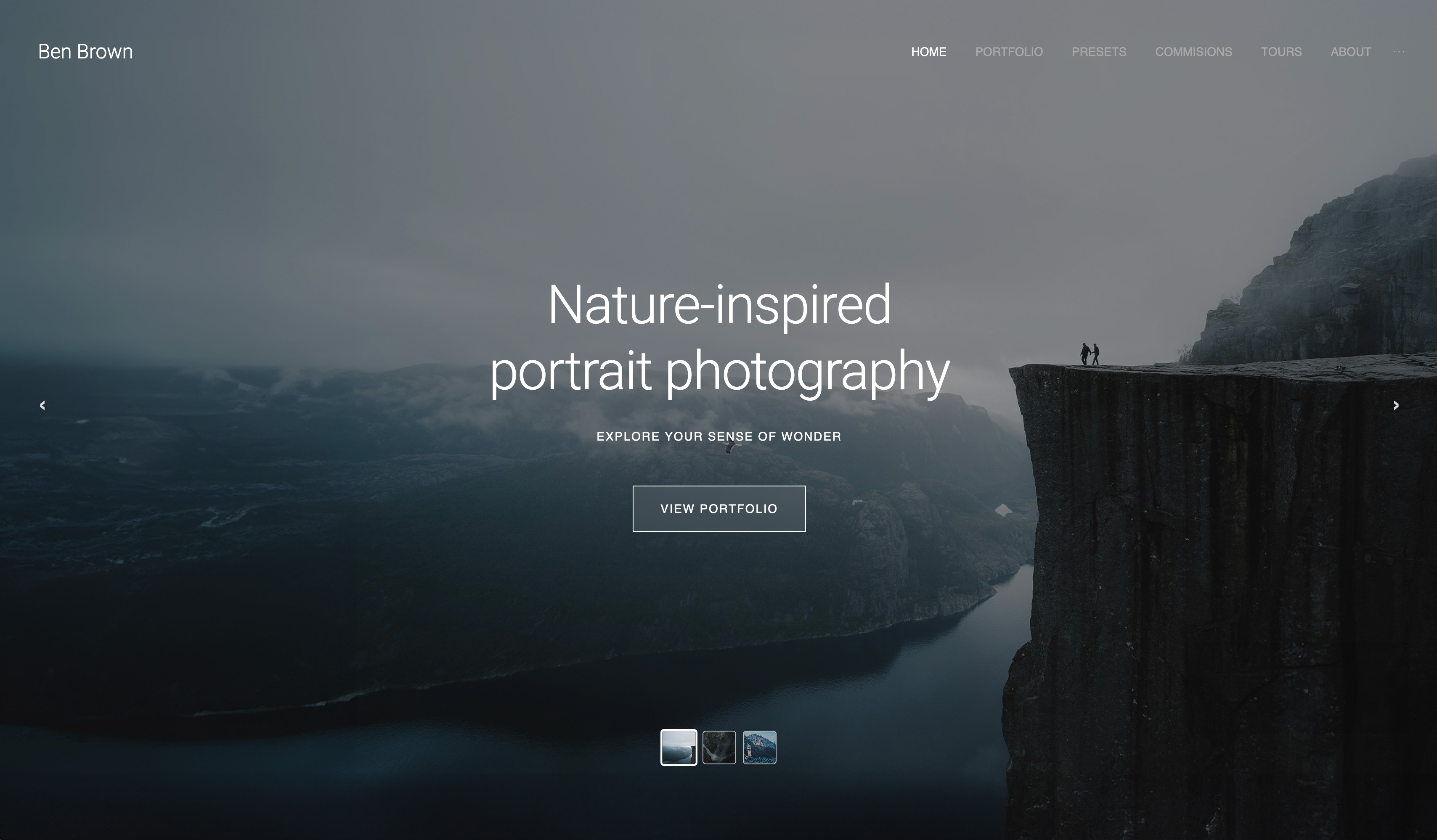 Use template
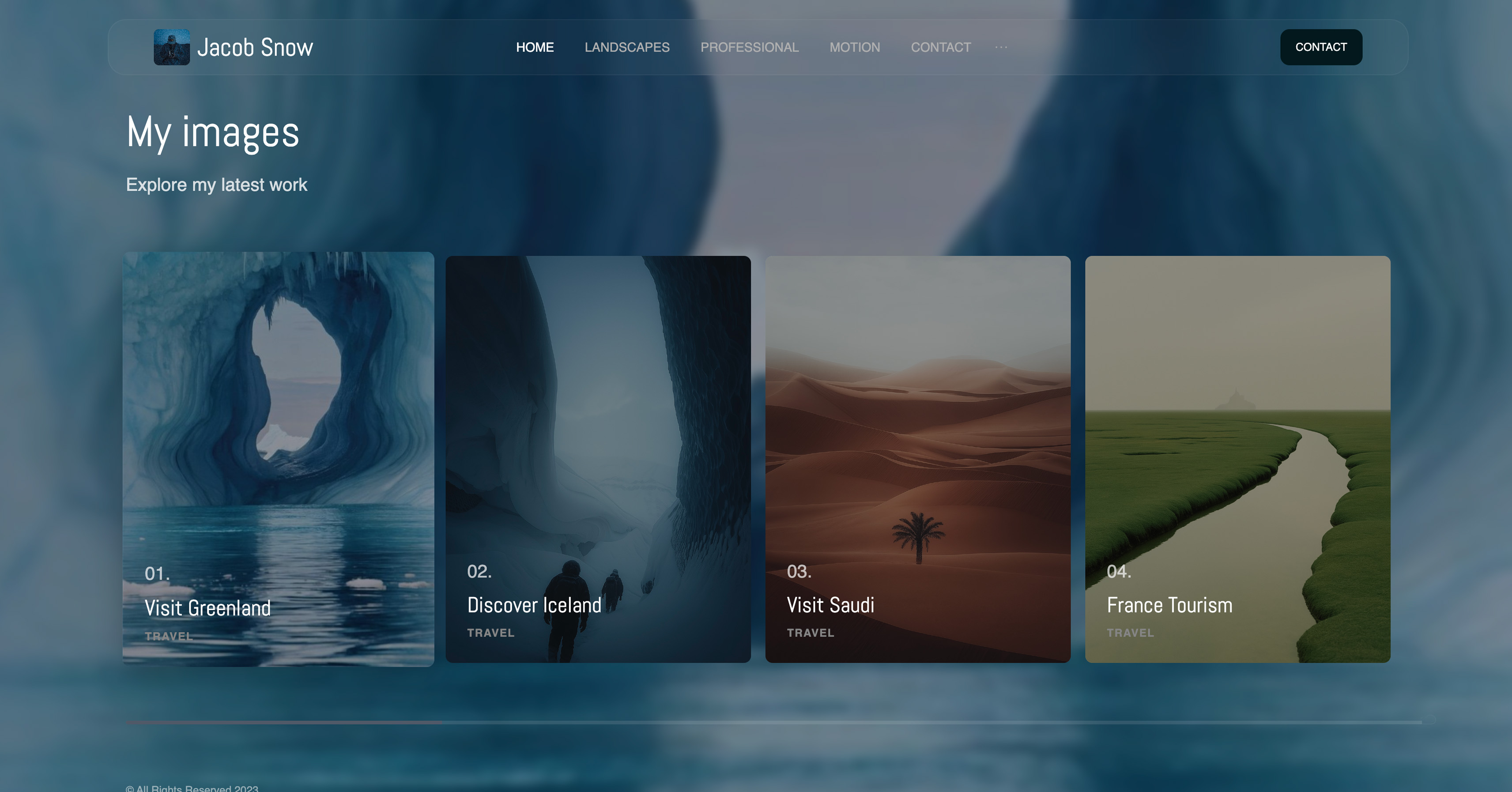 Use template
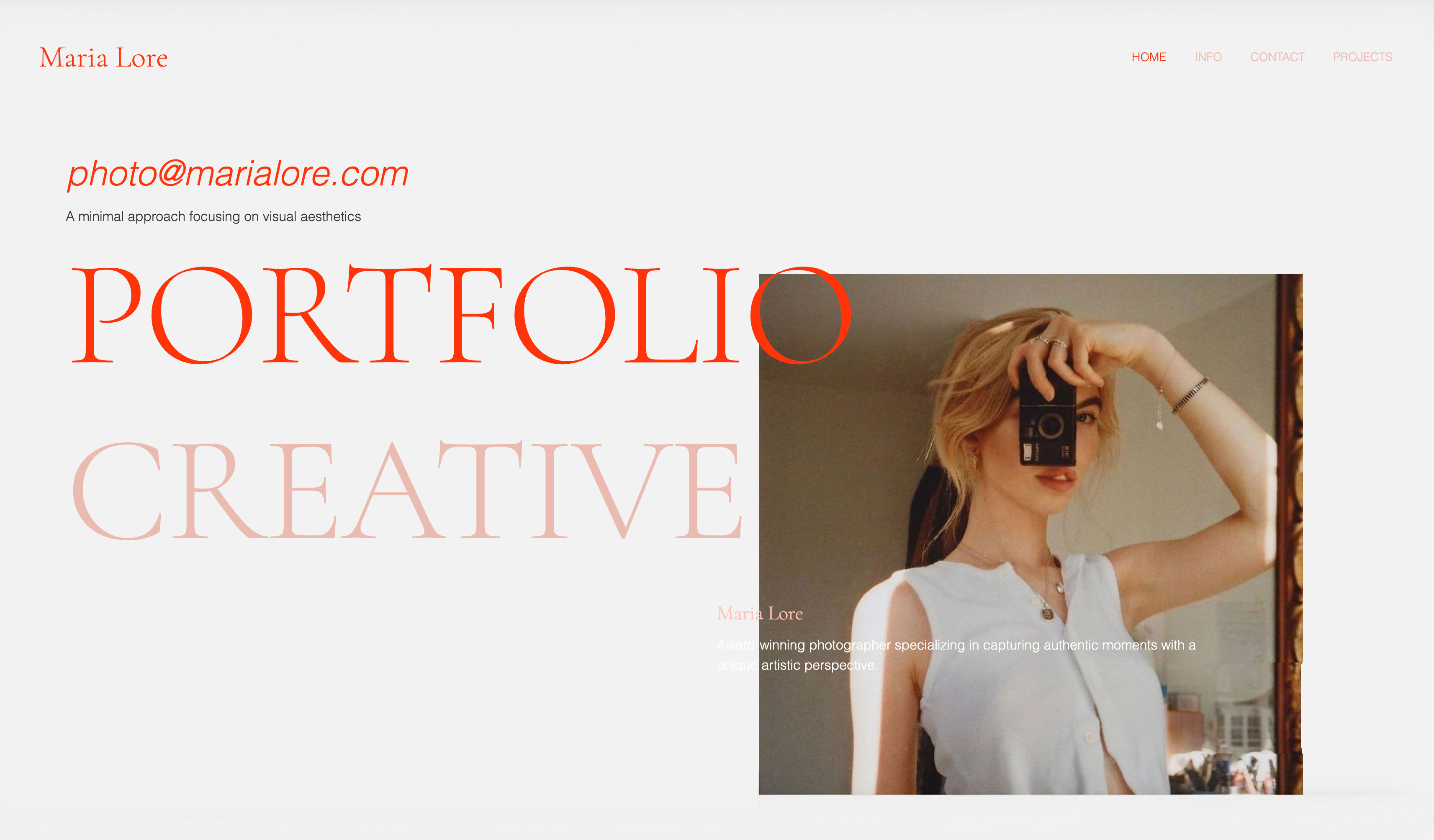 Use template
 Use template
 Use template
 Use template
 Use template
You signed up for Pic-Time because the galleries looked incredible and everyone promised the automated store would sell prints while you slept.
Three weeks later you are still wiring up sale campaigns, gift flows, and reminder sequences, paying a premium plan for machinery you have not switched on, and all you actually wanted this week was to send a client their photos.
That is the tension that sends photographers looking for a Pic-Time alternative in 2026.
Pic-Time is the most polished, most automated gallery-and-store on the market, and for a photographer who lives on print sales that automation is worth real money.
But it is also the most to learn and among the most expensive, and if you mostly want galleries out the door, you are paying for power you never turn on.
Re-verified in July 2026 against every platform's published pricing, with Pic-Time's current plan prices and commission tiers, ShootProof's storage plans and Format's store tier corrected in October 2026.
That October pass also removed a claim that we had built galleries on each platform and run every delivery flow by hand.
Beautiful, once you have read the manual.
A Pic-Time alternative is a client-gallery platform photographers switch to when Pic-Time's premium price or its automation-heavy setup outweighs its polish - especially if delivering galleries matters more to them than running automated print campaigns.
The best Pic-Time alternative in 2026 is Framekit, because it gives you polish without the setup - an AI-designed website and client galleries on your own domain that you describe once and deliver from, with no store to configure and no commission on delivery.
The honest trade-off: Framekit has no print store or sales automation at all, so if Pic-Time's automated print campaigns are earning you money, keep it or move to Pixieset.
CloudSpot is the closest modern, simpler experience, and Pixieset is the best all-rounder if you still want a store without the complexity.
Full disclosure: Framekit, ranked #1 below, is our own product, and Pic-Time beats it decisively on the thing Pic-Time exists for. Its automated sales campaigns and wall-art previews genuinely sell prints, and Framekit has no print store at any tier. Every alternative is linked, and Pixieset, ShootProof, SmugMug and PicDrop each beat us on something specific too.
How This Ranking Was Weighted
Ranking alternatives to a sales-led platform needs its weighting made explicit, because the single most obvious criterion in the category is the one our own product scores worst on. Hiding that choice would make the ranking worthless.
Delivery and ownership carry the most weight here, then the cost of the platform across a year, then the client experience.
Print and album revenue is weighted lowest, and that choice deserves scrutiny: it is the criterion Pic-Time wins outright.
Under the opposite weighting, where print income is the whole business, Pic-Time is the correct answer and this article should not change your mind.
Framekit lets you deliver polished client galleries from a website you own without configuring a store, and the free plan needs no credit card to start.
Where we stand: Framekit is our own product and our top pick below, so hold the ranking to a high bar and read the concessions. We compared the other platforms from their published pricing and help docs rather than by building galleries on them, cross-checked every fee against each vendor's published pricing in July 2026, and we are direct about where each wins: Pic-Time's store automation and print fulfillment are things we simply do not offer, Pixieset and ShootProof sell prints and we do not, and SmugMug's unlimited storage beats ours. If print-sales automation is your engine, one of them is your answer, not us.
How We Compared These Pic-Time Alternatives
We rated each alternative's published plans and features on the things that push photographers off Pic-Time - price, setup effort, and how much store machinery you have to learn - alongside the basics:
Setup effort. How much you configure before your first gallery goes out. Pic-Time's automation is powerful precisely because there is a lot to set up; simpler tools trade selling power for speed.
Store fees. What the platform takes when you sell, and on which plans. Pic-Time is 0% when you self-collect on Professional and Advanced, and 15% on Free and Beginner.
Automation and selling power. The sale campaigns and reminders that make Pic-Time earn its keep - and which you give up on a simpler tool.
Design and client experience. Whether the finished gallery looks as good as Pic-Time's, which is a high bar.
What else it gives you. A real website, a digital store, or just delivery.
For a like-for-like read we priced the same deliverable on each platform's published plans - a single wedding gallery with a print product - and we carry one photographer through the guide: a portrait-and-wedding shooter handling around 30 shoots a year with roughly $6,000 in annual print sales.
Delivery flows come from each platform's help docs, not from runs we did by hand, and every fee was verified from each platform's own pricing and help pages in July 2026; where we cite reviewer sentiment, we mark it as such.
What Comparing 11 Pic-Time Alternatives Showed
- Pic-Time's automation is its edge and its learning curve: no other tool here sells prints as hands-off, and none asks for as much setup to do it.
- On fees, Pic-Time matches the field's best - 0% commission on Professional and Advanced when you self-collect (Pic-Time's commission doc) - so people rarely leave over money; they leave over price and complexity.
- 1 of 11 needs no store setup at all because it does not sell prints (Framekit) - the fastest path to just delivering a gallery.
- Pic-Time's entry paid plan, Beginner, is $7 a month billed yearly and keeps a 15% commission; 0% self-collected starts on Professional at $21. Three alternatives here start free, and one all-in-one starts under $5.
- Only 1 of 11 pairs galleries with a genuinely designed website on your own domain (Framekit).
The 11 Best Pic-Time Alternatives in 2026
How the ratings work: we rate each tool's documented features on setup effort and simplicity, price and store fees, design and client experience, and breadth of what it replaces, weighted toward the reasons people leave Pic-Time - simplicity and price 35%, design and experience 25%, fees 20%, breadth 20%.
Framekit leads on simplicity and ownership and scores low on selling power, because it has no store to automate.
| Tool | Best For | Setup Effort | Sales Commission | Our Rating |
|---|---|---|---|---|
| Framekit | Polish without a store to configure | Low (describe and generate) | 0% on delivery (no print store) | 9.2/10 |
| Pixieset | Polished all-in-one, less to learn | Moderate | 15% free, 0% paid | 9.0/10 |
| CloudSpot | Modern experience, simpler | Low to moderate | 15% free, 0% Full Suite | 8.6/10 |
| ShootProof | Simple selling at 0% commission | Moderate | 0% every plan | 8.5/10 |
| Pixpa | Cheapest all-in-one | Moderate | Low, plan-based | 8.0/10 |
| Zenfolio | Volume sales, mature tooling | Moderate to high | 7% per order | 7.8/10 |
| SmugMug | Unlimited storage plus prints | Moderate | 15% on sales | 7.6/10 |
| PicDrop | Fast, simple delivery | Very low | No store | 7.5/10 |
| Format | Portfolio-first with proofing | Low | Plan-based | 7.2/10 |
| GotPhoto | Volume, school and event | High | Revenue share | 6.8/10 |
| WeTransfer | Bare-minimum delivery | None | No store | 6.3/10 |
Setup effort is our qualitative read of how much you configure before a first gallery ships; fees are verified from each platform's pricing page in July 2026. Card processing (roughly 2.9% + $0.30) applies to any sale. Confirm current numbers before choosing.
1. Framekit: Best Overall

Our rating: 9.2/10
Framekit is an AI website builder with client galleries and a store built in, and it takes a different route to polish than Pic-Time: instead of handing you a powerful store to configure, it generates a designed site from a prompt and lets you deliver galleries from it without a store to set up first.
There is no sale campaign to wire up, because there is no print store - just a fast, good-looking handoff on your own domain.
Best forPhotographers who want Pic-Time-level polish in the client experience without learning a print-sales engine, and who value delivering fast over selling prints.
Key features:
- Describe your studio once and Framekit generates a designed site with your galleries inside it
- Unlimited galleries on every plan, with photos and video in one storage pool
- Watermarking, passwords and download PINs, favorites, slideshows, and full-res or ZIP downloads across every plan
- A digital-product store if you want to sell presets or guides, separate from client delivery
- Built by Cadence, Framekit's own design-trained AI, so the polish is in the site itself, not a template you fight
Pic-Time's beauty comes with a control panel; Framekit's comes from the generated design.
For a photographer who opened Pic-Time and thought the galleries were gorgeous but the setup was a lot, that is the whole pitch: the same polished feeling, delivered by describing what you want rather than configuring what you sell.
And because delivery carries no commission, there is nothing to collect, split, or reconcile.
The real numbergetting a first gallery out on Framekit is a describe-generate-upload-share flow with no store to set up, versus the campaign, pricing, and automation configuration Pic-Time rewards you for learning.
Storage runs 10GB free, 50GB on Starter, and 300GB on Pro, and delivery costs 0% on every plan.
Pricing (one pooled storage allowance in parentheses, shared by site and galleries): Free $0 (10GB), Starter $9 per month (50GB, custom domain, website badge off; a small Made with Framekit line stays in every gallery footer), Pro $19 per month (300GB), Business $39 per month (2TB, 0% fee on digital sales).
Pros:
- Polish comes from AI-generated design, so there is no store or automation to learn
- Galleries plus a real website on one domain you own
- No commission on delivery, and simple storage-based pricing
Cons:
- No print store and no sales automation - the exact things Pic-Time is best at
- No physical print fulfillment; Framekit sells digital files, not prints
- Newer than Pic-Time, with less depth in sales-specific workflows
Skip it ifPic-Time's automated print campaigns are a real revenue line for you. Framekit has no store to automate, so you would be trading away money-making machinery for simplicity.
Verdict: Framekit is the best Pic-Time alternative if you loved the look but not the learning curve, and delivering galleries matters more than selling prints. It will not run a print store. Start free at framekit.ai, or compare the whole field in our best client gallery platforms guide.
2. Pixieset: Best Polished All-in-One
Our rating: 9.0/10
Pixieset is the platform most photographers reach for the moment Pic-Time's store starts feeling like a second job.
The galleries look current, the client experience is familiar to anyone who has ever downloaded photos, and the store connects to professional labs without asking you to design a campaign calendar first.
You point it at your labs, set your products, and clients order - none of the timed sale sequences Pic-Time expects you to build.
Where Pic-Time hands you a marketing engine, Pixieset hands you a tidy storefront, and for a photographer who never switched Pic-Time's automation on, that is a trade worth making.
The fee structure rewards paying customers: the free plan skims 15% of store sales, and every paid tier drops that to 0%, so a single print reorder usually clears the monthly cost.
Best forPhotographers leaving Pic-Time who still want a lab-connected print store but without the campaign-building homework.
Key features:
- Modern, mobile-friendly galleries clients can open without an account
- A print store wired to professional labs, with your own products and markup
- A free 3GB tier to start, with paid plans lifting the store cut to 0%
- Favorites, download PINs, and watermarking to guide and protect selections
- A companion mobile app so clients view and order from a phone
The real numberPixieset's Basic plan runs about $10 a month and takes 0% of store sales, against the 15% its free plan skims, so the first paid tier pays for itself the moment a client orders a single print.
PricingFree (3GB, 15% store fee); Basic about $10 a month at 0% commission; higher tiers add storage.
Pros:
- Polished galleries most clients have already used
- 0% store commission on every paid plan
- A genuinely usable free tier to start delivering
Cons:
- Galleries live on a Pixieset subdomain, not a domain you own
- The 15% free-plan cut pushes serious sellers to pay
- Its store is simpler than Pic-Time's automated campaign engine
Skip it ifyou want the automated sale sequences and gift flows Pic-Time runs on autopilot - Pixieset sells, but it will not market for you.
Verdict: Pixieset is the strongest swap for a Pic-Time user who wants a clean, lab-connected store with almost nothing to configure. Our best Pixieset alternatives guide widens the field. Visit Pixieset
3. CloudSpot: Modern and Simpler
Our rating: 8.6/10
CloudSpot is the closest thing here to Pic-Time's modern feel with the depth dialed back.
Galleries are built to load quickly, the download flow is simple, and the whole client experience reads as current rather than corporate - which is exactly what a photographer misses when they downgrade to a plain delivery tool.
A light CRM called CloudSpot Studio rides along for contracts and booking, so some of your admin lives in the same place as the galleries.
It still sells prints through labs, so leaving Pic-Time does not mean giving up print income: you keep 100% of your markup on the Full Suite tier, while the free and entry plans take a 15% cut. What you trade is automation.
There are no timed campaigns nudging clients toward a reorder, so the sales Pic-Time would have chased happen only when a client comes back on their own.
Best forPhotographers who want Pic-Time's current, brand-forward feel and a quick setup, and will pay for a tier that drops the commission.
Key features:
- Fast, brand-forward galleries with a clean download flow
- A lab-connected print store that keeps your full markup on paid tiers
- CloudSpot Studio, a light CRM for contracts and booking
- Brand controls that make the gallery feel like your studio
- Quick delivery setup with little to configure before the first send
The real numberCloudSpot starts around $3 a month and hands you 100% of your print markup on the Full Suite tier, against the 15% its free and entry plans take, so the paid step earns itself back over a handful of reorders.
PricingFree and entry tiers at a 15% cut; Full Suite paid plans from around $3 a month at 0% commission.
Pros:
- The most modern client experience short of Pic-Time
- Full print markup on paid plans, plus a built-in CRM
- Low-friction setup and a low entry price
Cons:
- Delivery sits on a CloudSpot subdomain, not your domain
- No automated print-sale campaigns
- A younger platform, so a few advanced tools trail Pic-Time
Skip it ifautomated print marketing is the reason you were paying for Pic-Time - CloudSpot is a client-experience upgrade, not a sales-automation engine.
Verdict: CloudSpot is the best move for a Pic-Time user chasing the modern feel and a faster setup, on a paid tier. Visit CloudSpot
4. ShootProof: Simple Selling at 0%
Our rating: 8.5/10
ShootProof answers the Pic-Time photographer who wants to keep selling prints but is done paying for polish and machinery.
It is plainer by design: deliver, proof, and sell through professional labs, with 0% commission on every plan including the free tier.
There is no campaign builder to learn because there is no campaign builder at all - you set products and prices, and clients order in the gallery.
The pricing meters by storage, from 20GB of photos and video on Starter to unlimited photos on Premium, so a light shooter pays little and a heavy archive climbs tiers.
The galleries are functional rather than designed, which is the honest cost of the simplicity: you give up Pic-Time's looks to keep every dollar of your print margin and drop the learning curve entirely.
Best forPhotographers who want to keep lab print sales at 0% commission and are happy to trade Pic-Time's design for a plainer, cheaper tool.
Key features:
- 0% sales commission on every plan, including the free tier
- Professional-lab fulfilment that prints and ships directly to clients
- Proofing, favorites, and download controls for the handoff
- Contracts and invoicing for the business side of a studio
- Storage-based plans, with video up to 4K on every paid tier
The real numberShootProof takes 0% on every plan, so a $250 framed print leaves you the entire markup over the lab cost, where Pic-Time's free tier or a 15% platform would skim a piece of it.
Plans run from $8.33 a month billed yearly for 20GB of photos and video up to $50 for unlimited photos plus 150GB of video.
Pricing (checked October 2026)Free with 3GB of photos, then storage plans at $8.33, $16.67, $26.67 and $50 a month billed yearly, from 20GB of photos and video up to unlimited photos plus 150GB of video, all at 0% sales commission.
Pros:
- 0% commission on every plan keeps your full print margin
- Lab fulfilment that drop-ships to clients
- Contracts and invoicing built in
Cons:
- Galleries are functional rather than designed
- Video gets a separate, smaller allowance on the top two plans
- No automated sale campaigns to lift order volume
Skip it ifgallery design was the reason you loved Pic-Time - ShootProof optimizes for keeping your money, not for looks.
Verdict: ShootProof is the pick for a Pic-Time user who wants the print selling and the zero commission without the price or the complexity. Our best ShootProof alternatives guide has the wider view. Visit ShootProof
5. Pixpa: Cheapest All-in-One
Our rating: 8.0/10
Pixpa is the budget route out of Pic-Time for a photographer who wants more than galleries: a portfolio website, proofing galleries, a store, a blog, and client galleries bundled into one cheap subscription.
Where Pic-Time is a specialist gallery-and-store, Pixpa is a generalist site builder that happens to deliver client work too, so you replace a gallery tool and a website in a single bill.
The catch is ceiling. The templates read as tidy rather than striking, and the store handles the basics without Pic-Time's automated selling, so you are buying breadth at a low price rather than depth or polish.
For a photographer whose main goal is to stop paying a premium and consolidate tools, that is a fair trade.
Best forPhotographers who want to leave Pic-Time and fold a website, a blog, and client galleries into one low-cost subscription.
Key features:
- A portfolio website, blog, store, and client galleries in one plan
- Proofing galleries with client favorites and downloads
- A built-in store for prints and digital products
- Custom domain support on paid plans
- Low, simple pricing across the whole bundle
The real numberPixpa's Lite plan runs about $4.80 a month with 20GB and Standard about $7.20 with 100GB, so a photographer replaces a gallery tool and a website together for about what Pic-Time's $7 Beginner plan, billed yearly, costs for galleries alone.
PricingLite about $4.80 a month (20GB), Standard about $7.20 a month (100GB).
Pros:
- The cheapest way to get galleries plus a real website
- One subscription replaces several separate tools
- Simple to run with little setup
Cons:
- Templates are tidy rather than designed to impress
- The store is basic, with no sale automation
- Not as polished as Pic-Time on the gallery itself
Skip it ifgallery design or print-sales automation is central to your work - Pixpa trades ceiling for breadth and price.
Verdict: Pixpa is the best pick for a Pic-Time user who wants everything in one cheap subscription and does not need premium gallery polish. Our best Pixpa alternatives guide compares the options. Visit Pixpa
6. Zenfolio: Volume Sales, Mature Tooling
Our rating: 7.8/10
Zenfolio trades Pic-Time's slick automation for a mature, businesslike sales engine built for photographers who sell in volume.
It bundles a customizable website with client galleries and proven selling tools, and it has been doing this longer than most of the field, so the order handling and fulfilment options are dependable rather than flashy.
The money model is the thing to weigh.
Zenfolio charges a flat 7% commerce fee on every order rather than the 0% Pic-Time charges on self-collected sales from Professional up, so a steady seller pays a permanent tax that a 0%-commission tool avoids, and the interface shows its age next to Pic-Time.
For a high-volume photographer who values proven machinery and a bundled site over modern design, the trade can still pay off.
Best forHigh-volume photographers who want established selling tools and a bundled website, and will accept a per-order fee.
Key features:
- A customizable photographer website with client galleries
- Built-in selling tools for prints and products
- Reliable order handling and lab fulfilment options
- Password protection and client access controls
- A long, stable track record in the category
The real numberZenfolio takes 7% on every order, so a $200 print order costs about $14 in platform fee - predictable and easy to reason about, but a permanent cost where ShootProof or a paid Pixieset plan would take nothing.
PricingBasic about $7, Professional about $9.20, Advanced about $16 a month, plus 7% per order.
Pros:
- Established, stable tooling with integrated sales
- A customizable website and galleries in one
- Predictable per-order pricing
Cons:
- The 7% per-order fee is permanent and adds up at volume
- The interface feels older than Pic-Time
- Not built around automated print marketing
Skip it ifyou sell enough that a 0%-commission tool would save more than the subscription gap, since the 7% fee outweighs the convenience once orders pile up.
Verdict: Zenfolio is a dependable pick for a Pic-Time user who wants proven volume-selling tools and a bundled site more than modern polish. Our best Zenfolio alternatives guide weighs the 7% fee. Visit Zenfolio
7. SmugMug: Unlimited Storage Plus Prints
Our rating: 7.6/10
SmugMug answers a Pic-Time frustration the others do not touch: storage limits.
Every plan includes unlimited photo storage, so a photographer with a deep archive - years of weddings, kept at full resolution forever - never hits a wall or climbs a storage tier.
Print fulfilment runs through approved professional labs and is fully managed, so orders print and ship without you touching a package.
The costs are a 15% commission on sales and a Portfolio plan at about $23.50 a month before you can sell at all, plus a website and gallery design that feel dated beside Pic-Time.
It is the pick for a photographer who values a bottomless, hands-off archive with prints over modern looks and lower fees.
Best forPhotographers who want unlimited storage for a deep archive and managed lab print sales, and will accept a 15% cut.
Key features:
- Unlimited photo storage on every plan
- Managed print fulfilment through approved professional labs
- A customizable photographer website
- Password-protected client galleries
- Long-standing reliability and broad lab options
The real numberSmugMug requires a Portfolio plan at about $23.50 a month to sell and takes 15% of print sales, so a $200 order costs about $30 in commission - the price of never thinking about storage again.
PricingPortfolio about $23.50 a month to sell; 15% commission on print sales; unlimited storage on all plans.
Pros:
- Unlimited storage removes any archive ceiling
- Fully managed lab print fulfilment
- Customizable, stable, and proven
Cons:
- 15% commission is higher than most rivals here
- A mid-tier plan is required before you can sell
- The interface and gallery design feel dated
Skip it ifyou want the lowest fees or the most modern galleries - SmugMug trades both for bottomless storage.
Verdict: SmugMug is the pick for a Pic-Time user who wants a limitless archive and managed print sales, if the 15% cut and dated feel are acceptable. Our best SmugMug alternatives guide weighs that commission. Visit SmugMug

8. PicDrop: Fast, Simple Delivery
Our rating: 7.5/10
PicDrop is the opposite of Pic-Time's everything-store: a lean delivery-and-proofing tool with almost nothing to configure.
Uploads are built to be quick, client selections and comments are clean, and the free tier of three galleries is genuinely usable rather than a teaser.
For a photographer whose whole reaction to Pic-Time was "I just want to send the photos," this is the most direct simplicity upgrade on the list.
The honest limit is that there is no store, no commission, and no print selling at all - just the handoff and client feedback.
So a photographer who sells prints has to do it elsewhere, through in-person ordering or a separate tool, while PicDrop handles the delivery itself cleanly and cheaply.
Best forPhotographers who want fast, tidy delivery and proofing, sell prints separately or not at all, and value simplicity over selling.
Key features:
- Fast uploads and a clean, simple download experience
- Client proofing with selections and comments
- A usable free tier of three galleries
- No commission on anything you deliver
- A lightweight, low-friction client view
The real numberPicDrop's free tier covers three galleries at no cost, and paid plans start around 10 euros a month, so the direct cost of delivery is low or nothing - but with no store, print revenue has to come from somewhere else entirely.
Pricingfree tier of three galleries; paid plans from around 10 euros a month; no sales commission.
Pros:
- Fast, clean, and almost nothing to set up
- A genuine free tier and no commission
- Proofing feedback built into the handoff
Cons:
- No print or product store at all
- Delivery-only, so gallery-driven sales are off the table
- Galleries live on a PicDrop subdomain
Skip it ifyou want the gallery itself to sell prints, which is exactly what Pic-Time did and PicDrop does not.
Verdict: PicDrop is the leanest, most direct simplicity upgrade for a Pic-Time user who just wants to deliver and proof. Our best photo delivery tools guide covers the delivery-only field. Visit PicDrop
9. Format: Portfolio-First with Proofing
Our rating: 7.2/10
Format flips Pic-Time's priorities: it leads with a portfolio website, folds proofing galleries into every plan and adds a commission-free store from its Pro plan, so a photographer leaving Pic-Time gets a public site plus client delivery in one affordable tool.
The portfolios are tasteful, the setup is light, and $10 a month on Basic covers the marketing site and the client handoff, or $12 on Pro in year one ($17 regular) if you want the store too.
The trade is depth. The proofing is basic beside a dedicated gallery tool, and the store handles essentials without Pic-Time's automated selling, so Format is a value-and-convenience pick rather than a print-revenue engine.
It suits a photographer who wants a clean site with occasional proofing and no premium price.
Best forPhotographers who want a portfolio site with proofing and a store bundled cheaply, and do not lean on print-sales automation.
Key features:
- A portfolio website with proofing galleries on every plan
- A commission-free store from the Pro plan up, with 15 products on Pro
- Tasteful, photographer-specific templates
- Password-protected client access
- Low, simple pricing for the whole bundle
The real numberFormat Basic at $10 a month billed yearly covers a portfolio site with proofing galleries but no store, and the store starts on Pro at $12 in year one ($17 regular), so a site plus store costs a little more than Pic-Time's $7 Beginner plan, which is galleries without a full website.
Pricing (checked October 2026)Basic $10 a month billed yearly with proofing galleries but no store; Pro at $12 in year one ($17 regular) adds the commission-free store with up to 15 products; a 14-day trial rather than a permanent free plan.
Pros:
- Cheap, photographer-specific, and all-in-one
- A portfolio site plus proofing in one price
- Light setup and tasteful templates
Cons:
- Proofing is basic beside a dedicated gallery tool
- The store lacks Pic-Time's sale automation
- A trial rather than a permanent free plan
Skip it ifyou want the deepest, most designed galleries or automated print selling - Format leads with the website, not the store.
Verdict: Format is the best pick for a Pic-Time user who wants a clean portfolio site with occasional proofing bundled cheaply. Our best Format alternatives guide has the full field. Visit Format
10. GotPhoto: Volume, School and Event
Our rating: 6.8/10
GotPhoto is a specialist for the high-volume jobs Pic-Time was never built for - schools, sports days, and large events where hundreds of families each order their own photos.
It automates the matching, ordering, and fulfilment at that scale, so the workflow is a production line rather than a boutique client handoff.
That focus makes it the wrong tool for a wedding or portrait photographer and one of the right ones for volume operators.
It runs on a revenue-share model with quote-based pricing, so a shooter leaving Pic-Time for GotPhoto is usually changing business, not just tools - check the terms directly, because the economics differ sharply from a flat gallery subscription.
Best forVolume photographers running schools, sports, and large events where each family orders separately.
Key features:
- Automated photo matching and per-family ordering at scale
- Fulfilment handling built for high volume
- Guest self-service access to individual photos
- Workflow tools for schools and sports days
- A revenue-share commercial model
The real numberGotPhoto prices on a quote-based revenue-share model rather than a flat fee, so the cost scales with sales volume - a very different economics from Pic-Time's subscription, and one to confirm directly before switching.
Pricingquote-based revenue-share; contact GotPhoto for terms tied to your volume.
Pros:
- Purpose-built for high-volume, per-family ordering
- Automates matching and fulfilment at scale
- Handles jobs boutique gallery tools cannot
Cons:
- Wrong fit for boutique wedding or portrait work
- Quote-based pricing is harder to compare
- A revenue-share model rather than a flat fee
Skip it ifyou shoot weddings, portraits, or any boutique client work - GotPhoto is a volume system, not a boutique client gallery.
Verdict: GotPhoto is the pick only for a Pic-Time user whose real business is high-volume school and event work, not boutique sessions. Visit GotPhoto
11. WeTransfer: Bare-Minimum Delivery
Our rating: 6.3/10
WeTransfer strips delivery to its bones: drop in a folder, share a link, done. There is nothing to set up and nothing to learn, which is the entire appeal after Pic-Time's control panel - but it is also all you get.
No gallery, no proofing, no store, and a link that expires in a few days.
Next to Pic-Time it is a different universe, and not really a competitor so much as a fallback.
It builds no brand and earns no print income, so it belongs in a Pic-Time comparison only as the honest floor: the least you can do and still get photos to a client. Use it when a quick handoff is genuinely all that is needed.
Best forA fast, informal one-off file transfer when branding and selling genuinely do not matter.
Key features:
- Quick, simple large-file sending
- No account required for the recipient
- A free tier for smaller transfers
- Paid plans with larger limits and light organization
- Familiar, low-friction sharing
The real numberWeTransfer's free tier sends up to 3GB and expires the link in a handful of days, so a full wedding gallery may not fit and the client loses access fast; Pro is around $12 a month for larger, longer transfers.
Pricingfree up to 3GB with expiring links; Pro around $12 a month.
Pros:
- Fast and simple for a one-off send
- No recipient account needed
- A free tier for small files
Cons:
- Links expire, so clients lose access
- No branding, gallery, or store
- The free size cap is tight for a full gallery
Skip it ifthe delivery should look professional, sell prints, or build your brand - which is nearly always true of paid client work.
Verdict: WeTransfer is for a quick one-off transfer, not a Pic-Time replacement - use it only when a bare handoff is all you need. Visit WeTransfer
The Trade You Make Leaving Pic-Time
In one linePic-Time's automation genuinely earns money for photographers who invest in setting it up, so the real question is not whether an alternative is simpler, but whether you were actually using the selling power you are giving up.
Pic-Time is rare in that people rarely leave it over fees - on Professional and Advanced it takes 0% when you self-collect, matching the best on this list. They leave over two things: the price of the plans and the effort of the automation.
Before you switch, be honest about which camp you are in.
If your automated campaigns and store are quietly selling prints every month, that revenue likely exceeds the subscription, and a simpler tool will cost you money even though it looks cheaper.
If you set all that up and never really used it - or never finished setting it up - you are paying a premium for idle machinery, and a simpler tool is a straight win.
Run the check yourself: look at your last six months of Pic-Time store revenue. If the print sales driven by its automation clear the plan cost with room to spare, stay.
If they are near zero, you are paying for polish you could get more simply, and delivering from a site you own becomes the better trade.
Polish You Configure vs Polish That Is Generated
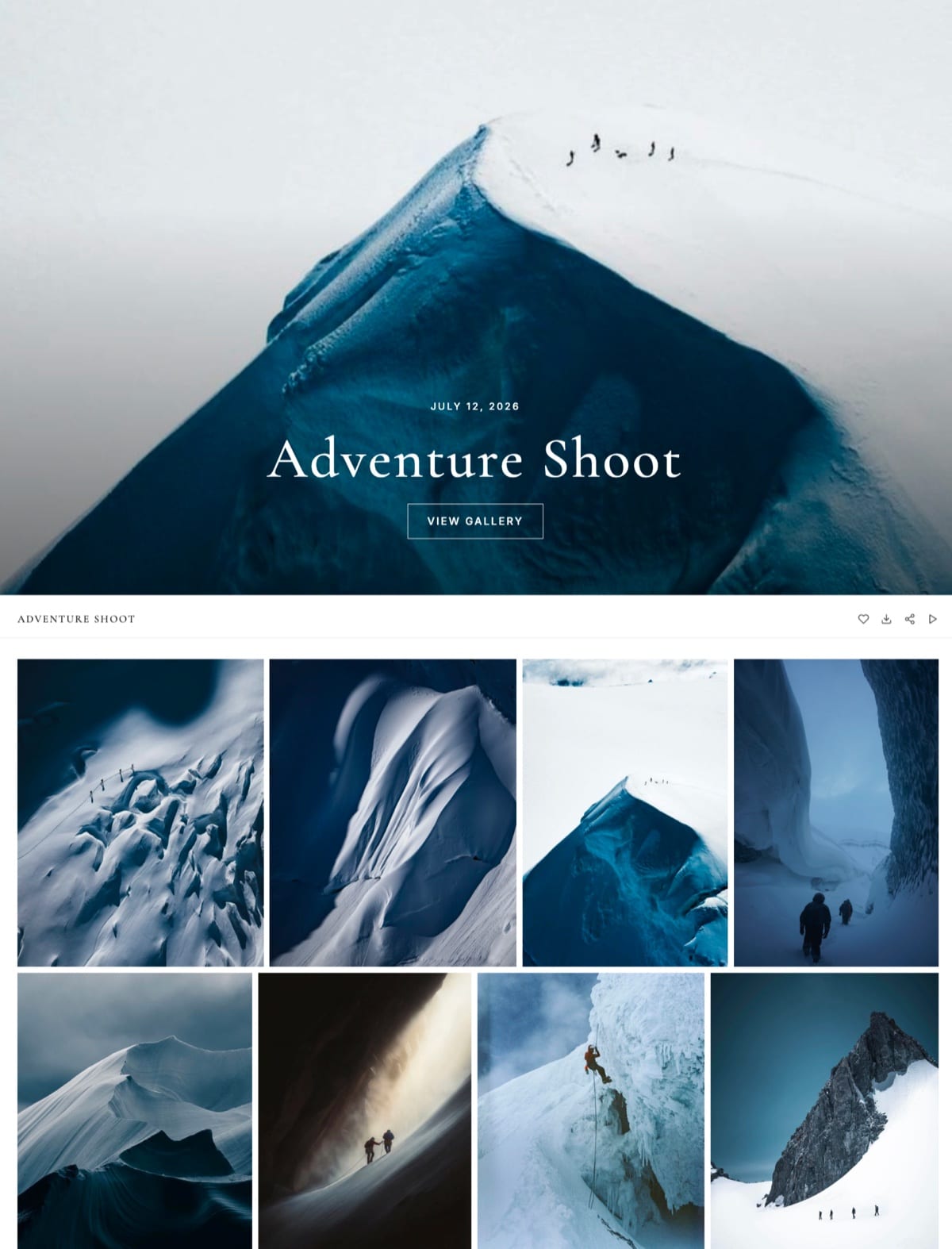
In one linePic-Time's beauty lives in a store you set up; a generated site puts the beauty in the delivery itself, which is why an AI builder can feel as polished as Pic-Time without the same setup.
There are two ways to make client delivery look expensive. Pic-Time's way is a deep, configurable store with themes, campaigns, and product catalogs that reward the time you put in.
The other way is to start from a professionally designed site and simply deliver galleries inside it, so the polish is already there before you touch a setting.
For photographers who want the second, an AI website builder like Framekit closes most of the visual gap while removing the configuration - and the galleries live on your own domain instead of a platform's, which our best client gallery platforms guide argues is the difference that compounds.
If a strong public site is part of what you want, our best website builders for photographers roundup goes deeper.
How to Choose a Pic-Time Alternative: A Decision Tree
Run through these in order, and the first yes that fits is your pick, because the opening questions are about where your income comes from rather than which feature list you prefer.
Are Pic-Time's automated print sales actually making you money each month?
- Yes, the store earns more than the plan costs. Then do not leave for a simpler tool. Stay on Pic-Time, or move to Pixieset for a lighter store that still sells through labs.
- No, I barely use the automation, or I just want to deliver. Go to the next question.
Do you want galleries and a real website on one site you own?
- Yes. Choose Framekit - polished, generated design with galleries inside it, no store to configure, no delivery commission.
- No, I only want a simpler gallery that still looks modern. Choose CloudSpot.
Optimizing for something specific?
- Cheapest all-in-one with a site: Pixpa.
- Zero commission and simple selling: ShootProof.
- Unlimited storage: SmugMug.
- The simplest possible delivery, free: PicDrop.
Frequently Asked Questions
What is the best Pic-Time alternative in 2026?
The best Pic-Time alternative in 2026 is Framekit, because it delivers Pic-Time-style polish from an AI-designed website you own without any store to configure, and it charges no commission on delivery.
The trade-off is that Framekit has no print store or sales automation at all, so if Pic-Time's automated print campaigns earn you money, Pixieset is the better swap.
Which Pic-Time alternative is easiest to set up?
For pure delivery, PicDrop and WeTransfer are the fastest, with almost nothing to configure.
For a polished site plus galleries, Framekit is the easiest of the design-led options because you describe your studio and it generates the site, with no store to wire up.
Pic-Time itself is powerful but among the most involved to set up, because its automation is what you are configuring - so most alternatives feel simpler by comparison.
Does any alternative match Pic-Time's automation?
Not really, and that is the honest catch. Pic-Time's automated store - timed sales, reminders, gift campaigns - is the most advanced in client galleries, and no tool here replicates it fully.
Pixieset and CloudSpot offer simpler stores that sell through labs without the campaign engine, and ShootProof sells at 0% commission but plainly. If automation is why you are on Pic-Time, leaving means giving it up.
Why do photographers leave Pic-Time?
Photographers leave Pic-Time for two reasons, and fees are not one of them - its commission on the upper plans is among the best.
They leave because the plans with the best terms are premium-priced, with 0% self-collected commission starting on Professional at $21 a month billed yearly while Beginner at $7 still takes 15%, and because the store automation that makes it special has a real learning curve.
Photographers who mostly want to deliver galleries, not run print campaigns, often find they are paying for power they never switch on.
Pic-Time vs Pixieset: which is better?
Pic-Time is better for photographers who lean into print sales and want the most designed galleries and the strongest automation.
Pixieset is better for those who want a polished all-in-one with far less to learn and 0% commission from its $8 Basic plan, where Pic-Time keeps 15% on Beginner and reaches 0% only on self-collected sales from Professional.
Choose Pic-Time for maximum selling power; choose Pixieset for a calmer, simpler store.
Is Pic-Time worth the price?
Pic-Time is worth it if its automation clears its cost - if the timed campaigns and reminders sell enough prints each month to more than cover the plan, $21 to $42 a month billed yearly on the Professional and Advanced tiers where its commission falls, it pays for itself and then some.
It is not worth it if you never set up or use that automation, in which case you are paying a premium for galleries you could deliver more cheaply and simply elsewhere. Check your store revenue against the plan cost to decide.
Which Pic-Time alternative has the best-looking galleries?
Pic-Time still sets the bar for gallery design, so no alternative clearly beats it on looks.
Among the alternatives, CloudSpot and Pixieset come closest with modern, brand-forward galleries, and Framekit matches the polish through its AI-generated site design rather than gallery themes.
The dedicated delivery tools and DIY options trade looks for simplicity, so if design is your priority, weigh CloudSpot, Pixieset, or Framekit.
Can I sell prints without Pic-Time's automation?
Yes. Pixieset, ShootProof, CloudSpot, Zenfolio, and SmugMug all sell prints through labs without Pic-Time's campaign automation - you set products and prices, and clients order in the gallery.
You lose the automatic sale campaigns and reminders that drive extra orders on Pic-Time, but the core print-selling still works. Framekit is the exception here: it does not sell prints at all, only digital files.
Pic-Time vs Framekit: which should I choose?
Choose Pic-Time if selling prints, especially through automated campaigns, is central to your income - it is built for that and Framekit is not.
Choose Framekit if you want polished galleries delivered from a website you own with no store to configure, and your income is bookings and digital work rather than print sales.
Pic-Time is the print-sales automation pick; Framekit is the simple, own-your-brand pick.
What is the cheapest Pic-Time alternative?
Pixpa is the cheapest all-in-one at about $4.80 a month, bundling a site, galleries, and a store. PicDrop and WeTransfer have free tiers for delivery, and Framekit has a free plan with unlimited galleries and no commission.
Pic-Time's own entry paid plan, Beginner, is $7 a month billed yearly, so the saving comes from the free tiers or from avoiding Beginner's 15% commission - just confirm the cheaper tool still does the selling you need, since simplicity often means fewer sales tools.
Do I lose my galleries if I switch from Pic-Time?
Your original files are safe as long as you download them before closing the account, but your Pic-Time delivery links stop working when you cancel or downgrade, so live client galleries go dead.
Keep Pic-Time active until pending clients have downloaded, then deliver new work from the replacement. With Framekit, galleries stay published on your own domain until you unpublish them, so nothing expires on someone else's schedule.
Which alternative is best if I just want to deliver galleries?
If delivering is all you want, the simplest picks are PicDrop for a free, no-store handoff, or Framekit if you also want the galleries to live inside a polished website you own.
Both skip the print-store setup that makes Pic-Time feel heavy. Choose PicDrop for the leanest possible delivery, and Framekit when you want the delivery to build your brand and sit alongside your portfolio.
Final Verdict: The Best Pic-Time Alternative
Pic-Time is the most polished and most automated gallery-and-store there is, and for photographers who invest in its selling machinery it earns its premium. Most people who leave do so for the same two reasons: the price and the learning curve.
Framekit is the best Pic-Time alternative for photographers who loved the polish but not the setup, and who want to deliver galleries more than run a print store.
You describe your site, it is generated, and you deliver galleries from your own domain with no store to configure and no commission on delivery.
Where Framekit loses: if Pic-Time's automated print campaigns are a live revenue stream, do not trade them for simplicity. Stay on Pic-Time, or move to Pixieset for a lighter store that still sells through labs. Framekit has no print store or automation, and we say so plainly.
CloudSpot is the closest modern-but-simpler experience, Pixieset is the best polished all-rounder, and PicDrop is the leanest delivery.
But if you want polished galleries without a control panel - and a website you own around them - deliver from a site that is designed for you, not configured by you.
For more, read our best client gallery platforms comparison, our best Pixieset alternatives and best ShootProof alternatives, and the best website builders for photographers.
_All fees and plans re-checked against each platform's own pricing pages in July 2026._