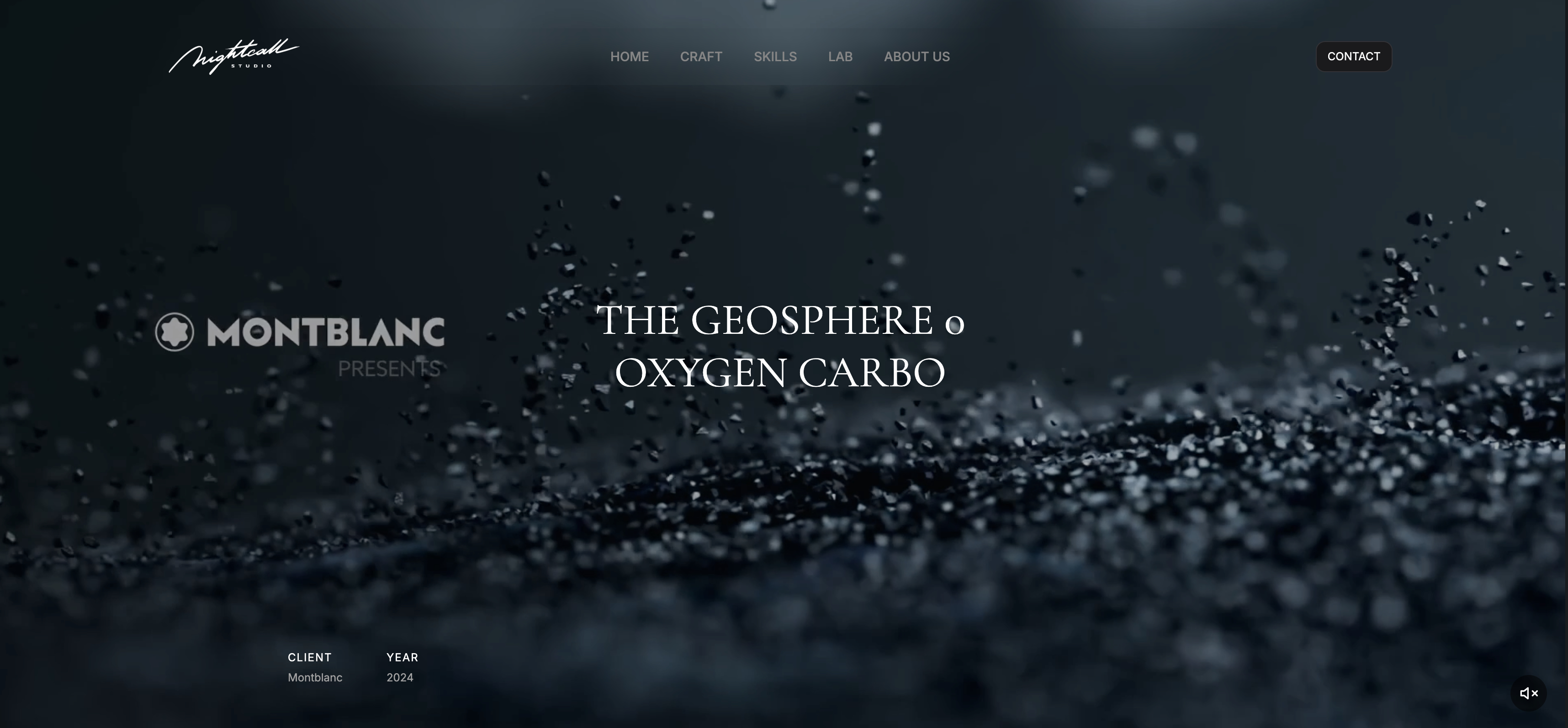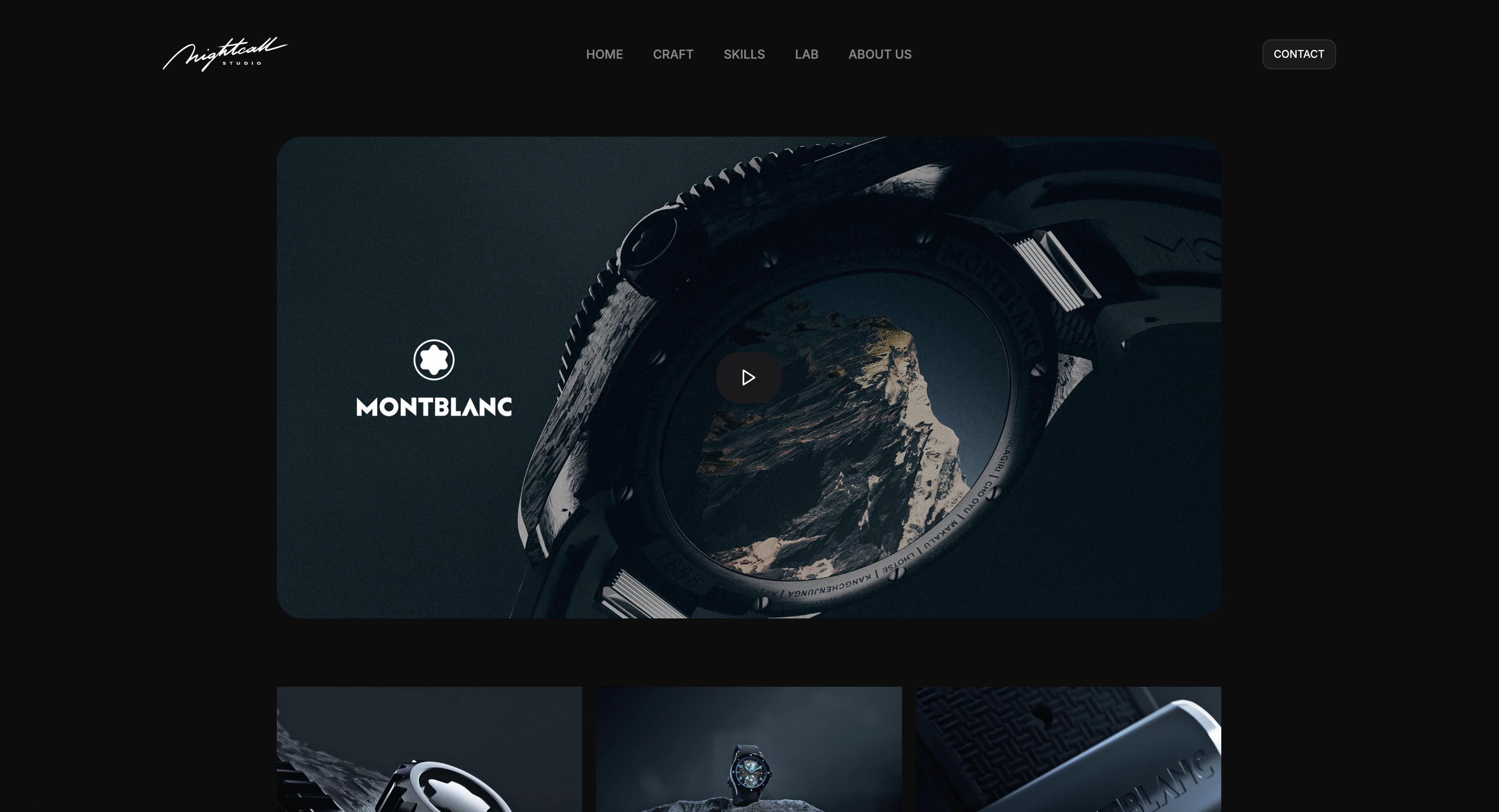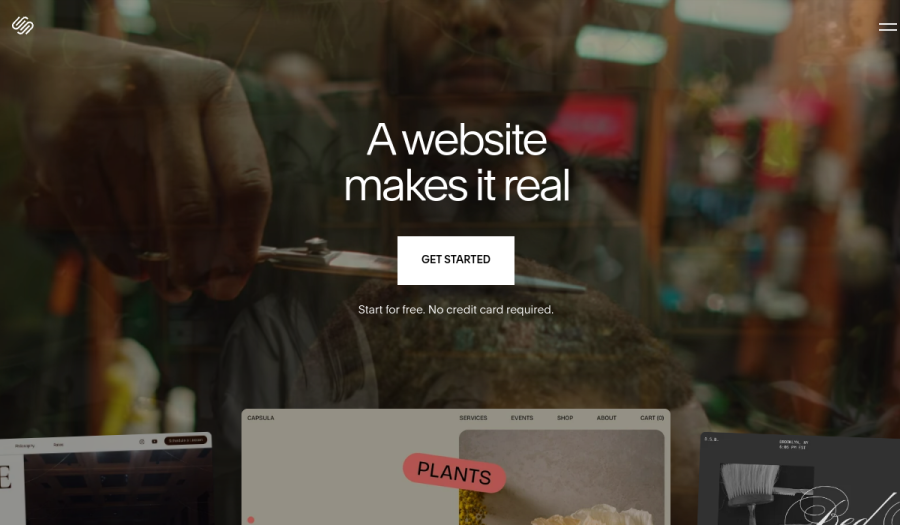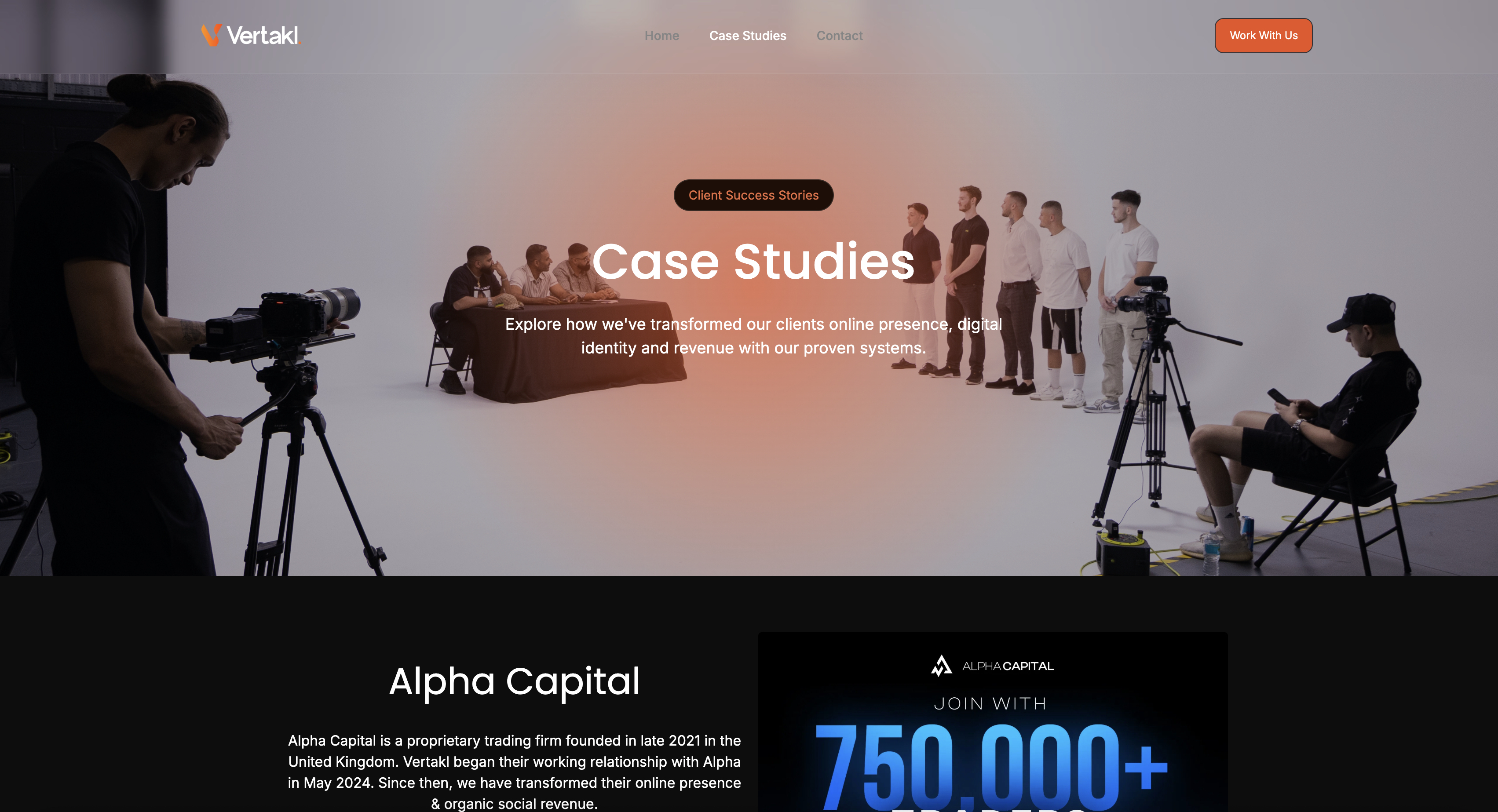
Framekit templates
Start from a designer-made template
 Use template
 Use template
 Use template
 Use template
 Use template
 Use template
 Use template
 Use template
You pick a free website builder, spend a Saturday on it, and publish.
Then you send the link to a prospective client and see it the way they do: a banner across the top advertising the builder, a URL with somebody else's brand in the middle of it, and a footer offering your visitor a discount on their own website.
The site was free. The impression it made was not.
Free means at least five different things across the platforms below, and the differences matter more than any feature list.
Some are ad-supported, some cap how many sites you can publish, some let you build but not connect a domain, and a few are genuinely free in the way you assumed all of them were.
A free website builder is a platform that lets you design and publish a live website at no cost, usually on the platform's own subdomain, with paid tiers that add a custom domain, remove branding, and lift storage or feature limits.
The best free website builder in 2026 is Framekit, because its free plan publishes a real multi-page site with no ads on it, a store, and client galleries, rather than a demo you have to upgrade to use.
The honest catch: your address is a framekit.ai subdomain with a small badge until you move to the $9-a-month Starter plan.
Carrd is the best free option for a single page, Google Sites is the only one here that connects a custom domain at $0, and Framer's free tier is the strongest for designers.
Avoid Wix and WordPress.com free if anyone is judging you, because both place their own ads on your pages.
Framekit is an AI website builder that generates the site from a prompt, and the free plan needs no credit card.
Full disclosure: Framekit, ranked #1 below, is our own product, and our free plan has a limitation we state rather than bury: it puts a framekit.ai subdomain and a small badge on your site. We built the same five-page portfolio on all thirteen platforms, verified every limit against the vendor's own documentation in July 2026, and linked to all of them. Where they beat us: Google Sites connects a custom domain for free and we do not, Carrd is simpler for one page, GitHub Pages and Cloudflare Pages give you total control at $0 if you write code, and WordPress.com has an ecosystem we cannot match.
How We Compared These Free Website Builders
The question people actually ask is not which free builder has the most features, it is which free plan you can put in front of a client without apologising. We scored thirteen on five criteria.
What the free plan actually publishes, weighted 30%. A live, complete site, or a limited preview with an upgrade wall. This carries the most weight because it is the difference between free and free trial.
Branding and ads, weighted 25%. Does the platform put its own advertising on your pages, its logo, or nothing?
Limits that bite, weighted 20%. Page counts, site counts, storage, and bandwidth caps that stop you before you finish.
Path to professional, weighted 15%. What it costs on the day you need a custom domain and no branding, which is the number nobody compares.
Design quality, weighted 10%. Whether the finished free site looks like a business or like a template someone abandoned.
The carried example is a five-page freelance portfolio: home, work, about, services, and contact, with around forty images. We reference it throughout so the limits stay concrete.
Three kinds of finding, kept separate. What we handled hands-on: building the five-page portfolio on each platform and judging the published result.
What we verified from primary sources rather than testing: every plan limit, ad policy, and upgrade price, checked against the vendor's own help documentation or pricing page in July 2026 and linked inline.
What we note as changeable rather than fixed: free-tier limits, which vendors adjust more often than paid pricing and usually downward.
What Comparing 13 Free Website Builders Showed
The figures underneath the ranking, verified against each vendor's own documentation in July 2026.
- 2 of 13 place the platform's own advertising on your published pages: Wix and WordPress.com.
- WordPress.com's free storage dropped from 3GB to 1GB, and Wix's free plan gives 500MB with a wixsite.com subdomain.
- Only 1 of 13 connects a custom domain on a genuinely free plan without writing code: Google Sites.
- Canva's free plan publishes five sites on a my.canva.site address, and a custom domain requires Canva Pro at $119.99 a year.
- Notion Sites charges a custom-domain add-on of $10 a month, or $8 on annual billing, on top of a paid plan, so a Notion site on your own domain costs at least $96 a year before the plan itself.
- The cheapest route from a free plan to a client-ready site with your own domain and no branding is Framekit Starter at $108 a year, against Wix at about $204 and Canva Pro at $119.99.
For a pick matched to what you are building, jump to the decision tree. First, the field.
The 13 Best Free Website Builders in 2026: Full Comparison
How to read the scores: each platform is measured against the five weights above, and what the free plan actually publishes carries the most because half of this category sells a trial and calls it free.
Our own score is not perfect and the reason is in the free plan itself. Framekit takes 10 on what the free plan publishes and 7 on branding, because we put a badge on free sites while Google Sites and the static hosts put nothing at all.
Google Sites takes 10 on branding and 4 on design quality. That trade runs through the whole table.
| Builder | Free plan publishes | Ads on your site | Custom domain free | Cost to go pro | Our Rating |
|---|---|---|---|---|---|
| Framekit | A full multi-page site with a store | No | No, $9 a month | $108 a year | 9.3/10 |
| Carrd | One page, up to three sites | No | No | $19 a year | 8.7/10 |
| Framer | A multi-page site | No | No | About $120 a year | 8.5/10 |
| Google Sites | A multi-page site | No | Yes | $0 | 8.2/10 |
| GitHub Pages | Anything you can build | No | Yes | $0 plus a domain | 8.0/10 |
| Cloudflare Pages | Anything you can build | No | Yes | $0 plus a domain | 7.9/10 |
| Canva Websites | Up to five sites | No | No, needs Pro | $119.99 a year | 7.6/10 |
| Webflow | Two pages of a real build | No | No | $168 a year | 7.4/10 |
| Notion Sites | A site from your workspace | No | No, add-on required | $96 a year plus a plan | 7.1/10 |
| Weebly | A basic site | Yes | No | Varies | 6.5/10 |
| Wix | A full site | Yes, on every page | No | About $204 a year | 6.3/10 |
| WordPress.com | A blog or basic site | Yes | No | Varies by plan | 6.2/10 |
| Strikingly | A one-page site | Light | No | Varies | 5.9/10 |
All limits and prices verified against each vendor's published documentation in July 2026. Free-tier limits change more often than paid pricing, so confirm before committing a weekend.
What each free plan costs the day you need it to look professional
This is the comparison that decides the category, and almost nobody publishes it. Free is a starting price; this is the finishing price.
| Builder | To remove branding and add your own domain | Cost per year |
|---|---|---|
| Framekit | Starter plan | $108 |
| Carrd | Pro Standard | $19 |
| Google Sites | Nothing, it is already free | $0, plus $10 to $15 for the domain |
| GitHub Pages and Cloudflare Pages | Nothing, but you write the site | $0, plus $10 to $15 for the domain |
| Canva Websites | Canva Pro | $119.99 |
| Framer | Entry paid tier | About $120 |
| Notion Sites | A paid plan plus the domain add-on | $96 for the add-on alone |
| Webflow | Basic site plan | $168 |
| Wix | A plan that removes ads and adds a domain | About $204 |
Domain registration of roughly $10 to $15 a year applies on top wherever you bring your own domain.
The test to run before you commit a weekend. Publish one page on the free plan and open it on your phone in a private window. If you would not send that URL to a client, the free plan is a trial and you should price the paid tier now rather than after you have built forty pages on it.
1. Framekit: Best free plan overall
Our rating: 9.3/10
Framekit is an AI website builder whose free plan is a genuinely publishable website rather than a preview.
You describe your work in a prompt, it generates a multi-page site with a considered type scale and real spacing, and you publish it. No ads, no page cap you hit on the third page, and no countdown.
Building the five-page portfolio took about eleven minutes to something we would have sent to a client if the URL had been ours.
The free plan also carries two things that usually sit behind paid tiers everywhere else: a store for digital products, and client galleries for private delivery. That combination is unusual enough to be the reason to pick it.
Best forFreelancers and creatives who want a real, complete site online today without a subscription decision.
Key features:
- A full multi-page site generated from a prompt, published free
- No advertising of any kind on your pages
- A store for digital products on the free plan, at a 5% fee
- Client galleries for private delivery, included free
- Generated by Cadence, Framekit's own premium model, with Score for faster iterations
The real numberthe free plan costs $0 and publishes at a framekit.ai subdomain with a small badge.
Removing both and adding your own domain is the $9-a-month Starter plan, or $108 a year, which is the cheapest route to a client-ready multi-page site in this comparison other than Carrd's single page at $19 and the code-based hosts at $0.
PricingFree $0, Starter $9 a month, Pro $19 a month, Business $39 a month, Enterprise $59 a month.
Pros:
- The free plan publishes a complete site rather than a limited preview
- No ads, and a store and client galleries included at $0
- The cheapest upgrade path to a custom domain among the full builders
Cons:
- A framekit.ai subdomain and a small badge until you upgrade
- No free custom domain, which Google Sites and the static hosts do offer
- Newer than the established builders, with a smaller template library
Skip it ifyou need a custom domain at $0. That is a legitimate requirement and Google Sites, GitHub Pages, and Cloudflare Pages all meet it while we do not.
Verdict: Framekit has the strongest free plan here for anyone who wants a real site rather than a demo, and the badge is the honest price of that. Start free at framekit.ai, or see the wider field in our best AI website builders for creatives comparison.
2. Carrd: Best free single page
Our rating: 8.7/10
Carrd does one thing with total conviction and does it free: it puts a good-looking single page online in about twenty minutes. For a link hub, a launch page, a personal profile, or a holding page, everything else in this comparison is enormous overkill.
The free plan allows up to three sites, which is more generous than it sounds, and the paid tier is the cheapest upgrade of anything here by a wide margin.
Best forA single page: a link hub, a launch page, a profile, or a coming-soon holder.
The real numberCarrd's free plan publishes up to three sites at $0 on a carrd.co subdomain, and Pro Standard is $19 a year, billed annually, which is 18% of Framekit Starter's $108 and 9% of what a Wix plan costs. If one page genuinely covers your needs, nothing here comes close on price.
Pricingfree for up to three sites, Pro Standard $19 a year, Pro Plus $49 a year.
Pros:
- The cheapest paid upgrade in this comparison at $19 a year
- Three free sites rather than one
- Fast, clean, and hard to make ugly
Cons:
- One page, and it is designed to stay one page
- No CMS, no store, and no blog
- The design ceiling is deliberately low
Skip it ifyou need more than one page or expect to grow into a real site.
Verdict: Carrd is the correct free tool for a single page and the wrong one for anything with a second, which is a compliment rather than a criticism. Visit Carrd
3. Framer: Best free tier for designers
Our rating: 8.5/10
Framer's free tier publishes a real multi-page site with its full editor available, which puts it well ahead of the free plans that gate the tools rather than the output.
Its canvas works like a design tool, so a designer is productive in an hour, and the motion and scroll controls are the best in this comparison.
The catch is the same one Framer always has: it hands you a professional canvas and assumes you know what to do with it.
Best forDesigners who want the strongest free design ceiling and already think in Figma.
The real numberFramer's free tier publishes on a framer.website subdomain with a permanent Made in Framer badge, and the entry Basic tier that adds a custom domain is $10 a month on annual billing, per Framer pricing, or roughly $120 a year.
That is close to Framekit Starter, and the tiers climb faster above the entry point as pages and CMS records grow.
Pricingfree tier available; paid from about $10 a month.
Pros:
- A full multi-page site on the free tier with the real editor
- The best motion and interaction tooling here
- Immediately familiar to any Figma user
Cons:
- Assumes design judgment rather than supplying it
- Tiers climb quickly with pages and CMS records
- Framer branding on the free tier
Skip it ifyou are not a designer. The freedom becomes a liability quickly.
Verdict: Framer has the highest free design ceiling in this comparison for people equipped to reach it, and produces the most disappointing results for people who are not. Visit Framer
4. Google Sites: The only free custom domain
Our rating: 8.2/10
Google Sites is the plainest tool here and it has one advantage nothing else in the mainstream category offers: it will connect your own domain on a genuinely free plan, with no advertising and no upgrade.
For an internal team page, a documentation site, a school or club site, or a simple professional page where design is not the point, that is a compelling and underused fact.
What you give up is design. Google Sites looks like Google Sites, and no amount of configuration changes that.
Best forSimple informational sites where a custom domain matters and design does not.
The real numberGoogle Sites is free, carries no advertising, and supports mapping a custom domain you own at no additional cost, which makes it the only mainstream builder here where a professional URL costs $0 plus the roughly $10 to $15 a year you pay a registrar.
Every other full builder charges between $19 and $204 a year for that same outcome.
Pricingfree; custom domain mapping supported at no extra cost.
Pros:
- A custom domain on a free plan, which nothing else here offers
- No advertising at all
- Genuinely simple, with nothing to learn
Cons:
- Very limited design control, and it looks it
- No store, no blog engine, and minimal SEO control
- Wrong tool if the site is a portfolio meant to impress
Skip it ifthe site represents your creative work. It will undersell it.
Verdict: Google Sites wins the single fact that matters most in this comparison and loses almost everything else, which makes it perfect for a narrow set of jobs and wrong for the rest. Visit Google Sites
5. GitHub Pages: Free hosting for anything you build
Our rating: 8.0/10
GitHub Pages hosts a static site straight from a repository, free, with a custom domain and HTTPS included. If you can write HTML or run a static site generator, it is the cheapest professional hosting that exists and there is no upgrade path because there is nothing to upgrade.
It is not a website builder. There is no editor, no templates, and no way for a non-technical person to change a headline, and pretending otherwise is how people end up stuck.
Best forDevelopers and technical designers who write their own sites and want free hosting with their own domain.
The real numberGitHub Pages costs $0 including custom domain support and HTTPS, so the total annual cost of a professional site is the $10 to $15 you pay a registrar.
Against Wix at about $204 a year for the same outcome, that is the largest price gap in this comparison, and the difference is paid entirely in your own time.
Pricingfree, including custom domains and HTTPS.
Pros:
- Free hosting with a custom domain and HTTPS
- Total control over the output
- No plan to outgrow and nothing to upgrade
Cons:
- No editor, so every change is a code change
- Static only, with no CMS or store
- Useless to anyone who does not write code
Skip it ifyou cannot edit HTML. There is no path around it here. See our guide on whether to code your portfolio or use a builder.
Verdict: GitHub Pages is the cheapest professional site on this page and the one that asks the most of you, which is a fair and unusually honest trade. Visit GitHub Pages
6. Cloudflare Pages: Free hosting with a build step
Our rating: 7.9/10
Cloudflare Pages does what GitHub Pages does and adds a build pipeline, so a site written with a modern framework deploys on every push, with a global edge network and a custom domain included at no cost.
For a developer building anything more structured than flat HTML, it is the better of the two.
The same caveat applies with equal force: this is hosting, not a builder.
Best forDevelopers deploying framework-built sites who want free hosting, a build step, and their own domain.
The real numberCloudflare Pages is free for personal and small project use including custom domains and HTTPS, so like GitHub Pages the total annual cost is your domain registration of about $10 to $15.
Its advantage over GitHub Pages is the build pipeline, which matters if your site is generated rather than hand-written.
Pricingfree tier including custom domains and HTTPS.
Pros:
- Free hosting with a build pipeline and a global edge network
- Custom domains and HTTPS included
- Handles framework-generated sites cleanly
Cons:
- No editor and no templates
- Requires understanding builds and deployments
- Free tier limits apply to build minutes and requests
Skip it ifyou do not write code, or a static host's build configuration sounds like a chore rather than a Tuesday.
Verdict: Cloudflare Pages is the better free static host for framework sites and equally irrelevant to anyone who wanted a builder. Visit Cloudflare Pages
7. Canva Websites: Best if you already design in Canva
Our rating: 7.6/10
Canva Websites turns a Canva design into a published page, which for the very large number of people who already design everything in Canva removes an entire learning step.
The output is a visual design rather than a structured website, and for a simple portfolio or a one-page business site that distinction rarely matters.
Where it matters is search and structure: a design published as a website is not the same thing as a site built for it.
Best forPeople already designing in Canva who want their design online without learning another tool.
The real numberCanva's free plan publishes up to five websites on a my.canva.site address, and connecting a custom domain requires Canva Pro at $119.99 a year, per Canva's help documentation.
That puts the professional version above Framekit Starter's $108 and well above Carrd's $19, though Pro also covers everything else Canva does, which changes the comparison if you were paying for it anyway.
Pricingfree plan with five sites on a Canva subdomain; custom domain requires Canva Pro at $119.99 a year.
Pros:
- Zero learning curve if you already use Canva
- Five free sites, more than most free plans allow
- Design output is genuinely attractive
Cons:
- A published design rather than a structured website
- Custom domain requires the full Pro subscription
- Limited SEO structure and no real CMS
Skip it ifyou need the site to rank or to grow. This is a design tool that publishes.
Verdict: Canva Websites is excellent for a page that needs to look good and modest for a site that needs to work, and the free tier is genuinely generous on site count. Visit Canva
8. Webflow: A free tier for building, not for launching
Our rating: 7.4/10
Webflow's free tier is a real version of the full tool with a hard practical limit: you can build and publish to a webflow.io subdomain with a two-page cap on the free site plan, which makes it excellent for learning and unsuitable for launching anything real.
That is a legitimate design decision rather than a trick, and it means the free tier should be understood as a workspace rather than as a free website.
Best forLearning Webflow, prototyping, and client demos before a paid plan.
The real numberWebflow's free tier publishes to a webflow.io subdomain with a two-page limit, and a real site needs the Basic plan at $15 a month on annual billing, per Webflow pricing, which is $168 a year.
Against Framekit Starter at $108 and Carrd at $19, the free tier is best treated as an evaluation rather than a destination.
Pricingfree tier with a two-page limit on a webflow.io subdomain; Basic $14 a month on annual billing.
Pros:
- The full editor is available on the free tier
- Excellent for learning and prototyping
- The highest design ceiling of any builder here
Cons:
- A two-page cap makes the free tier unusable for a real site
- Steep learning curve
- The plan you need is one of the more expensive here
Skip it ifyou want a free site rather than free practice. See our best Webflow alternatives comparison if the learning curve is the issue.
Verdict: Webflow's free tier is a generous sandbox and not a free website, and confusing the two costs people a weekend. Visit Webflow
9. Notion Sites: Free if you accept the address
Our rating: 7.1/10
Notion Sites publishes a Notion page as a website, which is genuinely useful if your content already lives in Notion: documentation, a wiki, a resource hub, a simple personal page. Editing is editing a Notion page, which is the lowest-friction content workflow in this comparison.
The pricing structure is where it gets awkward, and it is worth spelling out because it is easy to miss.
Best forPeople whose content already lives in Notion and who want it public without rebuilding it.
The real numberNotion's free plan publishes to a notion.site address and does not support custom domains at all.
Connecting one requires a paid workspace plan plus a custom-domain add-on charged at $10 a month, or $8 a month on annual billing, per Notion's help documentation.
That means at least $96 a year for the domain alone, before the plan, which makes a professional Notion site one of the more expensive outcomes in this comparison rather than one of the cheaper ones.
Pricingfree on a notion.site address; custom domain add-on $10 a month, or $8 on annual billing, on top of a paid plan.
Pros:
- Editing is just editing a Notion page
- Ideal for documentation, wikis, and resource hubs
- Free tier publishes immediately with no build step
Cons:
- The custom-domain add-on costs $96 a year on top of a plan
- Design control is minimal and it looks like Notion
- Weak SEO structure compared with a real builder
Skip it ifthe site is a portfolio or a business front. It will read as a document, because it is one.
Verdict: Notion Sites is excellent for content that already lives in Notion and quietly one of the most expensive ways here to get a custom domain. Visit Notion
10. Weebly: A dated free plan with ads
Our rating: 6.5/10
Weebly was one of the original free website builders and it still works, which is the most enthusiastic thing this comparison can honestly say about it. The editor is simple, the templates are dated, and the free plan carries platform advertising.
Since its acquisition by Square, its development has clearly prioritised commerce over the free site-building product, and it shows.
Best forVery simple sites where nothing about the presentation matters.
The real numberWeebly's free plan publishes on a weebly.com subdomain with platform advertising on your pages, which places it in the same category as Wix and WordPress.com free: usable for a personal project and unsuitable for anything client-facing.
The advertising is the deciding factor, not the templates.
Pricingfree plan with ads and a Weebly subdomain; paid plans vary.
Pros:
- Simple and stable, with a genuinely easy editor
- Long-established with no surprises
- Commerce tools through Square
Cons:
- Ads on the free plan
- Templates look their age
- Development attention has clearly moved elsewhere
Skip it ifanyone you care about will see the site.
Verdict: Weebly still works and no longer competes, which makes it hard to recommend over anything else on this page. Visit Weebly
11. Wix: The biggest free plan, with ads on every page
Our rating: 6.3/10
Wix's free plan gives you the whole editor, hundreds of templates, and the largest app ecosystem in the category, which is genuinely a lot to get for nothing.
It also puts Wix advertising on every page of your site, gives you a wixsite.com address with your site name appended, and caps storage at 500MB.
For a hobby project that is a fine trade. For anything a client sees, the ads decide it.
Best forHobby projects and learning, where the ads do not matter.
The real numberWix's free plan carries Wix ads on every page, a wixsite.com subdomain, and 500MB of storage with 1GB of bandwidth.
Removing the ads and connecting a domain means a paid plan starting around $17 a month, roughly $204 a year, which is the most expensive path to a professional site in this comparison and nearly double Framekit Starter's $108.
Pricingfree with ads and a Wix subdomain; paid plans from about $17 a month.
Pros:
- The most complete free editor and template library here
- A large app market for extra functionality
- No page limit on the free plan
Cons:
- Wix advertising on every page of your free site
- 500MB storage, which forty portfolio images will strain
- The most expensive upgrade path in this comparison
Skip it ifthe site is client-facing. See our best Wix alternatives comparison for the field.
Verdict: Wix has the most generous free plan by feature count and the least usable one by impression, and the ads are the whole story. Visit Wix
12. WordPress.com: Free with ads and a shrinking allowance

Our rating: 6.2/10
WordPress.com's free plan puts you inside the largest content ecosystem on the web with none of the maintenance of self-hosting, which is real value for a blog.
It also shows WordPress.com advertising on your pages, gives you a wordpress.com subdomain, blocks plugin installation, and has reduced its free storage from 3GB to 1GB.
Worth separating clearly from self-hosted WordPress, which is a different product with different economics and no free hosting attached.
Best forBlogging and writing where the domain and the ads do not matter yet.
The real numberthe free plan carries advertising, a wordpress.com subdomain, and 1GB of storage, down from 3GB, with no plugin installation and no monetisation.
For the carried five-page portfolio with forty images, 1GB is workable but not comfortable, and removing the ads and adding a domain requires a paid plan.
Pricingfree with ads and a WordPress.com subdomain; paid plans vary by tier.
Pros:
- Excellent for writing, with the strongest blogging heritage
- No hosting maintenance, unlike self-hosted WordPress
- A vast theme and knowledge ecosystem
Cons:
- Ads on your free site
- Storage cut from 3GB to 1GB, with no plugins on free
- Confusingly distinct from self-hosted WordPress
Skip it ifthe site is a portfolio rather than a blog. It is built for words.
Verdict: WordPress.com free is a good place to write and a poor place to be judged, and the ads and the plugin lock are why. Visit WordPress.com
13. Strikingly: A one-page free plan with limits
Our rating: 5.9/10
Strikingly builds simple one-page scrolling sites quickly and has a free tier that publishes on its own subdomain with platform branding. It is competent and unremarkable, and it exists in this comparison mainly because Carrd does the same job better and cheaper.
Best forA simple one-page scrolling site if you have specifically chosen it.
The real numberStrikingly's free plan publishes a one-page site on a strikingly.com subdomain with platform branding and bandwidth limits, which is the same shape of offer as Carrd at a higher upgrade price. Carrd's $19-a-year Pro Standard is the direct comparison to run before choosing it.
Pricingfree plan with branding and a Strikingly subdomain; paid plans vary.
Pros:
- Quick one-page sites with minimal setup
- A usable free tier
- Simple commerce on paid plans
Cons:
- Carrd does the same job for less
- Platform branding on free
- Limited design range
Skip it ifyou have not already committed to it. Carrd is the better version of this.
Verdict: Strikingly is a reasonable tool with a better-priced competitor doing the same job, which is a hard position to recommend from. Visit Strikingly
What Free Actually Costs
In one linefree costs you either advertising on your own pages, a URL with someone else's brand in it, a cap you hit at page three, or a $96 to $204 upgrade the day a client asks for your website address.
Every free plan in this comparison is a business model, and knowing which one you are inside changes what you should build on it.
Ad-supported free. Wix, WordPress.com, and Weebly place their own advertising on your pages. The cost is not money, it is that your site advertises somebody else to your visitor, which is a strange thing to do on a page whose job is to advertise you.
Subdomain free. Framekit, Carrd, Framer, Canva, and Notion give you a clean site at their address. No ads, but the URL says who built it. This is the mildest version and the most common.
Capped free. Webflow's two-page limit, Canva's five sites, Carrd's three. These are honest and easy to plan around, provided you check the cap before you build rather than after.
Genuinely free. Google Sites, GitHub Pages, and Cloudflare Pages will host a site on your own domain at $0 forever. Two of the three require you to write it yourself, and the one that does not looks like a Google product.
The upgrade price is the real comparison. Almost everyone eventually wants their own domain and no branding.
That day costs $19 on Carrd, $108 on Framekit, about $120 on Framer and Canva, $168 on Webflow, and about $204 on Wix, plus $96 a year for Notion's domain add-on on top of a plan. Compare that number, not the $0.
Run it on yourself: write down the date you will need to give someone your web address professionally. If that date is inside six months, compare upgrade prices today, because the platform you build forty pages on is the one you will pay.
The Limits That Stop You: Storage, Pages, and Bandwidth
In one linethe caps that actually end free plans are storage on image-heavy sites and page counts on real ones, and both are usually discovered halfway through building.
Storage. Wix free gives 500MB and WordPress.com gives 1GB, down from 3GB.
Our carried five-page portfolio with forty images at 2MB to 4MB each runs 80MB to 160MB before you add anything else, so those caps are workable but not roomy.
A photographer uploading full-resolution work will hit them quickly, and compressing images to fit a free plan is a bad reason to degrade your own work.
Page counts. Webflow's free site plan caps at two pages, which is the single hardest limit here. Carrd and Strikingly are one page by design. Everything else in this comparison lets you build a normal site.
Bandwidth. Rarely the binding constraint at portfolio scale, but worth knowing: Wix's free plan includes 1GB, which a site that gets shared widely can consume in a day. Static hosts are effectively unlimited for this use case.
Feature gates. Some free plans limit what the site can do rather than how big it is. WordPress.com free blocks plugin installation and monetisation. Notion free blocks custom domains entirely.
Framekit's free plan includes the store and client galleries, which is the unusual case rather than the norm.
What changes. Free tiers get reduced far more often than they get expanded, and WordPress.com's cut from 3GB to 1GB is the example to keep in mind. Never build something you cannot move on a free tier you did not pay for.
The Fine Print: Ownership, Exports, and Getting Out
In one linethe questions that matter on a free plan are whether you can take your content with you, whether your URL survives leaving, and whether the platform can change the terms under you.
Register the domain yourself. Buy it from a registrar rather than through the builder, even if the builder offers it free for a year. It costs the same afterwards, and it means the next migration is a DNS change rather than a transfer negotiation.
Check the export. Content export varies wildly. WordPress.com exports cleanly in a standard format. Most visual builders export nothing useful, so keep your written copy in a document you own rather than only in an editor.
Your URL after you leave. A subdomain address stops resolving when you stop using the platform, and every link anyone made to it breaks. This is the strongest practical argument for moving to your own domain sooner than feels necessary.
Free tiers change. Every limit in this comparison is a business decision the vendor can revise, and the direction of travel across this category has been downward. Build on a free tier expecting the terms to tighten.
Ads can appear later. A platform that does not advertise on your free site today can decide to. The ones that already do are at least honest about the arrangement.
How to Choose a Free Website Builder: A Decision Tree
Three questions in order. The first branch that matches is your answer.
Start here: will a client, employer, or customer see this site?
- Yes, someone is judging me by it. Rule out Wix, WordPress.com, Weebly, and anything else that puts its own advertising on your pages. Go to the next question.
- No, it is personal or internal. Any of these will do, and Wix's free plan is the most feature-complete if you do not mind the ads.
Do you need your own domain, and can you pay for it?
- I need a custom domain and I cannot pay: Google Sites, or GitHub Pages and Cloudflare Pages if you write code. These are the only genuinely free routes to a professional URL.
- I need a custom domain and $10 to $110 a year is acceptable: Carrd at $19 for one page, Framekit Starter at $108 for a full site, or Framer at about $120 if you are a designer.
- A subdomain is fine for now: Framekit free for a full site, Carrd free for one page, Framer free if you design.
What are you actually building?
- A portfolio or a business site: Framekit, or Framer if you are a designer.
- One page: Carrd, and nothing else.
- Documentation, a wiki, or an internal hub: Notion Sites, or Google Sites if you want a free domain.
- A blog first: WordPress.com if you can live with the ads until you upgrade.
- Something you will write yourself: GitHub Pages or Cloudflare Pages.
Frequently Asked Questions
What is the best free website builder in 2026?
The best free website builder in 2026 is Framekit, because its free plan publishes a complete multi-page site with no advertising, plus a store and client galleries that competitors put behind paid tiers.
The honest limitation is the address: free sites use a framekit.ai subdomain with a small badge until the $9-a-month Starter plan.
Carrd is the best free single-page tool at $0 for up to three sites, and Google Sites is the only mainstream builder here that connects a custom domain for free.
Which free website builders put ads on your site?
Wix, WordPress.com, and Weebly all display their own advertising on free-plan sites.
Wix places ads on every page alongside a wixsite.com subdomain and a 500MB storage cap, and WordPress.com shows ads alongside a wordpress.com subdomain and 1GB of storage, reduced from 3GB.
Framekit, Carrd, Framer, Canva, Google Sites, and the static hosts do not advertise on your pages, though most use their own subdomain until you upgrade.
Can you get a free website with a custom domain?
Yes, but only from three platforms in this comparison.
Google Sites connects a domain you own at no cost and with no advertising, and GitHub Pages and Cloudflare Pages both host a custom-domain site with HTTPS for free if you write the site yourself.
Every other builder here requires a paid plan for a custom domain, ranging from $19 a year on Carrd to about $204 on Wix, plus $96 a year for Notion's domain add-on on top of a paid workspace plan.
Is a free website builder good enough for a business?
For an internal, personal, or hobby site, yes. For a business or client-facing site, the two things that undermine it are advertising and the URL.
A page carrying another company's ads and an address like yourname.wixsite.com signals a hobby rather than a business, regardless of how good the design is.
The cheapest fix is a paid tier at $19 to $108 a year, or Google Sites if the design constraints are acceptable and the budget is genuinely zero.
What is the cheapest way to get a website with your own domain?
Google Sites, GitHub Pages, and Cloudflare Pages are all $0 plus the $10 to $15 a year a registrar charges, though two of the three require you to write the site.
Among real builders, Carrd is cheapest at $19 a year for one page, then Framekit Starter at $108 a year for a full multi-page site with no branding.
Wix is the most expensive route in this comparison at roughly $204 a year for the same outcome.
How much storage do free website builders give you?
Wix's free plan includes 500MB of storage with 1GB of bandwidth, and WordPress.com's free plan includes 1GB, reduced from 3GB.
A five-page portfolio with forty images at 2MB to 4MB each uses 80MB to 160MB, so both caps work for a modest site and strain quickly for a photographer uploading at full resolution.
Static hosts like GitHub Pages and Cloudflare Pages are effectively unconstrained for this use case.
Wix vs Framekit free plan: which is better?
Wix's free plan has more features, more templates, and a bigger app market, and it places Wix advertising on every page of your site.
Framekit's free plan has no advertising, publishes a full multi-page site, and includes a digital store and client galleries at $0, with a framekit.ai subdomain and a small badge as the trade.
For anything client-facing, the ads decide it, and the upgrade prices reinforce it: about $204 a year on Wix against $108 for Framekit Starter.
Does Canva have a free website builder?
Yes. Canva's free plan publishes up to five websites on a my.canva.site address with no advertising, which is unusually generous on site count.
Connecting your own domain requires Canva Pro at $119.99 a year, which also covers everything else Canva does, so the value depends on whether you were paying for it anyway.
The output is a published design rather than a structured website, so SEO and content structure are weaker than a real builder's.
Is Notion Sites free?
Notion Sites is free to publish on a notion.site address, and custom domains are not available on the free plan at all.
Connecting one requires a paid workspace plan plus a custom-domain add-on billed at $10 a month, or $8 a month annually, so a Notion site on your own domain costs at least $96 a year for the domain alone before the plan.
That makes a professional Notion site one of the more expensive outcomes in this comparison rather than one of the cheaper ones.
What happens when I outgrow a free website builder?
Usually a paid plan on the same platform, because migrating means rebuilding: none of these import another platform's site structure. That is the argument for choosing based on the upgrade price rather than the free tier.
If you own your domain at an independent registrar, moving is a DNS change and your links survive; if the platform holds it, or you are on a subdomain, every existing link to your site breaks when you leave.
Can I sell products on a free website builder?
On most, no. Framekit's free plan includes a store for digital products at a 5% platform fee, which is unusual for a free tier.
Wix and WordPress.com restrict commerce to paid plans, Carrd and Google Sites have no store at all, and Canva Websites is a published design rather than a shop.
If selling is part of the plan, check it on the free tier specifically rather than assuming the feature list applies to it.
Are free website builders bad for SEO?
The builder is rarely the problem; the subdomain and the content usually are.
A site on a platform subdomain builds search authority for that platform rather than for you, and free plans often restrict the metadata, redirects, and structure that real optimisation needs.
Google Sites, GitHub Pages, and Cloudflare Pages avoid the subdomain issue entirely by supporting a free custom domain, and every other route here means upgrading before search work is worth doing seriously.
Final Verdict: The Best Free Website Builder in 2026
After building the same five-page portfolio thirteen times, the finding is that free plans divide neatly into two groups: the ones selling you a trial and the ones giving you a site.
Framekit is the best free website builder in 2026 for anyone who wants a real, complete, ad-free site online today, with a store and client galleries included at $0, and the cheapest upgrade path among the full builders at $108 a year.
Where Framekit loses, plainly: we do not offer a custom domain on the free plan, and three platforms here do.
If a professional URL at genuinely zero cost is your requirement, use Google Sites, or GitHub Pages and Cloudflare Pages if you write code, and we will not pretend a badge-free subdomain competes with that.
Carrd is unbeatable for one page at $19 a year, Framer has the highest design ceiling for designers, Google Sites wins the free-domain question outright, Canva is right if you already design there, and Webflow's free tier is a sandbox rather than a website.
But if a client is going to see it, rule out every plan that advertises somebody else on your pages first, and choose from what is left.
For more, read our best portfolio websites for students guide, our cheapest website builders for creatives comparison, our guide to a free portfolio website with no subscription, the best free website builder for photographers, and if renewal pricing is the worry, what website builders really cost at renewal.
_All free-tier limits and upgrade prices re-verified against each vendor's published documentation, July 2026. Free tiers change more often than paid pricing, so confirm before you build._
If free turns out to be too limiting, our wider guide to the best no-code website builders prices thirteen of them on the same seven-page test site, including what each costs in year three.