Framekit templates
Start from a designer-made template
 Use template
 Use template
 Use template
 Use template
 Use template
 Use template
 Use template
 Use template
You have the work. You have a folder of finished pieces that are good enough to show. What you do not have, as a student or someone just starting out, is sixteen dollars every month to keep a website alive while you wait for that work to start paying for itself.
The honest problem is not that good free options do not exist in 2026. It is that "free" is one of the most abused words in website marketing.
Half the tools that rank for it mean a 14-day trial, after which your site goes dark unless you hand over a card. Others mean free until you want a real address, or free with a banner ad selling someone else's product across your homepage.
The word does a lot of quiet lying.
This guide cuts through that.
It walks through how to make a free portfolio website with no subscription, step by step: how to spot a real free plan, how to build the site fast, what the one genuinely optional cost is, and how to keep the whole thing live for nothing.
It is written for illustrators, designers, photographers, and students who need to look professional before the money arrives.
You can build a genuinely free portfolio website with no subscription in 2026.
Pick a builder with a real free plan rather than a free trial, generate your site with AI, and publish on its free subdomain. The only optional cost is a custom domain, around $12 a year, paid to a registrar, not a monthly fee to the builder.
The worked example throughout this guide is Framekit, whose free plan is permanent rather than a countdown, so the portfolio you publish this afternoon stays live on a framekit.ai address with no card on file and no bill in month two.
Its plans and free-tier limits were re-verified against the live pricing page in September 2026.
A free portfolio website is a live site that holds your work, your story, and your contact details at no recurring cost.
The catch most guides hide is simple: a free plan and a free trial are not the same thing, and a custom domain is a separate, small, once-a-year cost that has nothing to do with a subscription.
Get those two facts straight and the rest of this is easy.
Step 1: Get Clear on What a Free Portfolio Site Must Do
Before you compare a single tool, decide what the site actually needs to do, because a free plan only feels limiting if you ask it for things you do not need.
A portfolio site for someone starting out needs three things and only three: a gallery or project area that shows your best work well, an about section that tells a visitor who you are and why to trust you, and a contact method so they can reach you.
That is a complete, professional portfolio. It does not need a blog, a store, ten pages, or a booking system on day one.
Naming the real scope up front means a free plan is plenty, and you will not get talked into paying for capacity you will not touch for a year.
Step 2: Choose a Builder With a Real Free Plan, Not a Trial
This is the step that decides everything, so slow down here. The question to ask of any tool is blunt: after 14 days, with no card on file, is my site still live?
If the answer is no, that is a trial, not a free plan, and it does not belong on your shortlist. Squarespace, for example, offers a trial rather than a permanent free tier.
Wix and Framekit both have genuine free plans that keep a site live indefinitely.
Framekit is an AI website builder with a real free plan and no credit card required, and its AI is trained by senior designers, so the free site you generate starts with proper layout and hierarchy rather than a blank template.
That free plan keeps a framekit.ai subdomain and a small Framekit badge, which is a fair trade for $0.
When you eventually want a custom domain with no branding, the $9 a month Starter plan is the cheapest way to get it, and its price stays flat at renewal rather than climbing the way most subscriptions do.
For a fuller comparison of genuinely free options, our guide to the best free website builders for photographers breaks down what each free tier actually includes.
Step 3: Gather Your Work and Write Three Things First
The slow part of building a site is never the building. It is the content, so do it before you open a builder. Pull together the 8 to 12 strongest pieces you want to show, exported at sensible sizes so the gallery stays quick on a phone.
Then write three short things in a notes app: a one-line description of what you do and who for, a short about paragraph that gives a visitor a reason to trust you, and your contact details.
With those ready, the build itself takes minutes instead of a frustrated afternoon of staring at empty boxes.
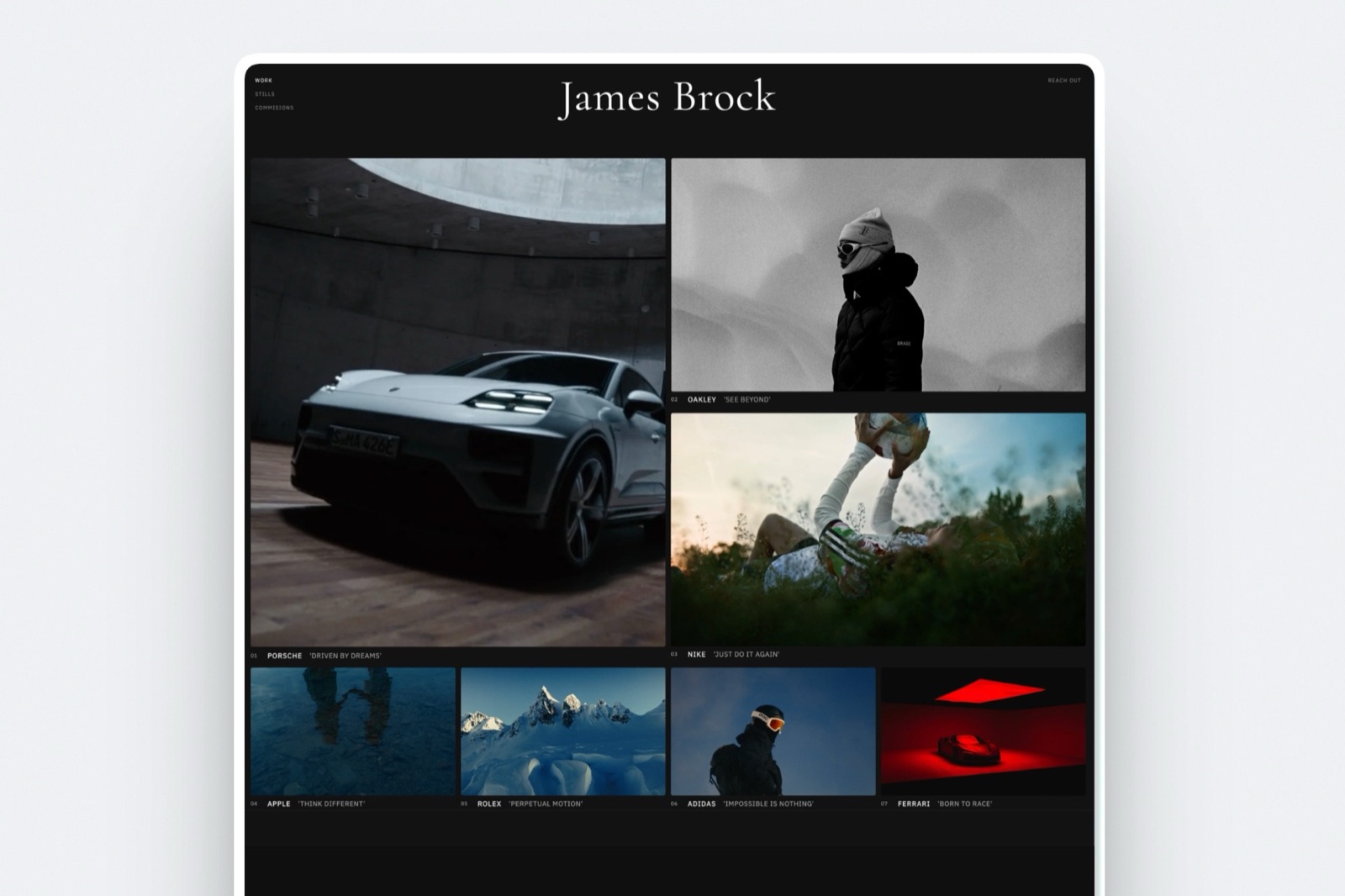
Step 4: Build the Site (Let AI Do the Layout)
With your work and words ready, the build is fast. A modern AI website builder generates a real first draft of a portfolio from a few prompts and your uploaded pieces, so you are arranging and refining rather than designing from zero.
Drop in your gallery, paste your three pieces of text, and adjust the order so your strongest work leads. Resist the urge to add pages.
A focused one or two-page portfolio converts better than a sprawling one, and it keeps you comfortably inside the free plan.
If design decisions still feel daunting, our roundup of the easiest portfolio website builders to use points to the tools with the gentlest learning curve.
Step 5: Decide the Domain Question Honestly
Here is where "no subscription" needs an honest footnote. On a free plan, your site lives at a free subdomain, something like yourname.framekit.site. That is genuinely free and it works.
It is also a fine place to start, and many people run a portfolio on a subdomain for a long time.
A custom domain, like yourname.com, is the one optional cost in this whole guide. It runs roughly $10 to $15 a year, paid once a year to a domain registrar such as Namecheap or Cloudflare.
That is not a subscription to your website builder, and it is not a monthly fee. It is a small annual cost for an address you own outright, and you can add it later, the day a custom domain feels worth it.
Until then, the free subdomain keeps your promise of no subscription completely intact.
Step 6: Publish, Then Keep It Alive
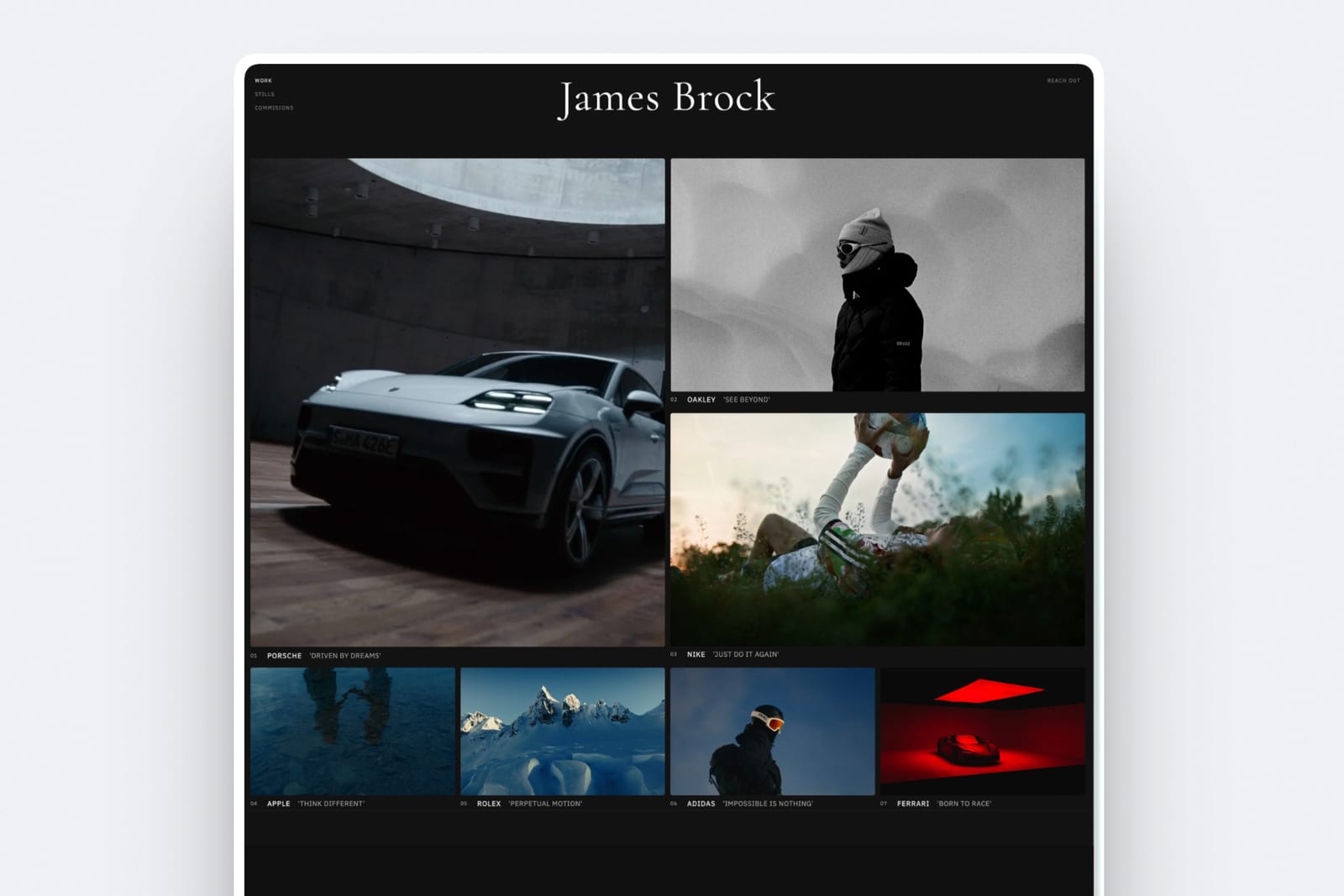
Publishing on a free plan is one click. The part people forget is the keeping. A free portfolio that goes stale is worse than no portfolio, because it signals neglect.
Put a recurring reminder in your calendar to refresh the work every few months, swap your newest strong piece into the lead position, and check that nothing has broken.
The whole point of a free plan is that this maintenance costs you nothing but fifteen minutes. Treat the site as alive, not finished.
Free vs Paid: What You Actually Give Up
A free plan is not a crippled plan, but it is an honest trade. Knowing exactly what you give up stops you from either overpaying early or feeling cheated later.
| What you get | Free plan (typical) | Paid (from $9/mo) |
|---|---|---|
| A live, professional portfolio | Yes | Yes |
| AI-generated design and layout | Yes | Yes |
| Free subdomain address | Yes | Yes |
| Custom domain connected | Usually not on free | Yes |
| Builder branding removed | Often not | Yes |
| Storage and page limits | Lower | Higher or unlimited |
| Recurring cost | $0 | From $9/mo, flat at renewal |
For a portfolio that is starting out, the free row is genuinely enough, and our wider comparison of the best free website builders prices what each free plan costs on the day you need it to look professional.
We re-verified every free-plan limit in this guide in July 2026, including the advertising and storage terms published on Wix's own plans page.
The day you are booking real work, removing builder branding and adding a custom domain are the upgrades worth paying for, and our guide to the cheapest website builders for creatives covers how to do that without overspending.
Common Mistakes When Building a Free Portfolio Site
Three mistakes turn a free build into a frustrating one. The first is picking a trial and not noticing until the site goes dark.
The second is treating the free subdomain as embarrassing and rushing to buy a domain you do not need yet, when the work itself is what a client judges.
The third is overstuffing the site to "get value" from the free plan, when a tight portfolio always beats a padded one. Avoiding those three keeps the project a one-afternoon job.
For a wider list of what quietly costs creatives bookings, see our guide to the most common portfolio mistakes.
Frequently Asked Questions
Is a free portfolio website really free, or are there hidden costs?
A free portfolio website is genuinely free to build and keep live on a real free plan, using the builder's free subdomain. The one optional cost is a custom domain, roughly $10 to $15 a year, paid to a registrar.
That is an annual fee for an address you own, not a subscription to the builder. If you skip the custom domain, your total cost stays at zero.
What is the difference between a free plan and a free trial?
A free trial keeps your site live for a fixed period, often 14 days, then takes it offline unless you start paying. A free plan keeps your site live indefinitely at no cost, usually with some limits like a subdomain and builder branding.
For a no-subscription portfolio, you specifically need a real free plan, so always check what happens after the trial window with no card on file.
Can I use my own domain name on a free plan?
Usually not. Most builders reserve custom domain connection for paid plans and give free plans a subdomain instead. That is fine to start with.
When a custom domain becomes worth it, you buy the domain from a registrar for around $12 a year and connect it, which on most builders means moving up from the free plan at that point, not before.
Will a free portfolio website look unprofessional?
It does not have to. The two things that can look unprofessional on a free plan are builder branding and a subdomain address, and both are minor compared to the work itself.
A clean, well-curated portfolio on a free subdomain reads as far more professional than a sprawling, half-finished site on a custom domain. Clients judge the work and the clarity first.
Can I sell my work from a free portfolio website?
Free plans focus on showing work rather than selling it, and store features are usually a paid upgrade. If your immediate goal is a portfolio that gets you found and hired, a free plan covers it completely.
If selling prints or digital products is the main goal from day one, that is the point where a paid plan starts to earn its cost.
What happens when I outgrow the free plan?
Outgrowing the free plan is a good sign: it means the portfolio is working. At that point you upgrade for a custom domain, removed branding, and more room.
Choose a builder where upgrading does not mean rebuilding, so your free site simply carries over. On Framekit the cheapest upgrade is the $9 a month Starter plan, and its price stays flat at renewal instead of creeping up each year.
Is a free website builder bad for SEO?
No. A site built on a free plan can rank on Google as long as it loads quickly, has clear text, and is structured properly.
The main SEO limitation of free plans is the subdomain, since a custom domain is a slightly stronger signal and looks more credible in search results. The builder being free does not hurt your ranking. Thin or stale content does.
The Bottom Line
A free portfolio website with no subscription is not a compromise in 2026. It is the correct starting move for anyone with real work and no budget yet.
Pick a builder with a true free plan, build a tight site around your best 8 to 12 pieces, publish on the free subdomain, and add a custom domain only when it genuinely earns its $12 a year. The work is what gets you hired.
The website just needs to show it clearly, and that costs nothing.
_Pricing and information accurate as of July 2026._
A single page is often all a no-subscription portfolio needs, and the best one-page website builders covers what it costs to take a payment from one.
Only one builder includes a custom domain on a genuinely free plan, which we cover in the best website builders with a free domain.