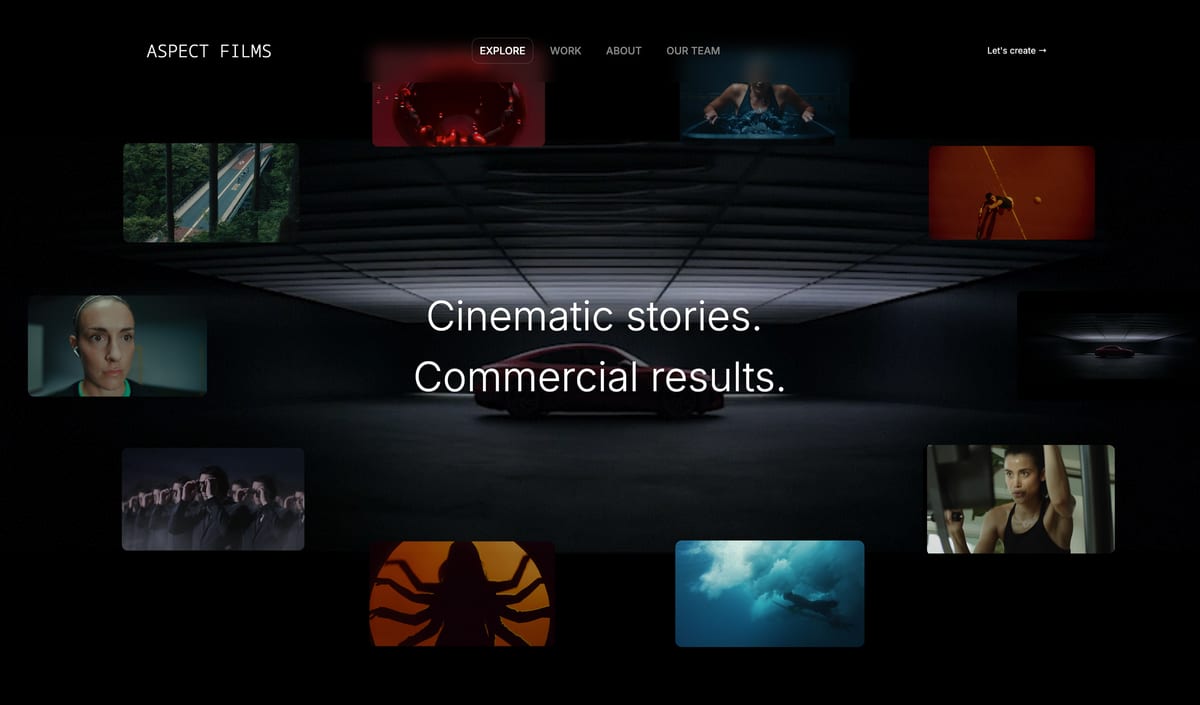
Framekit templates
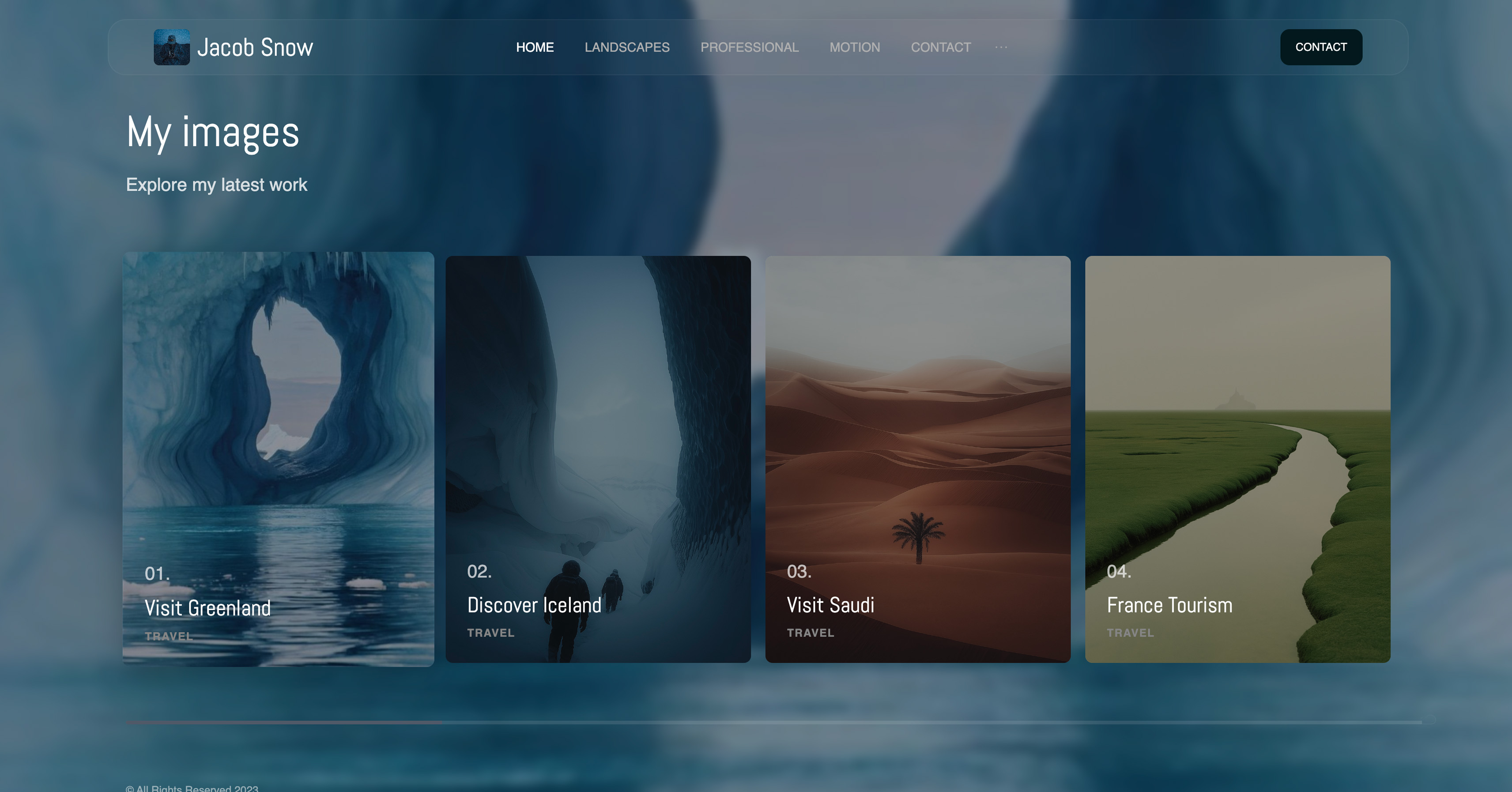
Start from a designer-made template
 Use template
 Use template
 Use template
 Use template
 Use template
 Use template
 Use template
 Use template
The email lands with a subject line about your subscription renewing. You open it expecting the number you signed up for, and it is bigger. Not dramatically, but enough to notice.
The introductory rate you barely remember agreeing to has quietly ended, and a website you have not even changed in months now costs more to keep online than it did last year. That gap has a name: the website builder renewal price.
Almost every creative who has run a website for more than a year has had this moment. And the instinct is to feel slightly foolish, as if you missed something in the fine print. You did not, really.
The price going up after year one is not an oversight or a trick buried in a contract. For a lot of website builders, it is simply the business model working as designed.
This guide explains the website builder renewal price honestly: why builders get more expensive after the first year, what it actually costs over three and five years, and the practical ways to avoid the trap.
Framekit is an AI website builder whose published plan prices are the same in year three as on signup, with no introductory rate to expire, which is the specific trap the rest of this guide is about.
Website builders get expensive after year one because the sign-up price is often an introductory discount, plans creep upward through tiers and add-ons, and domain renewals jump.
Over five years a builder can cost far more than its headline rate suggests. You avoid it by reading the real renewal price up front, and by choosing a builder with flat pricing that does not rise at renewal, or a genuinely free plan.
A website builder renewal price is what you actually pay to keep your site live after the first term ends, once any introductory discount expires.
It is frequently higher than the price you signed up at, and the gap between those two numbers is the single most common reason a website quietly feels like it got expensive.
Why Website Builder Prices Go Up After Year One
The increase is not a glitch, it is the model, and four mechanics drive it. The first is the introductory discount: the rate you sign up at is often a first-term promotion, and the renewal reverts to the standard price.
The second is tier creep: you start on a basic plan, then need a feature, more storage, or to remove builder branding, and you move up a tier. The third is add-ons: a custom domain, premium features, and email each get billed on top.
The fourth is the annual increase, since builders raise their standard prices over time like any subscription. None of these is hidden exactly. They are just easy not to add up at sign-up, which is rather the point.
The Six Places the Price Goes Up
In one linethe plan is only one of six lines that renew at a different rate from the one you agreed to, and the domain catches more people than the plan does.
Each of these is a separate renewal, and most people only budget for the first.
1. The plan itself
The largest and best-known one. Hosting-style builders discount the first term heavily and renew at the standard rate whatever term you originally bought.
Hostinger's website builder renews at $10.99 a month for Premium and $16.99 for Business regardless of the length of your original term, which against a promotional rate of $2.99 a month is roughly a 290% increase on the Business tier.
Its shared hosting has been reported at up to 452% higher on renewal.
2. The domain
The one that catches most people, because the amount is small enough to ignore and automatic enough to miss.
Most registrars sell a .com at a promotional first-year rate and renew at standard: GoDaddy commonly offers around $9.99 in year one and renews at $21.99, and Namecheap sits near $8 first year against about $13.98 after.
Squarespace includes a domain free with an annual plan and then renews it at around $20 a year. The gap between the introductory and renewal price on a single domain can exceed $15.

3. WHOIS privacy
Bundled free by some registrars and billed separately by others, at roughly $3 a year on Namecheap and $10 to $15 on GoDaddy. It is not a large number and it is exactly the kind of line that appears on a renewal invoice nobody reads.
4. Email hosting
Frequently free for a first year alongside a plan, then billed per mailbox per month afterwards. Two mailboxes at a few dollars each is a modest cost that was not in the original comparison at all.
5. Apps and add-ons
On platforms with an app market, the apps that made the site work are separate subscriptions with their own renewal cycles, and they rarely renew on the same date as the plan. A site assembled from four apps has five renewal dates.
6. The tier you outgrew into
The quietest one. You compared entry plans, then needed commerce, or more storage, or to remove branding, and the plan you are actually renewing is not the plan you priced.
This is not a trick by the vendor; it is simply that the comparison you ran was against a tier you no longer use.
What It Actually Costs Over Five Years
In one linethe number that matters is the renewal rate multiplied by five, not the introductory rate multiplied by anything, and the two can differ by several hundred dollars on the same site.
Take a builder advertised at $2.99 a month on a promotional term that renews at $16.99. Year one costs about $36.
Years two to five cost about $204 each, so the five-year total is roughly $852, against the $179 someone would predict by multiplying the advertised price by sixty months.
The advertised figure understates the real cost by a factor of nearly five.
Now the same exercise on flat pricing. A plan at $9 a month that renews at $9 a month costs $108 a year and $540 over five years, with no year in which the invoice surprises you.
It is more expensive in year one and considerably cheaper by year three, which is the point at which most portfolios are still running.
Add the domain to both columns. At around $20 a year after the first, that is roughly $80 across years two to five, and it applies whichever builder you chose.
The comparison to run before you sign up. Find the renewal rate, not the promotional rate, and multiply it by five. Then add the domain renewal, any per-mailbox email cost, and any app subscriptions.
That figure is what the website costs, and it is the only figure worth comparing between platforms.
The Real Cost Over 3 and 5 Years
The honest way to compare website costs is not the monthly sticker price. It is the total over the years you will actually keep the site, because a portfolio is not something you rebuild every season.
A plan advertised around the mid-teens per month is not that once the introductory year ends and a domain renews at full price. Modelled over five years, the gap between the headline and the reality is often hundreds of dollars.
It helps to see real numbers. Framekit's own pricing makes the math concrete and honest:
| Framekit plan | 1 year | 3 years | 5 years |
|---|---|---|---|
| Starter, monthly ($9/mo) | $108 | $324 | $540 |
| Pro, monthly ($19/mo) | $228 | $684 | $1,140 |
| Free plan | $0 | $0 | $0 |
The pattern is the point. Framekit's prices are flat: the $9 Starter plan stays $9, so year five costs the same rate as year one, with no post-introductory jump waiting for you.
What makes other builders expensive is not the passage of time, it is the renewal price you did not check, a number that grows faster than you expected.
How to Avoid the Renewal-Price Trap
Avoiding the trap is mostly about doing at sign-up what most people only do at renewal: reading the real price.
Before choosing a builder, find the standard renewal rate, not just the introductory one, and the price of the tier you will actually need rather than the cheapest.
Check what counts as an add-on: is a custom domain included, is email extra, does removing builder branding cost more. Model the total over three to five years, the realistic life of the site.
And register your domain with an independent registrar so its renewal stays separate and predictable. Done up front, this turns a future surprise into a known number.
Our guides to the cheapest website builders for creatives and affordable website builders for freelancers both compare on real long-term cost, not headline price.

The Flat-Pricing Option
The most direct way to avoid renewal pricing is a builder whose prices do not rise at renewal in the first place.
Framekit works this way: the $9 a month Starter plan, which is the cheapest tier that adds a custom domain and removes Framekit branding, stays $9 whether it is your first month or your fifth year.
There is no introductory rate that expires and no annual creep. Pro at $19 and Business at $39 behave the same way, and annual billing takes 20% off on top.
Honesty matters here.
Flat pricing is not the same as free: a paid plan still recurs monthly, and the fair comparison to a rival's $16 plan is Framekit's $9 Starter, not the $0 free tier, because the free tier keeps a framekit.ai subdomain and a small Framekit badge.
What flat pricing removes is the surprise, the gap between the number you signed up at and the number you renew at.
If you are still testing whether you even need a website, the free plan is the more sensible place to start, and you can move up to Starter the day a custom domain earns its cost.
Why Switching Builders to Escape It Rarely Helps
When the renewal price jumps, the obvious reaction is to leave: cancel, find a cheaper builder, rebuild there. Sometimes that is the right call. Often it just resets the same cycle.
Switching has its own real cost. Rebuilding a site on a new platform takes time, usually a weekend you did not plan to spend. Your content has to be moved and re-formatted.
If the new builder also runs an introductory rate, you have simply bought yourself another year-one discount that will expire in exactly the same way.
And every switch risks small losses: a broken link, a dip in search visibility while the new site settles, a detail that did not carry over. Chasing the lowest sign-up price from builder to builder is a treadmill, not an escape from one.
The better move is to make the decision well once. Choose a builder on its real, long-term cost rather than its promotional rate, so there is no unpleasant renewal to flee from in the first place.
Pick a platform you would be content to stay on for years, because staying put on predictable pricing is cheaper than serial switching, even when each new sign-up rate looks tempting.
This is also the strongest practical argument for a free plan or a builder with flat pricing. A free plan has no renewal to escape. Flat pricing has a renewal, but it is the same number you already agreed to.
Both break the cycle directly, rather than restarting it on a new platform. The renewal-price trap is not really sprung at renewal. It is sprung at sign-up, by choosing on the wrong number, and sign-up is also where it is avoided.
Frequently Asked Questions
Why do website builders get more expensive after the first year?
Website builders get more expensive after year one mainly because of introductory discounts that expire, tier upgrades you take on as you need more features, add-ons like a custom domain or email billed on top, and standard annual price increases.
The sign-up price is often a first-term rate, so the renewal price is the real, higher cost of keeping the site running.
What is a website builder renewal price?
A website builder renewal price is the amount you pay to keep your site live after the first term ends and any introductory discount expires. It is often higher than the price advertised at sign-up.
Checking the renewal price, rather than only the sign-up price, before you commit is the single best way to avoid an unwelcome surprise later.
How much does a website builder really cost over five years?
Over five years, a website builder costs far more than its monthly sticker price suggests once you include the post-introductory rate, any tier upgrades, and add-ons like a domain.
A plan billed monthly keeps accumulating: at $19 a month, for example, that is $1,140 over five years.
A builder with flat pricing, by contrast, charges the same rate every year: Framekit's $9 Starter plan totals $540 over five years with no renewal jump.
How do I find the real renewal price before signing up?
Look past the headline price for the standard, non-introductory rate, and check the cost of the tier you will actually need rather than the cheapest one. Confirm what is an add-on, such as a custom domain, email, or removing branding.
Then total it over three to five years. If the renewal rate is hard to find, treat that itself as a warning sign.
How do I avoid renewal price increases entirely?
The cleanest way is to choose a builder whose prices are flat, so the rate you sign up at is the rate you keep paying, with no introductory discount that expires. Framekit's Starter plan stays $9 a month at renewal, for example.
A genuinely free plan also sidesteps renewal increases, with the trade-off of a subdomain and a small badge. Either way, check the standard renewal rate before you commit.
Do free website builders avoid renewal price increases?
A genuine free plan has no renewal price to increase, so it does sidestep the trap, with the trade-off of a subdomain and builder branding. Be careful to distinguish a real free plan from a free trial, which expires and then bills you.
A free plan is a sound way to keep costs at zero until paid features are genuinely worth it.
Does a custom domain price go up at renewal too?
Yes. A custom domain is registered yearly, and registrars commonly charge a low first-year promotional rate that renews higher. This is separate from your website builder's pricing.
Registering the domain with an independent registrar and noting its standard renewal rate keeps that cost predictable and stops it from quietly adding to the year-two jump.
How much does a website builder renewal price increase?
It varies from nothing to several hundred percent depending on the pricing model. Flat-priced builders renew at the same rate they charged in year one.
Hosting-style builders discount the first term heavily and renew at standard: Hostinger's website builder renews at $10.99 a month for Premium and $16.99 for Business whatever term you originally bought, which against a $2.99 promotional rate is roughly a 290% increase, and its shared hosting has been reported at up to 452% higher on renewal.
Do domain names get more expensive when they renew?
Almost always, and it is the renewal people most often miss because the amount is small and the charge is automatic.
GoDaddy commonly sells a .com at around $9.99 for the first year and renews at $21.99, Namecheap sits near $8 first year against about $13.98 after, and Squarespace includes a domain free with an annual plan then renews it at roughly $20 a year.
On a single domain the gap between introductory and renewal price can exceed $15.
How do I find the real renewal price before I sign up?
Look for the small print next to the advertised rate, which usually names the renewal figure explicitly, and if it does not, check the vendor's terms page rather than the pricing page.
Then multiply the renewal rate by five and add the domain renewal, any per-mailbox email charge, and any app subscriptions the site depends on.
If a vendor makes the renewal rate hard to find, treat that as the answer to a different and more useful question.
Is it worth switching website builders to escape a renewal increase?
Rarely, because migration costs more than most people estimate. No builder imports another's site, so a switch is a rebuild, and a weekend of your time is usually worth more than the annual difference between two plans.
The exception is a genuinely large gap sustained over years, such as a plan renewing at five times its promotional rate, where the arithmetic turns positive quickly. Decide before you commit rather than after the second invoice.
The Bottom Line
Website builders get expensive after year one because the model is built that way: introductory rates expire, tiers creep, add-ons accumulate, and prices rise.
None of it is a scandal, but all of it is avoidable once you stop comparing sign-up prices and start comparing the real cost over the years you will actually keep the site.
Read the renewal price before you commit, model three to five years, and favour a builder with flat pricing that does not climb at renewal, so the number you agree to is the number you keep paying.
The trap only catches the creatives who never looked past month one.
If you want to keep costs at zero while you decide, our guide on building a free portfolio website with no subscription is the place to start.
_Re-verified July 2026: introductory and renewal rates re-checked against each vendor's published terms, and the domain renewal figures against the registrars' own pricing._
Renewal and introductory terms were checked against Squarespace pricing and Wix's plan page.
If the renewal price is what pushed you to move, the mechanics of moving without losing rankings are in how to switch website builders.