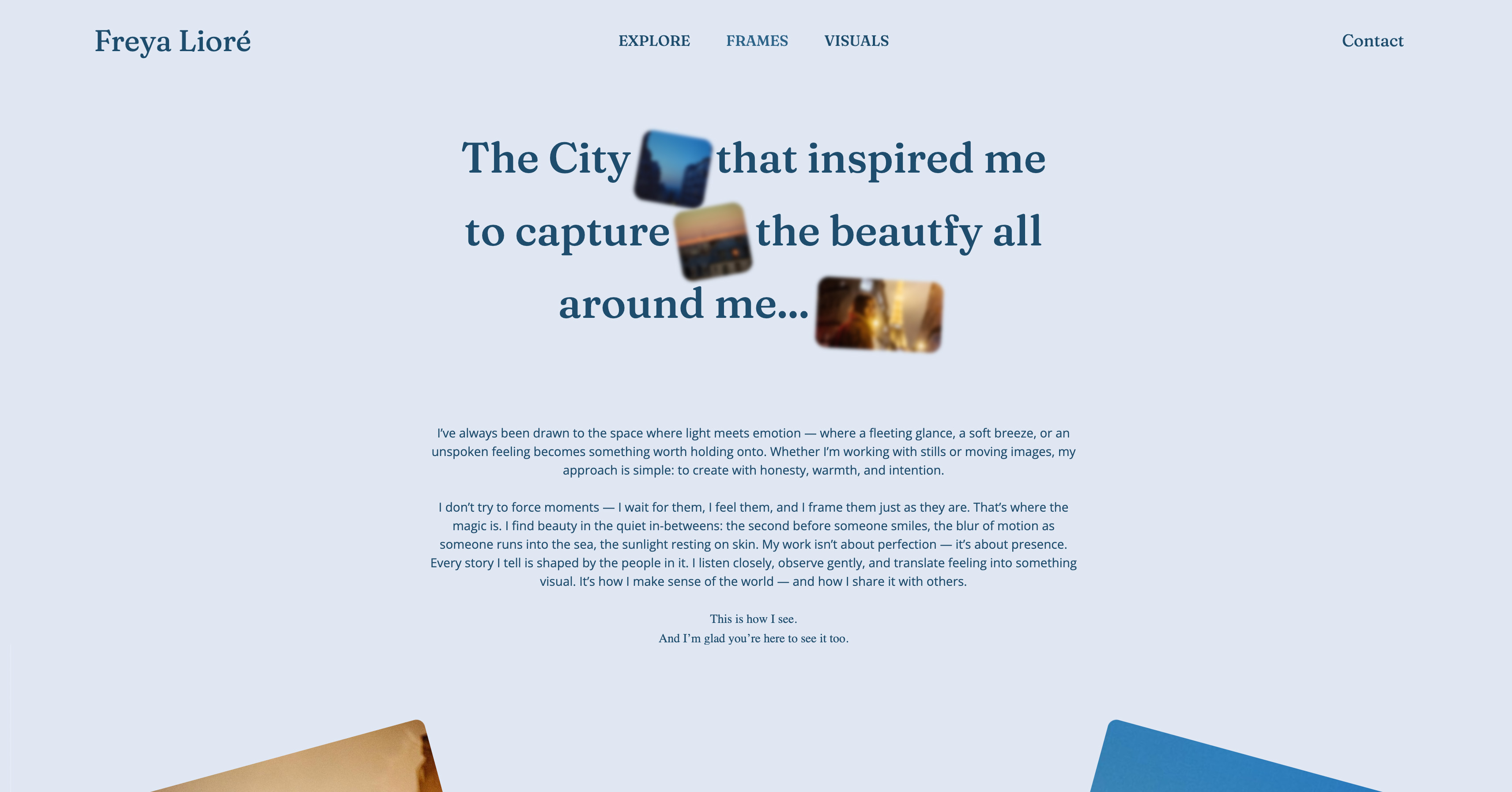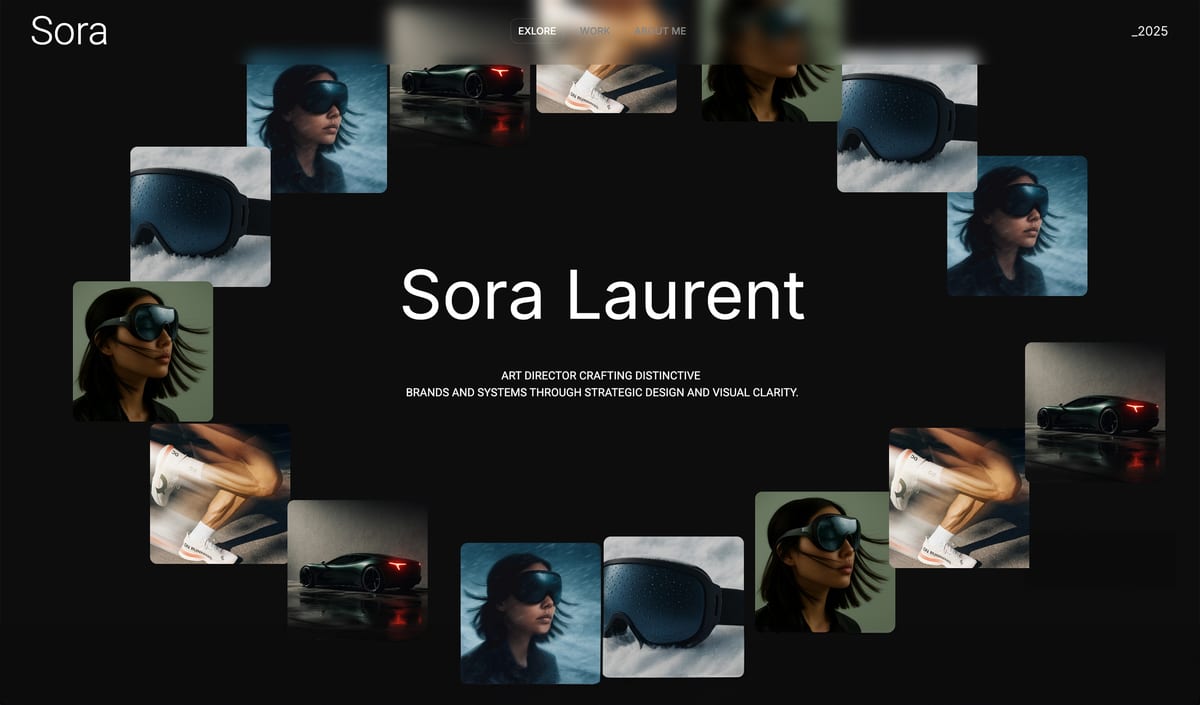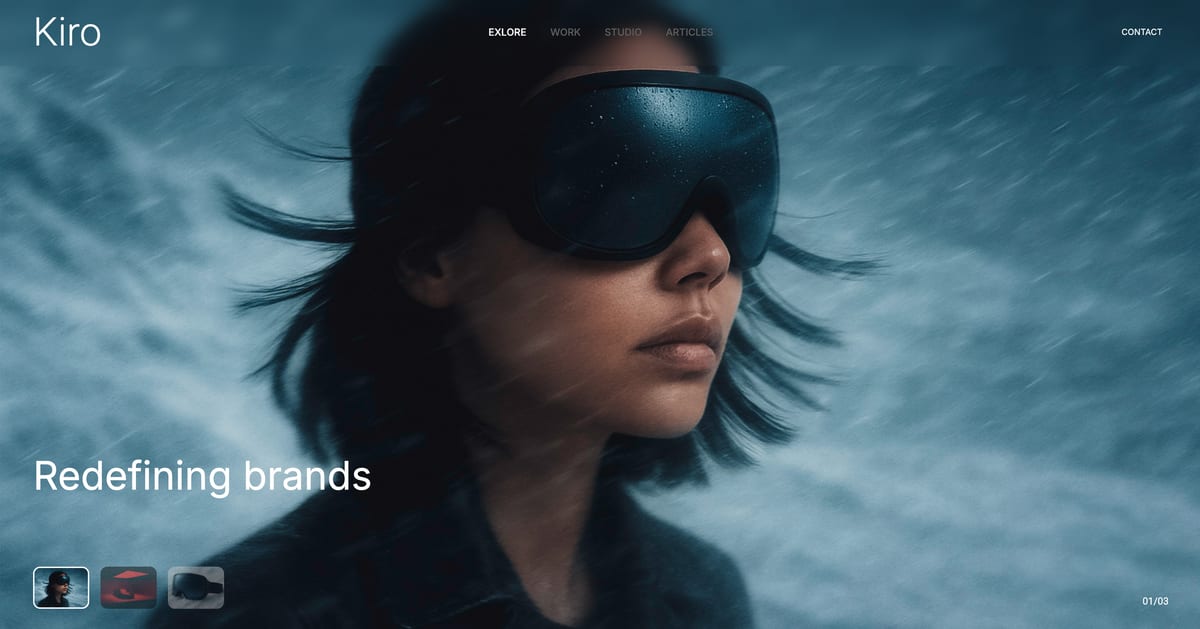
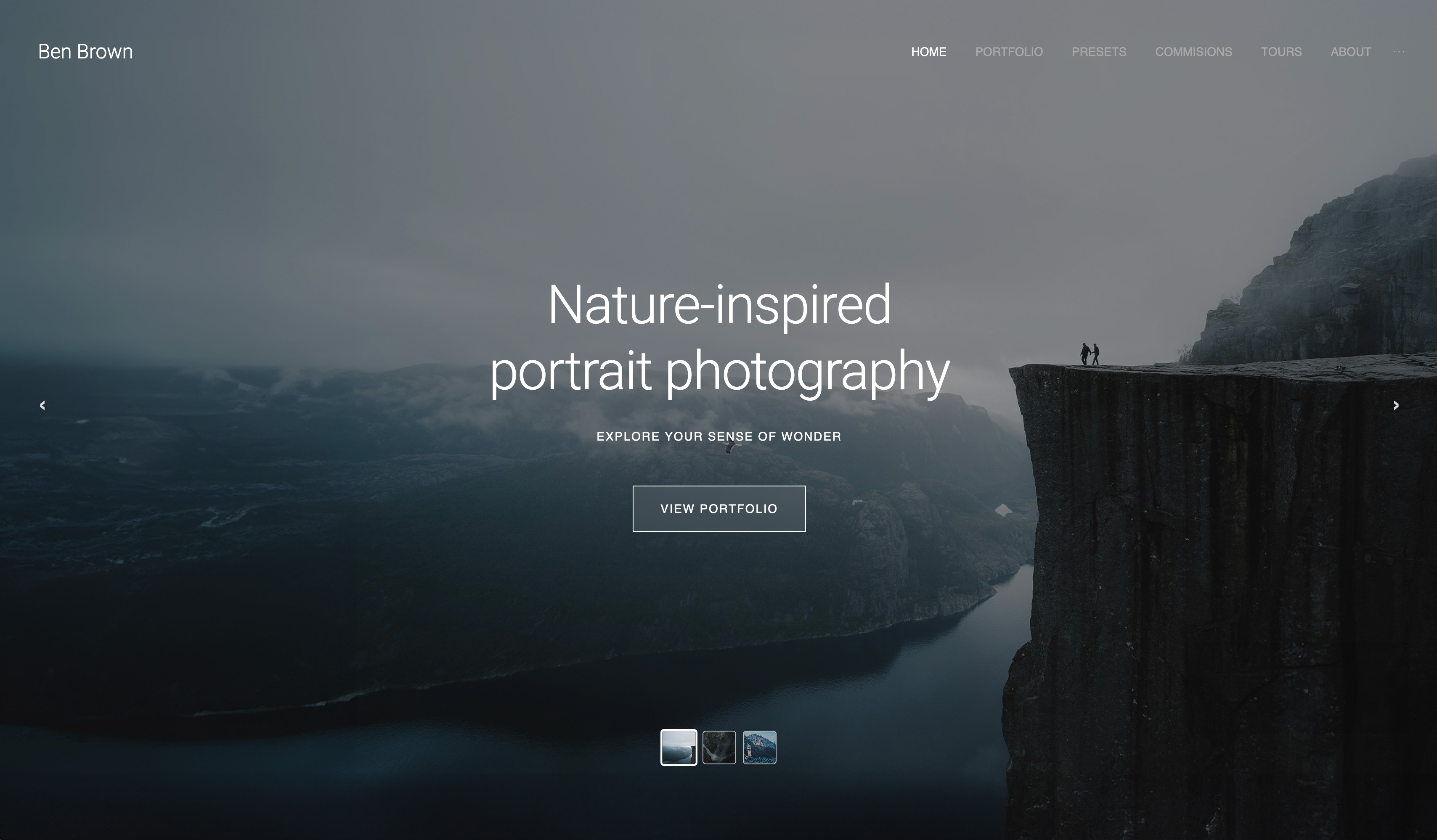
Framekit templates
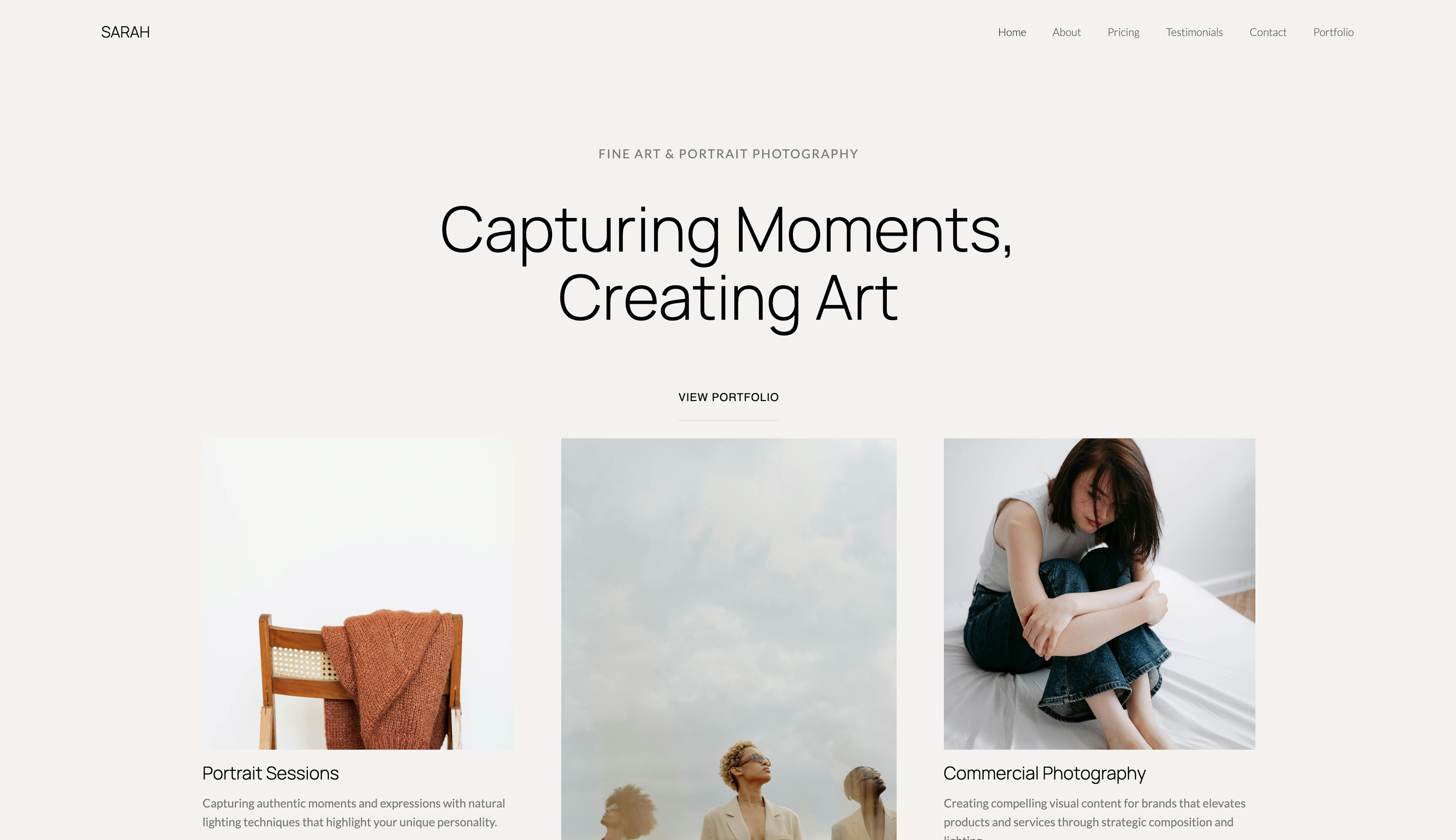
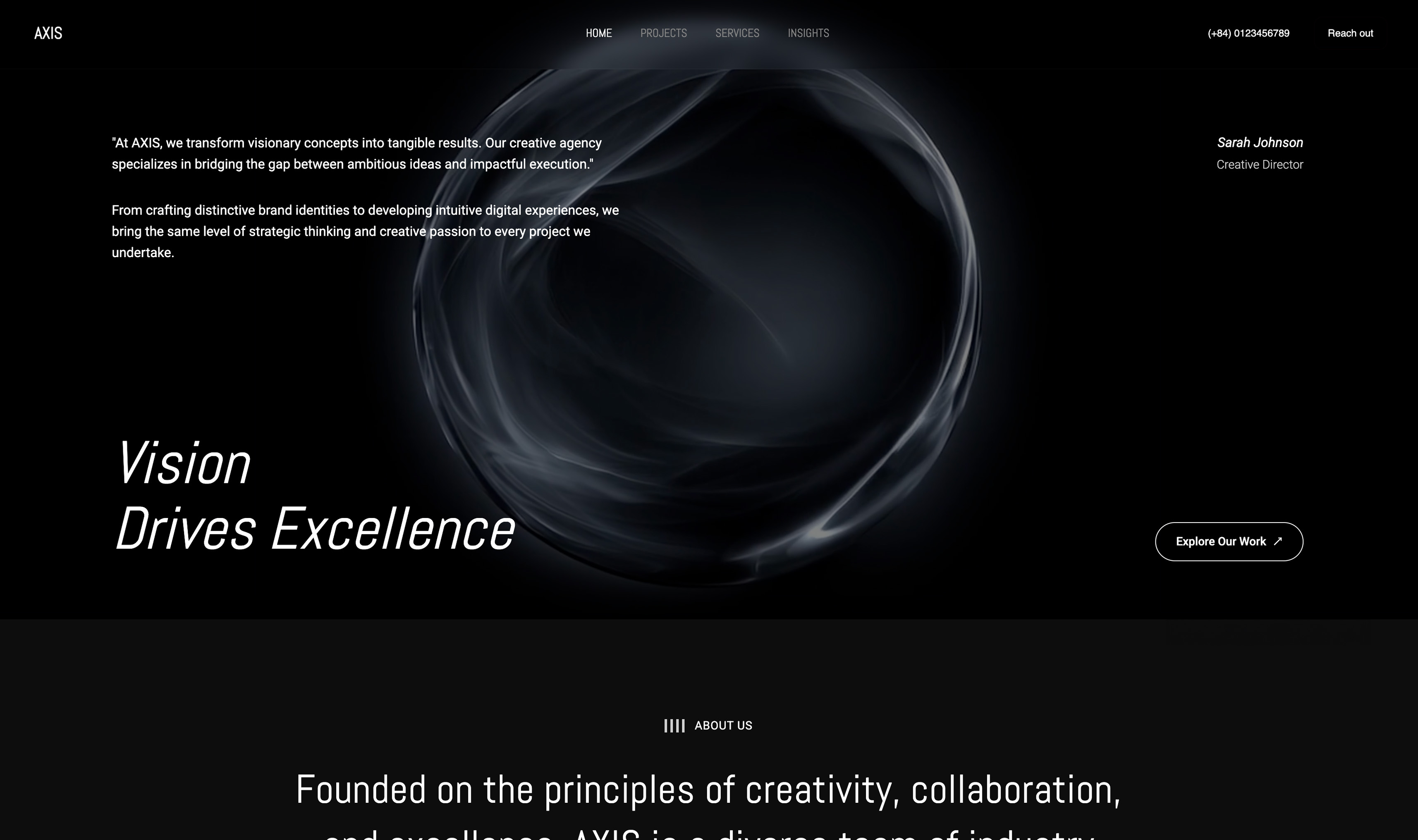
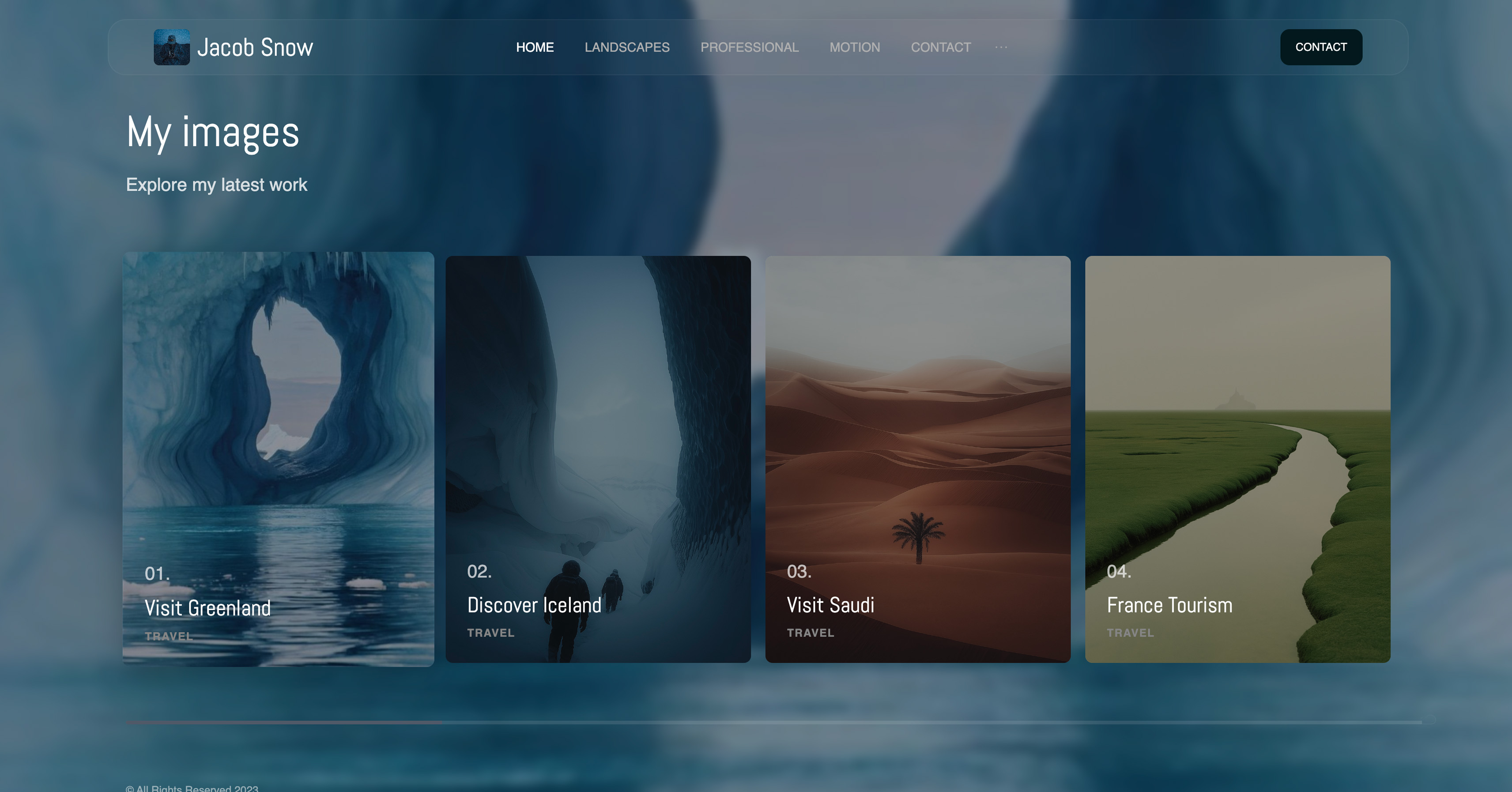
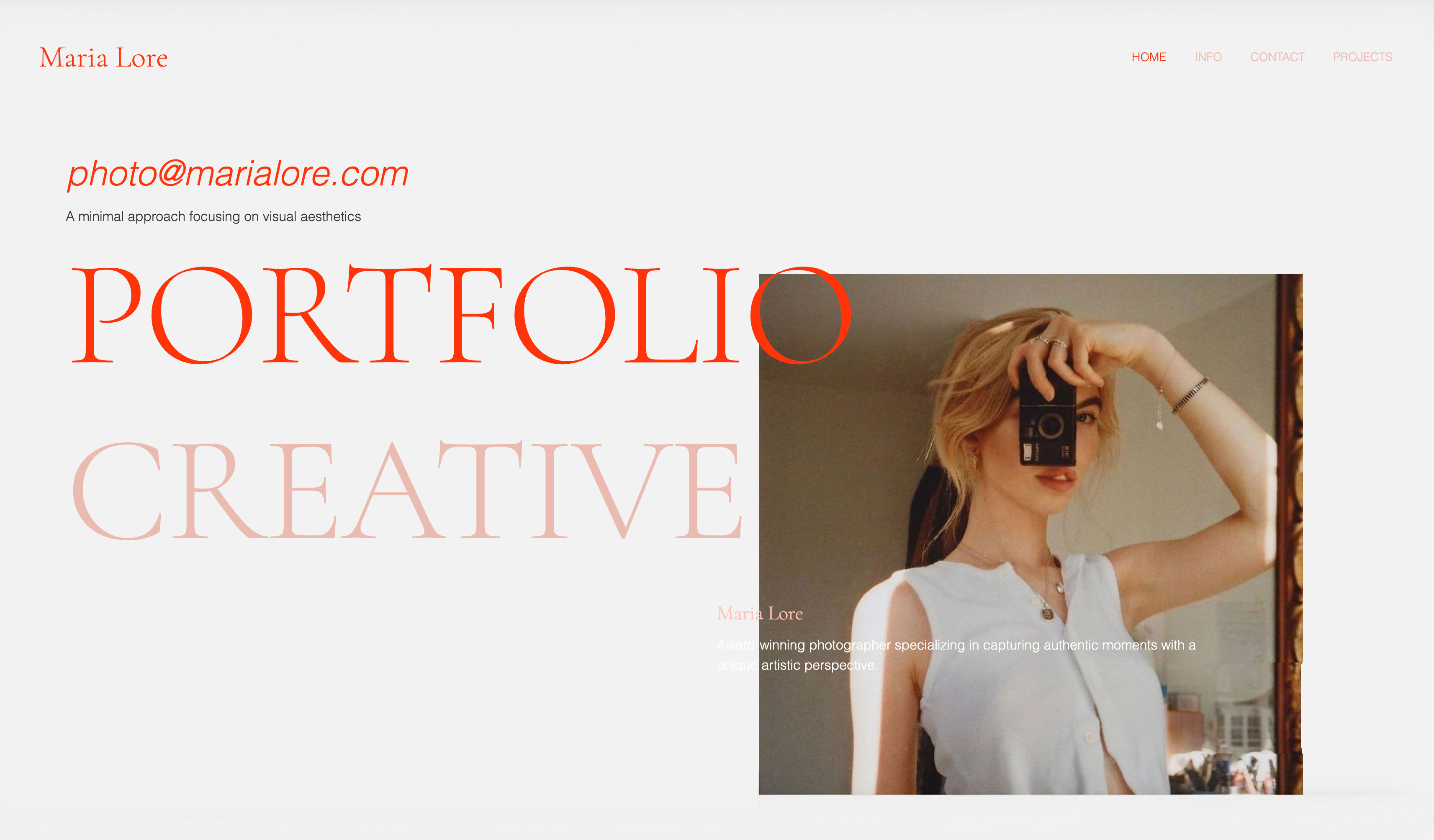
Start from a designer-made template
 Use template
 Use template
 Use template
 Use template
 Use template
 Use template
 Use template
 Use template
A boutique buyer is deciding whether to stock your line, a magazine is considering you for a feature, and a manufacturer wants to see whether your work is real. All three do the same thing: they look you up.
What they find is a collection scattered across an Instagram grid, a lookbook PDF you email on request, and a runway clip someone else posted. None of it presents your label the way a showroom would.
As a fashion designer, the website builder you choose is what turns a scattered collection into a professional label site that gets you stocked, featured, and taken seriously.
Fashion design is a business of collections and credibility, and both are judged from how the work is presented. A feed proves you make things; an owned site proves you run a label.
The collection walked once. The site is where buyers and press keep seeing it.
A website builder for fashion designers is the platform you use to build a professional label site - your collections, lookbooks, runway, and the flats and process behind them - ideally on a domain you own, so a buyer, editor, or manufacturer finds a considered body of work instead of a social feed.
This guide tests the best website builders for fashion designers on those jobs.
The best website builder for fashion designers in 2026 is Framekit, because it turns a prompt into a label site on your own domain, with galleries for collections and lookbooks, private galleries for showing a line to a buyer, and room to grow - so your collection is presented like a label, not a feed.
The honest trade-off: for direct-to-consumer garment sales with inventory and shipping, a commerce platform like Shopify is the right tool, and Framekit is the label and lookbook site beside it. For a single cheap page, Carrd is simpler.
Framekit builds a fashion label site from a prompt, on your own domain, and the free plan needs no credit card.
Full disclosure: Framekit, ranked #1 below, is our own product, so we have a stake in this. We built a label site on each tool, read every price from each platform's published pricing in July 2026, and we say plainly where each beats us: Shopify runs a real garment store we do not, Carrd is cheaper for one page, and Squarespace has a larger template library. Read the ranking knowing that.
How We Compared These Fashion Designer Website Builders
A fashion designer's site has to present a collection like a label would: lookbook imagery, runway or campaign, the flats and process that show craft, and a clear way for a buyer or editor to reach you.
We scored each tool on the five things that decide a label site, one section each below.
Collection presentation. How well the site shows a full collection - lookbook, campaign, and runway - as a considered body of work.
Lookbooks and process. Whether you can present lookbooks, flats, and process as galleries and stories, with private galleries for showing a line to a buyer.
Ownership. Whether the site is yours on your own domain, so it ranks for your label's name.
Room to grow. Whether the site can add a press page, a stockists list, or a simple shop as the label grows.
Ease and cost. How fast you get it live and what the plan you need costs.
We built the same thing on each: a collection lookbook, a runway or campaign gallery, a flats-and-process section, and a contact page for buyers and press.
The designer we follow through this guide runs a small label and wants one professional site to present it to buyers, press, and collaborators.
Three kinds of finding, kept separate. Hands-on: building the site and the lookbook galleries. Read from each platform's own pricing, not tested: every plan, confirmed in July 2026 and linked inline.
Community sentiment, flagged as that: patterns from reviews rather than our test.
What Testing 6 Fashion Designer Builders Showed
The numbers under this ranking, confirmed in July 2026.
- 2 of 6 include a real gallery system for presenting full collections and lookbooks rather than plain image blocks (Framekit and Format).
- 1 of 6 turns a prompt into a label site with private galleries for showing a collection to a buyer (Framekit).
- 3 of 6 put your site on the platform's subdomain until you pay for a custom domain, which is what a buyer or editor finds when they search your label.
- None of these is a garment store built for inventory and shipping - for direct-to-consumer sales, a commerce platform like Shopify sits beside the label site.
- Squarespace and Wix can add a simple shop, so a designer selling a few pieces directly can keep it on the label site rather than a separate platform.
For the pick that matches how you present a collection, skip ahead to the decision tree. First, the full comparison.
The 6 Best Website Builders for Fashion Designers in 2026: Full Comparison
How the ratings work: each tool is scored on the five criteria above, weighted for a label site - ownership 25%, collection presentation 25%, lookbooks and process 20%, room to grow 15%, ease and cost 15%.
Presentation and ownership share half the score because a label is judged on how the collection reads and whether the site looks like a real label at its own name.
So Framekit's 9.0 takes a 10 on ownership and presentation but only a 7 on cost at the low end, because a single-page tool like Carrd is cheaper if all you need is a lookbook link. No tool won every column.
| Tool | Best For | Free Plan | Starting Price | Our Rating |
|---|---|---|---|---|
| Framekit | A label site that presents a collection | Yes | $9/mo | 9.0/10 |
| Squarespace | A polished all-in-one with a shop | Trial | $16/mo | 8.5/10 |
| Format | A gallery-forward lookbook portfolio | Trial | $10/mo | 8.1/10 |
| Wix | Flexible drag-and-drop with a shop | Yes | $17/mo | 8.0/10 |
| Adobe Portfolio | Free with Creative Cloud | With CC | Free with CC | 7.5/10 |
| Carrd | A cheap single-page lookbook link | Yes | $19/yr | 7.3/10 |
Prices read from each platform's own pages in July 2026; confirm the latest before buying.
What a buyer and an editor see at a glance
A buyer or editor wants three things fast: is the collection strong, is it presented like a label, and how do I reach you. This is how the tools handle them.
| Tool | Full collection galleries | Private buyer galleries | Simple shop option | Own your label name |
|---|---|---|---|---|
| Framekit | Yes, gallery system | Yes | Digital, add-on | Yes (paid plan) |
| Squarespace | Image blocks | Basic | Yes | Yes |
| Format | Gallery-forward | Yes | Light | Yes |
| Wix | Image blocks | Basic | Yes | Yes (paid plan) |
| Carrd | One page | No | Payment buttons | Yes (Pro) |
See your collection presented like a label. The free plan turns a prompt into a label site with lookbook galleries and private buyer galleries - the professional home a scattered feed can never be.
1. Framekit: Best Overall
Our rating: 9.0/10
Framekit is an AI website builder that turns a prompt into a fashion designer's portfolio - collections, lookbooks, and runway - on a domain you own.
Instead of scattering a collection across a feed and a PDF, you describe your label and Framekit generates the pages - a collection lookbook, a runway or campaign gallery, a flats-and-process section, and a contact page - which you then edit and connect to your label's name.
We described a small label and Framekit returned a considered, editorial-feeling site with real galleries for the lookbook and campaign; setting up a private gallery to show the full line to a buyer took minutes.
Because the galleries present a collection as a body of work rather than lone images, a buyer or editor reads it the way they would a physical lookbook - which is what gets you stocked or featured.
Best forFashion designers who want a professional label site that presents collections to buyers, press, and collaborators.
Key features:
- Generate a label site from a prompt or a reference screenshot
- A gallery system for collections, lookbooks, and runway, with private galleries for showing a line to a buyer
- A flats-and-process section that shows craft
- Room to add a press page, a stockists list, or a digital shop as the label grows
- Sites are generated by Cadence, Framekit's model for creative work, with a faster option called Score
The difference from a feed is presentation and control.
On Instagram a collection is compressed into squares and reset by newer posts; on your Framekit site the lookbook, campaign, and runway sit in the order you chose, at your label's name, so a buyer searching you finds a label that looks established and ready to stock.
The real numbera fashion designer is judged on how the collection is presented, and one stockist or feature is worth far more than the subscription.
A custom domain starts at $9 a month on Starter, and if you sell digital lookbooks or a few pieces directly, the store keeps 95% on the free plan and the full price minus processing on Business - though for a full garment store with inventory, pair the label site with a commerce platform.
Pricing:
- Free: $0 (Framekit subdomain, 10GB of pooled storage, 5% product fee)
- Starter: $9 per month (custom domain, no branding, 50GB, 5% fee)
- Pro: $19 per month (300GB, 3% fee)
- Business: $39 per month (2TB, 0% product fee)
Pros:
- A label site that presents collections like a body of work
- Real galleries plus private buyer galleries
- On your own domain, so it ranks for your label's name
Cons:
- Not a garment store for inventory and shipping - pair it with a commerce platform for direct sales
- Newer than the long-standing portfolio tools, so less workflow depth
- A custom domain starts on the $9 Starter plan
Skip it ifyour whole business is direct-to-consumer garment sales with inventory and shipping. Then a commerce platform like Shopify is the core tool, with a label site beside it. Framekit wins when presenting the collection to buyers, press, and collaborators is the job.
Verdict: Framekit is the best pick for a fashion designer who wants a professional label site that presents collections and gets the line seen. Pair it with a commerce platform if you sell garments directly. See how creators pair a portfolio with a shop, or start free at framekit.ai.
2. Squarespace: A polished all-in-one with a shop

Our rating: 8.5/10
Squarespace is the polished pick for a designer who wants an editorial-feeling label site with the option of a real shop - the templates flatter fashion imagery, a store can sell a small collection directly, and press and stockist pages are easy to build.
For a label that wants presentation plus some direct sales in one place, it covers a lot.
The trade is a yearly commitment and template-level control, with a trial rather than a permanent free plan, per its published pricing. For a designer who wants polish and a shop without a separate platform, it is a strong pick.
Best forFashion designers who want a polished label site with a built-in shop and will pay annually.
The real numberSquarespace runs from about $16 a month (Basic) to $99 (Advanced) on annual billing, with the store on the mid and upper tiers - a polished label site and a small shop in one, priced yearly.
PricingBasic about $16 a month, Core about $23, Plus about $39, Advanced about $99 (annual); trial only.
Pros:
- Editorial-clean templates for fashion
- A real shop for a small collection
- Press and stockist pages, all-in-one
Cons:
- No free plan
- Template-level galleries
- A full garment store outgrows it
Skip it ifyou want a free start or the deepest lookbook galleries. Squarespace trades some depth for a polished all-in-one.
Verdict: Squarespace is the pick for a designer who wants polish plus a small shop in one. If you want that on a site an AI drafts and you own, with private buyer galleries, that is Framekit. See our best website builder for fashion stylists for the adjacent craft. Visit Squarespace
3. Format: A gallery-forward lookbook portfolio
Our rating: 8.1/10
Format is a portfolio builder made for visual work, so it presents lookbooks and campaigns with real care - clean, gallery-forward layouts that let a collection read as a sequence and a runway breathe.
For a designer whose lookbook is the pitch, that presentation focus is worth something.
Its shop and general-site features are lighter than an all-in-one, so it leans lookbook-first, and there is no permanent free plan. For a designer who wants the collection to lead, it is a strong, focused choice.
Best forFashion designers who want lookbooks and campaigns in a tasteful, gallery-forward portfolio.
The real numberFormat runs from about $10 a month, a low price for gallery-forward presentation and a custom domain - the trade is a lighter shop and general tools than an all-in-one.
Pricingfrom about $10 to $12 a month; trial rather than a permanent free plan.
Pros:
- Gallery-forward presentation of lookbooks
- Real galleries for full collections
- Simple and affordable
Cons:
- Light shop and general features
- Lookbook-first
- No free plan
Skip it ifyou want a real shop or private buyer galleries. Format is a lookbook-forward portfolio.
Verdict: Format is the pick for a designer who wants the lookbook to lead in a tasteful portfolio. For private buyer galleries or a shop, an all-in-one wins. See our best Format alternatives. Visit Format
4. Wix: Flexible drag-and-drop with a shop
Our rating: 8.0/10
Wix is the flexible generalist, so a fashion designer can arrange a lookbook, a campaign, and a small shop however they picture it, with a big template library and an AI generator to start.
It does nearly anything, and its store can sell a small collection directly, which suits a designer who wants a shop without a separate platform.
Wix's usual trade shows up here: ads and a Wix subdomain on the free tier, and a premium plan from about $17 a month for a clean, custom-domain site with a store.
Best forFashion designers who want flexibility and a built-in shop.
The real numberWix premium plans start around $17 a month for a clean, ad-free site with a store, so the usable version is a mid-teens monthly cost rather than the free tier.
Pricingfree plan on a Wix subdomain with ads; premium from about $17 a month.
Pros:
- Very flexible layout and a store
- An AI generator to start
- A free tier to try
Cons:
- Free plan carries ads
- The ecosystem upsells
- Can look busy without care
Skip it ifyou want the cleanest ownership or a restrained label site. Wix is capable but rarely minimal.
Verdict: Wix is a flexible pick for a designer who wants to build the label site their way with a shop. If the ads and upsells wear on you, a cleaner builder helps - see our best Wix alternatives. Visit Wix
5. Adobe Portfolio: Free with Creative Cloud
Our rating: 7.5/10
Adobe Portfolio is the value pick for a designer already paying for Creative Cloud - which many are, since they render flats and edit lookbook images in Illustrator and Photoshop.
It is included free, gives a clean custom-domain site, and presents a lookbook simply. For showing a collection at no extra cost, it is a clean option.
It is presentation only, with no shop and light features, so it shows the lookbook and stops there.
Best forFashion designers on Creative Cloud who want a free, clean lookbook site.
The real numberAdobe Portfolio adds nothing to your bill if you already pay for Creative Cloud, from about $10 a month - so the lookbook site is effectively free, with no shop or private galleries.
Pricingincluded with any paid Creative Cloud plan; not sold separately.
Pros:
- Free with Creative Cloud
- Clean, custom-domain site
- Simple lookbook presentation
Cons:
- No shop
- Light features, no private galleries
- Tied to a Creative Cloud subscription
Skip it ifyou want a shop, private buyer galleries, or more depth, or you do not subscribe to Creative Cloud. Adobe Portfolio is a clean, free lookbook site.
Verdict: Adobe Portfolio is the easy free pick for a designer already in Adobe who only needs to present a lookbook. When you want a shop or private galleries, you will move on - see our best Adobe Portfolio alternatives. Visit Adobe Portfolio
6. Carrd: A cheap single-page lookbook link
Our rating: 7.3/10
Carrd is the honest pick for a designer who wants the simplest possible thing - one clean page with a few lookbook images, a short bio, and a contact line for buyers and press - for about $19 a year.
If a single professional page to point people to is all you need, nothing here is cheaper.
Its limit is the point: one page, with a basic contact link rather than full collection galleries or private buyer galleries, so it is a lookbook link rather than a label site.
Best forFashion designers who want a single, cheap, professional page.
The real numberCarrd's Pro Standard is about $19 a year for a custom-domain single page - cheaper than any monthly builder, but a lookbook link rather than a full label site with galleries.
Pricingfree tier; Pro plans from about $19 a year, billed annually.
Pros:
- By far the cheapest owned page
- Fast and simple
- A usable free tier
Cons:
- One page, no real galleries
- No private buyer galleries or shop
- Not built for a growing label
Skip it ifyou want collection galleries, private buyer galleries, or a shop. Carrd is a lookbook link, not a label site.
Verdict: Carrd is the pick when a single professional page is all you need. The moment you want galleries or a shop, you have outgrown it - see our best Carrd alternatives. Visit Carrd
Why a Fashion Designer Needs an Owned Site, Not Just a Feed
In one linea feed compresses your collection and resets it, and a marketplace or a manufacturer's platform is not yours - an owned site presents the label at your name, controls how a buyer sees the work, and grows with the business, which is why the strongest setup is a feed that points to a site you own.
Concede the real point first: Instagram is genuine work for a fashion designer - it is where a collection travels, where a buyer or editor first spots you, and where the label builds an audience. Keep posting.
But a feed is a shop window you rent, and three things only an owned site can do for a label.
The presentation. A buyer or editor judges a collection on how it is presented as a body of work, and a feed shows it newest-first, mixed with reposts and stories.
An owned site presents the full lookbook, campaign, and runway in the order you chose, which is the difference between reading as a label and a hobby.
The name search. When a boutique, a press editor, or a manufacturer vets you, they search your label. An owned site at your domain is the result you control - your collection and contact in one professional place - above the scattered tags.
The growth. A label adds a press page, a stockists list, and maybe a shop over time, and an owned site grows with it, where a feed and a marketplace stall at what they do.
If your label still lives on a grid, the Instagram-to-own-website playbook covers the migration step by step.
How to Choose a Fashion Designer Website Builder: A Decision Tree
It comes down to two questions, and the first that fits you is the answer.
Start here: do you sell garments direct-to-consumer with inventory and shipping, or present the collection to buyers, press, and collaborators?
- I sell garments directly at scale. Use a commerce platform like Shopify for the store, and pair it with a label site for presentation. Stop here for the store; read on for the site.
- I present the collection to buyers and press. Go to the next question.
Do you want a full label site with collection and private buyer galleries, or just a single lookbook page?
- A full label site. Choose Framekit for an AI-built label site with galleries and private buyer galleries on your own domain, or Squarespace for a polished all-in-one with a small shop.
- Just a lookbook link. Choose Carrd for about $19 a year, or Adobe Portfolio if you already pay for Creative Cloud.
Frequently Asked Questions
What is the best website builder for fashion designers in 2026?
The best website builder for fashion designers in 2026 is Framekit, because it turns a prompt into a label site on your own domain, with galleries for collections and lookbooks, private galleries for showing a line to a buyer, and room to grow - so your collection is presented like a label rather than a feed.
The honest trade-off is direct sales: for a garment store with inventory and shipping, a commerce platform like Shopify is the right tool, with the label site beside it.
For a polished all-in-one with a small shop, Squarespace is the strongest alternative.
Do fashion designers need a website?
Yes, as the professional label site that presents collections and supports the business.
Instagram is where a collection is discovered, but a buyer, editor, or manufacturer vetting you wants to see the line presented as a body of work at your label's name - which a feed cannot do.
An owned website ranks for your label, controls how the collection reads, and grows a press page, stockists, and a shop over time.
Keep the feed for reach and build an owned site as the home it points to; the two together are far stronger than either alone.
How should a fashion designer present a collection online?
A fashion designer should present a collection as a full body of work: a lookbook or campaign that sets the mood, runway or detail shots that show construction, and the flats or process that prove craft, all in a considered order rather than scattered images.
Present each collection as a gallery so a buyer reads it like a physical lookbook, and keep private galleries for showing a full line or a new season to a specific buyer.
Framekit and Format include real gallery systems for this; plain image blocks flatten a collection. Lead with your strongest, most current work and make contact for buyers and press obvious.
Can I sell my fashion collection from my website?
It depends on scale. For a few pieces sold directly, Framekit, Squarespace, and Wix include stores that can handle it on the label site.
For a full direct-to-consumer garment business with inventory, sizes, and shipping, a dedicated commerce platform like Shopify is the right tool, paired with a label site for presentation.
Many designers keep the two separate: the owned label site presents the collection to buyers and press, and a commerce platform handles retail sales.
Match the tool to the sales model - a label site for presentation and wholesale interest, a commerce platform for direct retail.
What is the difference between a fashion designer and a fashion stylist website?
A fashion designer's site presents their own collections - lookbooks, runway, flats, and process - to attract buyers, press, and collaborators to the label.
A fashion stylist's site presents editorials and campaigns they styled with other people's clothing, to attract shoots and clients. The content and audience differ: designers show what they made, stylists show what they styled.
Both benefit from an owned site with real galleries, but a designer prioritizes collection presentation and private buyer galleries, while a stylist prioritizes editorial tearsheets.
See our best website builder for fashion stylists for that craft.
How much does a fashion designer website cost?
Entry pricing in 2026 is about $19 a year for Carrd's single page, free with Creative Cloud for Adobe Portfolio, then roughly $8 a month for Format, $9 for Framekit Starter, $16 for Squarespace, and $17 for Wix, with free tiers on Framekit and Wix.
Because a label site is a presentation investment rather than the store itself, the cheapest plan that gives you a custom domain, real collection galleries, and private buyer galleries is usually the right one - and one stockist or feature it helps land pays for years of it.
Budget separately for a commerce platform if you sell garments directly.
Can I show a collection privately to a buyer?
Yes, on a builder with private galleries.
Framekit lets you create password-protected galleries, so you can show a full collection or a new season to a specific buyer without making it public - useful before a collection is released or for wholesale line sheets.
This is a professional way to present to a boutique or a stockist, rather than emailing a bulky PDF.
Most other builders here offer basic page password protection rather than a gallery system built for this, so if private buyer presentations matter, prioritize a builder with real private galleries.
Can I use a free website builder as a fashion designer?
Yes. Framekit and Wix have free plans, Adobe Portfolio is free with any Creative Cloud subscription, and Carrd has a free single-page tier, so a designer can get a lookbook online for nothing.
The catch is the custom domain: free plans put you on the platform's subdomain, and a custom domain at your label's name is what wins the search a buyer or editor runs.
Start free to build the label site, then move to the entry paid plan for the domain when you are ready to present the collection to buyers and press under your own name.
Final Verdict: The Best Website Builder for Fashion Designers in 2026
After testing six tools, the pattern is clear: a fashion designer is judged on how the collection is presented, so real galleries and an owned label site matter most, and a garment store is a separate tool for a separate job.
Framekit is the best website builder for fashion designers in 2026 who want a professional label site that presents collections to buyers, press, and collaborators - collection and lookbook galleries, private buyer galleries, and room to grow, on a domain that ranks for the label's name.
Who should not use Framekit: if your business is direct-to-consumer garment sales with inventory and shipping, a commerce platform like Shopify is the core tool and Framekit is the label site beside it - we will not pretend a builder replaces a garment store.
And if all you need is a single lookbook page, Carrd does it for about $19 a year.
Squarespace is the polished all-in-one with a shop, Format the lookbook-forward pick, Adobe Portfolio the Creative Cloud freebie, and Carrd the cheap page. But if you want a label site that presents your collection and stays yours, build it and send it to every buyer and editor.
For more, read our best website builder for fashion stylists, the best website builders for creative professionals, our best website builder for models, and website vs Instagram for creatives.
And if you sell your prints as repeat patterns, see our best website builders for surface pattern designers.