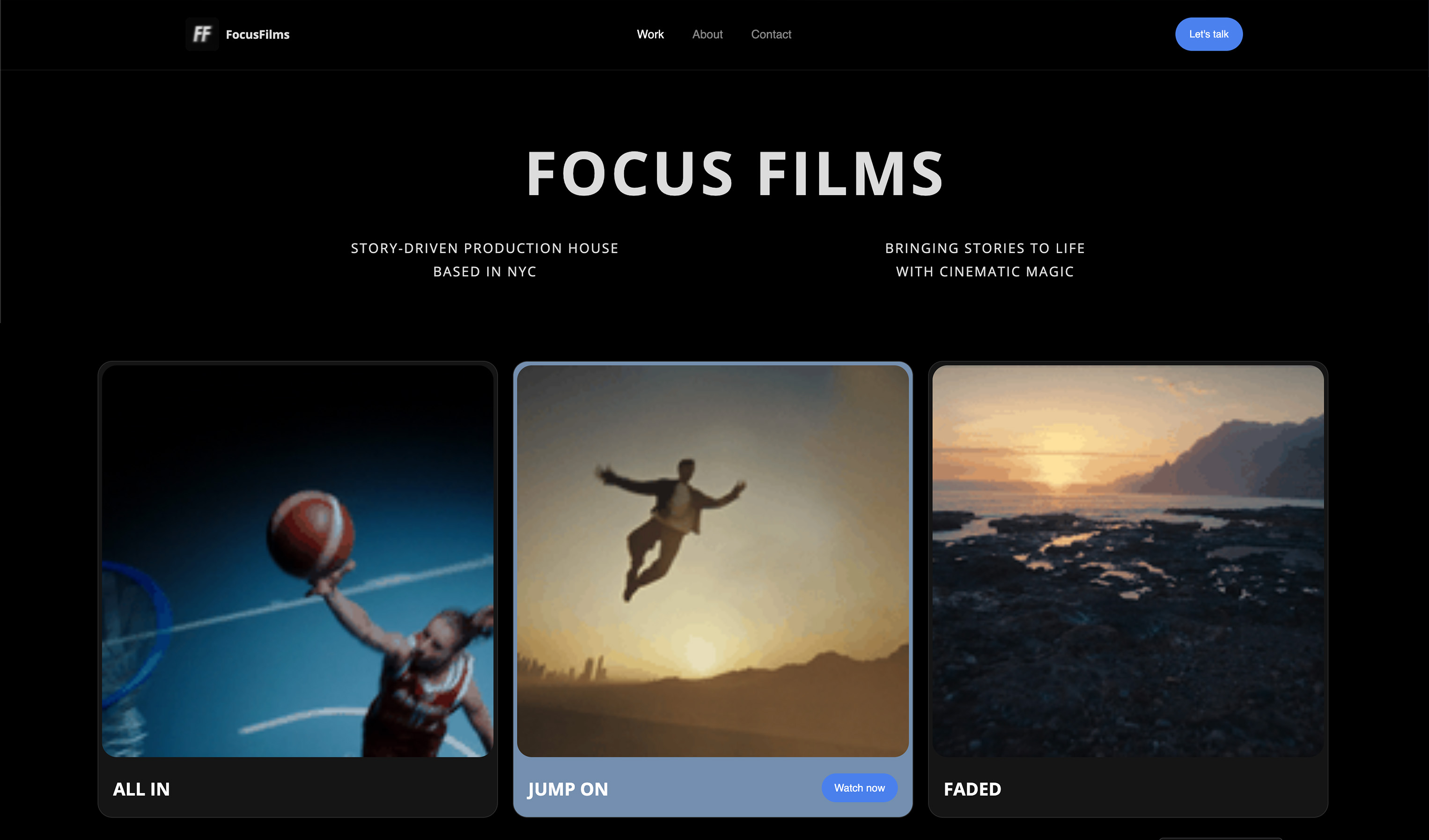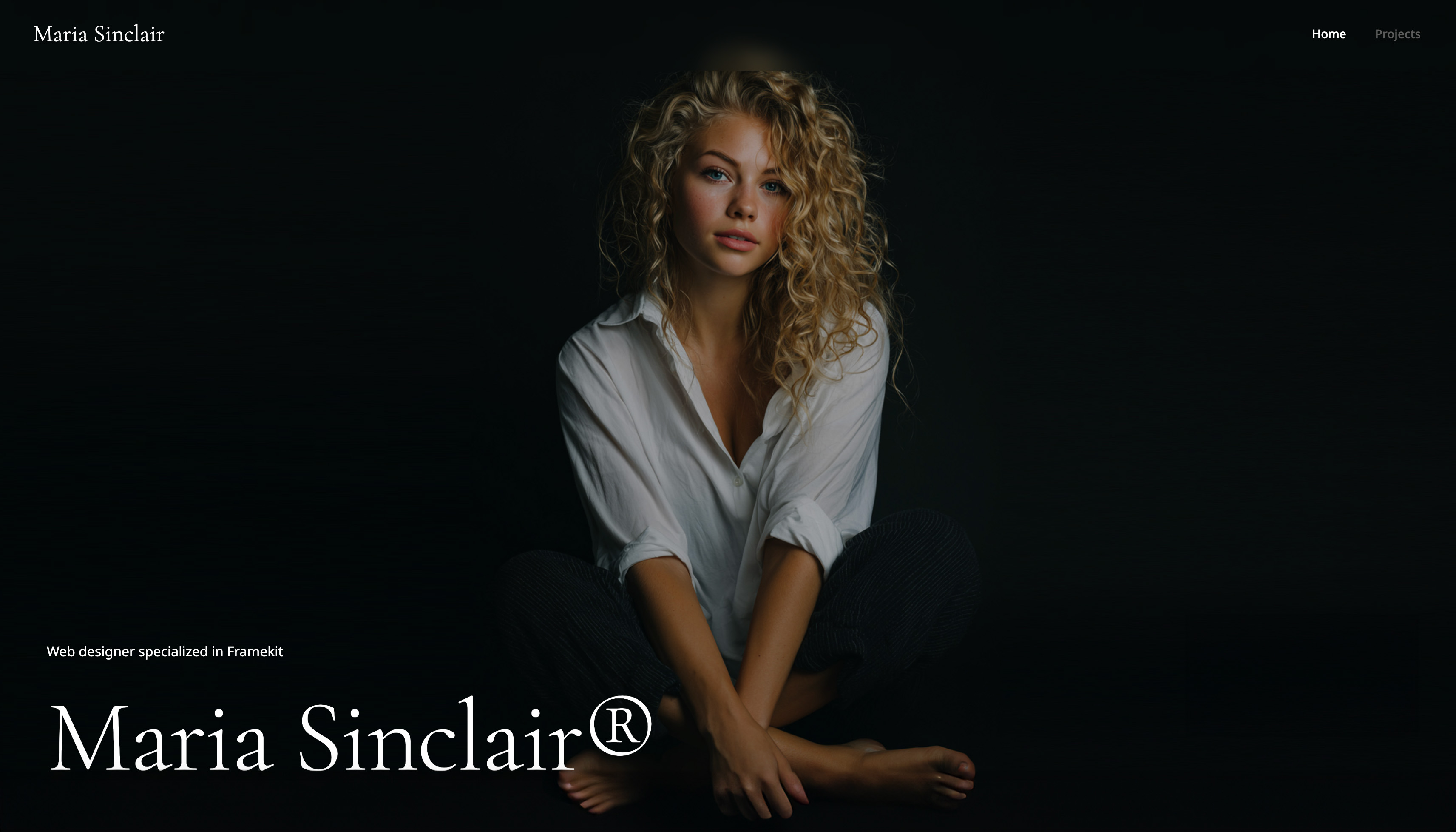
Framekit templates
Start from a designer-made template
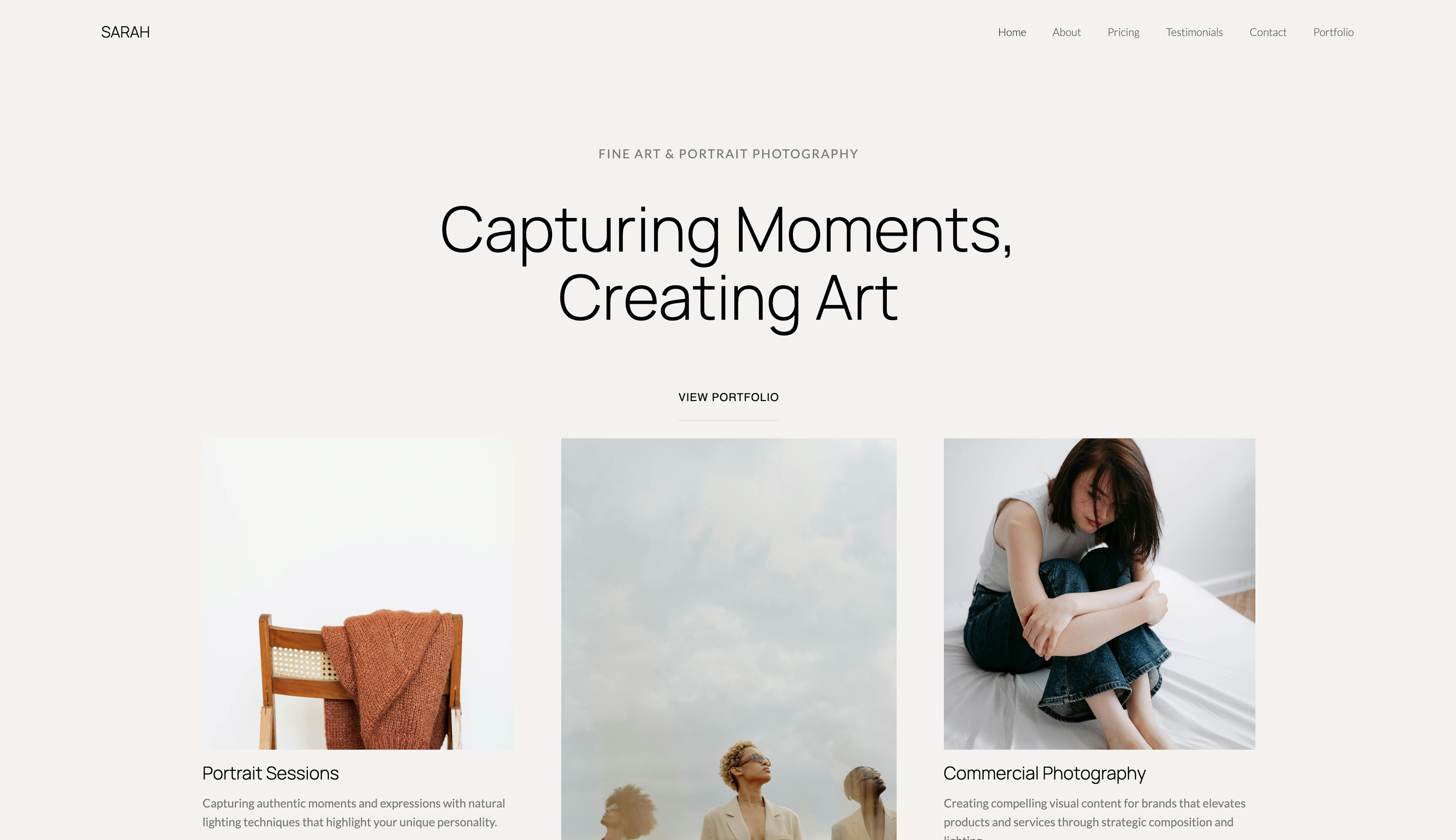 Use template
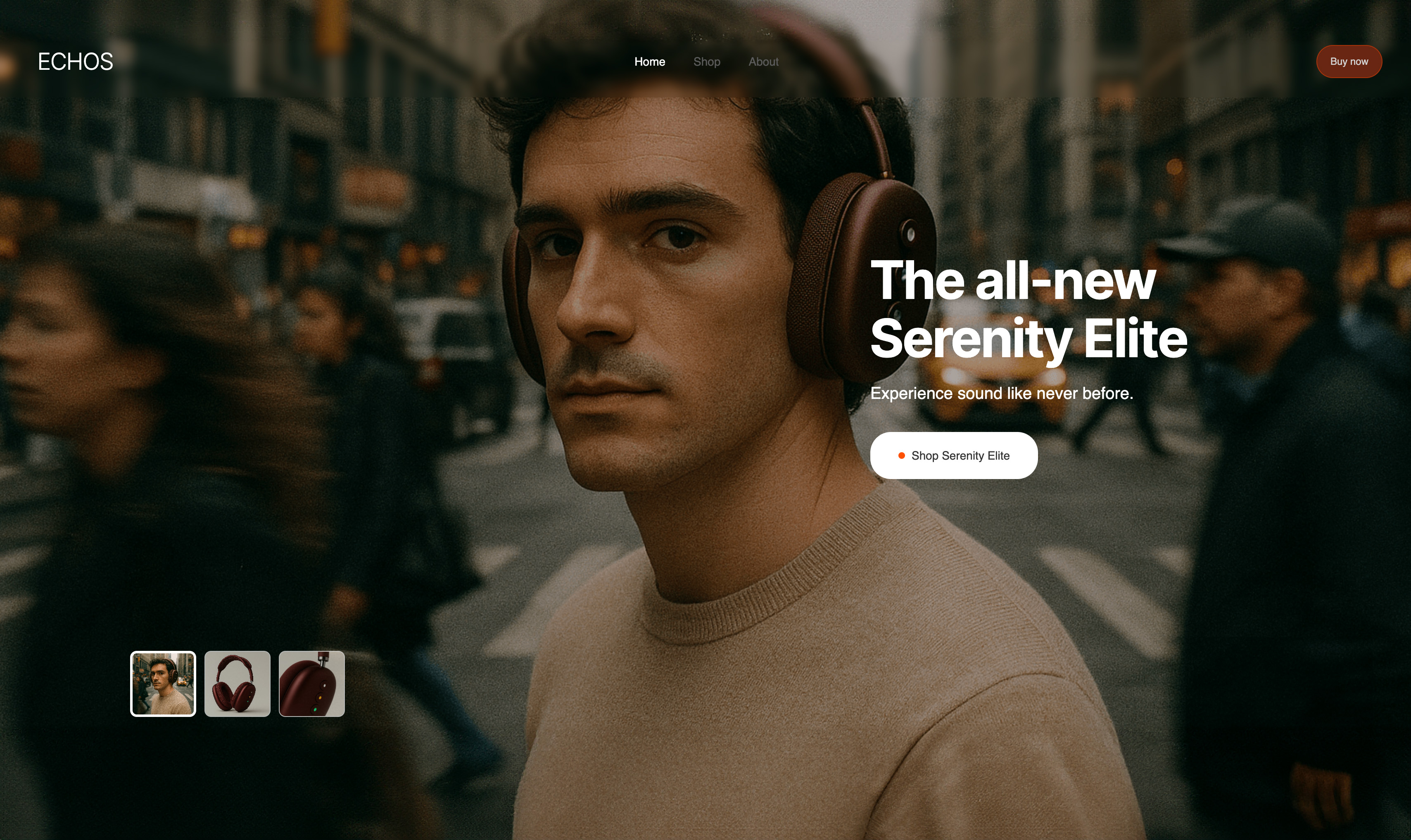 Use template
 Use template
 Use template
 Use template
 Use template
 Use template
 Use template
A surface pattern designer sells the same repeat a dozen ways - as a fabric swatch, a wallpaper roll, a licensed motif on someone else's product, and a digital file another maker prints at home - and the website builder you choose decides how much of that money, and which of those buyers, actually stay yours.
Right now the work is scattered: a print-on-demand shop takes its share and owns the buyer, a marketplace listing sits beside a thousand rivals, an Instagram grid crops your repeat mid-motif, and a licensing agent keeps your book in a PDF.
When a fabric brand, a stationery buyer, or a home-decor licensor wants to browse your collections and license one, you point them somewhere you do not control.
A surface pattern designer is only as bankable as those collections are easy to browse, trust, and buy from, and that is a website problem before it is a talent problem.
Every repeat you draw can earn in more than one place. The question is whether the earning, and the customer, comes home to a site you own or stays on a platform that rents you the shelf.
The pattern sold once, on someone else's storefront. A collection on your own site keeps selling, to the next buyer who searches your name.
A website builder for surface pattern designers is the platform you use to build a professional pattern site - collections shown as collections, a shop for digital files or physical goods, a licensing page a brand can act on, and a contact path - ideally on a domain you own, so a buyer finds a curated studio instead of a scattered set of listings.
This guide tests the best website builders for surface pattern designers on exactly those jobs, and it is honest about where a marketplace still beats a website.
The best website builder for surface pattern designers in 2026 is Framekit, because it turns a prompt into a pattern studio on your own domain - collections browsed as collections, a store for digital files that takes 5% falling to 0%, and a licensing page a brand can act on - so the sale and the customer stay yours.
The honest trade-off: if you want fabric and wallpaper printed and shipped for you, Spoonflower and other print-on-demand sites do the manufacturing a website cannot, and Patternbank still carries licensing buyers you have to reach some other way.
Framekit builds a pattern studio and shop from a prompt, on your own domain, and the free plan needs no credit card.
Full disclosure: Framekit, ranked #1 below, is our own product, so we have a stake in this. We built a pattern studio and shop on each tool, took every fee from each platform's published pricing in July 2026, and we say plainly where each one beats us: Spoonflower prints and ships physical goods we do not touch, Etsy and Creative Market bring marketplace traffic, and Squarespace ships more templates. Read the ranking knowing that.
How We Compared These Surface Pattern Website Builders
A pattern studio has to do two things at once that most builders treat as separate: present collections the way a buyer browses them - as bodies of coordinated work, not a stray grid - and sell, whether that is a digital file, a physical product, or a license.
We scored each tool on the five things that decide whether a pattern business runs on a website it owns, one section each below.
The five criteria, weighted in this order:
- Collections, not clutter. Can you group a coordinated set - a main print, its coordinates, and colorways - so a buyer sees a sellable collection instead of forty loose thumbnails.
- Selling digital files. Can the store deliver a downloadable repeat file cleanly, and what does the platform take on each sale.
- Physical and licensing paths. Can the site sell physical goods or, at least, present a licensing offer a brand can act on, and how honestly it admits what it cannot do.
- Ownership. A custom domain, a real customer list you keep, and an export that survives you switching tools.
- Speed to live. How fast you get from a folder of repeats to a studio a buyer can browse and buy from.
What we measured ourselves: we built a studio and listed a pattern on each. What we verified from primary sources, not tested: every fee percentage, read off each platform's own pricing and seller pages in July 2026.
What we report as community sentiment and label as such: recurring notes from working pattern designers about marketplace saturation and royalty rates - context we pass along, not benchmarks we ran.
Pattern Studios by the Numbers
Before the reviews, a few numbers frame the entire decision, because the money in surface pattern work is decided less by talent than by what each platform takes and who keeps the customer once a repeat sells:
- 5% is what Framekit's free and entry plans take on a file sale, dropping to 0% on the Business plan - a fee that shrinks as you grow, not a fixed marketplace cut.
- About 10% is the base royalty a print-on-demand site like Spoonflower pays the designer, because the other 90% pays to print and ship a physical product you never handle - a royalty, not a rip-off.
- Roughly 9.95% is Etsy's effective take on a $100 digital sale once its 6.5% transaction fee, $0.20 listing fee, and payment processing are added, before any optional ads.
- A third or more of each sale is what design-file marketplaces commonly keep, and every one of those sales puts your motif on a page beside a thousand competing ones.
- $0 is what Framekit's free plan costs to open a studio with a store and a custom-domain path, which no marketplace offers.
The Best Surface Pattern Website Builders in 2026: Full Comparison
We weighted collections and the cost of selling files highest, because a pattern business lives or dies on whether buyers can browse a coordinated range and whether the platform lets you keep what you earn; template polish broke ties.
| Tool | Best for | Collections | Sells digital files | Store fee | Own domain |
|---|---|---|---|---|---|
| Framekit | An owned studio that sells files and licenses | Yes, grouped | Yes, 5% to 0% | 5% to 0% | Yes |
| Squarespace | Templates plus a full store | Manual grids | Yes, on commerce plans | Plan-based | Yes |
| Wix | Hand-built layouts with a store | Manual grids | Yes, higher tiers | Plan-based | Paid plans |
| Format | Gallery-forward portfolios | Yes, ordered | Print-leaning store | Plan-based | Yes |
| Carrd | A one-page licensing card | One page | Via third parties | Third-party | Paid plans |
Fees are read from each platform's published pricing in July 2026; payment processing of roughly 2.9% plus $0.30 applies on top of any store's own fee, on every platform including Framekit.
1. Framekit: The Best Website Builder for Surface Pattern Designers in 2026
You describe the studio - "surface pattern portfolio, collections with coordinates and colorways, a shop for digital repeat files, a licensing page" - and Framekit drafts it: a home that leads with your strongest collection, collection pages that keep a main print and its coordinates together, a store, and a licensing contact.
You are refining a pattern studio that already reads like one, not assembling a grid from parts.
The detail that matters for pattern work specifically: collections stay grouped.
A main floral, its two coordinates, and three colorways live on one page as a sellable range, the way a fabric buyer or a licensor actually evaluates a collection - not as six unrelated thumbnails a general builder would scatter.
Full-resolution serving keeps the repeat crisp, and unlimited client galleries, password-protected on every plan, let you show a brand an unreleased range under wraps.
The number that separates it: on a file sale, Framekit takes 5% on the free and entry plans, 3% on Pro, and 0% on Business - and the buyer's email is yours, so the next release sells to a list you own instead of a marketplace's.
That is the reverse of a shelf you rent.
Framekit is an AI website builder that turns a prompt into a surface pattern designer's portfolio and shop - collections, licensing, and a store you own - on your own domain.
The honest gotcha: Framekit does not print or ship physical goods.
If your business is fabric-by-the-yard and wallpaper rolls produced on demand, you still need a print-on-demand partner for the manufacturing - Framekit is where you own the portfolio, the files, and the licensing, not a factory.
It is also newer than Squarespace, so the template count is smaller.
Skip it if: your entire business is physical print-on-demand and you never sell a file or license direct - then a manufacturing marketplace is doing work a website is not built to do.
Verdict: For a pattern designer who sells digital files and licenses and wants the collection, the sale, and the customer to stay theirs, Framekit is the best pick in 2026 - and it starts free.
2. Squarespace: Templates Plus a Full Store

Squarespace is the polished generalist, and for a pattern designer who wants a handsome site with a capable store attached, it is a fair choice. The templates are well made, the commerce tools are mature, and a studio built here looks the part.
Where it asks for patience is collections. Squarespace organizes by page and product, so grouping a coordinated range with its colorways into something a buyer reads as one collection is manual arrangement, redone whenever the range grows.
It handles a shop of individual files well; it handles a curated collection less naturally.
On price, Squarespace has no free tier beyond the trial, and its commerce capability lives on the higher plans, so the real entry cost arrives on day one (its published pricing starts at $16 a month on the Personal plan, with commerce features on Business and above, per Squarespace's pricing page).
Community sentiment we flag as such: designers praise the look and wish the collection grouping were less hand-built.
Skip it if: your catalog is deeply collection-based and you do not want to rebuild the grouping by hand each season.
Verdict: A polished store-and-site generalist that treats a collection as a set of products to arrange yourself. Already on it? Our creative-professional builder guide covers where it fits and where it does not.
3. Wix: Hand-Built Layouts With a Store
Wix gives you a blank canvas and pixel control, plus a store on its higher tiers, so you can build precisely the pattern studio you picture. For a designer who enjoys arranging every element, that freedom is real.
The cost of that freedom is time and upkeep. Laying out coordinated collections by hand is an evening's work, and keeping them consistent as the catalog grows is ongoing.
Wix has a free plan carrying Wix branding and a subdomain, with custom-domain plans opening around $17 a month on the Light plan billed annually, and commerce on higher tiers, where the platform takes its share on top of payment processing.
The trade is the familiar one: a builder that drafts a studio from a prompt gets you selling this week, while Wix gets you there when the arranging is finished.
Skip it if: you would rather draw repeats than nudge boxes - hand-building the store is time not spent on the next collection.
Verdict: The most flexible canvas here and the most maintenance, with collections left to your own arranging. If the upkeep is wearing, our creative-professional guide lists lighter options.
4. Format: The Gallery-Forward Portfolio
Format is built for visual portfolios, so it shows a pattern collection cleanly and keeps galleries in the order you set - a genuine strength for the portfolio half of the job. For presenting collections to a licensor, it is more at home than the general builders.
Format's entry plan runs around $10 a month billed annually, which is gentle, and it includes client-proofing tools aimed at photographers.
Its store, though, leans toward selling prints and physical goods, so delivering a downloadable repeat file as a first-class product is not its native strength.
The honest limit: Format shows collections well and sells prints well, but a digital-file storefront and a licensing flow are not what it was built around, and it has no marketplace traffic of its own.
Skip it if: selling digital pattern files and licenses direct is central - you will want a store that treats a downloadable file as a real product, not an add-on.
Verdict: A strong portfolio host for showing collections, weaker as a digital-file store. Comparing it head to head? See our Format alternatives for the selling angle.
5. Carrd: The One-Page Licensing Card
Carrd builds a single clean page fast and cheap, and for a designer who wants a simple licensing card - name, a few hero repeats, a line about licensing, and a contact form - it is efficient, and nothing here beats it on raw price.
Carrd's free tier covers a basic page, and Pro runs from about $19 a year, the lowest entry cost in this comparison. A domain, a headline, and a handful of coordinated images go up in an evening.
The ceiling is that it is one page. There is no room for a browsable catalog of collections, no native store for files, and no real licensing structure beyond a contact link. It is a card, not a studio.
Skip it if: you have more than one collection to show or anything to sell directly - a single page runs out the moment a buyer asks to see your range.
Verdict: The cheapest, fastest professional one-pager, and only that. When one page stops holding your catalog, our Carrd alternatives cover where to move.
Website Builder vs Marketplace: Where a Surface Pattern Designer Actually Sells
This is the decision under the whole post, so here it is plainly. A marketplace brings traffic and, in the print-on-demand case, does the manufacturing; in exchange it takes a share of every sale and owns the customer.
Your own site brings no traffic on day one, but it keeps the customer, the margin, and the collection under your name. Most working pattern designers use both, and the honest split is by what is being sold.
Selling digital repeat files or licenses: your own site wins clearly.
On a marketplace, a design-file platform commonly keeps a third or more of each sale and shows the buyer a wall of rivals; Etsy's effective take on a digital sale lands near 9.95% once its 6.5% transaction fee, $0.20 listing, and processing are counted, and the buyer is Etsy's, not yours.
On a Framekit store the fee is 5% falling to 0%, plus the same payment processing everyone pays, and the customer's email is yours for the next release.
The per-sale gap against Etsy is modest on one order; against a file marketplace's cut it is large, and the customer ownership compounds every season.
Selling physical fabric and wallpaper: the marketplace wins, honestly.
Spoonflower and similar print-on-demand sites pay the designer around a 10% royalty because the other 90% prints, cuts, and ships a physical product you never touch - that is manufacturing, not a platform being greedy, and no website builder replaces it.
The right move is to let print-on-demand handle production and point buyers and licensors at a portfolio you own.
Licensing to brands: reach lives on licensing marketplaces and with agents, and your own site closes.
A platform like Patternbank puts your work in front of buyers you cannot reach alone; a professional studio at your own domain is what makes those buyers take you seriously and act.
Use the marketplace for the introduction and the owned site for the credibility, the same way an illustrator uses a discovery network - our Behance alternatives guide walks that identical trade-off.
What It Costs to Sell a $12 Pattern File
The fee differences sound abstract until you put a real price through them, so here is a single $12 downloadable repeat sold three ways, with every platform fee and payment-processing cost counted, before your own costs:
- Your own Framekit store, entry plan: 5% is $0.60, payment processing is roughly $0.65, so you net about $10.75 - and you keep the buyer's email.
- Etsy: the 6.5% transaction fee is $0.78, the listing fee is $0.20, processing is about $0.61, so you net about $10.41 - and the buyer belongs to Etsy.
- A design-file marketplace keeping a third: roughly $4 goes to the platform, so you net about $8 - beside a page of competitors.
On a single sale, your store beats Etsy by about a third of a dollar and a file marketplace by around three. The number that actually moves your year is the second one, plus the fact that on your own store the customer comes back to you.
On Framekit's Business plan the fee is 0%, so the file nets about $11.35 after processing, though that plan costs $39 a month and only pays off at real volume - a threshold, stated plainly, not a promise.
How to Choose Your Surface Pattern Website Builder
The right tool depends almost entirely on what you sell most - files, physical goods, or licenses - so answer these in order and stop at the first line that matches how your pattern business actually earns its money:
- You sell mostly digital files and licenses and want to own the collection and the customer. Framekit, on the free plan to start.
- Your business is fabric and wallpaper printed on demand. Let a print-on-demand marketplace manufacture, and keep a Framekit or portfolio site as the studio you send licensors to.
- You want the widest template library and a full store, and will group collections by hand. Squarespace.
- You just need a licensing card and a contact form. A Framekit or Carrd one-pager.
Most designers who sell files direct land on the first line: an owned studio that shows collections as collections and keeps what each file earns.
Frequently Asked Questions
What is the best website builder for surface pattern designers in 2026?
Framekit is our pick, because it turns a prompt into a pattern studio on your own domain, groups coordinated collections the way buyers browse them, and includes a store that takes 5% falling to 0% while keeping the customer's email yours.
The honest trade-offs: Spoonflower and other print-on-demand sites manufacture physical goods Framekit does not, and Patternbank carries licensing buyers you reach some other way.
Framekit's free plan lets you build the whole studio before you pay anything.
Should surface pattern designers sell on Spoonflower or their own website?
Both, split by product.
Spoonflower and similar print-on-demand sites are the right place to sell physical fabric and wallpaper, because they print and ship the goods and the roughly 10% designer royalty pays for that manufacturing - a website builder cannot replace it.
Your own site is the right place to sell digital repeat files and licenses and to present your collections, because it keeps far more of each file sale and the customer stays yours.
Let print-on-demand handle production, and own the portfolio and the licensing.
How much does it cost to sell a pattern on your own site vs a marketplace?
On a $12 digital file, a Framekit store on the entry plan keeps about $10.75 after its 5% fee and payment processing, while Etsy leaves you about $10.41 after its 6.5% transaction fee, $0.20 listing, and processing, and a design-file marketplace that keeps a third leaves roughly $8.
The single-sale gap against Etsy is small; the gap against a file marketplace is large, and on your own store the customer's email is yours, so repeat sales compound in your favor rather than the platform's.
Can I license my patterns from my own website?
Yes, and a professional site at your own domain is often what makes a brand take a licensing conversation seriously.
Present collections clearly, add a licensing page that states what is available and how to inquire, and use password-protected galleries to show unreleased ranges under wraps - all of which Framekit supports.
Licensing marketplaces and agents still bring reach you cannot manufacture alone, so the working pattern is to use them for the introduction and your owned studio to close, keeping the terms and the relationship yours.
Do I need a custom domain as a surface pattern designer?
For anyone selling or licensing seriously, yes.
When a fabric brand, a stationery buyer, or a licensor searches your studio name, a site at your own domain is the result you control - your collections, your shop, and your licensing offer in one professional place - rather than a marketplace listing mixed with strangers.
A custom domain also makes an emailed portfolio read as a studio rather than a hobby. Most builders here include a domain on paid plans, and Framekit gives you a custom-domain path from the free tier.
What is the cheapest way to get a surface pattern portfolio online?
Framekit's free plan is the cheapest way to get a real studio with a store and a custom-domain path, since it costs nothing to start. Carrd is the cheapest one-page option at about $19 a year if all you need is a licensing card.
Selling physical goods through a print-on-demand site also costs nothing up front, since the platform only earns when a product sells - though it keeps most of that sale to cover manufacturing.
The catch on any free website tier is the subdomain, so plan to move to an entry plan for your own domain once the studio is ready to be judged.
Is Etsy or my own store better for selling digital patterns?
For digital pattern files, your own store keeps more of each sale and, more importantly, keeps the customer.
Etsy's effective take on a digital sale is near 9.95% after its 6.5% transaction fee, $0.20 listing, and payment processing, and the buyer is Etsy's to remarket to; a Framekit store takes 5% falling to 0% and the buyer's email is yours.
Etsy's advantage is its built-in search traffic, so many designers list there for discovery and drive repeat buyers to an owned store where the margins and the relationship are better.
Is Framekit or Squarespace better for a surface pattern designer?
Both build a real store, and the difference is collections and cost.
Squarespace has more templates and mature commerce, but it organizes by product, so grouping a coordinated range with its colorways into a collection a buyer reads as one thing is manual and repeated each season.
Framekit groups collections out of the box, starts free, and takes 5% falling to 0% on file sales while keeping the customer yours.
If your catalog is deeply collection-based and you sell files direct, Framekit fits the work; if you want the widest template library and will arrange collections by hand, Squarespace is reasonable.
Final Verdict: The Best Website Builder for Surface Pattern Designers in 2026
After building a studio and listing a pattern on all five, the pattern is clear: the tools differ mostly in whether they group collections the way buyers browse them, what they take when you sell a file, and how completely you own the result - and none of them prints your fabric for you.
Framekit is the best website builder for surface pattern designers in 2026 who sell digital files and licenses and want a studio they own - collections shown as coordinated ranges, a store that keeps 95% to 100% of each file sale, licensing presented professionally, and the customer's email theirs - built from a prompt in an afternoon.
It shows a collection the way a buyer reads one, it keeps what each sale earns, and it stays yours through every season and every brand.
Who should not use Framekit: if your business is entirely physical print-on-demand, a manufacturing marketplace like Spoonflower is doing work a website cannot, and its royalty is the price of the printing - build the owned studio as your portfolio, but let them make the goods.
And if all you need is a single licensing card, Carrd does it for about $19 a year, so Framekit is more than that job requires.
On pure marketplace traffic on day one, Framekit loses to Etsy and the file marketplaces, plainly, until your own audience grows.
Squarespace is the template-rich store generalist, Wix the hand-built canvas, Format the gallery-forward portfolio, and Carrd the cheap card.
But if you want a studio that shows your collections, keeps what your files earn, and stays yours, build it and point every marketplace listing back to it.
For more, read our best website builders for creative professionals, the best website builder for calligraphers for another own-store business, how to sell art online from your own website, and website vs Instagram for creatives.
And if you design the garments those repeats live on, see our best website builders for fashion designers.