Framekit templates
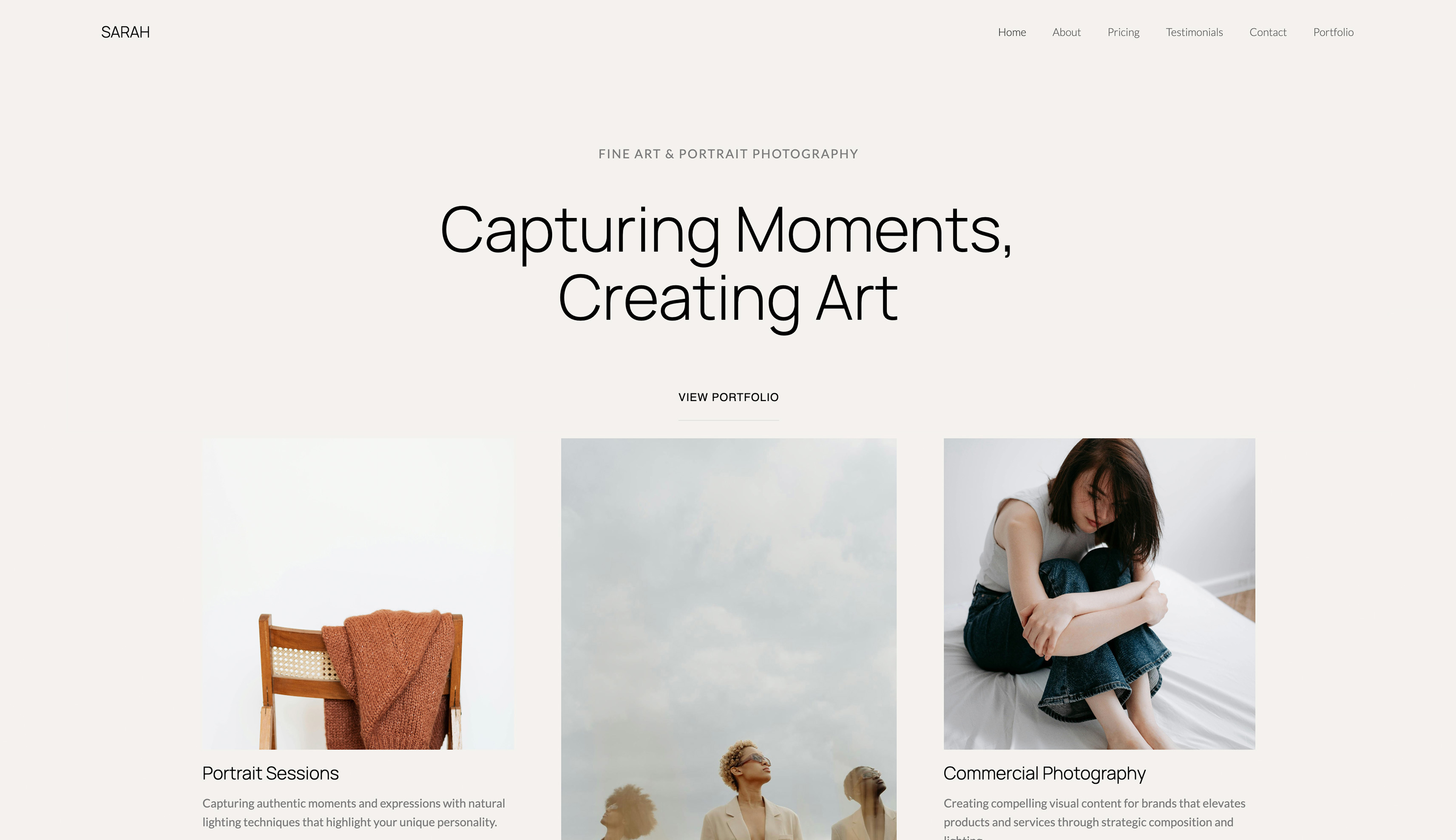
Start from a designer-made template
 Use template
 Use template
 Use template
 Use template
 Use template
 Use template
 Use template
 Use template
You have a weekend and a site to build, and you have narrowed it to two tools.
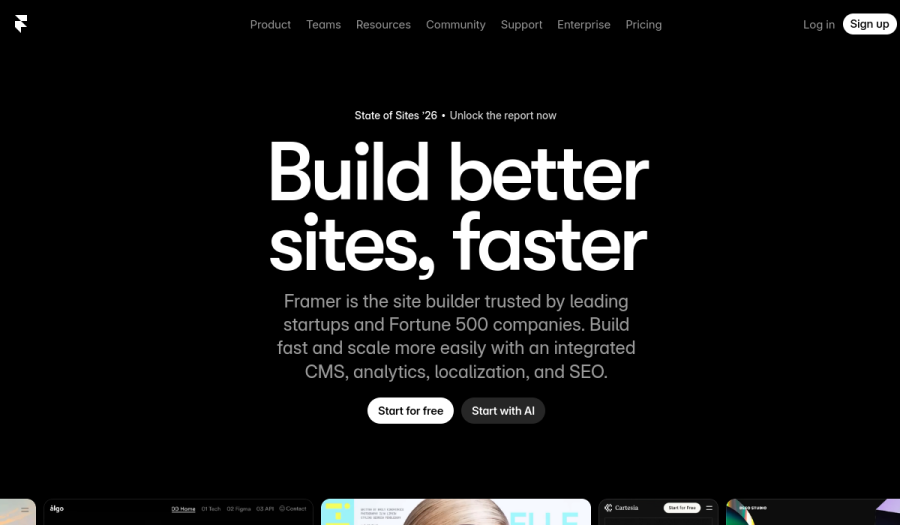
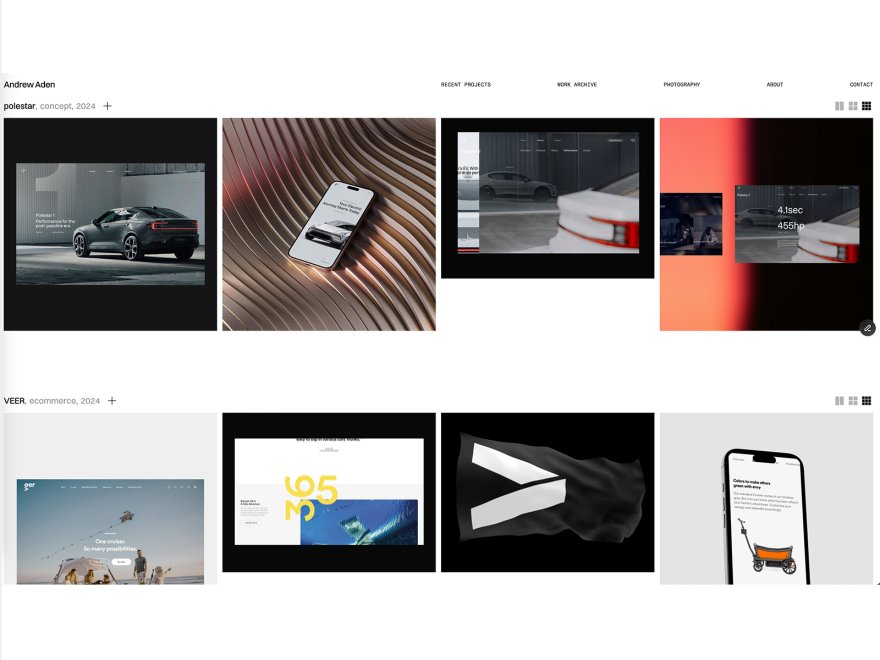
Framer looks like a design studio made it - the templates move, the type is perfect, the whole thing feels like a portfolio a creative director would sign off on.
Framekit promises the same result without the weekend: describe the site, get a draft, refine it, done. So the choice is not really Framekit versus Framer on quality - both make a good-looking site.
It is whether you want to operate a design tool, or want a site that is finished and already running a store and galleries by Sunday night.
That is the honest frame for this comparison. Framer is a design canvas you master; Framekit is an AI builder that drafts the site and runs the business around it. Which wins depends on whether design is the craft you are showing off, or the obstacle between you and a live site.
The most beautiful site is worth nothing until it is published, owned, and doing a job.
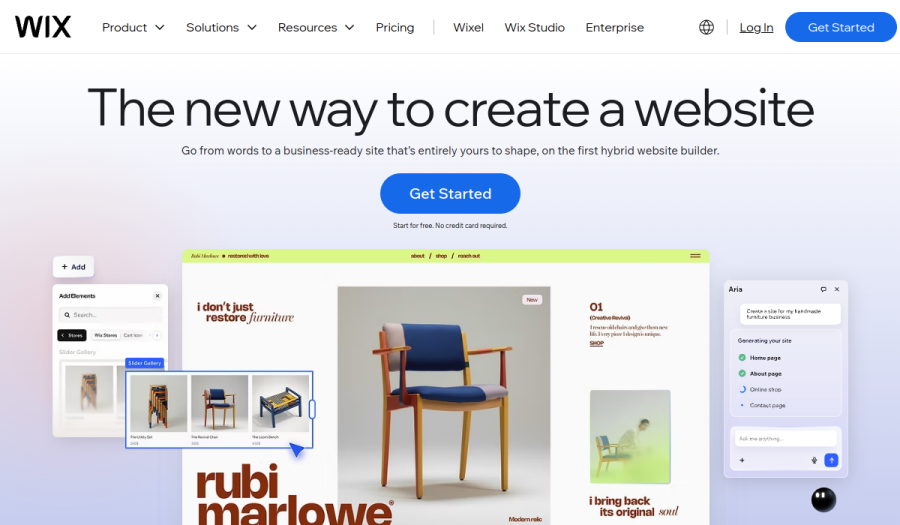
An AI website builder is a tool that generates a whole site from a description; a design tool is a canvas you build on by hand.
Framekit is an AI website builder that drafts your whole site from a prompt and runs a store and client galleries, where Framer is a design canvas you build on by hand, one section at a time.
Framekit wins for a creator who wants a finished, owned site fast - one that also sells products and delivers client galleries - because it drafts the whole thing from a prompt and includes a store and galleries Framer does not.
Framer wins for a designer who wants deep control over layout, animation, and interaction and will invest the time to learn a design tool, because its canvas goes further on pure design than an AI draft.
The deciding question: do you want to design the site, or run a business from it?
Framekit drafts a full site with a store and galleries from a prompt, and the free plan needs no credit card.
Full disclosure: Framekit is our own product, so we have a stake in this comparison. We built the same site on both, checked Framer's plans and limits against its own pages in July 2026, and we say plainly where Framer wins: for deep design control, animation, and a pixel-level canvas, Framer beats an AI draft, and we do not pretend otherwise. Read on knowing that.
How We Compared Framekit and Framer
We built the same thing on each - a portfolio, a place to sell one $30 product, and a client gallery to deliver a shoot - and judged them on the five things that decide which tool a creative should live in.
What we confirmed from Framer's own pages rather than tested: its plans, credit limits, and feature gates, read in July 2026 and linked below.
Ease and speed. How fast you get from nothing to a finished, live site, and whether you need to learn a design tool.
Design control. How far you can push layout, type, animation, and interaction.
Ownership. Whether the site and content are yours on your own domain.
Selling and delivery. Whether the site can run a store and deliver client work, or only present.
Cost. What each actually costs, including how Framer meters usage in credits.
Framekit vs Framer at a Glance
The short version: Framer is the stronger pure design tool, and Framekit is the stronger creative-business platform - it does the parts of running a site, selling and delivering, that Framer leaves out.
| Feature | Framekit | Framer |
|---|---|---|
| Type | AI website builder | Visual design tool |
| How you build | Describe it, refine an AI draft | Design on a canvas by hand |
| Learning curve | Minimal | Real, days to weeks |
| Online store | Yes, digital products at 5% to 0% | Basic |
| Client galleries | Yes, on every plan | No |
| Design and animation control | Editable AI draft | Deep, pixel-level |
| Custom domain | $9 Starter plan | $10 Basic plan |
| Best for | A finished site that sells and delivers | A designed site you control |
Framer's plans, credits, and limits confirmed against its published pricing in July 2026.

Ease and Speed: AI Draft vs. a Design Canvas
In one lineFramekit gets you a finished, live site in an afternoon by drafting it from a description; Framer gets you a more precisely designed site over a longer learning curve, because it is a design tool you operate rather than an assistant that drafts for you.
This is the sharpest difference. Framer is a genuine design tool - a canvas with layers, breakpoints, and interaction controls - which is powerful and takes real time to learn.
A capable designer is productive in days; someone who does not design for a living can lose the weekend to it and still not have it perfect.
Framekit inverts the flow. You describe the site you want, or upload a screenshot of a look you like, and it drafts the pages - layout, structure, copy - which you then edit block by block.
There is no canvas to master, because the starting point is already a site. For most creators who want to be live and get back to their actual work, that is the difference between shipping this weekend and learning a tool this weekend.
Design Control: Where Framer Wins
In one lineFramer gives deeper, pixel-level control over layout, animation, and interaction than an AI draft does, so if the design itself is the deliverable, Framer is the better tool and we will not pretend otherwise.
Credit where it is due: Framer is one of the best visual design tools on the web.
Its control over spacing, typography, scroll and hover animations, and custom interactions goes further than Framekit's editable draft, and for a designer whose portfolio has to demonstrate craft down to the easing curve of a transition, that ceiling matters.
Framekit gives you a strong, on-brand, editable site, and you can shape it - but it is a draft you refine, not a canvas you command. If you are a designer selling design, that is a real limit, and Framer is the honest pick.
If you are a photographer, an illustrator, a maker, or a founder who needs a professional site rather than a design demonstration, the ceiling Framer offers is control you will not use, bought with time you would rather spend elsewhere.
Selling and Delivery: Where Framekit Wins
In one lineFramekit includes a real store for digital products and client galleries for delivering work; Framer has only basic selling and no client-gallery system, so a creative who sells or delivers gets it all in one place with Framekit and needs extra tools with Framer.
This is the mirror image of design control. Framer designs a beautiful site and largely stops there - its native selling is basic, and it has no client-gallery workflow for handing a shoot to a paying client.
So a photographer or a creator who sells ends up pairing Framer with a separate store and a separate gallery tool: three subscriptions, three brands.
Framekit builds the site and the business around it. A $30 product sells from the built-in store at a fee that starts at 5% and drops to 0%, and client galleries deliver a shoot with passwords and downloads, all on the same owned domain.
For a working creative whose site has to transact and deliver, not just present, this is usually the deciding factor - a site that runs the business beats a site that only looks good.
See how creators pair a portfolio with a shop.
Ownership and Cost: Close, With a Credits Catch
In one lineboth put your site on a custom domain for a similar price, but Framer meters usage in monthly credits where Framekit does not, so the real cost depends on how much you lean on the metered features.
On ownership, the two are even: both let you use a custom domain on a paid plan - Framekit on the $9 Starter plan, Framer on the $10 Basic plan - so with either the site reads as yours. Both are far more owned than a social profile.
The cost wrinkle is Framer's credits.
Framer's plans include a monthly credit allowance that meters AI and certain features, so the more you use the parts that felt effortless, the sooner you meet a ceiling, per its published pricing.
Framekit's plans are not metered that way - the plan is the plan. For a light site the two cost about the same; for a creator who leans on AI and dynamic features, the metering is a real difference to price in.
And only one of the two plans includes a store and galleries at no extra tool cost, which is the larger money story for anyone who sells.
Who Should Pick Which
In one linepick Framer if you are a designer whose craft is the site itself; pick Framekit if you want a finished, owned site that sells and delivers without learning a design tool.
Choose Framer if the design is the deliverable - you are a designer or studio whose portfolio must demonstrate advanced layout, animation, and interaction, and the learning curve is a professional investment you are glad to make.
For that person, Framer's ceiling is the whole point, and an AI draft would cap the very thing they are selling.
Choose Framekit if the site is the storefront, not the product - you are a photographer, illustrator, maker, or founder who needs a professional site live fast, that also sells products and delivers client work, on a domain you own.
For that person - which is most working creatives - the store, the galleries, and the speed are worth more than a design ceiling they will not push, and Framekit delivers all three from a prompt.
Frequently Asked Questions
Is Framekit or Framer better in 2026?
It depends on whether you want to design the site or run a business from it.
Framekit is better for a creator who wants a finished, owned site fast that also sells products and delivers client galleries, because it drafts the whole site from a prompt and includes a store and galleries Framer lacks.
Framer is better for a designer who wants deep, pixel-level control over layout and animation and will invest time learning a design tool.
Most working creatives are better served by Framekit's speed and built-in business; designers selling design are better served by Framer's ceiling.
Is Framer hard to learn?
Framer has a real learning curve, because it is a genuine design tool with a canvas, layers, breakpoints, and interaction controls rather than a template you fill in.
A designer who already thinks in layout is productive in days; someone who does not design for a living can spend a weekend and still not have it perfect.
That curve is worth it if design control is your goal, and a cost if you just want a site live. Framekit avoids the curve by drafting the site from a description, so you edit rather than build.
See our best Framer alternatives.
Can you sell products on Framer?
Framer's native selling is basic - it can handle simple sales but does not offer a full store with product pages, a cart, and digital delivery the way a commerce-focused builder does, and it has no client-gallery system for delivering work to paying clients.
So a creator who sells more than occasionally, or who delivers client shoots, typically pairs Framer with separate store and gallery tools.
Framekit includes a real store for digital products at a fee that starts at 5% and drops to 0%, plus client galleries, on the same site - which is the main reason a selling creative would choose it over Framer.
Does Framer or Framekit have better design?
Framer has deeper design control - pixel-level layout, advanced animation, and custom interactions that go further than Framekit's editable AI draft, which is why designers whose craft is the site itself prefer it.
Framekit produces a strong, modern, on-brand site from a prompt that most creators find more than good enough, and far faster to reach, but it is a draft you refine rather than a canvas you command.
For pure design ceiling, Framer wins; for a great-looking site with no learning curve and a business built in, Framekit wins. The right answer depends on whether design is your product.
How much do Framekit and Framer cost?
Both start free on a subdomain and charge for a custom domain: Framekit is $9 a month on Starter, and Framer is $10 a month on Basic, with Framer's Pro around $30. The difference is what the plan includes and how it is metered.
Framer meters usage in monthly credits, so heavy use of AI and dynamic features can hit a ceiling, while Framekit's plans are not metered that way.
Framekit's plans also include a store and client galleries at no extra tool cost, where Framer's selling is basic and galleries absent - so for a creator who sells, Framekit does more for a similar price.
Can I move my Framer site to Framekit?
Not with a one-click import, because the two build sites differently, so moving means rebuilding the pages in Framekit and pointing your domain at it.
In practice this is quick, because Framekit drafts a site from a prompt or a screenshot, so you can recreate your Framer site's look fast and then add the store and client galleries Framer never had.
It is a natural moment to consolidate: if you were running Framer plus a separate store and gallery tool, rebuilding on Framekit can replace three subscriptions with one. Keep your copy and images; describe the site and refine the draft.
Is Framer or Framekit better for a photographer?
For most photographers, Framekit is better, because it pairs the portfolio with client galleries to deliver shoots and a store to sell digital files, all on one owned domain, which Framer cannot do natively.
Framer would give a photographer a beautiful portfolio but no way to deliver galleries or sell without extra tools.
The exception is a photographer whose site must demonstrate advanced interactive design as part of their brand, where Framer's ceiling helps. For the working photography business of shoot, deliver, and sell, Framekit does it in one place.
See our best client gallery platforms.
Is Framer worth it for a simple website?
For a simple website, Framer is often more tool than you need - its power is in design control and animation, which a simple brochure or portfolio site does not require, and its learning curve is a cost you pay whether or not you use that power.
For a simple site, an AI builder like Framekit that drafts the whole thing from a description gets you the same clean result faster and with a store and galleries if you ever want them.
Framer earns its curve when you want a distinctly designed, animated site; for simple-and-done, an AI builder is the lighter path.
See our best easy-to-use AI website builders.
The Verdict: Framekit vs Framer in 2026
Framekit and Framer both make good-looking sites, so the choice is not about quality - it is about what you want to spend your time on and what the site has to do.
Framer is a design canvas you master; Framekit is an AI builder that drafts the site and runs the store and galleries around it.
Framekit wins for most working creatives, because most need the site to be finished fast and to do a job - sell a product, deliver a client gallery, represent them professionally - rather than to demonstrate design craft.
It drafts that site from a prompt, on your own domain, starting free and $9 a month for a custom domain, with the store and galleries built in.
Where Framekit loses: if the design itself is your deliverable - you want pixel-level control, advanced animation, and a canvas to command - Framer is the more powerful tool and we will not pretend an AI draft matches it. For a designer selling design, Framer is the right call.
So the honest rule: to design the site as your craft, choose Framer; to run a business from a finished site without learning a design tool, choose Framekit.
For more, read our best Framer alternatives, the best easy-to-use AI website builders, our Framekit vs Webflow comparison, and best website builders for creative professionals.
Or compare more head-to-heads: Framekit vs Adobe Portfolio, Framekit vs Format, and Framekit vs Pixieset.