Framekit templates
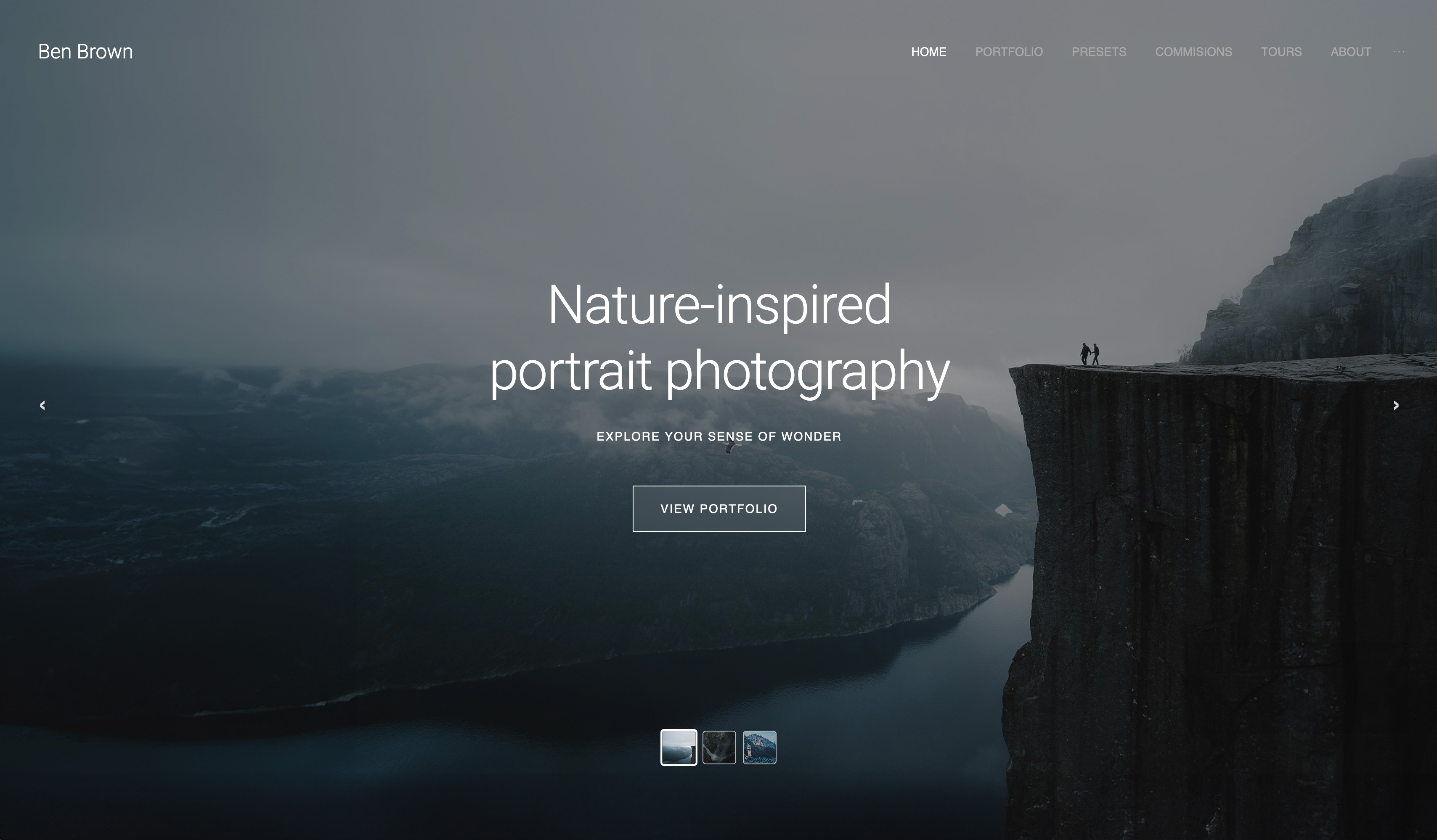
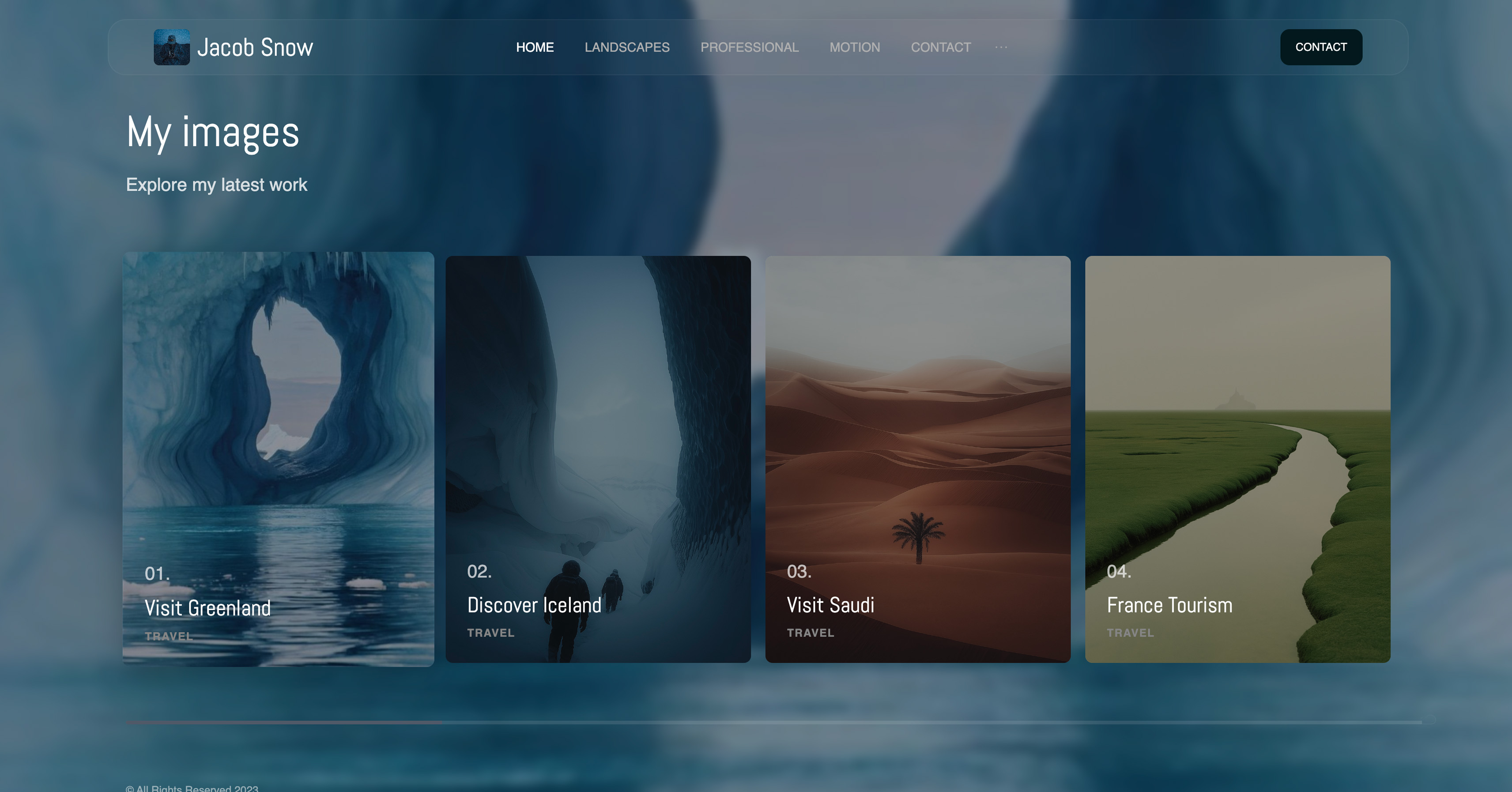
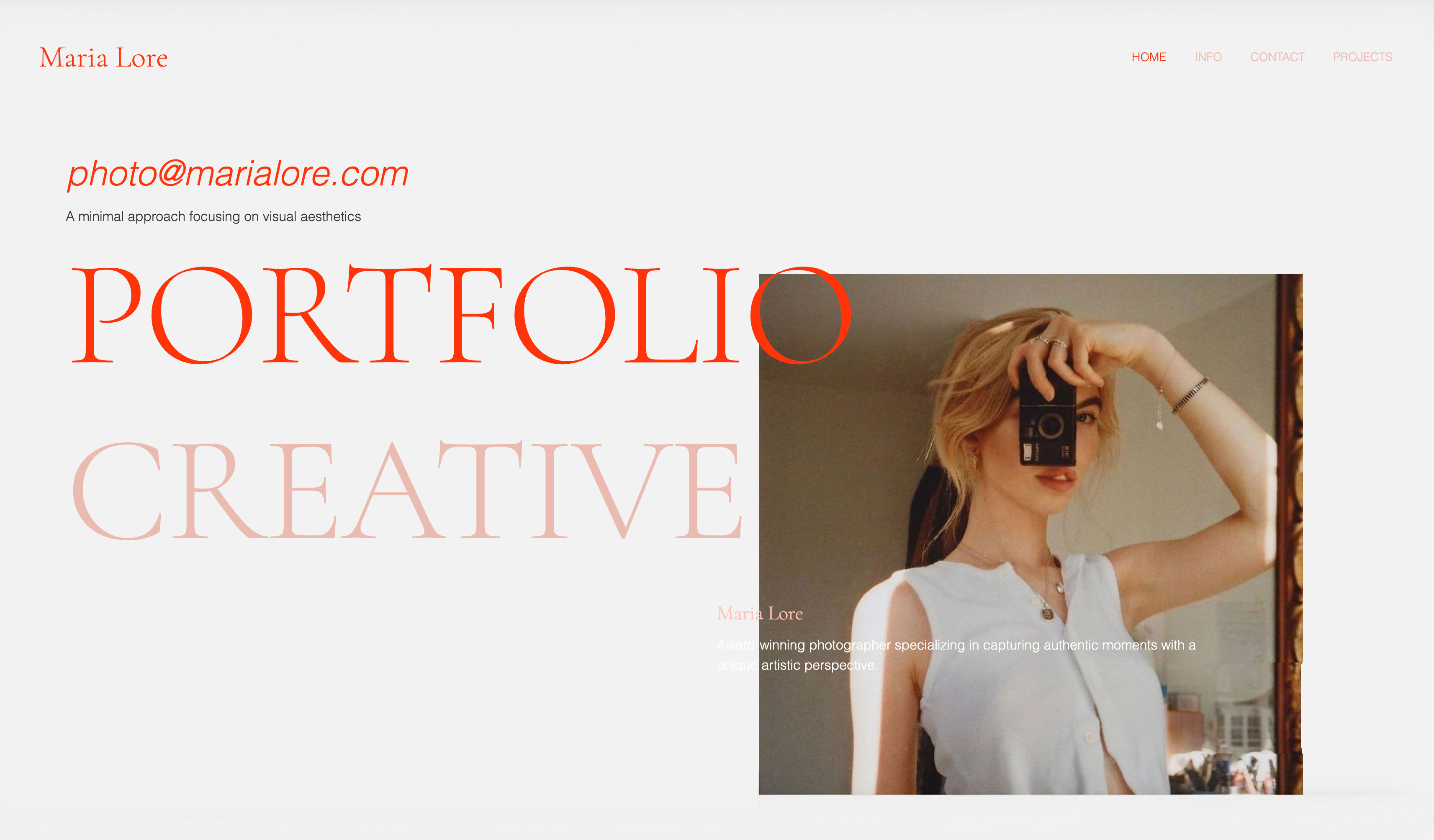
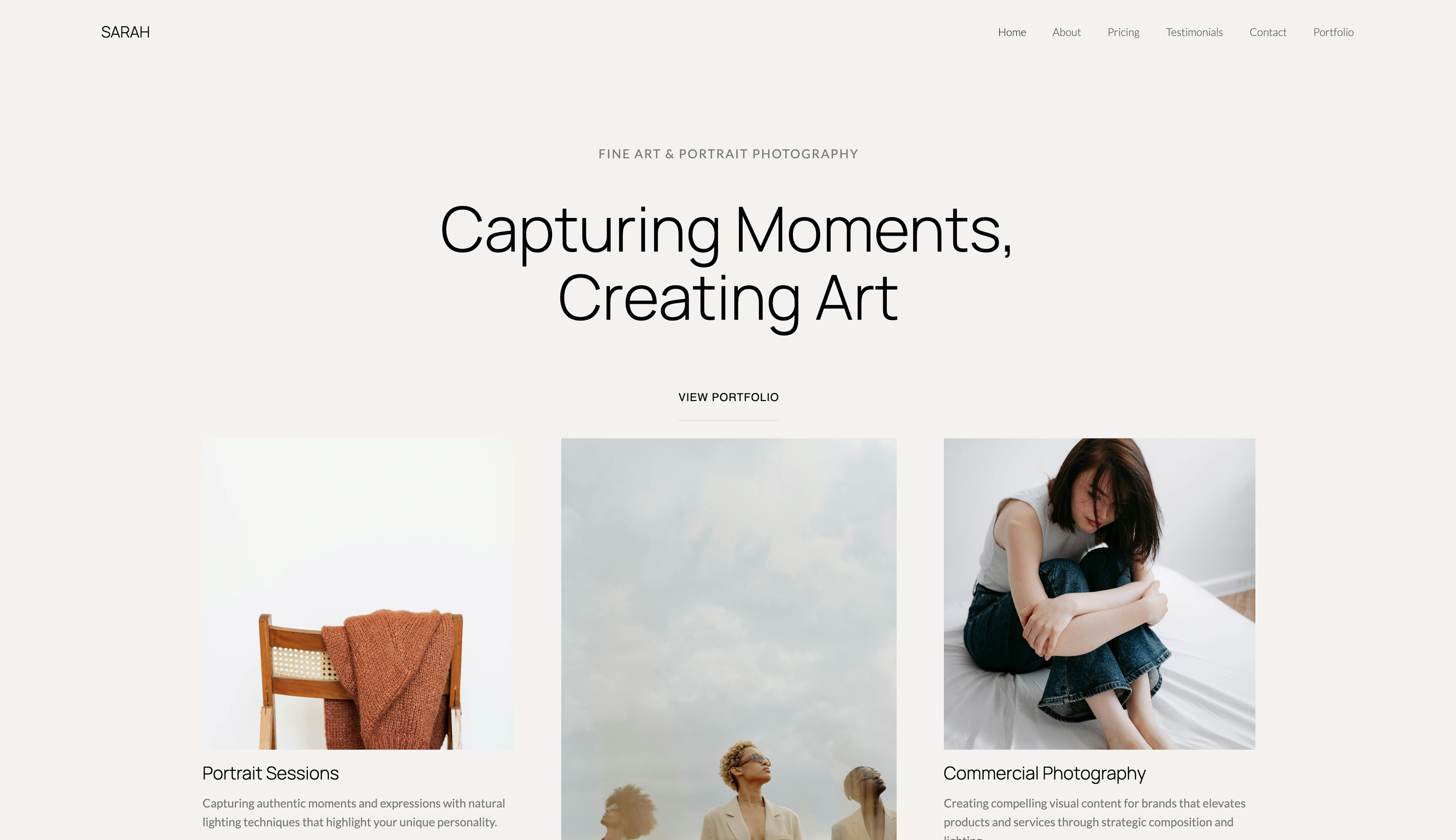
Start from a designer-made template
 Use template
 Use template
 Use template
 Use template
 Use template
 Use template
 Use template
 Use template
Sell a photo as a stock download and you earn about 33 cents. Sell the same afternoon's work as a $24 preset pack from your own store and you keep around $23 - roughly seventy times more, from comparable effort. The photo did not change.
The model did. That gap is the single most important thing to understand about selling photos online, and it is why the question is not really which website to use.
It is which of four fundamentally different business models you are choosing, because they pay out on completely different scales.
There are four ways to turn photos into income, and they are not variations on one theme. You can sell from your own store to your own audience, where you keep most of the money and own the customer.
You can upload to a stock agency and earn pennies per download from strangers, passively, at volume. You can use print-on-demand to sell wall art without touching fulfilment, keeping a markup you set.
Or you can list on a marketplace like Etsy and rent its traffic at a steep fee.
This guide ranks the 11 best tools across all four models, and it is honest about which model wins for which goal - including where our own product is the wrong choice. Every fee and rate was re-verified in July 2026.
This October 2026 revision corrects our own entry, since Framekit sells digital files only and not physical prints, and drops a line saying we ran two test products through every model.
Same photo, four business models, and the margin between them differs by more than an order of magnitude.
A way to sell photos online is any channel that turns your images into income - your own store, a stock agency, a print-on-demand service, or a marketplace - and they differ enormously in the margin you keep and whether you or the platform owns the customer.
The best way to sell photos online in 2026 for the highest margin is your own store on a website you own, and Framekit is the top pick for it, because you keep most of every sale and own the customer relationship instead of renting it.
For passive volume income from stock, Adobe Stock pays the most reliably at 33% per license.
For selling wall art without handling printing, Fine Art America is the best print-on-demand, letting you keep the full markup you set while it fulfils.
The honest split: an own store wins on margin and audience; stock and print-on-demand win on passivity and hands-off fulfilment - different goals, different models, and Framekit is not the answer for passive stock income.
Framekit lets you sell presets, print-at-home files and other digital products from a store on your own site, keeping up to 100% of each sale before card processing, and the free plan needs no credit card.
Full disclosure: Framekit, ranked #1 below, is our own product, and this guide spans four business models, not one. Framekit wins the own-store model - highest margin, you own the customer - and we rank it first for that. But we do not compete in the other models and we say so: for passive stock income you want Adobe Stock or Alamy, and for hands-off print fulfilment you want Fine Art America or a print lab, not us. We re-verified every rate in July 2026. If your goal is passive pennies-per-download at volume, an own store is the wrong tool, and we will point you to the right one.
How We Compared These Ways to Sell Photos
We priced the same two products - a $30 print and a $24 preset pack - against each model's published terms, without listing either anywhere, and scored each model on what actually determines your income:
Margin kept. What lands in your pocket after fees, commissions, and platform cuts on each sale.
Who owns the customer. Whether a buyer becomes yours to sell to again, or the platform's - the difference that compounds over years.
Effort and passivity. Whether income needs active selling to your audience or accrues passively from a platform's traffic.
Fulfilment. Whether you handle delivery and printing or the platform does it for you.
Best fit. The photographer and goal each model actually serves.
We follow one photographer through the guide: someone with a modest audience - an email list and a social following - selling a $30 print and a $24 preset pack. We re-verified every rate and fee in July 2026 and note the ones that recently changed.
What Comparing 11 Ways to Sell Photos Showed
- The margin gap between models is enormous: an own store keeps roughly 90% or more of a sale, while a stock download pays cents, so the model matters far more than the individual sale price.
- Who owns the customer is the difference that compounds - an own-store buyer can be sold to again for years, while a stock or marketplace buyer is the platform's forever.
- Stock is genuinely passive but genuinely low-margin: Adobe Stock pays 33% per license, and Shutterstock starts contributors at 15% and resets every January.
- Print-on-demand like Fine Art America is the best way to sell wall art without touching fulfilment, letting you keep a markup you set while it prints and ships.
- Framekit is the only one of the 11 that pairs a portfolio site you own with a download store and client galleries in one account, though it sells digital files only, never physical prints.
The 11 Best Ways to Sell Photos Online in 2026
How the ratings work: each tool is scored on margin kept, customer ownership, passivity, and fulfilment, weighted toward long-term income rather than a single sale. Framekit tops it for the own-store model; the model winners for stock and print-on-demand are named honestly below.
| Tool | Model | Who Owns the Customer? | Our Rating |
|---|---|---|---|
| Framekit | Your own store | You | 9.2/10 |
| Pixieset Store | Store via galleries | You | 8.4/10 |
| SmugMug | Store via labs | You | 8.2/10 |
| Fine Art America | Print-on-demand | The platform | 8.1/10 |
| Gumroad | Standalone digital store | Mostly the platform | 8.0/10 |
| Adobe Stock | Stock agency | The platform | 7.9/10 |
| INPRNT | Curated art prints | The platform | 7.7/10 |
| Shutterstock | Stock agency | The platform | 7.6/10 |
| Etsy | Marketplace | The platform | 7.4/10 |
| Alamy | Stock agency | The platform | 7.2/10 |
| Society6 | Print-on-demand merch | The platform | 7.0/10 |
Rates re-verified July 2026. Margins vary by product and volume; stock and marketplace fees can change. Confirm current terms before committing to a model.
1. Framekit: Best for Your Own Store

Our rating: 9.2/10
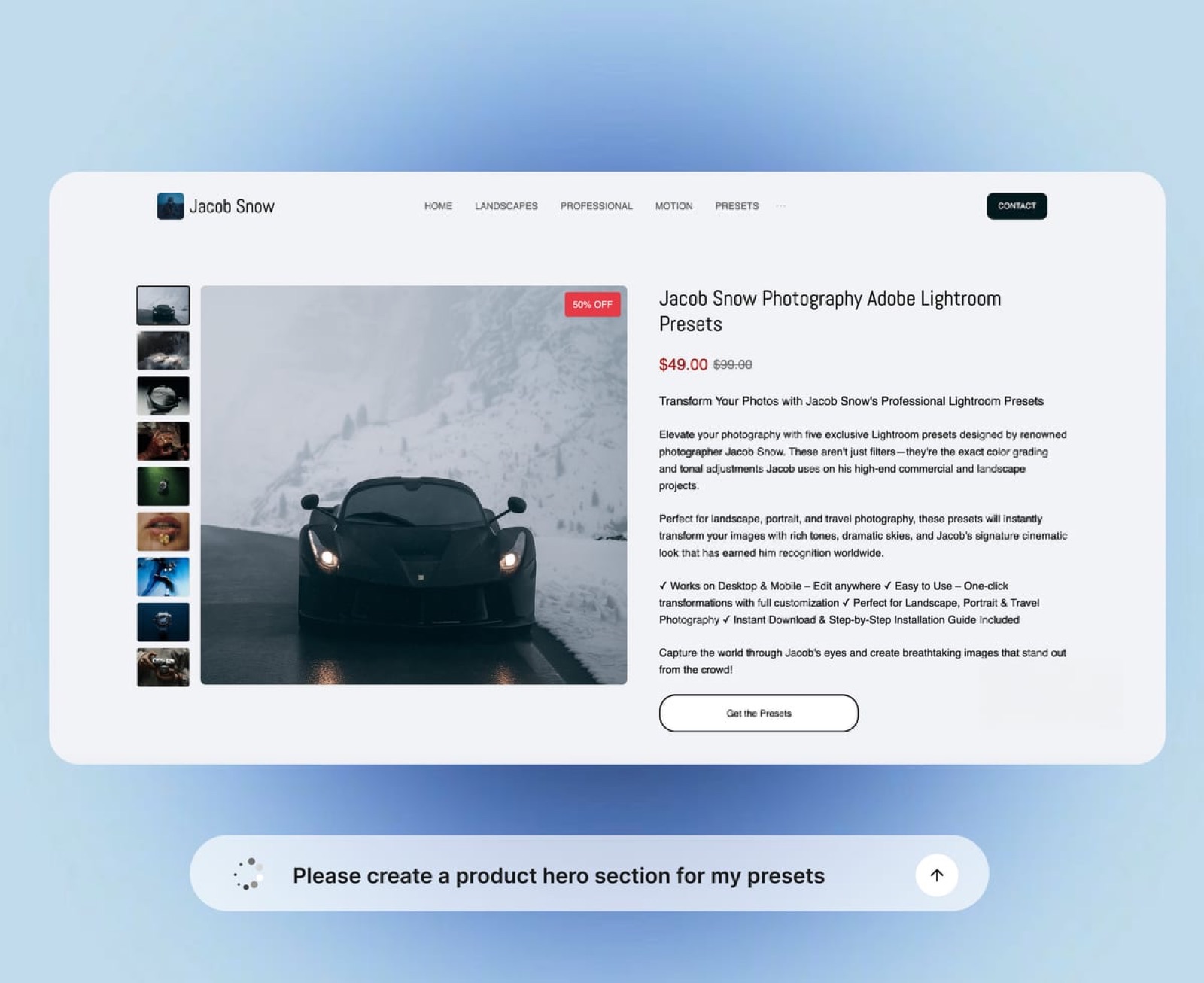
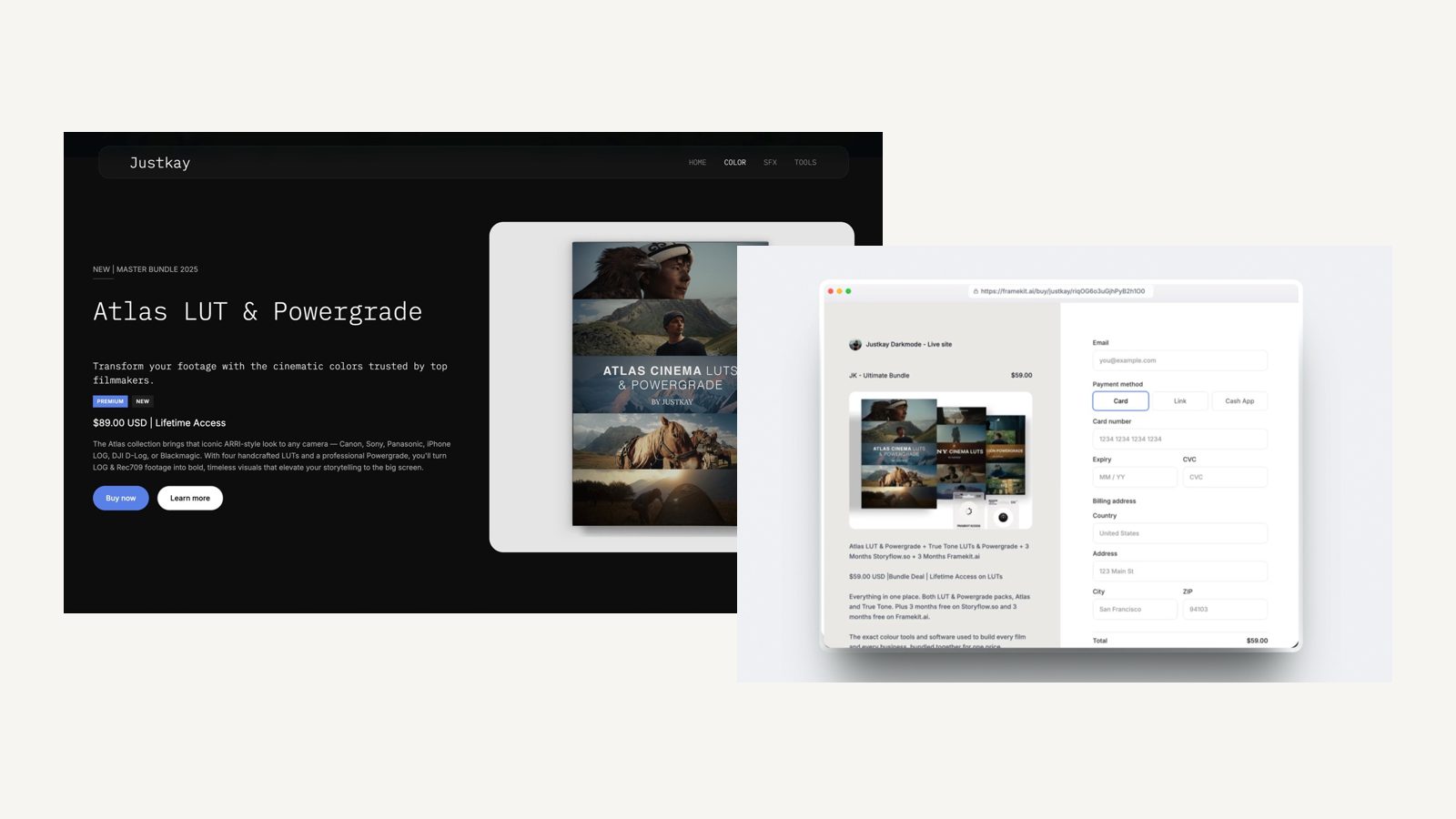
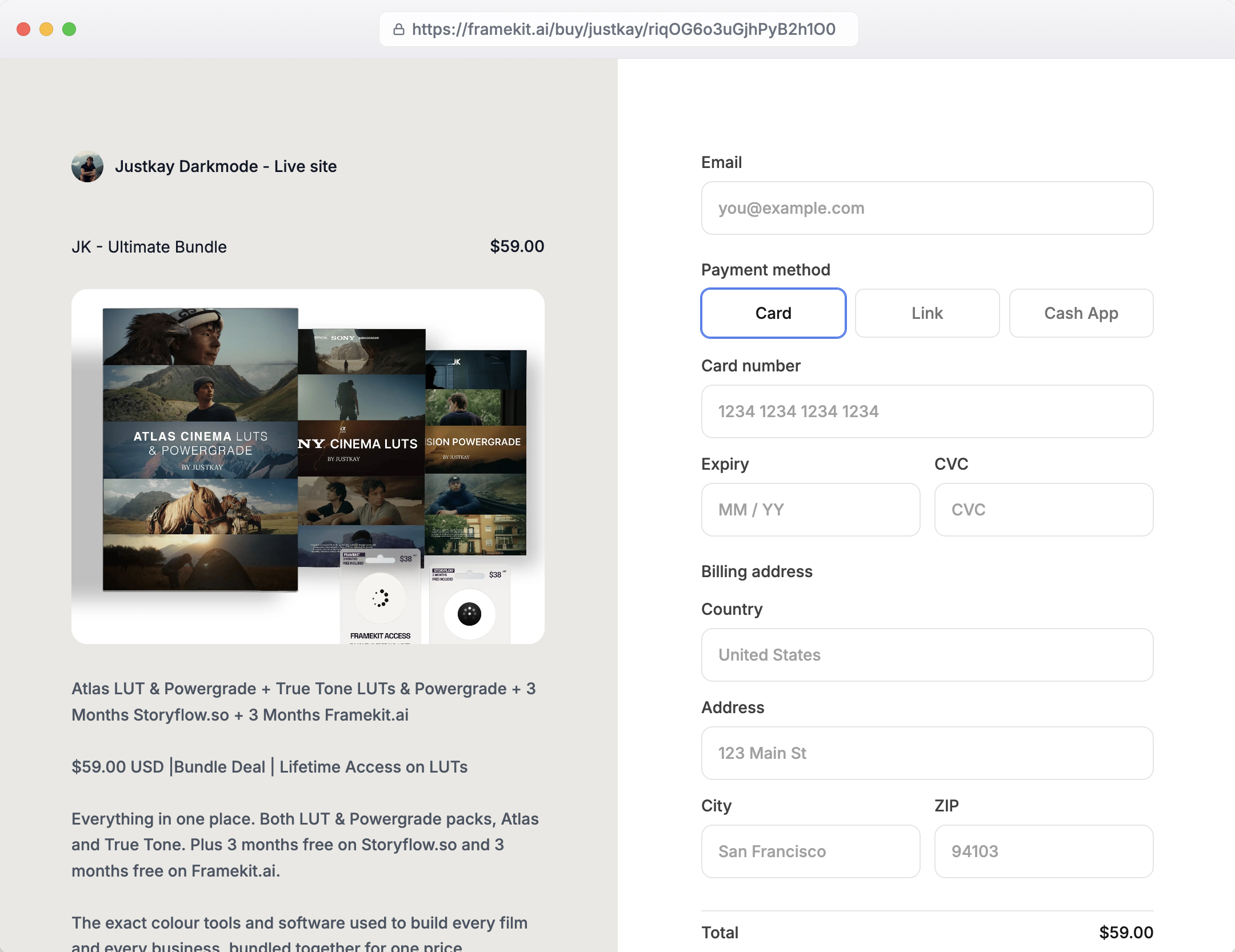
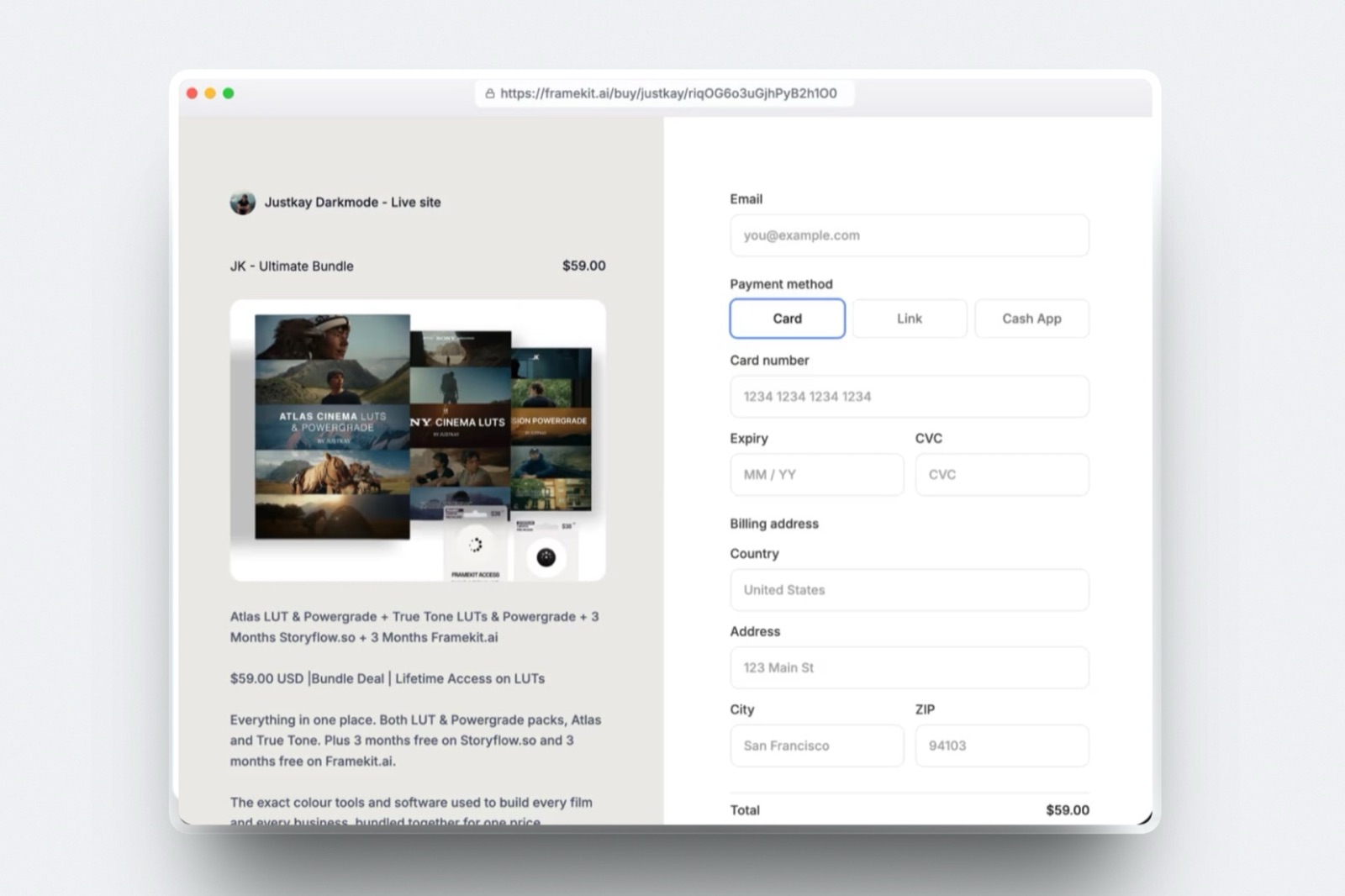
Framekit is an AI website builder with a digital-download store and client galleries built in, and it wins the highest-margin model for digital products: selling files from a store on your own site, on your own domain from Starter.
It does not sell physical prints. When a buyer purchases your $24 preset pack, you keep up to 100% of it depending on plan, and - more importantly over years - that buyer is yours.
Their email, their next purchase, their word of mouth all belong to you, not a marketplace that can change its fees or bury your listing. That combination of margin and ownership is why the own-store model tops this list.
Best forPhotographers with any audience - even a small one - who want to keep most of each sale and own the customer relationship.
Key features:
- A store for presets, LUTs, templates, and other digital files on your own site, with a custom domain from Starter
- Client galleries in the same account for delivering shoots, with full-resolution downloads
- A product-sale fee of 5% on Free and Starter, 3% on Pro, and 0% on Business
- The store sits on your portfolio site, so buyers see your brand, not a marketplace
- Buyer relationships and emails are yours to sell to again
Here is the honest boundary. An own store rewards you for having an audience to sell to - an email list, a social following, gallery clients - because you are the one driving traffic.
If you have no audience and want income to accrue passively from a platform's existing buyers, an own store is the wrong model, and stock or print-on-demand is the right one.
Framekit does not send you traffic the way a stock agency's marketplace does; what it does is let you convert the audience you have at the highest possible margin, and keep every buyer you earn.
For a photographer building a brand, that compounding ownership is worth far more than a marketplace's borrowed traffic.
The real numberthat $24 preset pack nets about $23 on a Business plan at 0% fee, versus roughly $18 to $22 on Etsy after fees and possible ad charges, or about 33 cents as a stock download - and only the own-store sale makes the buyer yours to sell to again.
PricingFree $0, Starter $9 per month, Pro $19 per month, Business $39 per month. Product-sale fee: 5% Free and Starter, 3% Pro, 0% Business.
Pros:
- Highest margin - keep up to 100% of each sale before card processing
- You own the customer and their email for repeat sales
- Sell presets, print-at-home files and other downloads from one owned site
Cons:
- You drive the traffic - it rewards having an audience
- Not a passive income source like stock
- No physical prints at all, so wall art needs a lab or a print-on-demand service
Skip it ifyou have no audience and want passive income from a platform's existing buyers - that is stock (Adobe Stock) or print-on-demand (Fine Art America), not an own store - or your income is mostly physical prints, which Framekit does not sell.
Verdict: Framekit is the best way to sell photos at high margin while owning the customer, ideal for any photographer with an audience to sell to. See how to set it up in our how to sell art online from your website guide, or start free at framekit.ai.
2. Pixieset Store: Store via Your Galleries
Our rating: 8.4/10
Pixieset Store sits in an interesting spot on this list.
It is an own-store model, but the store is bolted onto the client galleries you already deliver through, so the buyer is a client viewing their own photos rather than a stranger scrolling a marketplace.
For a portrait or wedding photographer, that is a natural place to sell: prints and digital downloads are offered at the exact moment the client is looking at their images and feeling something about them.
You keep the customer relationship, and paid plans drop the store commission to 0%, so the sale is nearly all yours after the lab cost.
Our best client gallery platforms guide covers the delivery side that feeds this store.
Best forPortrait and wedding photographers who sell prints and downloads to their own gallery clients at the point of delivery.
Key features:
- A store for prints and digital downloads built into client galleries
- Partner-lab print fulfilment that ships directly to the client
- A free tier at 3GB carrying a 15% store commission to start
- Paid plans that drop the store commission to 0%
- Favoriting and download controls that guide clients toward a purchase
The real numberthe free tier carries a 15% store commission, but every paid plan takes 0%, so a $30 print sold on a paid plan leaves you the full markup over the lab's base cost rather than surrendering a cut on each order.
PricingFree (3GB, 15% store commission), Basic from about $10 a month, Plus $20 a month, Pro and Ultimate $50 a month, with 0% store commission on paid plans.
Pros:
- Sells at the moment the client is viewing their photos
- 0% store commission on paid plans
- You keep the client relationship
Cons:
- Lives on a Pixieset subdomain, not a domain you fully own
- Built for selling to your own clients, not a broad public catalog
- Selling at 0% requires a paid plan
Skip it ifyou want a store on a domain you fully own, or you sell digital products to a public audience rather than prints to gallery clients.
Verdict: Pixieset Store is the best way to turn client-gallery delivery into print and download sales you mostly keep. Visit Pixieset
3. SmugMug: Store via Approved Labs
Our rating: 8.2/10
SmugMug is the hands-off print-store model on a site that still feels like yours.
You build a customizable site with unlimited photo storage, connect it to professional partner labs, and the lab prints and ships every order without you touching a package.
It sits between an own store and print-on-demand: you own the customer and the branded site, but SmugMug takes a 15% commission on sales and routes fulfilment through its approved labs rather than one you pick yourself.
For a photographer who wants print income without the logistics and does not mind the cut, it is a proven, long-running option.
Our best SmugMug alternatives guide covers the fee trade in depth.
Best forPhotographers who want hands-off print fulfilment on their own branded site with unlimited storage.
Key features:
- A customizable photography site with unlimited photo storage
- Print sales fulfilled by approved professional labs
- A 15% commission on print and download sales
- Automated printing and shipping handled end to end
- Selling unlocked on the Portfolio plan at about $23.50 a month
The real numberSmugMug takes 15% of each sale, so a $30 print returns you about $25.50 before the lab's base cost, and you must sit on the Portfolio plan at roughly $23.50 a month to sell at all.
PricingPortfolio about $23.50 a month on an annual plan to unlock selling, with higher tiers above it; 15% sales commission across all plans.
Pros:
- Unlimited photo storage on a customizable branded site
- The lab handles all printing and shipping
- You own the customer and the site
Cons:
- A 15% commission on every sale
- Prints must go through approved labs, not one you choose
- Selling needs the Portfolio plan or higher
Skip it ifyou want to keep the full margin, pick your own lab, or sell digital products rather than lab-printed wall art.
Verdict: SmugMug is the best hands-off print store on your own branded site, if the 15% cut and approved-lab limit suit you. Visit SmugMug
4. Fine Art America: Best Print-on-Demand
Our rating: 8.1/10
Fine Art America is the print-on-demand model at its most complete, and for a photographer selling wall art without touching fulfilment, it is the strongest pick here.
It handles everything you do not want to: printing, framing, shipping, and customer service, across prints, canvas, metal, and wood.
You set a markup on top of its base manufacturing cost and keep that full markup - Fine Art America takes zero percent of your markup, building its own margin into the base price the customer pays (Fine Art America pricing).
Most sellers set $15 to $50 on standard prints and $50 to $150 on canvas and framed pieces.
The trade is the one every marketplace makes: the platform owns the customer and drives its own traffic, so you are one of millions of artists on its shelves, and digital licensing carries a 30% commission. It is hands-off income, not an owned audience.
Best forPhotographers selling physical wall art who want zero involvement in printing, framing, or shipping.
Key features:
- Full print-on-demand fulfilment across prints, canvas, metal, and wood
- You set your own markup and keep 100% of it
- Framing, shipping, and customer service handled for you
- A built-in marketplace that brings its own buyer traffic
- Digital licensing available at a 30% commission
The real numberon a print you keep the entire markup you set over the base cost - Fine Art America adds its margin to the base price rather than skimming yours - so a $20 markup is $20 in your pocket, while digital licenses give up 30%.
Pros:
- Keep the full markup you set on physical prints
- Complete hands-off printing, framing, and shipping
- Its marketplace brings buyers you did not have to find
Cons:
- The platform owns the customer, not you
- You compete against millions of other artists
- Digital licensing gives up a 30% commission
Skip it ifyou want to own the buyer and sell to them again - that is an own store, not a print marketplace.
Verdict: Fine Art America is the best print-on-demand for selling wall art without touching fulfilment, keeping the markup you set. Visit Fine Art America
5. Gumroad: Standalone Digital Store
Our rating: 8.0/10
Gumroad is the fastest route into the own-store model, even if it is only halfway there. You can list a preset pack or template in minutes, and as a merchant of record it handles sales tax for you, which removes a genuine headache.
The catch is the fee and the ownership: it charges a flat 10% plus 50 cents per transaction, your product sits on a Gumroad page beside other creators, and its Discover marketplace takes a larger cut - around 30% - in exchange for surfacing you to its traffic.
So you are partly renting an audience rather than building your own. For testing a first digital product it is quick; for keeping margin and the customer, an owned store wins.
Our best Gumroad alternatives guide covers moving off it.
Best forPhotographers testing a first digital product who want the quickest possible setup with tax handled.
Key features:
- Fast setup for selling presets, LUTs, and templates
- Merchant of record that handles sales tax for you
- A flat 10% plus 50 cents on every transaction
- A Discover marketplace that adds traffic at a higher cut
- Simple hosted checkout on a Gumroad page
The real numberon a $24 preset pack the flat 10% plus 50 cents is about $2.90, leaving you roughly $21 - and on a cheap $5 download that fixed 50 cents alone bites far harder than a pure percentage would.
PricingNo monthly fee to start; a flat 10% plus 50 cents charged on every transaction.
Pros:
- The fastest way to start selling a digital product
- Merchant of record handles tax for you
- No monthly fee to begin
Cons:
- 10% plus 50 cents on every sale, with no tier that removes it
- Your product shares a page with other creators
- Discover traffic costs around 30%
Skip it ifyou want to own the customer and drop the per-sale fee as you grow - an owned store does both.
Verdict: Gumroad is the quickest standalone digital store to start with, at a flat fee you never stop paying. Visit Gumroad
6. Adobe Stock: Best for Passive Stock Income
Our rating: 7.9/10
Adobe Stock is the stock-agency model at its most dependable, and if passive income from images you already have is the goal, it pays the most reliably of the major agencies.
It gives contributors a flat 33% of each image license - the highest consistent rate among the big agencies - and reaches a large, integrated buyer base through Adobe's Creative Cloud, where designers license without ever leaving their software (Adobe Stock rates).
You upload once and licenses accrue from buyers you never meet.
The catch is scale. A single subscription license often pays under a dollar, frequently around 33 cents, so stock income is a numbers game measured in thousands of images and downloads, not a handful of high-margin sales. Every buyer belongs to Adobe, not you.
Best forPhotographers with a large library who want passive, hands-off income and accept cents per download.
Key features:
- A flat 33% contributor rate on image licenses, with no annual reset
- A large buyer base built into Adobe Creative Cloud
- Upload once and earn passively from ongoing licenses
- Video licensing at a higher contributor rate
- Keywording tools that help images get found
The real numberat 33%, a typical subscription download nets roughly 33 cents to a dollar, so earning anything meaningful means thousands of well-keyworded images and a steady stream of downloads, not a few sales.
Pros:
- The highest reliable flat rate among major stock agencies
- Genuinely passive once images are uploaded
- A huge built-in buyer base through Creative Cloud
Cons:
- Cents per download - a pure volume game
- Adobe owns every buyer
- Requires a large, well-keyworded library to matter
Skip it ifyou have an audience you could sell to directly at thirty to seventy times the margin - use an own store instead.
Verdict: Adobe Stock is the best stock agency for passive, hands-off income at volume, if you accept cents per sale. Visit Adobe Stock
7. INPRNT: Curated Art Prints
Our rating: 7.7/10
INPRNT is print-on-demand for photographers who want their work treated as art rather than stock.
It is a curated marketplace known for high print quality, and it pays a 50% commission to the artist on fine-art prints - generous by print-on-demand standards, where thin shares are the norm.
Because the platform curates and positions itself around art, its buyers arrive expecting fine-art prints, which suits a photographer selling limited, gallery-style work rather than mass merch.
As with any marketplace, the platform owns the customer and drives the traffic, so you are selling into its audience, not building your own. But the 50% share and the print quality make it one of the better print-on-demand homes for art photography.
Best forFine-art photographers who want quality prints and a fair split without handling fulfilment.
Key features:
- A curated marketplace positioned around fine-art prints
- A 50% artist commission on fine-art print sales
- High print quality that suits gallery-style work
- Fulfilment - printing and shipping - handled for you
- A buyer base that arrives expecting art, not stock
The real numberINPRNT's 50% artist share means a print retailing at $40 returns you about $20, a far better split than the thin default shares common on broader print-on-demand sites.
Pros:
- A 50% share, high for print-on-demand
- Curated, quality-focused buyer expectations
- Fulfilment handled entirely
Cons:
- The platform owns the customer and the traffic
- Curation means less control over placement
- A narrower product range than a general merch site
Skip it ifyou want to own the buyer, or sell a broad catalog of products rather than curated art prints.
Verdict: INPRNT is the best curated print-on-demand home for fine-art photography, with a 50% artist share and quality prints. Visit INPRNT
8. Shutterstock: Stock at Volume
Our rating: 7.6/10
Shutterstock is the other giant of the stock-agency model, with a buyer base as large as any, but its contributor terms are harder than Adobe's.
Earnings run through six levels from 15% to 40%, and every contributor resets to Level 1 - 15% - on January 1 each year (Shutterstock earnings).
Entry-tier downloads can pay as little as 10 to 40 cents.
The annual reset means you climb the same hill every year, which frustrates many contributors who watch their rate drop each January.
The counterweight is sheer volume: for a very large, well-keyworded portfolio, the number of buyers can still add up despite the low per-sale rate.
Best forHigh-volume contributors who prioritize buyer reach over per-sale rate and accept the annual reset.
Key features:
- One of the largest stock buyer bases available
- Six earning levels running from 15% up to 40%
- An annual reset to 15% for every contributor each January
- Entry-tier downloads paying roughly 10 to 40 cents
- Bulk upload and keywording tools for large portfolios
The real numberbecause every contributor resets to 15% each January, most downloads early in the year pay entry rates of 10 to 40 cents, so income leans on volume rather than climbing the tiers before the reset undoes the progress.
Pros:
- A very large buyer base
- Rates climb toward 40% with volume
- Suits large, well-keyworded portfolios
Cons:
- Resets everyone to 15% every January
- Entry downloads pay as little as 10 to 40 cents
- The platform owns every buyer
Skip it ifyou want a stable rate that does not reset annually - Adobe Stock's flat 33% is more predictable.
Verdict: Shutterstock is stock income for those prioritizing buyer volume over rate, with an annual reset to accept. Visit Shutterstock
9. Etsy: Marketplace Traffic at a Steep Fee
Our rating: 7.4/10
Etsy is the marketplace model, and its one real advantage is search: buyers arrive already looking to purchase prints and digital downloads, which no own store hands you for free. The cost of that traffic, though, is among the highest here.
Etsy charges a 6.5% transaction fee, plus payment processing of roughly 3% and a fixed amount, plus a 20-cent listing fee, and for shops under a revenue threshold it adds an Offsite Ads fee on any sale it attributes to its advertising: 15% below $10,000 of sales in the past 365 days, which you may switch off, and 12% above it, which you may not.
Stacked, the effective take on an ad-attributed sale can approach a quarter of it.
You also build no owned audience - every buyer is Etsy's, and the platform can change fees or push your listing down the results at will.
For a photographer with no audience who wants immediate traffic it can start sales, but it is an expensive long-term home. Our best Etsy alternatives guide covers the exit.
Best forPhotographers with no audience who want built-in search traffic quickly and accept high fees.
Key features:
- Built-in marketplace search that brings buyers to your listings
- Sells both physical prints and digital downloads
- A 6.5% transaction fee plus processing plus a 20-cent listing fee
- Offsite Ads at 15% on attributed sales, or 12% and compulsory once a shop passes $10,000
- A large, purchase-ready buyer audience
The real numberstack the 6.5% fee, roughly 3% processing, the 20-cent listing fee, and a 15% Offsite Ads charge, and the effective take can approach a quarter of each sale - a $24 pack can net closer to $18.
Pros:
- Real built-in search traffic
- Buyers arrive ready to purchase
- Quick to list and start
Cons:
- Effective fees can approach a quarter of each sale
- Every buyer is Etsy's, not yours
- Fees and listing rank can change at any time
Skip it ifyou have any audience of your own - an owned store keeps both the margin and the customer.
Verdict: Etsy buys you immediate traffic at one of the steepest effective fees here, and no owned audience. Visit Etsy
10. Alamy: Stock With a Higher Commission
Our rating: 7.2/10
Alamy is the stock-agency model for photographers who want a better commission than the giants and are willing to trade buyer volume for it.
All contributors start on a 40% Gold rate, and high-volume exclusive sellers can reach 50% - well above Shutterstock's entry tiers.
A 2026 restructure added a lower 20% Silver tier for contributors selling under $250 a year and raised the payout threshold to $75 (Alamy commission).
It is strong for editorial, news, and documentary work, where its catalog is respected, and it pays better per sale than Shutterstock at the core rate.
The trade is reach: its buyer volume is smaller than Adobe's or Shutterstock's, so sales come less often even at the higher rate.
Best forEditorial and documentary photographers who want a higher per-sale commission and a less crowded catalog.
Key features:
- A 40% Gold rate for all contributors at the core level
- Up to 50% for high-volume exclusive sellers
- A strong catalog for editorial, news, and documentary work
- A 2026 restructure adding a 20% Silver tier under $250 a year
- A payout threshold raised to $75
The real numberat the 40% Gold rate Alamy pays roughly double Shutterstock's 15% entry tier per sale, but its smaller buyer base means those sales arrive less frequently.
Pros:
- A 40% core commission, higher than the giants' entry rates
- Respected for editorial and documentary work
- A less crowded catalog than the biggest agencies
Cons:
- Smaller buyer volume than Adobe or Shutterstock
- The 2026 Silver tier drops low sellers to 20%
- Payout threshold raised to $75
Skip it ifyou need the highest sales volume rather than the highest rate - the larger agencies move more images.
Verdict: Alamy is the best stock agency for a higher per-sale commission on editorial work, if you accept smaller volume. Visit Alamy
11. Society6: Print-on-Demand Merch
Our rating: 7.0/10
Society6 is the widest, most hands-off corner of the print-on-demand model, turning a single photo into a whole catalog of products - art prints, home goods, phone cases, apparel - all fulfilled by the platform.
If breadth and zero effort are the appeal, nothing here spreads one image across more product types.
The economics are the weakest on this list, though. You control the markup on art prints, but on most other product types you earn a low default share - often around 10% - because Society6 sets the retail price and keeps the rest.
It is the most effortless and the widest range, but the margin is thin and the platform owns the customer entirely.
Best forPhotographers who want the widest range of merch with zero fulfilment effort and accept thin margins.
Key features:
- One image sold across prints, home goods, phone cases, and apparel
- All fulfilment - printing, shipping, service - handled for you
- Markup control on art prints specifically
- A low default share, often around 10%, on many product types
- A built-in marketplace bringing its own traffic
The real numberon many product types Society6 sets the retail price and pays a default share of around 10%, so a $30 item can return only a few dollars - though you keep a set markup on art prints.
Pros:
- The widest range of products from a single image
- Completely hands-off fulfilment
- A built-in marketplace with its own buyers
Cons:
- A low default share, often around 10%, on many products
- Society6 sets the retail price on most items
- The platform owns the customer entirely
Skip it ifmargin matters more than product breadth, or you want to own the buyer - an own store or a higher-share print site pays more.
Verdict: Society6 is the most hands-off, widest-range print-on-demand merch option, at the thinnest margins here. Visit Society6
The Margin Gap: Why the Model Beats the Photo
In one linethe income difference between selling models is measured in multiples, not percentages - an own-store sale can net seventy times a stock download of comparable effort - so choosing the right model matters far more than the individual photo or its price.
It is worth sitting with the actual numbers, because they are not close. A stock download nets roughly 33 cents to a dollar. A $24 preset pack from your own store nets about $23.
A $30 print through print-on-demand nets your set markup, perhaps $15. These are not variations of a few percent; they are different orders of magnitude for selling comparable work.
The photo you took is the same in every case - what changes your income by a factor of ten or more is which model you plugged it into.
This reframes the whole decision. Photographers agonize over pricing a print or a preset by a few dollars, when the far bigger lever is whether they are selling it at own-store margin or stock margin.
The model sets the ceiling; the price only moves you within it.
That does not make stock worthless - its passivity is a real advantage if you have no audience - but it does mean a photographer with any audience is usually leaving most of their potential income on the table by defaulting to a low-margin model.
Choose the model first, then the price. Our best photography business tools guide covers where selling fits the wider stack.
Who Owns the Customer: The Difference That Compounds
In one linemargin is the visible difference between models, but customer ownership is the one that compounds - an own-store buyer can be sold to for years, while a stock, marketplace, or print-on-demand buyer belongs to the platform forever, so the own-store model wins more the longer you run it.
Beyond margin, there is a quieter difference that matters more over time: who the buyer belongs to.
When someone buys your preset pack from your own store, you have their email and their trust, and you can sell them your next pack, your workshop, your prints - for years.
When someone buys the same pack on a stock site, a marketplace, or a print-on-demand platform, they are the platform's customer, not yours. You made one sale; the platform gained a buyer it can market to forever.
This is why the own-store model wins more the longer you run it.
A single sale might look similar after fees on a good marketplace, but ten sales to ten owned customers become the seed of a mailing list, a launch audience, a repeat-buyer base - while ten sales on a platform leave you exactly where you started, one sale at a time.
The platforms rent you their traffic and keep the relationship; an own store makes you build the relationship and keep it. For any photographer thinking beyond the next sale, owning the customer is the decision that pays off most.
Our how to sell art online from your website guide covers building that owned base.
How to Choose a Way to Sell Photos: A Decision Tree
Pick the model before the tool, and let your audience and goal decide the model.
Do you have an audience - an email list, social following, or clients - to sell to?
- Yes, even a small one. Sell from your own store for the highest margin and to own the customer: Framekit, or Pixieset Store if you sell through client galleries.
- No audience yet, and I want passive income. Go to the next question.
What do you want to sell passively?
- Licenses of many images, hands-off: a stock agency - Adobe Stock for the best flat rate, Alamy for editorial at 40%.
- Wall art without handling printing: print-on-demand - Fine Art America for the best markup terms, INPRNT for curated art prints.
Just want fast traffic and will accept high fees?
- Etsy for immediate marketplace traffic, knowing the effective fee is steep and you build no owned audience - then move to an own store as your audience grows.
Frequently Asked Questions
What is the best way to sell photos online in 2026?
The best way depends on whether you have an audience. If you do - even a small email list or social following - selling from your own store on a site you own, like Framekit, keeps the most margin and makes buyers yours to sell to again.
If you have no audience and want passive income, a stock agency like Adobe Stock or print-on-demand like Fine Art America uses the platform's traffic, at much lower margin.
The single biggest decision is the model, not the tool: an own store maximizes margin and ownership, while stock and print-on-demand maximize passivity.
How do photographers make money selling photos online?
Through four models: selling digital products and prints from their own store to their own audience at high margin; uploading to stock agencies for passive pennies-per-download income at volume; using print-on-demand to sell wall art while the platform prints and ships; and listing on marketplaces like Etsy for traffic at a high fee.
Most successful photographers combine an own store for their best margin and audience with perhaps one passive channel.
The models pay on completely different scales, so which one you emphasize matters far more than the price of any single photo.
Own store versus stock - which makes more money?
For a photographer with any audience, an own store makes far more per sale - often 30 to 70 times a stock download, since you keep most of the price instead of a small royalty.
Stock's advantage is pure passivity: it earns from a platform's buyers without you selling, which suits someone with no audience and a large image library.
So an own store makes more money per sale and builds an owned customer base, while stock makes small amounts passively at volume.
If you can drive any traffic yourself, the own store wins on income; if you cannot, stock provides passive earnings.
How much do stock photos pay per download?
Not much per download. Adobe Stock pays contributors a flat 33% of each license, which often works out to roughly 33 cents to a dollar on subscription sales.
Shutterstock starts contributors at 15% and runs up to 40% across six levels, but resets everyone to the lowest level each January, with entry downloads paying as little as 10 to 40 cents.
Alamy pays a higher 40% core commission but has smaller volume. Stock is a volume game: individual downloads pay cents, so meaningful income requires a large portfolio and many sales.
What is the best print-on-demand for photographers?
Fine Art America is the best print-on-demand for selling wall art, because it handles all printing, framing, and shipping while letting you keep the full markup you set on top of its base cost, taking zero percent of your markup.
INPRNT is a strong curated alternative paying 50% on fine-art prints, and Society6 offers the widest product range but thin margins.
Print-on-demand suits photographers who want to sell physical prints without holding inventory or handling fulfilment, accepting that the platform owns the customer in exchange for doing all the logistics.
How much does Etsy take from photo sales?
More than it first appears.
Etsy charges a 6.5% transaction fee, plus payment processing of roughly 3% plus a fixed amount, plus a 20-cent listing fee, and an Offsite Ads fee on any sale it attributes to its own advertising: 15% for shops under $10,000 in the past 365 days, who may opt out, and 12% for shops above that threshold, who may not and never can again.
Stacked, the effective take on an ad-attributed sale can approach a quarter of it. On top of the cost, every buyer is Etsy's customer, not yours.
It offers real traffic, but the combination of high effective fees and no owned audience makes it expensive as a long-term home.
Can you sell prints without handling fulfilment?
Yes, that is exactly what print-on-demand does.
Services like Fine Art America, INPRNT, and Society6 print, frame, and ship each order, so you never hold inventory or touch logistics - you upload the image and set a markup, and the platform handles the rest.
SmugMug offers similar hands-off fulfilment through partner labs on your own branded site.
The trade is margin and customer ownership: print-on-demand marketplaces own the buyer and take a cut, while a lab-connected own store like SmugMug lets you keep the customer for a plan fee and commission.
What is the best site to sell digital products like presets?
For keeping the most margin and owning the customer, your own store on a site you own is best, and Framekit builds one with a low or zero product-sale fee.
Gumroad is the fastest standalone option but charges 10% plus a fixed fee and puts your product on its page.
The difference is ownership: an own store keeps buyers yours to sell to again, while Gumroad and marketplaces treat them as the platform's.
For presets, LUTs, and templates, an own store maximizes both the margin and the long-term value of each buyer.
Is Adobe Stock or Shutterstock better for contributors?
Adobe Stock is generally better for contributors because it pays a flat 33% on every image license and does not reset your rate, whereas Shutterstock starts everyone at 15% and resets all contributors to that lowest level every January, only climbing back with volume through the year.
Shutterstock's advantage is buyer volume, which can matter for very large portfolios, but per sale and per year, Adobe's flat rate is more predictable and usually more generous.
For most contributors, Adobe Stock is the better primary stock agency, with Shutterstock as a secondary channel.
Who owns the customer when you sell photos online?
It depends entirely on the model. When you sell from your own store, the buyer is yours - you have their email and can sell to them again for years.
When you sell through a stock agency, marketplace like Etsy, or print-on-demand platform, the buyer is the platform's customer, and you simply made one sale.
This is the difference that compounds: owned customers become a mailing list and a repeat-buyer base, while platform customers leave you where you started after each sale.
Owning the customer is the strongest long-term reason to favor an own store.
How do I sell photos from my own website?
Use a website builder with a store or gallery-based sales built in.
Framekit, for example, lets you sell digital products like presets and print-at-home files from a store on your own site (your own domain from Starter), keeping most of each sale and owning the buyer; physical prints need a lab or print-on-demand service alongside it.
You upload your products, set prices, and the store lives on your portfolio site, so buyers see your brand rather than a marketplace.
This own-store approach gives the highest margin and customer ownership, and it suits any photographer with an audience to drive to their site. Our guide to selling art from your website covers the setup.
Is selling stock photos worth it in 2026?
It can be worth it as passive income if you have a large library and realistic expectations.
Stock pays cents per download, so it is a volume game - meaningful earnings require thousands of quality, well-keyworded images and consistent uploading, and even then it is supplementary income for most.
It is worth it for photographers who already produce a high volume and want passive earnings from images that would otherwise sit unused.
It is not worth it as a primary income strategy for a photographer with an audience they could sell to directly at far higher margin.
What is the highest-margin way to sell photos?
Selling from your own store to your own audience is the highest-margin way, because you keep most or all of each sale rather than a platform royalty.
A digital product like a preset pack sold through an own store with a low or zero fee nets you nearly the full price, compared with cents from stock or a heavily-reduced amount after marketplace fees.
The catch is that you must drive the traffic yourself, so it rewards having an audience. For margin alone, nothing beats an owned store where you keep the sale and the customer.
How much can you earn selling photos online?
It varies enormously by model and audience. Stock might earn a few dollars to a few hundred a month passively for a solid library, since each download pays cents.
An own store can earn far more per sale but depends on your audience size and how actively you sell - a photographer with an engaged email list can make more from one preset launch than months of stock income.
Print-on-demand falls in between, driven by the platform's traffic. The realistic ceiling is set by your model and audience, so building an owned audience raises it the most.
What does a $24 preset pack actually net on Framekit compared with Etsy?
About $23 on a Framekit Business plan, where the platform fee is 0 percent and only card processing comes off, against roughly $18 to $22 on Etsy once listing, transaction and payment fees land, and less again if the sale came through Etsy Ads.
As a stock download the same work earns about 33 cents.
The number that matters more than any of those is the second sale: an Etsy buyer belongs to Etsy and a stock buyer belongs to the agency, while a buyer who checks out on your own site is someone you can email about the next pack.
Final Verdict: The Best Way to Sell Photos Online
There are four ways to sell photos online, and they pay on completely different scales - so the model you choose matters far more than the individual photo or its price.
Framekit is the best way to sell photos at high margin while owning the customer, selling digital files - downloads, print-at-home files, presets - from a store on a site you own, with a print lab or print-on-demand partner handling anything physical.
It is the right choice for any photographer with an audience to sell to, because it keeps most of each sale and makes every buyer yours to sell to again.
Where Framekit loses, plainly: it will not sell physical prints and it sends you no buyers, so a photographer with no audience who wants passive income from a platform's existing buyers is a better fit somewhere else.
For that, Adobe Stock is the best stock agency at a flat 33%, and Fine Art America is the best print-on-demand for wall art without fulfilment - different models for a different goal, and we rank them where they genuinely win.
Choose the model before the tool: an own store for margin and ownership, stock for passive volume, print-on-demand for hands-off wall art. If you have any audience at all, start with the store you own.
For more, read our how to sell art online from your website guide, our best photography business tools overview, the best tools to sell online courses, and the best print fulfilment for photographers comparison.
_Selling rates and fees checked against each platform's terms in July 2026; stock and marketplace fees change often, so confirm current rates before committing._