Framekit templates
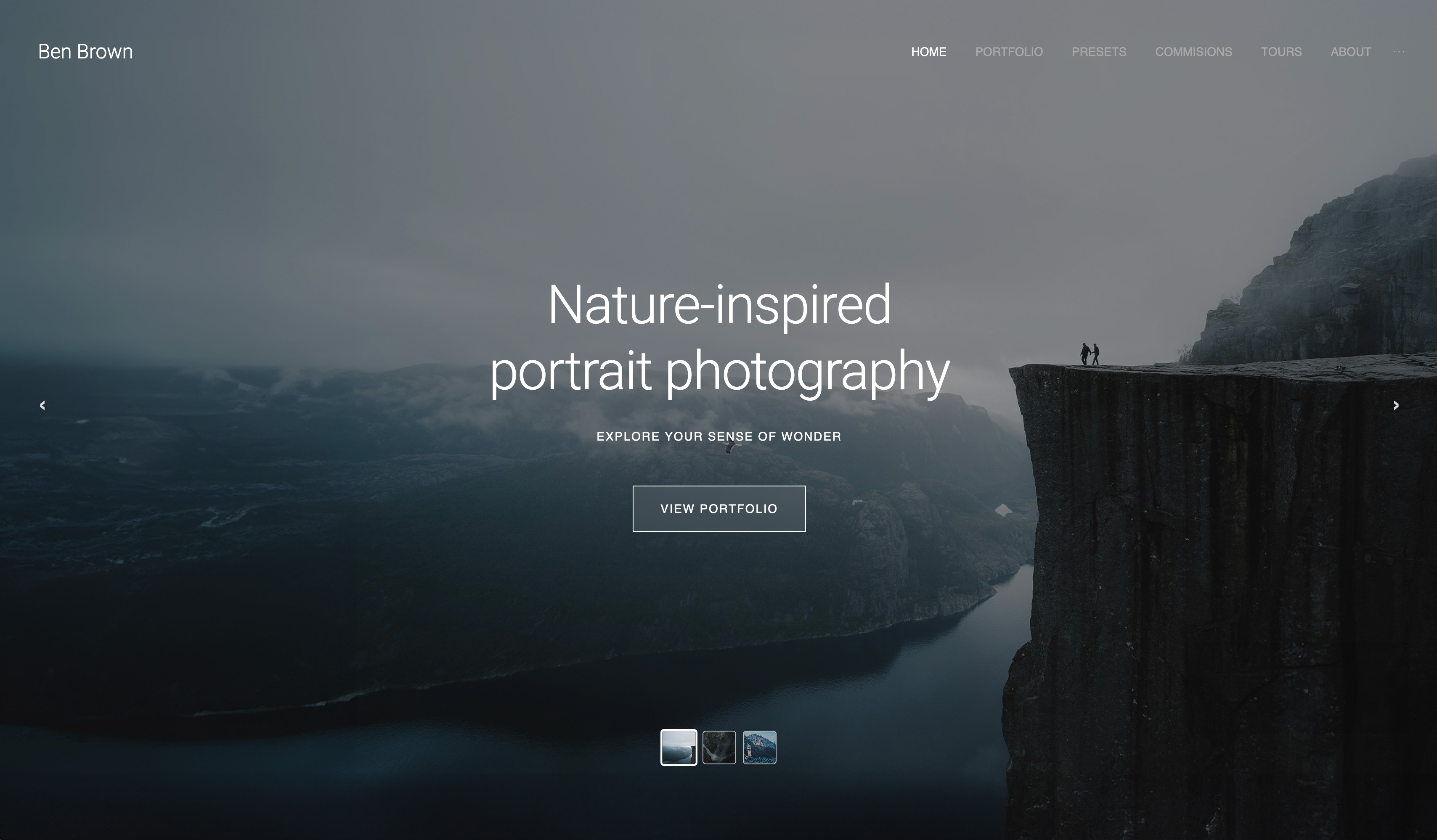
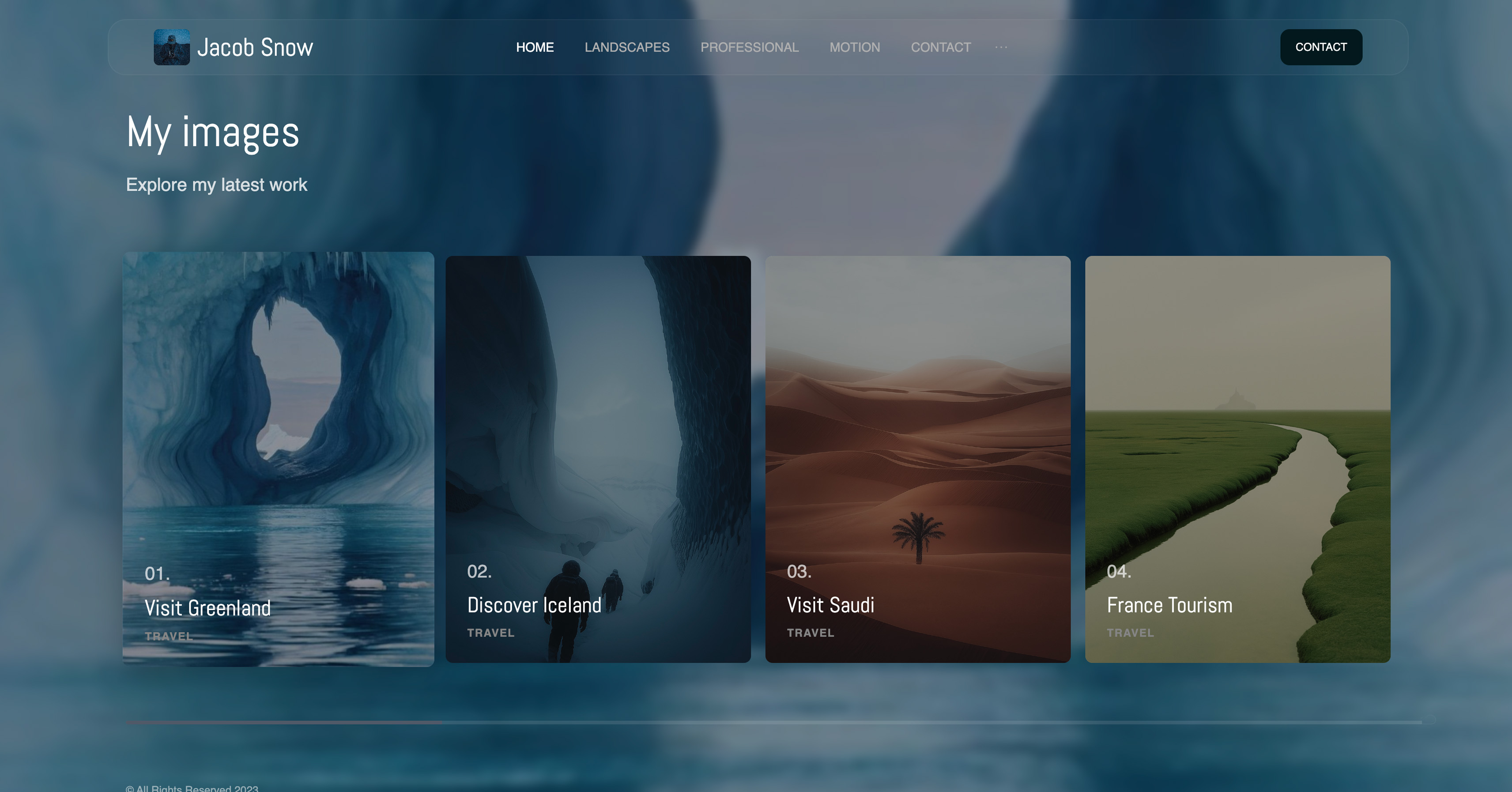
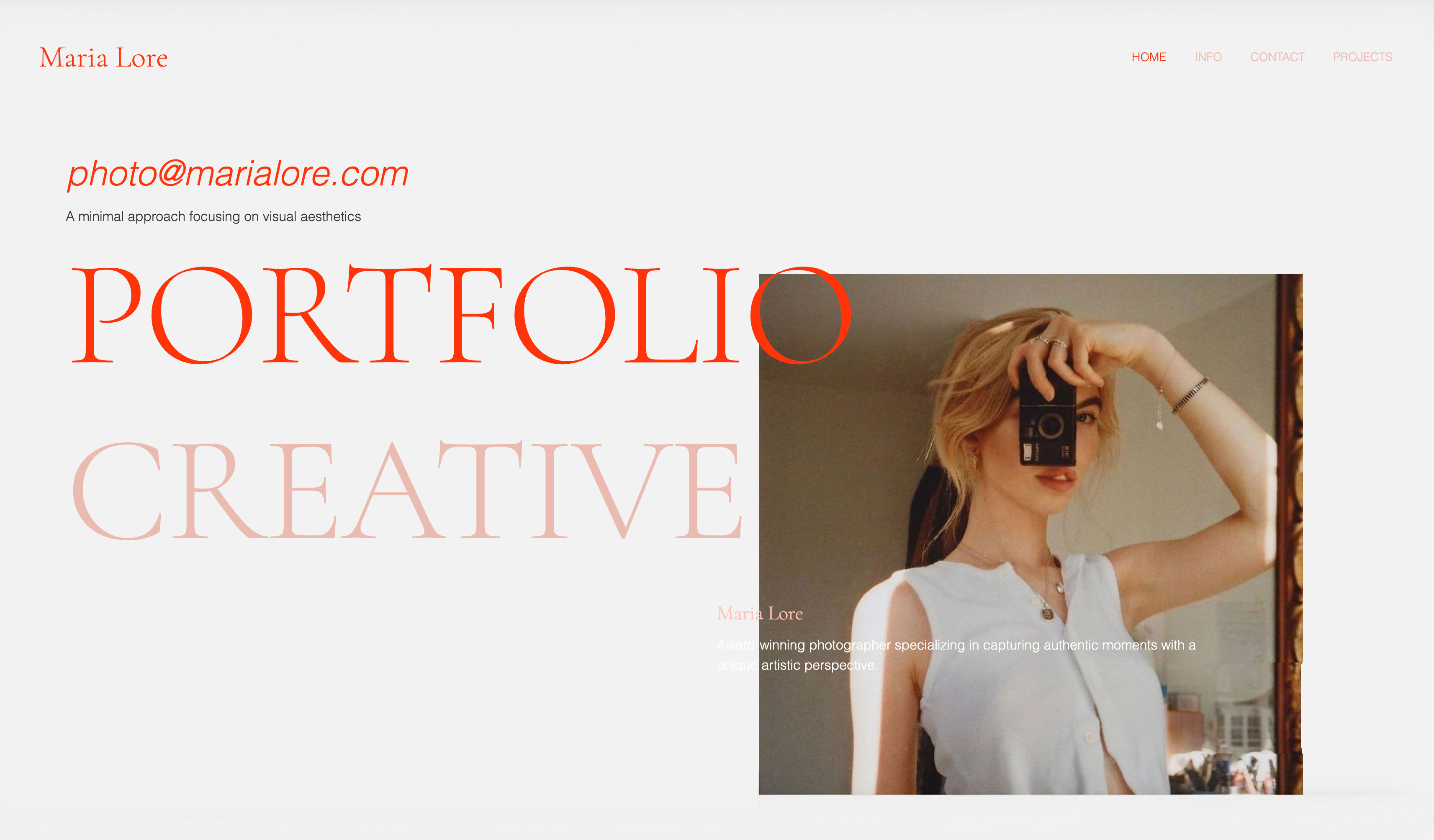
Start from a designer-made template
 Use template
 Use template
 Use template
 Use template
 Use template
 Use template
 Use template
 Use template
Ask any creative forum whether AI website builders are any good and you will get two answers, both loud. One camp says they are the best thing to happen to non-designers in a decade.
The other says they spit out generic, soulless template sites and you can always tell. Both camps are sure, and that is the first clue that the real answer is more careful than either.
Here is the honest version. AI website builders are not one thing. The label sits on tools that do genuine design work and on tools that barely rearrange a template, and the gap between those is enormous.
So "are they any good" is the wrong question. The useful question is which ones are good, what they are good at, and whether that matches what you actually need.
This guide answers all three for creatives: what an AI website builder really does, where the category genuinely delivers, where it falls short, and how it compares to the alternatives you would otherwise choose.
Updated September 2026: we re-verified the Framekit plan details mentioned here against its live pricing page.
AI website builders are genuinely good in 2026, with one caveat: the category is uneven.
The best ones generate real, well-designed sites in under an hour with no code, which suits most creatives. The weak ones produce generic layouts. They are strong for portfolios and marketing sites, and a poor fit for complex custom web apps.
An AI website builder is a tool that generates a working website from prompts, your content, and a few choices, instead of making you start from a blank template or write code.
The quality varies sharply between tools, which is exactly why the honest answer to whether they are good is not a simple yes or no. It is a question of which one, and for what.
Framekit is an AI website builder on the stronger end of that split, trained by senior designers rather than assembling stock blocks, and it keeps client galleries, video review, decks, and a digital store in the same account as the site it generates.
What an AI Website Builder Actually Does
An AI website builder takes the parts of making a website that used to require a designer or a developer, layout, hierarchy, spacing, type, and a sensible page structure, and generates them from your prompts and your content.
You describe what you need, upload your work, and the tool produces a real, editable site rather than handing you an empty template to fill. The good ones do genuine design work. The weak ones mostly shuffle a template and call it AI.
That gap is the entire reason this question does not have a one-word answer.
Are AI Website Builders Any Good? The Honest Answer
Yes, with a caveat worth saying plainly.
As a category, AI website builders in 2026 are genuinely good, good enough that for a portfolio or a marketing site they are usually the right choice over both a blank builder and a freelance designer.
The caveat is that the category is uneven. The "AI" label is on tools that do real design generation and on tools that do little more than auto-fill a template, and the experience between those two is night and day.
So the honest answer is this: the best AI website builders are very good, the average ones are fine, and the question that actually matters is not whether to use one, but which one.
Our tested roundup of the easiest AI website builders is a good place to see that range.
Where AI Website Builders Are Genuinely Good
Three things AI website builders do better than the alternatives. Speed: a real first draft in under an hour, against days with a blank builder or weeks with a designer.
Cost: most have free tiers, against a freelance site that often starts in the low thousands.
And, with the better tools, design quality: an AI trained on real design produces stronger layout, hierarchy, and type than a non-designer picking a template blind.
For a creative who needs a professional-looking portfolio, fast, and without a budget, that combination is genuinely hard to beat.
Our roundup of the best AI website builders for creatives goes deeper on which tools deliver it.
Where AI Website Builders Fall Short
They are not good at everything, and pretending otherwise is how people end up disappointed. An AI website builder keeps you inside its editor, so you trade away some of the unlimited control that hand-coding gives.
The weaker tools produce generic, recognizably templated output, the exact thing the skeptics complain about. None of them is the right tool for a complex custom web application or a large-scale store with thousands of physical products.
And the AI generates a strong starting point, not a finished site that needs no human judgment. Knowing those limits is what keeps the tool genuinely useful instead of quietly overhyped.
AI Website Builder vs the Alternatives
Set against the real alternatives, an AI website builder is the balanced middle option for most creatives. It is not the most powerful approach and not the cheapest in raw terms, but it is the best trade of speed, cost, and quality for a portfolio or marketing site.
| Approach | Speed | Cost | Design quality | Control | Best for |
|---|---|---|---|---|---|
| AI website builder | Under an hour | Free to low monthly | Good, with a strong tool | Within the editor | Portfolios, marketing sites |
| Template builder | A day or more | Low monthly | Depends on your taste | Within templates | DIY, if you have design sense |
| Hiring a designer | Weeks | Often low thousands and up | High | Through the designer | Funded, one-off custom projects |
| Coding it yourself | Weeks to months | Your time | Depends on your skill | Total | Developers and custom builds |
The other AI-driven option, vibe coding, sits closer to the coding row than the builder row. We compare the two directly in our guide on whether you can vibe-code a website.
How to Spot a Strong Tool From a Weak One
Since the category is uneven, the practical skill is judging an individual tool, and it takes about ten minutes. The test is simple: generate a real first draft and look hard at what comes back.
A strong tool produces layout with genuine hierarchy, considered spacing, and type pairings that look chosen rather than defaulted.
A weak one produces a flat page where every section carries the same visual weight, the look that makes people say they can always tell. Trust your eye here.
You may not be a designer, but you know the difference between a page that feels intentional and one that feels generated.
Then check four practical things. First, can you edit the result freely afterward, or are you stuck re-prompting and hoping nothing breaks? Second, is the output fast and mobile-ready without extra work?
Third, does it handle the unglamorous essentials, page titles, metadata, a sitemap, so the site can actually be found? Fourth, and most important, test it on your real content rather than the polished demo.
Paste in your actual work, your real services, and your genuine bio, then see whether the design still holds when it is carrying your material instead of placeholder text.
A tool that passes those checks is worth committing to. One that fails them will not improve just because you spend longer inside it.
Most disappointment with this category comes from skipping that ten-minute test, choosing on a name or a price alone, and discovering the gap only after the site is half built.
The honest reason this whole category gets such mixed reviews is that most people judge the idea instead of the tool in front of them.
Where Framekit Fits
Framekit is an AI website builder made for creatives, and since this is our blog it is fair to say where it sits against the test above.
Its templates are built with AI and refined by senior designers, and its own models, Cadence for quality and Score for speed, generate full sections with written copy, or recreate a layout from a reference image or screenshot you give it.
Everything it generates stays editable in a visual editor, and every plan includes hosting, SSL, and a global CDN, with a free framekit.ai subdomain or your own domain from the $9 Starter plan.
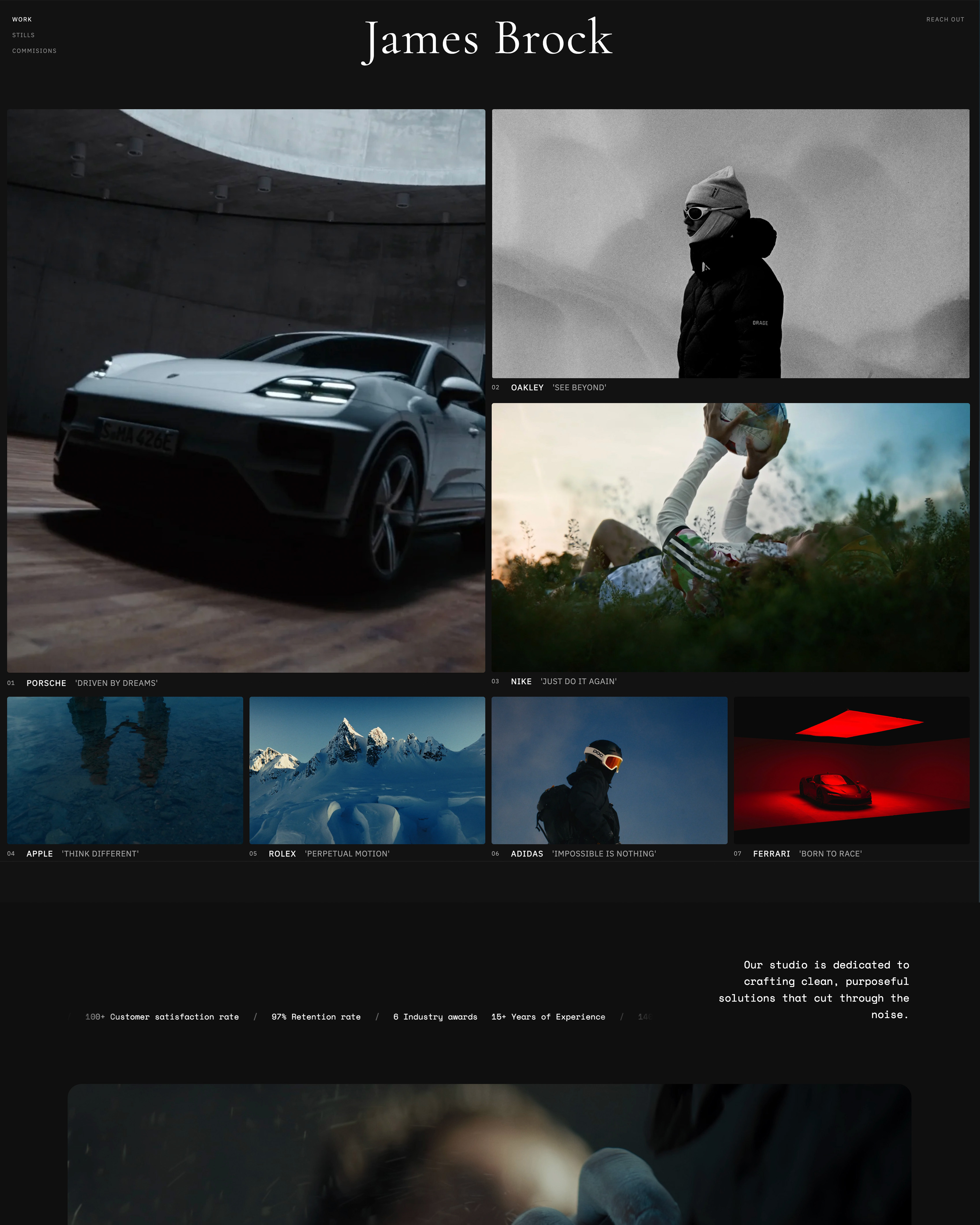
What makes it different from a builder that only makes pages is what sits in the same account: client galleries for photo and video delivery, Frame.io-style video review, Slides for decks and treatments, and a digital-download store.
It is still not the tool for a complex web app or a large physical-product store, which is the same limit this guide describes for the whole category.
Who Should Use One, and Who Should Not
Use an AI website builder if you are a creative who needs a portfolio or marketing site that looks professional, you want it fast, and you do not have a designer's budget or a developer's skill set.
That describes most photographers, designers, filmmakers, and artists, and for them the answer is a clear yes.
Look elsewhere if you need a genuinely complex custom web app, a large physical-product store, or pixel-level control over every element and have the skills to build it. The tool is very good at its job.
The trick is knowing whether your project is its job.
Frequently Asked Questions
Are AI website builders any good in 2026?
Yes, the best ones are genuinely good. They generate real, well-designed websites from prompts in under an hour, with no code, which suits most creatives building a portfolio or marketing site.
The honest caveat is that the category is uneven: some tools do real design work and others barely rearrange a template. The answer depends heavily on which builder you choose.
Do AI website builders make good-looking sites?
The better ones do. An AI website builder whose model is trained on real design produces strong layout, spacing, and typography, often better than a non-designer picking a template alone.
Weaker tools produce generic, recognizably templated results. The visual quality of an AI-built site depends almost entirely on the quality of the specific tool, not on the idea of AI building sites in general.
Are AI website builders good for SEO?
They can be. What matters for SEO is whether the builder produces fast, well-structured, mobile-friendly pages with proper titles, headings, and metadata.
Many modern AI website builders handle that technical groundwork automatically, and Google's own SEO Starter Guide is the best checklist for what to confirm.
The builder being AI-driven neither helps nor hurts ranking by itself. Thin content and slow pages hurt SEO. A solid builder plus clear content ranks fine.
Is an AI website builder better than hiring a web designer?
For a standard portfolio or marketing site, an AI website builder is usually the better value: minutes instead of weeks, and free or low cost instead of low thousands.
A designer is worth it for genuinely custom, complex, or brand-critical projects with a budget behind them. Most creatives starting out do not need that, and an AI builder serves them better.
What are AI website builders not good for?
AI website builders are not the right tool for complex custom web applications, large stores with thousands of physical products, or projects that need pixel-level control over every element.
They keep you inside their editor, which is a fair trade for most sites but a real limit for unusual ones. They are built for portfolios and marketing sites, and that is where they excel.
Are AI website builders good for beginners?
Yes, this is where they are strongest. A beginner with no design or coding background can get a real, professional-looking site live in an afternoon, which was not possible a few years ago.
The AI handles the design decisions a beginner would otherwise struggle with. For a non-technical creative, an AI website builder is one of the most beginner-friendly tools available.
Is Framekit an AI website builder?
Yes.
Framekit is an AI website builder for photographers, filmmakers, designers, and other creatives: its own models, Cadence and Score, generate full sections and copy or recreate a layout from a reference image, and everything stays editable by hand.
The same account also holds client galleries, video review, Slides decks, and a digital-download store, and the free plan needs no credit card. It is not built for complex web apps or large physical-product stores.
Which is better, an AI website builder or a template builder?
An AI website builder generates a site designed around your content, while a template builder hands you a fixed template to fill in yourself. If you have strong design instincts, a template builder can work well.
If you do not, an AI builder makes the design decisions you would otherwise guess at. For most creatives, the AI builder produces a better result with less effort.
The Bottom Line
Are AI website builders any good? Yes, and the skeptics and the enthusiasts are both half right. The best AI website builders are genuinely excellent for portfolios and marketing sites, fast, affordable, and well-designed.
The weak ones earn the criticism. The category is uneven, so the real decision is choosing a strong tool, not deciding whether AI builders work at all.
For most creatives, picking a good one and spending an afternoon beats every alternative.
Our complete guide to the best AI website builder for creators covers how to choose.
_Information accurate as of May 2026; Framekit details re-verified September 2026._
A related and more consequential AI question for your site is which crawlers you let in, which we work through in how to get your website cited by AI.