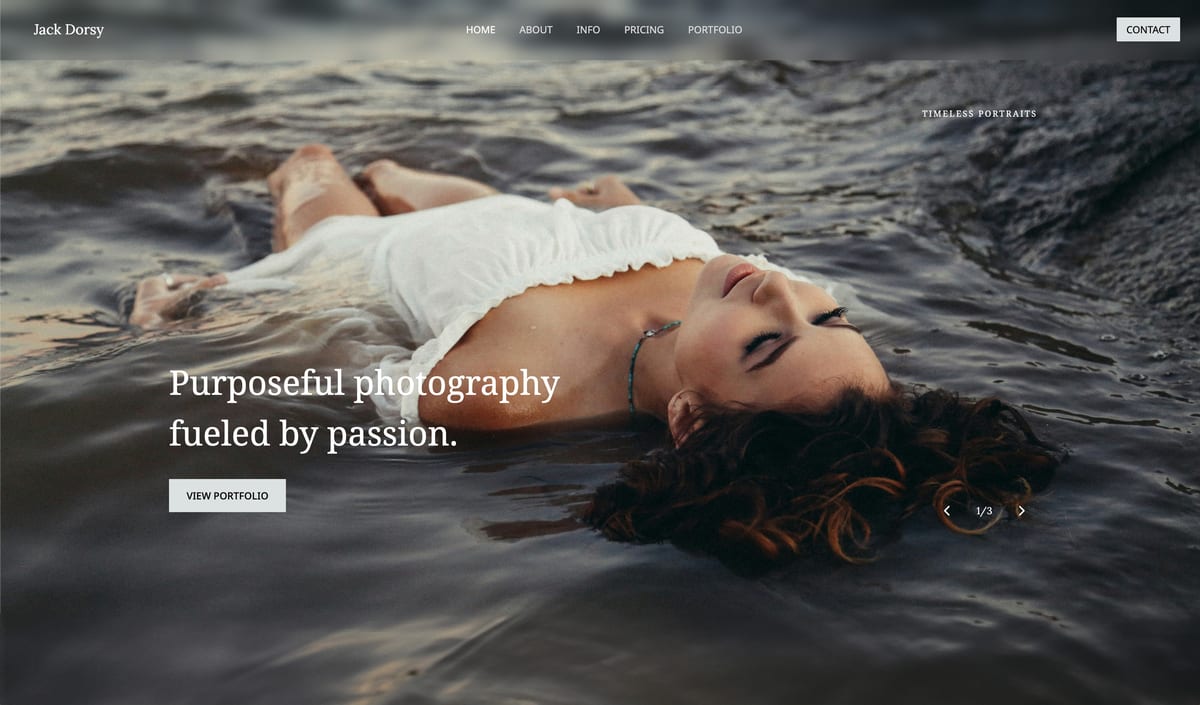
Framekit templates
Start from a designer-made template
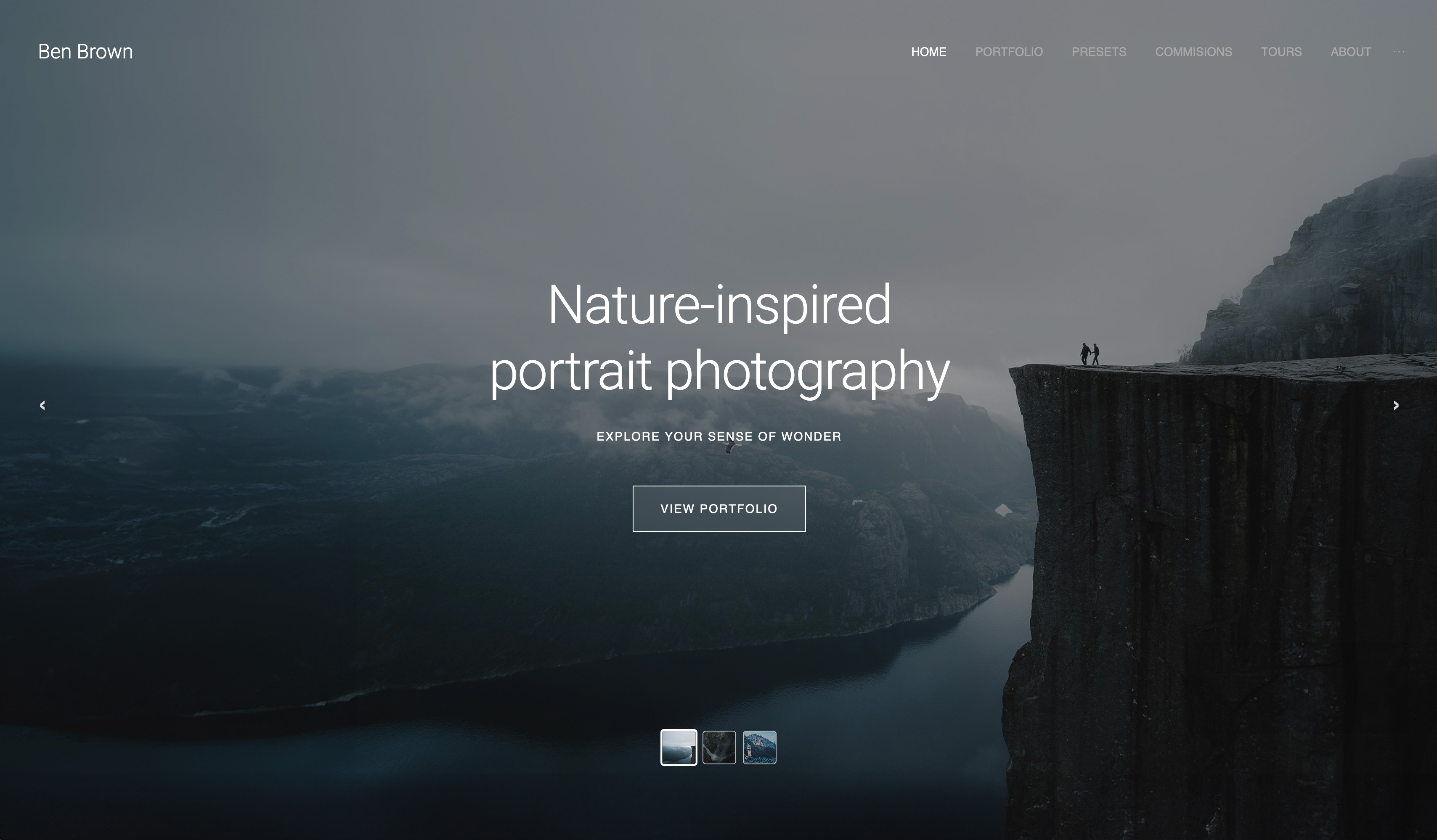 Use template
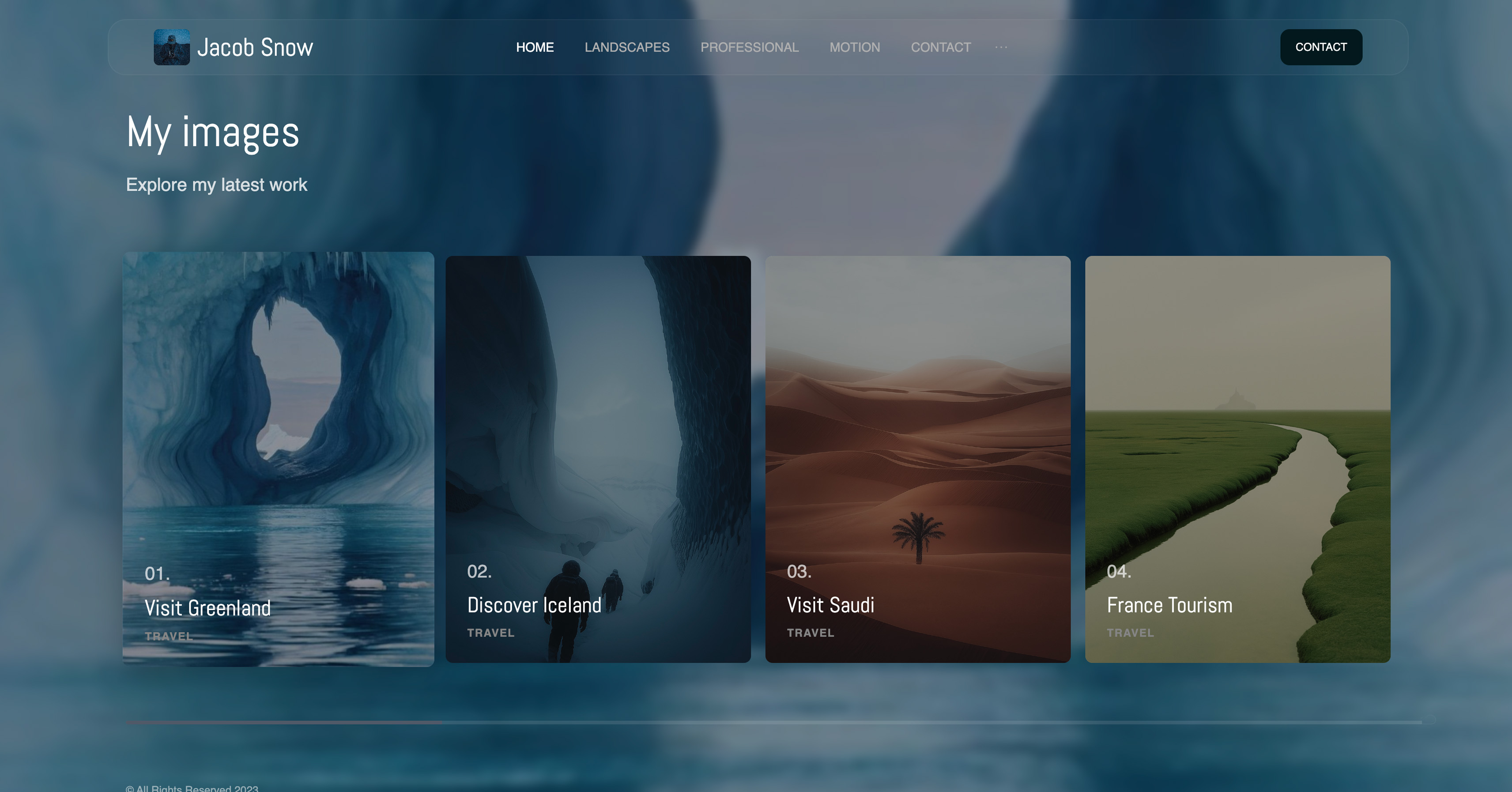 Use template
 Use template
 Use template
 Use template
 Use template
 Use template
 Use template
Almost everyone who wants to start a photography business already has the hardest part handled - the eye, the skill, the love of the craft - and then stalls on everything else.
The gap between being a good photographer and running a photography business that actually pays is not talent; it is the unglamorous business scaffolding: choosing what to shoot, pricing it, getting found, and delivering like a professional.
That gap is where most aspiring photographers get stuck, taking beautiful photos for free while wondering why the paying work never comes. The good news is that the scaffolding is learnable, and it is a series of clear steps, not a mystery.
This guide walks through starting a photography business step by step, focused on the business side that trips people up, with a real example running through it: someone turning a photography hobby into a paying business.
We will be honest about what each step actually requires - including that you need less gear than you think, and that a professional online presence matters more than most beginners realize.
One step, building your website, is where our own product fits, and we say so plainly; the rest is straight advice on niche, gear, pricing, and clients. Every recommendation was reviewed in July 2026.
The hard part of starting a photography business is not the photography - it is the business scaffolding around it.
A photography business is a photographer turning skill into income - by choosing a niche, pricing and contracting the work, building an online presence that gets clients, and delivering professionally - not just owning a camera and taking good photos.
Framekit builds that online presence with AI, holding the website, the portfolio, and the client galleries that deliver each shoot in one account, and the free plan needs no credit card, so step five below costs nothing until the business does.
To start a photography business in 2026, follow seven steps: choose a niche, get the essential gear (less than you think), build your skills and a portfolio, set up the business side (registration, insurance, contracts, and pricing), build a professional online presence, get your first clients, and deliver professionally as you grow.
The step most beginners underrate is the online presence - a professional website is how clients find, judge, and book you - and an AI website builder like Framekit makes that step fast.
The rest is genuine business work: niche, gear, skills, pricing, and hustle for those first clients.
Full disclosure: Framekit, which we recommend for the website step below, is our own product, and it is the answer for exactly one of these seven steps - your online presence. The rest - choosing a niche, buying gear, building skills, registering the business, pricing, and finding clients - has nothing to do with us, and we give you straight advice on it rather than a pitch. A professional website genuinely matters for getting clients, which is where we help, but starting a photography business is mostly work no tool does for you. We reviewed every recommendation in July 2026.
What Starting a Photography Business Takes
Here is the whole path at a glance - the seven steps, what each requires, and its rough cost - before we work through them one by one.
| Step | What It Takes | Typical Cost |
|---|---|---|
| 1. Choose a niche | A focus decision | Free |
| 2. Essential gear | Body, one or two lenses, backup | Gear you may own; rent extras |
| 3. Skills and portfolio | Practice and second-shooting | Time |
| 4. Business setup | Registration, insurance, contracts | Modest fees |
| 5. Online presence | A professional website | Free to about $19 a month |
| 6. First clients | Network, social, referrals, local SEO | Time |
| 7. Deliver and grow | Branded galleries, reviews, rising rates | Included in your tools |
The costs are modest and the biggest inputs are time and effort, not money - which is why the business scaffolding, not the budget, is what stops most people.
Step 1: Choose Your Niche
The first real decision is what to shoot, and the instinct to shoot everything is a mistake.
A specialist gets booked over a generalist, because clients want a wedding photographer for their wedding, not someone who does a bit of everything.
Choose a niche based on the overlap of what you enjoy, what has demand in your area, and what pays - weddings and commercial work pay more than most, portraits and families offer steady volume, real estate offers recurring clients.
For our example photographer, that means picking one focus to start, say portraits, and becoming known for it rather than diluting across five genres.
In one linechoose one niche to start, based on the overlap of demand, pay, and what you enjoy, because a specialist gets booked and referred over a generalist, and you can always expand once you are established in one area.
You are not marrying the niche forever - you are focusing your early effort where it compounds.
Being known as the portrait photographer, or the real estate photographer, in your area makes marketing, referrals, and pricing far easier than being a vague generalist.
Research what your local market needs and pays for, weigh it against what you want to shoot enough to do repeatedly, and commit to one to start.
Specializing also makes the later steps - portfolio, website, marketing - sharper, because they all point at one kind of client.
Our best photography business tools guide covers the tools each niche needs.
Step 2: Get the Essential Gear
New photographers overestimate the gear needed to start a business, spending on equipment before earning a cent.
The truth is you need less than you think: one reliable camera body, one or two good lenses suited to your niche, and a way to back up your files - that is enough to start booking paid work.
Clients hire you for your eye and your results, not your gear list, and a skilled photographer with modest equipment beats a novice with the newest camera every time.
In one linestart with less gear than you think - one reliable body, one or two good lenses for your niche, and reliable backup - because clients hire your skill and results, not your equipment, and over-investing before you have revenue is a common, costly mistake.
Spend on the few things that matter and rent the rest.
A good lens outlasts and outperforms a fancy body, so invest there; back up every shoot in at least two places, because losing a client's images is a business-ending mistake; and for occasional needs - a specialty lens, a second body for a big wedding - rent rather than buy until the work justifies owning.
Resist the urge to buy your way to confidence with gear; put the money instead into skills, insurance, and your online presence. The right starting kit is lean, reliable, and suited to your niche, not comprehensive.
Step 3: Build Your Skills and a Portfolio
Before charging clients, you need both the skill to deliver reliably and a portfolio that proves it - and the two are built together.
Shoot constantly, in your niche, to sharpen your craft and produce work worth showing: second-shoot for established photographers to learn on real jobs, arrange styled shoots, and photograph friends, family, and models to build a body of work.
For our example portrait photographer, that means a focused portfolio of strong portraits, built through practice sessions, before approaching paying clients.
In one linebuild your skills and a niche portfolio together by shooting constantly - second-shooting, styled shoots, and practice sessions - because you need a body of strong work to win paying clients, and the practice that produces it also builds the reliability clients pay for.
The portfolio is your proof and your marketing, so build it deliberately in the niche you chose.
Paying clients hire based on the work you show, so a portfolio of ten excellent portraits opens more doors than a hundred mediocre mixed images.
Practice until you can deliver consistently under real conditions - handling difficult light, nervous subjects, tight timelines - because a business depends on reliable results, not occasional lucky shots.
Use this stage to develop both the craft and the confidence to charge, gathering the portfolio that the next steps - your website and marketing - will showcase. There is no shortcut past doing the work.
Step 4: Set Up the Business
This is the step that turns a hobby into a business, and the one photographers most often skip to their cost.
Set up the legal and financial basics: register your business in the form your area and situation call for, get liability insurance, always use a written contract, and price your work to actually profit.
Pricing is where many beginners undercut themselves - your price has to cover your costs, your time editing and running the business, and a profit, not just the hours shooting.
Underpricing to win work early is a trap that trains clients to expect too little and leaves you unable to sustain the business.
In one linehandle the business basics - registration, insurance, contracts, and profitable pricing - because these protect you and make the business sustainable, and the most common early mistake is underpricing, which must cover editing and overhead and profit, not just shooting time.
Do not treat this as optional paperwork. A contract protects both you and the client and prevents disputes; insurance covers the day something goes wrong at a shoot; proper registration and bookkeeping keep you legal and sane at tax time.
Bookkeeping in particular is far less painful when it runs on software built for irregular creative income, which is what the accounting software for freelance creatives we compared is designed around.
On pricing, calculate what you need to earn to cover equipment, software, insurance, your unpaid editing and admin hours, and a real profit, then price accordingly rather than guessing low - consult local resources and consider an accountant for the legal and tax specifics.
Getting this scaffolding right early is what separates a sustainable business from an expensive hobby.
Our best photography business tools guide covers the CRM and invoicing tools that handle contracts and pricing.

Step 5: Build Your Online Presence
With skills, a portfolio, and the business set up, you need to be found - and in 2026 that means a professional website, because clients search for a photographer and judge you in seconds by what they find.
This is the step most beginners underrate, relying on a social profile alone when a real website is what converts a referral into a booking.
Framekit is an AI website builder that builds a photographer's portfolio site, client galleries, and store from your work, so this step - historically a barrier of cost, code, or design - takes a weekend, not a month.
In one linebuild a professional website that showcases your portfolio and makes booking easy, because clients search for and judge photographers by their website, and relying on social media alone leaves the referrals and searches that a real site would convert on the table.
A professional website does several jobs a social profile cannot: it presents your portfolio the way you intend, ranks in searches for a photographer in your area, delivers client galleries under your brand, and sells prints or products - turning your site into a working part of the business rather than a business card.
With an AI builder like Framekit, you provide your work and get a designed, professional site with galleries and a store built in, on your own domain, free to start.
Set it up with your curated portfolio, an about page, a clear contact method, and galleries ready to deliver.
Our how to build a photography website guide walks through the build in detail.
Step 6: Get Your First Clients
The hardest and most important early hurdle is landing paying clients, and it comes from consistent, multi-channel effort rather than waiting to be discovered.
Tell everyone you know you are open for business, show your work constantly on social media, ask early and happy clients for referrals, network with related vendors - for weddings, planners and venues; for real estate, agents - and use local SEO so people searching in your area find your site.
For our example photographer, the first clients likely come from personal network and referrals, then compound from there.
In one lineget your first clients through consistent, multi-channel effort - your personal network, social media, referrals, vendor relationships, and local SEO - because early clients come from actively reaching out and showing your work, not from waiting to be found, and each happy client refers the next.
Treat client-getting as an active, ongoing job, especially early. Announce your business to your network, because your first clients are often people who already know you or a referral away.
Post your work consistently so you stay visible and prove your skill. Deliver early clients an exceptional experience and ask them for reviews and referrals, since word of mouth is a photographer's strongest channel.
Build relationships with vendors who serve the same clients, and make sure your website is set up for local search. The first handful of clients is the hardest; each one, well served, makes the next easier.
Our best photography business tools guide covers the email and marketing tools that help.
Step 7: Deliver Professionally and Grow
Landing clients is not the finish - delivering professionally is what turns them into referrals and repeat business, and growth compounds from there.
Deliver work through branded client galleries, communicate clearly and promptly, exceed expectations where you can, and follow up to gather reviews and offer print sales.
As you book out, raise your prices, refine your niche, reinvest in skills and marketing, and consider expanding your offerings.
For our example photographer, consistent professional delivery turns first clients into a referral engine that fills the calendar.
In one linedeliver every client professionally through branded galleries and clear communication, because a great delivery experience turns clients into referrals and repeat business, and growth comes from raising prices as you book out, gathering reviews, and reinvesting in the business.
Professional delivery is where reputation is built. A client who receives their images in a clean, branded gallery, on time, with a warm follow-up, becomes a repeat client and a source of referrals; one who gets a sloppy handoff does not.
As demand grows, use it to raise prices toward sustainable, profitable rates rather than staying cheap out of fear.
Gather reviews at the peak of client happiness, sell prints to add revenue per client, and reinvest in better marketing, skills, and tools.
A photography business grows through the compounding of well-served clients, so make every delivery one that earns the next booking.
Our how to deliver photos to clients guide covers professional delivery.

What to Focus On First: A Decision Tree
Work the steps in order, but focus first on the one blocking you now.
Where are you stuck?
- I have skill but no focus. Choose a niche first - it sharpens every other step.
- I have a niche but no proof. Build a portfolio through practice and second-shooting before charging.
- I have a portfolio but no clients find me. Build a professional website and set up local SEO, then market actively.
What is holding back paying work?
- No professional presence. Build a website with Framekit and get found.
- The business feels risky or unpriced. Set up contracts, insurance, and profitable pricing.
- No leads. Work your network, referrals, social, and vendor relationships for the first clients.
Already booking but not growing?
- Deliver professionally, gather reviews, raise prices as you book out, and reinvest.
Frequently Asked Questions
How do I start a photography business?
Start a photography business in seven steps: choose a niche, get essential gear (less than you think), build your skills and a portfolio, set up the business side with registration, insurance, contracts, and profitable pricing, build a professional website to get found, land your first clients through your network and marketing, and deliver professionally as you grow.
The hardest part is not the photography but the business scaffolding around it - pricing, getting found, and delivering like a professional.
Work the steps in order, focusing first on whichever is blocking you, and treat client-getting as an active, ongoing job.
How much does it cost to start a photography business?
It varies widely, but you can start leaner than most expect.
The essentials are a reliable camera body and one or two good lenses, which you may already own, backup storage, business registration and insurance, and a professional website that can start free on an AI builder.
Beyond that, budget for editing software and marketing. You do not need the newest, most expensive gear to begin - renting for occasional big needs is cheaper than buying.
Many photographers start part-time with the gear they have, keeping costs low until revenue justifies reinvestment, so the real startup cost can be modest.
What do I need to start a photography business?
You need a reliable camera and a lens or two suited to your niche, backup storage, the skills to deliver consistently, a portfolio proving them, the business basics (registration, insurance, contracts, and pricing), a professional website to get found, and a plan to land clients.
Notably, you need less gear than beginners assume and more business scaffolding than they expect - the pricing, contracts, and online presence matter as much as the camera.
Skill and a portfolio come before charging clients, and the business and marketing steps turn that skill into income. It is a combination of craft and business basics.
Do I need a license to start a photography business?
Requirements vary by location, but many places require you to register your business and may require a general business license or permit, and some shoots require permits for the location.
Photography itself is not usually a licensed profession the way medicine is, but the business needs proper registration, and you should handle taxes and often liability insurance.
Because rules differ by country, state, and city, check your local requirements and consider consulting an accountant or local small-business resource.
The safe approach is to register your business properly, get insurance, and confirm any local licensing before taking paid work, rather than operating informally.
What is the best niche for a new photography business?
The best niche is the overlap of what has demand in your area, what pays enough, and what you enjoy shooting repeatedly.
Weddings and commercial work tend to pay the most but are demanding; portraits and families offer steady volume and are accessible to start; real estate offers recurring clients and predictable work; products and food suit those who prefer studio control.
There is no single best niche for everyone - choose one where local demand meets your interest and skills, become known for it, and expand later. Specializing early makes marketing, pricing, and referrals far easier than being a generalist.
How do I get my first photography clients?
Get your first clients through active, multi-channel effort: tell your personal network you are open for business, since early clients are often people who know you or a referral away; show your work consistently on social media; ask happy early clients for referrals and reviews; network with vendors who serve the same clients; and set up your website for local search.
Offering a few sessions at a starting rate to build your portfolio and reviews can help too. The first clients are the hardest and come from reaching out actively, not waiting to be found - and each one, well served, refers the next.
Do I need a website to start a photography business?
Yes, a professional website is important, because clients search for photographers and judge you by what they find, and a real website converts referrals and searches into bookings in a way a social profile alone does not.
It presents your portfolio as intended, ranks in local searches, delivers client galleries under your brand, and can sell prints.
An AI website builder like Framekit makes building one fast and free to start, removing the old barriers of cost and code.
While you can begin marketing on social media, a professional website is a core part of a serious photography business and is worth setting up early.
How much gear do I need to start a photography business?
Less than you think. A reliable camera body, one or two good lenses suited to your niche, and dependable backup storage are enough to start booking paid work.
Clients hire your skill and results, not your gear list, so a skilled photographer with modest equipment outperforms a novice with the latest camera.
Invest in good lenses over fancy bodies, back up every shoot in multiple places, and rent specialty or backup equipment for occasional big jobs rather than buying.
Over-investing in gear before you have revenue is a common, costly early mistake - start lean and reinvest as the business grows.
How do I price my photography as a beginner?
Price to cover your costs, your time, and a profit - not just the hours you spend shooting.
Calculate your equipment, software, insurance, and the unpaid hours editing and running the business, then set prices that cover all of it plus profit, rather than guessing low.
The most common beginner mistake is underpricing to win work, which trains clients to expect too little and leaves the business unsustainable.
Research what others in your niche and area charge, price with confidence in your value, and raise rates as you book out. Consider local pricing resources or an accountant to set sustainable numbers from the start.
Do I need an LLC for a photography business?
It depends on your situation and location. Many photographers start as sole proprietors for simplicity, while an LLC offers liability protection by separating personal and business assets, which some prefer as they grow.
The right choice depends on your local laws, income, and risk tolerance, so it is worth consulting an accountant or local small-business resource rather than following generic advice.
Regardless of structure, register your business properly, keep business finances separate, get liability insurance, and use contracts.
Some start simple and form an LLC later as the business grows - the key is operating legally and protecting yourself appropriately for your circumstances.
How long does it take to make money as a photographer?
It varies, but expect it to take time and consistent effort - often months to build a portfolio, presence, and first clients, and longer to reach sustainable full-time income.
Many photographers start part-time alongside other work, growing the business until it can support them. The timeline depends on your niche, market, marketing effort, and how quickly you build referrals.
Making money faster comes from focusing a niche, pricing properly rather than cheaply, and actively marketing rather than waiting to be found.
Treat the early period as building the foundation - skills, portfolio, presence, and reputation - that makes sustainable income possible, rather than expecting immediate profit.
How do I build a portfolio with no clients?
Build a portfolio before paying clients through practice: second-shoot for established photographers to learn and shoot on real jobs, arrange styled shoots with models and collaborators, photograph friends and family, and do personal projects in your niche.
These produce a body of strong work that proves your skill to future paying clients, who hire based on what you show.
Focus the portfolio on the niche you want to book, quality over quantity, since ten excellent images open more doors than a hundred mediocre ones.
The practice that builds the portfolio also builds the reliability and confidence to charge, so it serves double duty.
Can I start a photography business part-time?
Yes, many photographers start part-time, keeping other income while building the business until it can support them full-time, which reduces the financial pressure and risk.
Part-time starting lets you build skills, a portfolio, a website, and a client base gradually, reinvesting earnings rather than needing immediate full-time income.
The steps are the same - niche, gear, skills, business setup, website, clients, delivery - just worked at a sustainable pace alongside other commitments.
Growing part-time until the business reliably covers your needs, then transitioning to full-time, is a common and sensible path, especially given the time it takes to build steady photography income.
What is the first thing to do when starting a photography business?
The first thing is to choose your niche, because it sharpens every step that follows - your portfolio, website, pricing, and marketing all become clearer and more effective when pointed at one kind of client.
Decide what to focus on based on local demand, pay, and what you enjoy shooting repeatedly, then build everything around becoming known for it.
If you already have a niche, the next focus is building a portfolio that proves your skill, then setting up the business and a professional website.
Start with focus rather than trying to do everything, since a specialist builds a business faster than a generalist.
Final Verdict: Starting Your Photography Business
Starting a photography business is mostly about the scaffolding around the photography - the niche, pricing, presence, and hustle that turn skill into income - and it is a series of learnable steps, not a mystery reserved for the lucky.
Work the seven steps in order: choose a niche, get lean essential gear, build your skills and portfolio, set up the business properly, build a professional online presence, land your first clients actively, and deliver professionally as you grow.
Focus first on whichever step is blocking you now.
The one step where a tool does the heavy lifting is your website, and Framekit builds a photographer's site, galleries, and store with AI, free to start - so getting found and booked is one less barrier.
The rest is genuine work: the craft, the business basics, and the hustle for clients that no tool replaces.
Choose your niche, build the proof, set up the business, get found with a professional site, and serve your first clients so well they refer the next - and a photography hobby becomes a photography business.
_Gear and insurance costs re-checked, and Framekit's plans and pooled storage re-verified against its live pricing page, in September 2026._
For more, read our best photography business tools guide, our how to build a photography website walkthrough, our guide to how to get photography clients, and the best website builders for photographers comparison.
_Photography-business guidance reviewed July 2026; consult local resources and an accountant for legal, tax, and licensing specifics in your area._
For the business-formation side, the US Small Business Administration's guide to choosing a business structure is the primary reference.
The video equivalent runs on a different order of spending entirely, which we set out in how to start a videography business.