Framekit templates
Start from a designer-made template
 Use template
 Use template
 Use template
 Use template
 Use template
 Use template
 Use template
 Use template
Most photographers price photography by glancing at a competitor's website, landing somewhere near it, and hoping - and it is the single costliest mistake in the business.
Underpricing, not a lack of talent, is why so many technically excellent photographers burn out and quit: they book plenty of work, run themselves ragged, and still cannot make the numbers add up, because the price never covered the real cost of doing the job plus a living plus a profit.
Pricing is not a vibe or a copy of the person down the road; it is a business calculation, and getting it right is the difference between a sustainable business and an expensive, exhausting hobby that happens to have clients.
This guide covers pricing photography properly, step by step, with a real example running through it: a portrait photographer setting sustainable prices.
We start from the actual cost of doing business, build in your time and profit, layer on the value you deliver, choose a pricing model, and cover how to present prices and raise them over time.
It is genuine pricing advice, not a pitch - our own product appears only briefly, where a professional website helps you command the prices you set. Every recommendation was reviewed in July 2026.
Underpricing, not a lack of talent, is why most photography businesses struggle - pricing is a calculation, not a guess.
A photography pricing model is the method a photographer uses to set what they charge - covering their costs, time, and profit, and reflecting the value they deliver - rather than a number guessed from what a competitor charges.
Framekit builds the professional website that makes those prices credible on the page where a client reads them, and its store sells a pricing guide or a preset pack as a product alongside them, on a free plan that needs no credit card.
To price photography in 2026, work from the numbers, not a competitor: calculate your cost of doing business (all your annual costs divided by the jobs you can realistically do), add a real wage for your shooting, editing, and admin time plus a profit margin, then layer on the value you deliver to price above bare cost.
Choose a pricing model - packages, a la carte, hourly, or a day rate - that fits your genre, present your prices on a professional website that makes them credible, and raise them as you grow. The biggest mistake is underpricing, which books work but never sustains a business.
Full disclosure: Framekit is our own product, and it appears in exactly one part of this guide - presenting your pricing on a professional website, because a polished, branded site genuinely helps a client accept a premium price. The pricing method itself - cost of doing business, valuing your time, value-based pricing, and choosing a model - is straight advice with nothing to sell. We are not pricing your work; we are helping you present the prices you set. We reviewed every recommendation in July 2026, and the calculations below are yours to run regardless of what tools you use.
Step 1: Calculate Your Cost of Doing Business
Pricing starts with a number most photographers never calculate: the cost of doing business, or CODB - what it actually costs you to operate for a year, spread across the jobs you do.
Add up your annual business costs: gear and its replacement, software subscriptions, insurance, marketing, your website, education, and overhead. Then divide by the number of jobs you can realistically do in a year.
The result is the cost floor per job - the amount below which you lose money on every booking, before you have paid yourself a cent.
For our example portrait photographer, that might reveal that each session costs, say, $150 to deliver before any profit or wage.
In one linecalculate your cost of doing business by totaling all your annual costs - gear, software, insurance, marketing, website, overhead - and dividing by the jobs you can realistically do, because that number is the floor below which every booking loses money, and most photographers price below it without knowing.
This number alone reframes pricing. Many photographers charge a price that feels reasonable and never realize it is below their true cost per job, which is why they work constantly and stay broke.
Knowing your CODB tells you the absolute minimum a job must earn just to break even on operating costs, before your time or profit.
It also reveals how volume affects cost - the more jobs you can do, the lower the per-job overhead, but only up to the limit of your time and quality.
Run this calculation honestly, including the costs you tend to forget, and you have the foundation every price is built on.
Our best photography business tools guide covers the accounting tools that track these costs.
Step 2: Value Your Time and Build In Profit
The cost floor is only the start - your price also has to pay you for your time and leave a profit for the business, which are two different things photographers often conflate.
Count all the hours a job takes, not just the shoot: consulting, shooting, culling, editing, delivering, and admin, which for many genres is several times the shooting time.
Pay yourself a real hourly wage for those hours, then add a profit margin on top - the business's profit, separate from your wage, that funds growth and buffers lean months.
Price equals your cost floor, plus your labor at a fair wage, plus profit.
In one lineadd a real wage for all your hours - shooting, editing, and admin, often several times the shoot time - plus a separate profit margin on top of your costs, because your price must pay you a living and leave the business a profit, not just cover expenses and your shooting hours.
The hidden hours are where photographers undercharge most. A one-hour portrait session might carry three or four hours of editing, culling, and admin, so pricing as if the job is one hour drastically underpays you.
Count every hour honestly, pay yourself a wage you could live on, and then, crucially, add profit as a separate line - a business that only pays its owner a wage has no cushion and cannot grow.
This is cost-plus pricing, and it gives you a sustainable floor. The next step, value, is what lets you price above it. For our example photographer, this might turn a $150 cost into a $400 sustainable price before value is even considered.

Step 3: Price for Value, Not Just Cost
Cost-plus pricing gives you a floor, but the best photographers price above it based on value - what the results are worth to the client, not just what they cost to produce.
A wedding photographer is not selling hours and files; they are selling the only lasting record of one of the most important days of a couple's life, which is worth far more than the cost of producing it.
Value-based pricing captures that: it reflects your experience, your distinctive results, the client's outcome and emotion, and your brand positioning, allowing prices well above cost-plus for photographers who deliver genuine value.
In one lineprice above your cost-plus floor based on the value you deliver - the experience, results, and emotional worth of the outcome to the client - because clients pay for what the photographs mean to them, not your production costs, and premium value commands premium prices.
Value-based pricing is how photographers escape the trap of competing on price.
If you price only on cost, you are a commodity racing others to the bottom; if you price on the value of the outcome and position yourself accordingly, you compete on quality and meaning, where price sensitivity drops.
This requires delivering real value - a distinctive style, an exceptional experience, results clients cannot get elsewhere - and positioning your brand to match.
Not every photographer can command premium value immediately, but every photographer should price above bare cost and build toward value-based rates as their work and reputation grow.
The floor is cost-plus; the ceiling is the value you create.
Step 4: Choose a Pricing Model
How you structure your prices matters as much as the numbers, and different models suit different genres and clients.
The main models are packages (tiered collections), a la carte (a session fee plus items priced separately), hourly (per hour of coverage), and a day rate (a flat fee per day).
Each shapes how clients buy and how much they spend, so choose the one that fits your genre and guides clients toward the value you offer.
In one linechoose a pricing model - packages, a la carte, hourly, or a day rate - that fits your genre and guides how clients buy, because the structure shapes spending as much as the price, and the right model makes the value clear and the higher tiers attractive.
| Model | Best For | Example |
|---|---|---|
| Packages | Portraits, weddings, family | Tiered collections that guide clients up |
| A la carte | Clients who want to customize | Session fee plus prints priced separately |
| Hourly | Events, some commercial | A rate per hour of coverage |
| Day rate | Commercial, editorial, real estate | A flat fee for a day's shooting |
Packages work well for portrait, wedding, and family work because tiered collections anchor value and guide clients toward higher tiers, and they simplify the sale.
A la carte suits clients who want to customize, pairing a session fee with prints and products priced separately. Hourly fits events and some commercial work where time is the variable.
A day rate suits commercial, editorial, and real estate work billed per day, where payment usually arrives against an invoice with terms rather than on the shoot day, so it is worth picking one of the invoicing tools built for freelance creatives before you send the first one.
Choose the model that matches how your clients think about buying and that presents your value clearly - often packages for consumer genres and day rates for commercial.
Our how to start a photography business guide covers fitting the model to your niche.

Step 5: Present Your Pricing Professionally
The same price feels different depending on how it is presented, and a professional presentation lets you command more.
A client who lands on a polished, branded website with clear packages accepts a premium price that the same photographer with a scrappy, generic site could not command, because the presentation signals the quality and professionalism that justify the price.
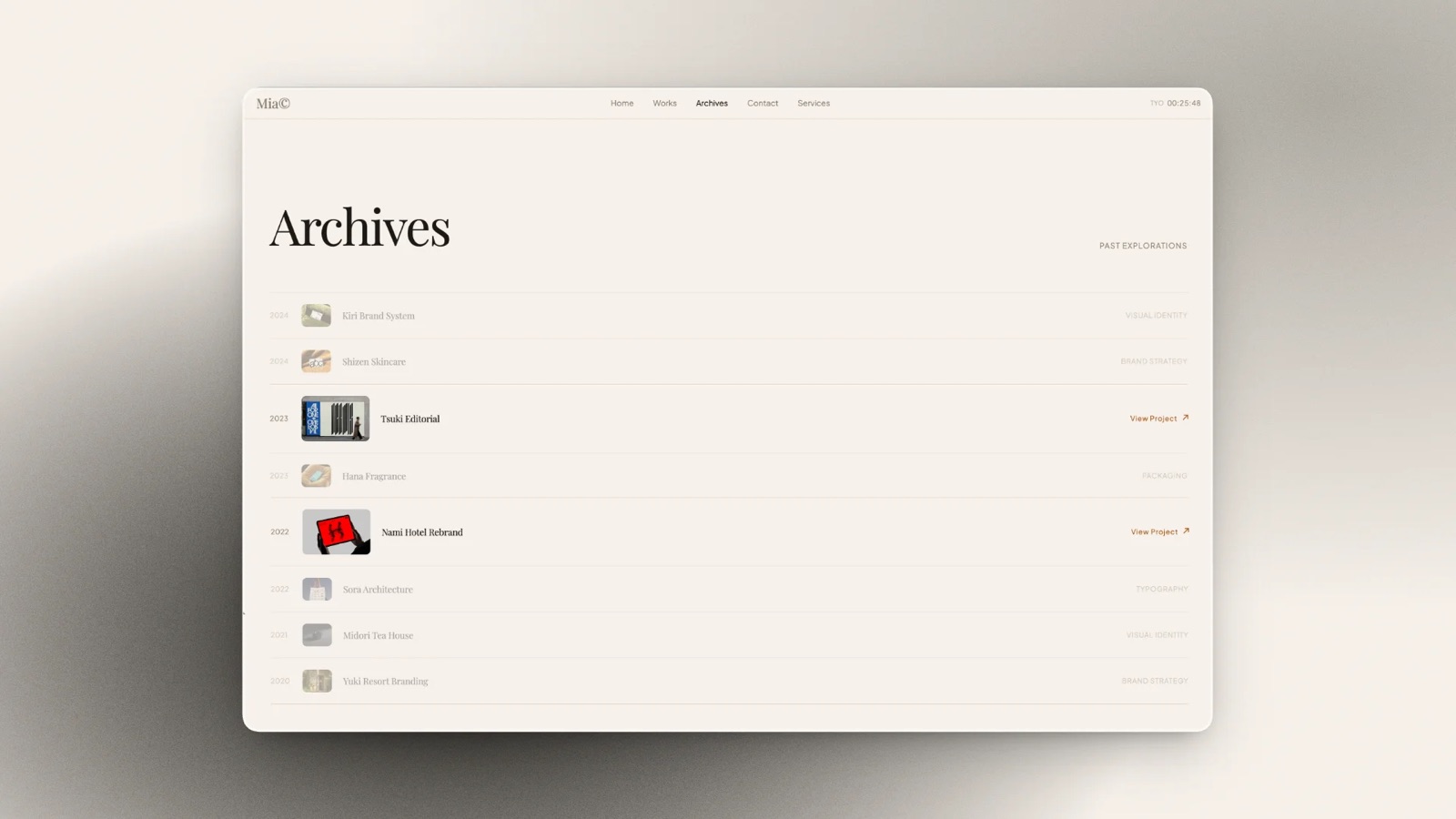
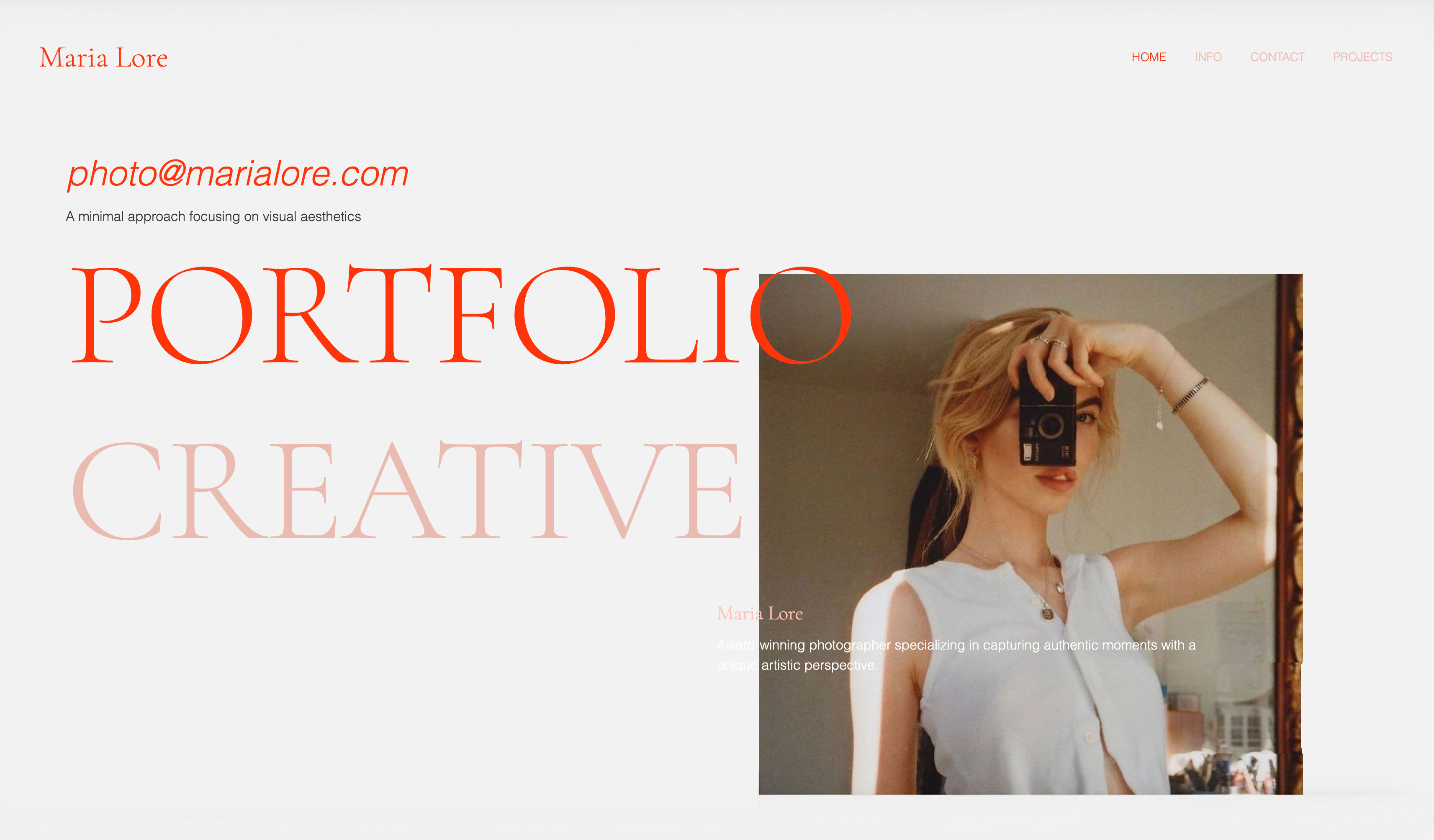
Framekit is an AI website builder that builds that professional site and a clear packages page from your work, so your pricing is presented in a way that supports it - and you can even sell a pricing guide or client-education resource as a digital product from your own store.
In one linepresent your prices on a professional, branded website with clear packages, because the same price reads as premium on a polished site and as overpriced on a scrappy one, so the presentation of your pricing directly affects whether clients accept it.
Presentation is a real lever on what clients will pay. Decide how to show prices - full packages, a starting-at figure, or a guide sent on inquiry - based on your genre and strategy, but whichever you choose, present it professionally.
A branded website with well-designed packages, testimonials, and your best work surrounding the prices makes premium rates believable; a cheap-looking presentation undercuts even fair prices.
This is the one place a tool helps with pricing: a professional site makes your numbers credible.
Beyond that, consider selling your pricing knowledge itself - a pricing guide or client-education PDF - as a digital product, turning your expertise into another revenue stream.
Our how to build a photography website guide covers building the site.
Step 6: Raise Your Prices as You Grow
Prices set once and never changed are prices that slowly bankrupt you as costs rise and your skill grows, so raising them deliberately is part of pricing well.
Raise your prices when you are consistently booked out, when your work and reputation improve, when costs rise, and on a regular schedule such as annually.
Raise in sensible increments, communicate the value rather than apologizing, and decide whether to honor old rates for existing clients for a period.
For our example photographer, raising prices as demand grows is how a sustainable starting rate becomes a thriving business rather than a treadmill.
In one lineraise your prices deliberately as you book out, improve, and face rising costs, because prices frozen forever erode your business as everything else changes, and demand exceeding your capacity is the clearest signal that your rates are too low.
Treat price increases as a normal, healthy part of running the business, not a scary confrontation.
The clearest signal to raise is being booked beyond your capacity - if you cannot take every inquiry, your prices are too low for demand, and raising them both increases income and rebalances your workload.
Raise in steps rather than dramatic jumps, lead with the value and quality you deliver rather than apologizing, and consider grandfathering loyal existing clients for a season as a courtesy.
Photographers who never raise prices stay stuck at starting rates while their costs and skill climb; those who raise deliberately build a business that pays them what their growing value is worth.
Our how to get photography clients guide covers the demand that justifies higher rates.

How to Set Your First Prices: A Decision Tree
Build your first prices from the numbers up, then adjust for your market and value.
Start with the math:
- Calculate your cost of doing business - all annual costs divided by realistic jobs - to find your break-even floor per job.
- Add a real wage for all your hours, shooting and editing and admin, plus a profit margin, for your cost-plus price.
Then adjust for value and market:
- Price above cost-plus based on the value and results you deliver, not just costs.
- Sanity-check against your local market and target client, positioning at the level your quality and brand support - not the cheapest.
Choose structure and presentation:
- Pick a pricing model that fits your genre - packages for consumer work, day rates for commercial.
- Present the prices on a professional website that makes them credible. If you also want to sell a pricing guide or a preset pack next to them, Framekit puts the site and the digital store on one account rather than two subscriptions.
Not booking, or booked solid?
- Booked solid and turning work away: your prices are too low - raise them.
- Not booking at all: check whether it is presentation and marketing before assuming price - too-cheap can deter as much as too-expensive.
- Losing corporate headshot work on price: read what those clients are being quoted instead in the best AI headshot generators, where a fifty-person team costs about $25 a head.
Frequently Asked Questions
How much should I charge for photography?
There is no universal number - charge based on your cost of doing business, your time, a profit margin, and the value you deliver, adjusted for your market.
Calculate what it costs you to operate per job, add a real wage for all your hours and a profit, then price above that floor based on the value of your results.
This yields a sustainable price specific to your business, rather than a copied number.
Rates vary hugely by genre, market, and experience, so the right question is not what others charge but what your costs, time, value, and market support - which is almost always more than beginners think.
How do I price photography as a beginner?
As a beginner, resist the urge to price very low to win work, which trains clients to expect too little and makes the business unsustainable.
Start by calculating your cost of doing business and adding a real wage and modest profit, so even your starting prices cover costs and pay you.
Price at the lower end of sustainable rather than below cost, position yourself on the quality of your work, and raise prices as you improve and book out.
Underpricing is the most common and damaging beginner mistake - it is better to book a bit less at sustainable prices than to be busy and broke at unsustainable ones.
What is cost-based versus value-based pricing?
Cost-based pricing sets your price by adding up your costs, your time at a fair wage, and a profit margin - it gives you a sustainable floor.
Value-based pricing sets your price by what the results are worth to the client - the experience, the outcome, the emotional value - which for meaningful work like weddings can be far above cost.
The best approach uses cost-based pricing to find your floor, then prices above it based on value, so you never charge below sustainability but capture the real worth of what you deliver.
Cost-based protects you; value-based is how you earn premium rates.
How do I calculate my cost of doing business?
Add up all your annual business costs: camera gear and its replacement over time, lenses, computer and software subscriptions, insurance, marketing and website, education, studio or travel, and general overhead.
Then divide that total by the number of jobs you can realistically complete in a year at your quality standard. The result is your cost per job - the break-even floor before you pay yourself or make profit.
Include the costs you tend to forget, like gear depreciation and unpaid admin time, because leaving them out is how photographers unknowingly price below cost. This number is the foundation every price should be built on.
How much should I charge for a portrait or wedding session?
It depends entirely on your costs, market, experience, and value, so there is no single figure, but the method is the same: calculate your cost floor, add your time and profit, and price for value.
Portraits often use tiered packages, and weddings command higher prices because of the hours, pressure, and irreplaceable value of the day.
Rather than copying a local rate, run your own numbers - many photographers discover their sustainable price is well above what they were charging.
Research your market for context, but set your price from your costs, time, value, and target client, not from undercutting a competitor.
Why am I not booking clients - am I too cheap or too expensive?
It could be either, and price is often not the real issue.
Too-low prices can actually deter clients by signaling low quality, while too-high prices without the presentation and value to match can also lose bookings - but frequently the problem is marketing, presentation, or targeting the wrong clients rather than the price itself.
Before slashing prices, check whether your website and marketing present you professionally, whether you are reaching your ideal clients, and whether your inquiries are being converted well.
Raising perceived value through better presentation often books more than lowering price, and racing to the bottom rarely fixes a booking problem.
Should I use packages or hourly pricing?
Packages suit consumer genres like portraits, weddings, and family, because tiered collections anchor value, guide clients toward higher tiers, and simplify the sale, often increasing what clients spend.
Hourly pricing suits events and some commercial work where time is the main variable and coverage length differs per client. Day rates suit commercial and editorial work billed per day.
Choose based on your genre and how clients think about buying - most consumer photographers do better with packages than hourly, because packages sell value and outcomes rather than time.
The model shapes spending, so pick the one that presents your value best for your work.
How do I raise my photography prices?
Raise prices when you are consistently booked out, when your work and reputation improve, or when costs rise, ideally on a regular schedule like annually.
Raise in sensible increments rather than dramatic jumps, lead with the value and quality you deliver rather than apologizing for the increase, and consider honoring old rates for existing loyal clients for a set period.
The clearest signal to raise is turning work away - if you cannot take every inquiry, your prices are too low.
Treat increases as a normal, healthy part of the business; photographers who never raise prices stay stuck while their costs and skill climb past their rates.
How do I price photography without undercharging?
Avoid undercharging by pricing from your numbers rather than from fear or competitors: calculate your cost of doing business, pay yourself a real wage for all your hours including editing and admin, add a profit margin, and price above that floor for value.
Undercharging usually comes from forgetting hidden costs and hours, or from anxiety about losing work to cheaper photographers. Count everything honestly, price for sustainability first, and compete on quality and value rather than price.
Remember that booking fewer clients at sustainable prices beats being busy and broke - undercharging is a faster route to burnout and closure than pricing confidently at what your work is worth.
Should I put my prices on my website?
It depends on your strategy and genre. Publishing full prices or a starting-at figure filters inquiries to those who can afford you and saves time, which suits many portrait and package-based photographers.
Others prefer to send a pricing guide on inquiry, so they can present value and build rapport before the number, which suits higher-end and custom work.
Either can work; what matters is presenting prices professionally when you do share them. A starting-at figure is a common middle ground that sets expectations without listing everything.
Choose based on whether you want to filter upfront or sell value first, and present the prices well on a professional site.
How much profit should I build into my pricing?
Profit should be a deliberate margin on top of your costs and your wage, not an afterthought - a common target is a meaningful percentage above total costs and labor, though the right figure depends on your business and growth goals.
The key point is that profit is separate from paying yourself a wage: your wage compensates your time, while profit funds the business's growth, equipment, buffer for lean periods, and return for the risk of running it.
A business that only covers costs and pays its owner a wage has no cushion and cannot grow. Build profit in intentionally so your pricing sustains and grows the business, not just survives.
How do I price photography for different clients?
Price from a consistent method - costs, time, value - but you can position different offerings for different client segments through your packages and structure.
Tiered packages let clients self-select by budget while anchoring your value, and different genres or services can carry different rates reflecting their value and demand.
Avoid, though, quoting wildly different prices to similar clients for the same work, which risks unfairness and reputation issues.
The sustainable approach is consistent, value-based pricing with tiers or offerings that suit different budgets, rather than guessing a different number for each client.
Let your packages, not ad hoc discounting, serve different client levels.
What is the biggest photography pricing mistake?
The biggest mistake is underpricing - setting prices below the true cost of doing business plus a living wage and profit, usually by copying a competitor or pricing from fear.
It books work but never sustains a business, leading to the common trap of being busy and broke, then burning out. Underpricing comes from forgetting hidden costs and hours, and from anxiety about charging what the work is worth.
The fix is to price from your actual numbers and the value you deliver, not from what feels safe or what others charge. Confident, sustainable pricing books fewer but better clients and builds a business that lasts.
How often should I raise my prices?
A common approach is to review prices at least annually, and to raise them whenever you are consistently booked beyond capacity, your work improves significantly, or costs rise.
Regular, modest increases are healthier than rare dramatic ones, keeping your rates aligned with your growing value and rising costs.
The strongest signal is demand exceeding your capacity - if you turn work away, raise prices to both earn more and rebalance your workload.
Photographers who set prices once and never revisit them fall behind their costs and value over time, so build a habit of reviewing and adjusting prices regularly as a normal part of running the business.
Final Verdict: Pricing Your Photography
Pricing photography is a calculation, not a guess, and underpricing - not a lack of talent - is what sinks most photography businesses, so the path to a sustainable one runs through the numbers.
Build your prices from the ground up: calculate your cost of doing business, add a real wage for all your hours and a profit margin for the business, then price above that floor based on the value you deliver.
Choose a model that fits your genre, present your prices on a professional website that makes them credible, and raise them deliberately as you grow.
The one place a tool helps is presentation - Framekit builds the professional site that makes premium prices believable, and can sell your pricing guides as products - but the pricing method is yours to run, and it is genuine business math, not a shortcut.
Run your real numbers, price for sustainability and value rather than fear, present professionally, and raise as you grow - and your pricing will build a business that pays you what your work is worth.
For more, read our how to start a photography business guide, our best photography business tools overview, and our how to get photography clients walkthrough.
_Photography pricing guidance re-verified in September 2026; rates vary by genre, market, and experience, and this is general guidance, not financial advice._
For a neutral reference on self-employment costs that feed into a day rate, see the IRS guide to self-employment tax.