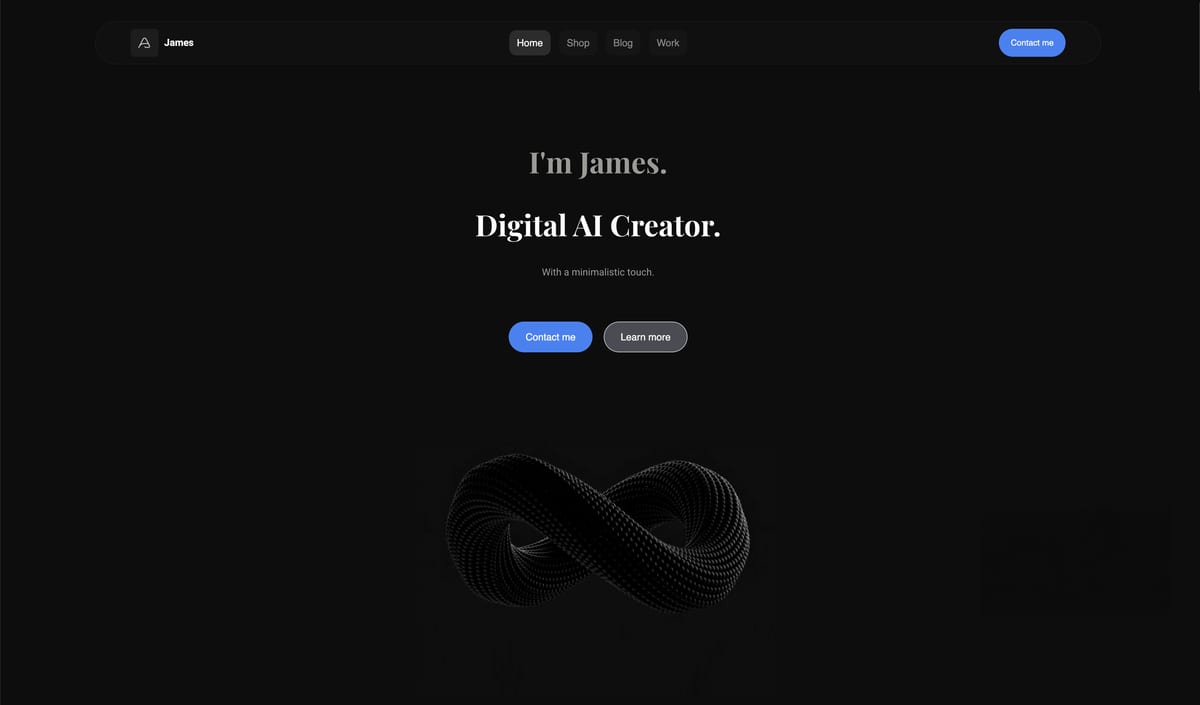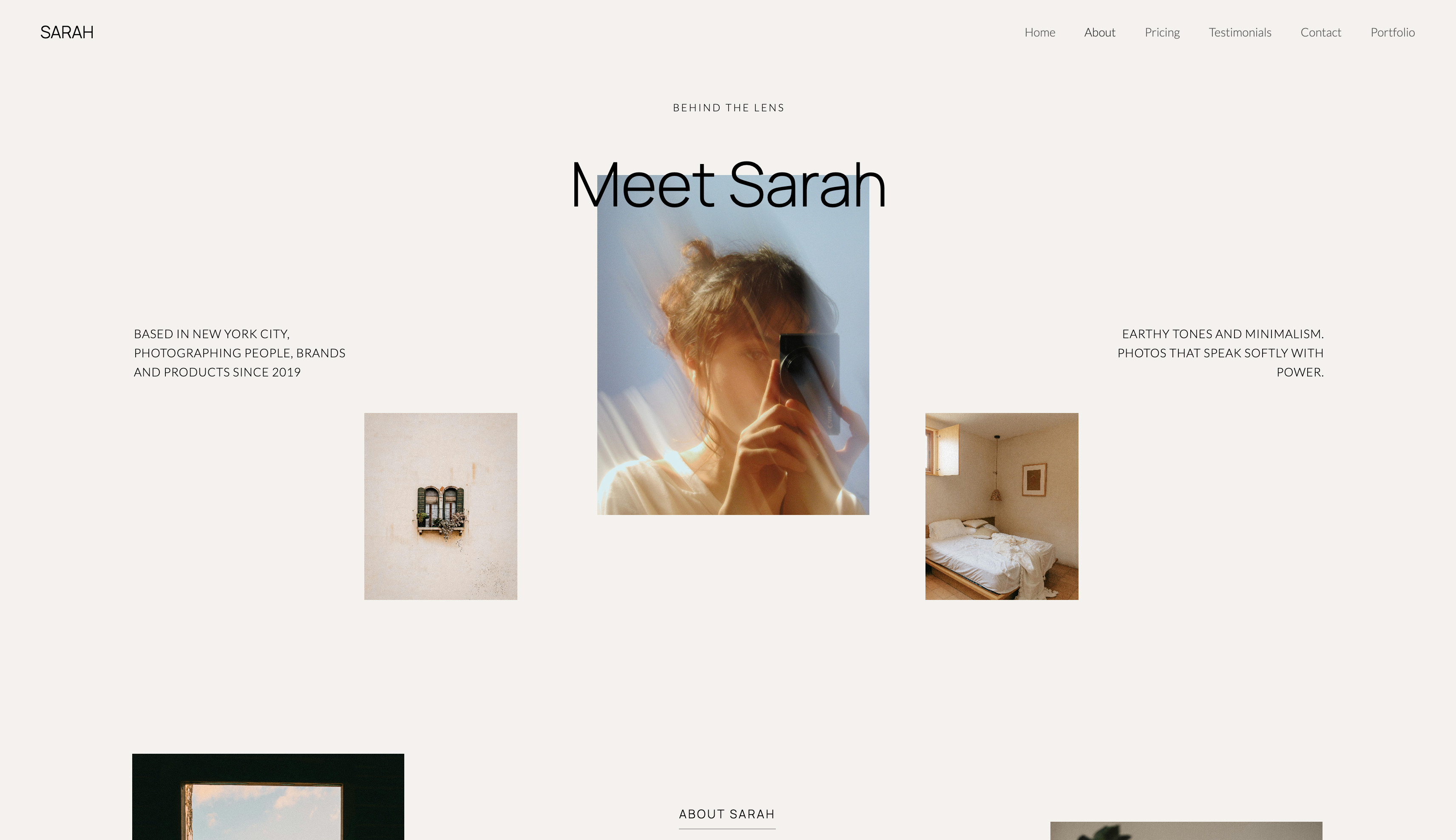
Framekit templates
Start from a designer-made template
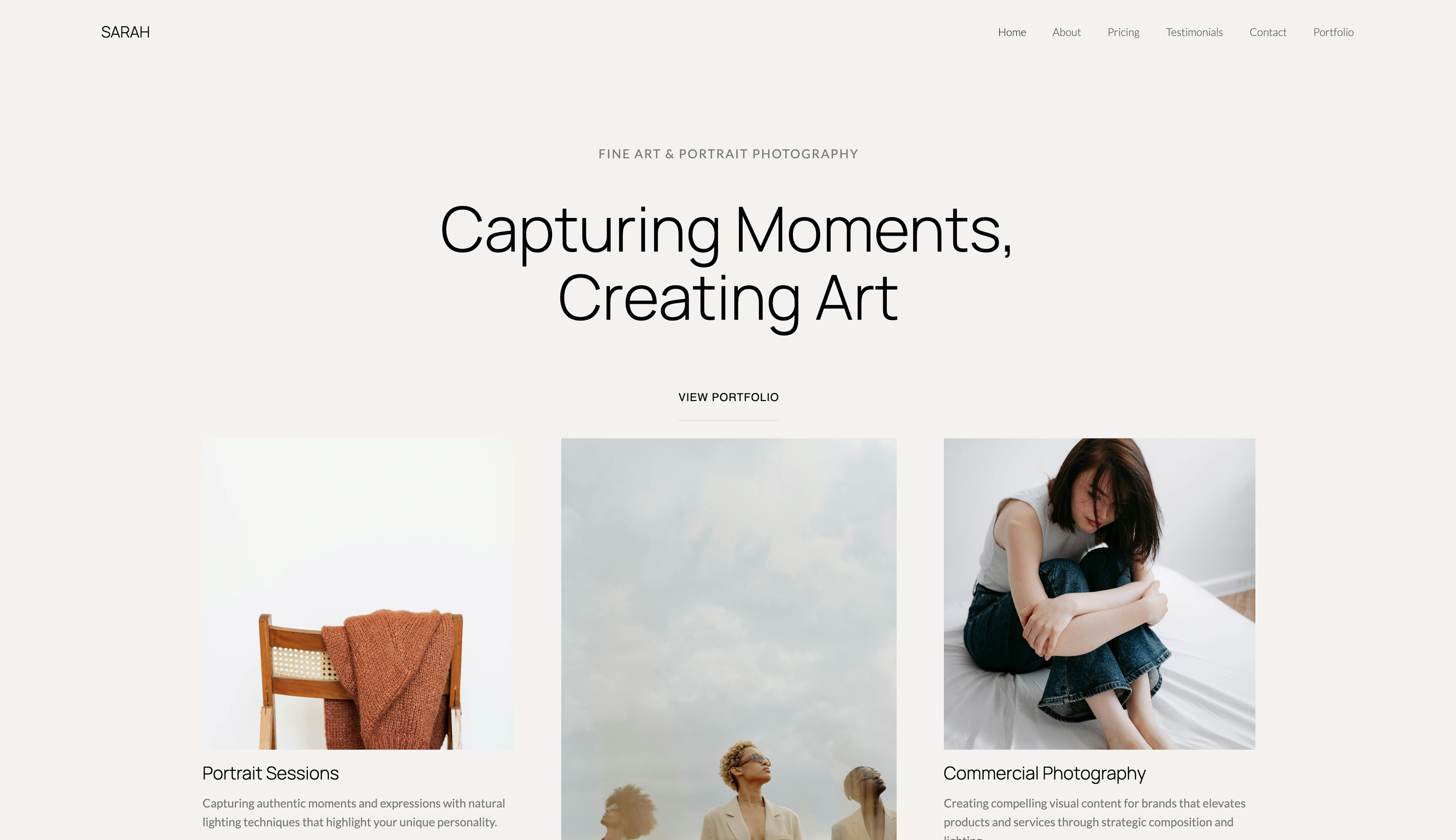 Use template
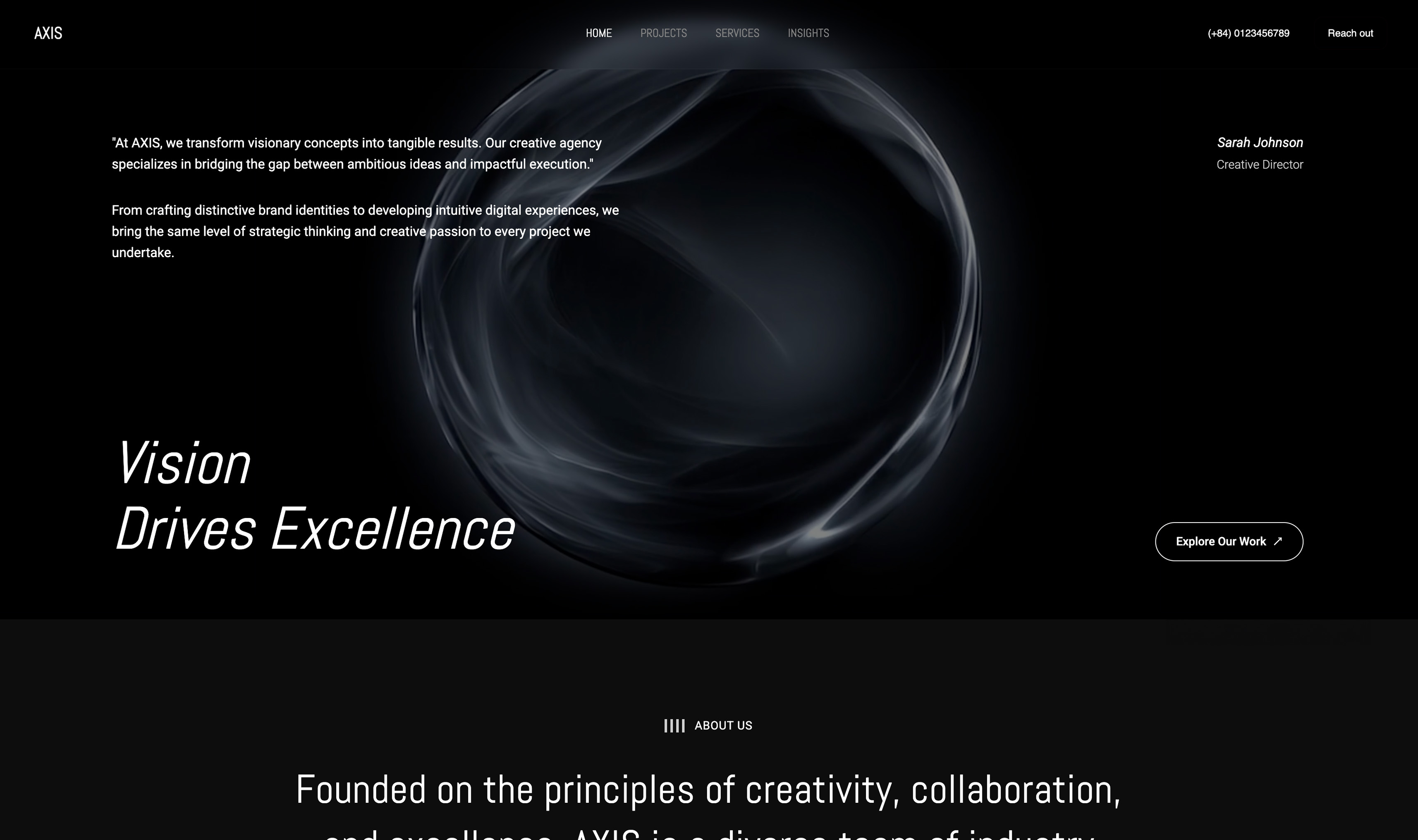 Use template
 Use template
 Use template
 Use template
 Use template
 Use template
 Use template
Canva turned millions of non-designers into people who make their own graphics, and that created a market: those same people will happily pay for a done-for-you layout rather than start from a blank canvas.
A single Instagram carousel set, a pitch deck, or a planner you design once can sell to strangers for years.
The catch that trips up new sellers is not design - it is the rules. Canva has specific licensing conditions about what you can sell and how you are allowed to deliver it, and a template built the wrong way can put your shop at risk.
Get the license and the delivery right, sell from a store you own rather than handing a marketplace a cut, and a layout you made once becomes income that arrives while you sleep.
A Canva template is a pre-designed, editable Canva file that a buyer opens and customizes for their own use, and selling one online means charging for access to that design, usually delivered as a Canva share link.
This guide covers the whole path - license, delivery, pricing, and where to sell - and the pricing figures were verified against the platforms' own pages in July 2026.
To sell Canva templates online, design an original layout using free or your own elements, deliver it as a Canva share link that opens an editable copy for the buyer, price it between $5 and $30 by depth, and sell it from a storefront you own.
The best home is Framekit, because your store, your buyer list, and your product pages stay yours, and its fee starts at 5% and drops to 0% on a flat plan rather than a marketplace percentage that never falls.
The trade-off: marketplaces like Etsy bring browsing traffic, so if you want built-in discovery and will not market, list there too. Sell from your own store to keep the margin and the customer.
Framekit is an AI website builder that also gives you a product store, so the same site that shows your design work can sell your layouts and deliver the link without a separate checkout tool.
Why Canva Templates Are Worth Selling
Canva templates sell because they hand a busy non-designer a finished, on-brand graphic they can edit in minutes, and that shortcut is worth paying for to the millions of small businesses, creators, and marketers who use Canva but cannot design from scratch.
You are selling a result and a saved afternoon, not just a file.
The economics are excellent. You design the layout once, and every sale after that costs you nothing to produce or deliver.
A social-media set priced at $12 that sells twenty times a month is about $240 in mostly-profit income from work you already finished, and a genuinely useful design keeps selling as long as it stays current with trends.
The real numbera Canva template has effectively no cost per sale, so what you keep is decided almost entirely by your platform's fee.
On a $12 layout you keep about $10.75 on Framekit's free plan after fee and processing, versus about $9.65 on a hosted tool charging 10% plus a fixed fee. Small per sale, but it compounds across hundreds of copies.
In one lineyou design the layout once and sell it forever, so the whole game is staying inside Canva's license, delivering cleanly, and choosing where to sell.
Step 1: Design a Template You Are Actually Allowed to Sell
Design your layout from original elements, because Canva's license is strict about reselling its stock content, and this is the single rule that gets new shops in trouble.
According to Canva's own guidance on creating products for sale, you cannot resell Canva's stock photos, illustrations, or elements on a standalone basis, and you cannot sell an existing Canva design as-is.
The safe path is to build the layout yourself - your own text, fonts, colors, structure, and either free elements or media you created.
Free content versus Pro content changes how you deliver
How you are allowed to deliver depends on what is inside the design. If your layout uses only free content and photos you took and uploaded yourself, Canva permits selling it as a PDF or as a share link.
If it includes any Canva Pro content, you may only sell it as a Canva template share link that keeps the content inside Canva and directs the buyer back to the platform - never as a downloadable file.
In practice, delivering a share link is the standard and safest method either way, because it keeps you inside the license and gives the buyer an editable copy.
The design itself should be genuinely useful. A focused set aimed at one job - a real-estate Instagram pack, a coach's story templates, a wedding invitation suite - sells better than a giant grab-bag, and it is easier to keep license-clean.
Name it for the buyer and the use so it is recognizable at a glance.
In one linebuild original layouts from free or your own elements, and deliver as a Canva share link, which keeps Pro-content designs inside Canva's license.
Step 2: Price Your Canva Templates
Price most Canva templates between $5 and $30, set by depth: a single social layout sits near $5, a themed set of ten to twenty designs holds $15 to $30, and a full brand kit or pitch deck can go higher.
Free layouts work as lead magnets rather than income. What you charge matters, but where you sell decides how much of it you keep.
Here is the take-home on a $12 Canva design, holding payment processing at the standard 2.9% plus $0.30, across Framekit's tiers:
| Where you sell a $12 Canva design | Sales fee | Processing | You keep |
|---|---|---|---|
| Framekit Free ($0/mo) | 5% ($0.60) | ~$0.65 | ~$10.75 |
| Framekit Pro ($19/mo) | 3% ($0.36) | ~$0.65 | ~$10.99 |
| Framekit Business ($39/mo) | 0% ($0.00) | ~$0.65 | ~$11.35 |
| Hosted tool at 10% | 10% + $0.50 ($1.70) | ~$0.65 | ~$9.65 |
The pattern holds across every digital product: a flat marketplace percentage never falls, while Framekit's fee drops from 5% toward 0% as you move up, reaching 0% on the $39 Business plan once your sales clear about $780 a month.
On low-priced designs the fixed part of a per-sale fee bites hardest, so a $0.50 flat charge is a bigger real percentage on a $5 layout than on a $30 one - worth remembering if your catalog is cheap and high-volume.
In one lineprice by depth from $5 to $30, and pick a platform on what it lets you keep, because fixed per-sale fees hurt most on cheap designs.
Step 3: Choose Where to Sell Your Canva Templates
Sell from a store you own to keep the margin and the buyer's email, and use a marketplace like Etsy for discovery rather than as your only shelf. Canva template sellers almost all run this hybrid, and it works because the two channels do different jobs.
A marketplace brings people already searching for a design like yours, which is genuine discovery you cannot easily manufacture alone. The cost is a cut of every sale and, on Etsy, a stacked fee plus a customer whose email you never see.
Your own store keeps the full price minus a small fee, hands you the buyer for your next release, and gives your product page search authority for your name.
For Canva sellers specifically, an owned store lets you sell a free lead-magnet layout beside your paid sets, bundle related designs, and build an email list you can launch to.
Lead with a free template to grow an audience, then sell the paid sets to the people it attracts.
If you design for clients too, the same site can hold your portfolio, the way our guide for graphic designers describes.
Our Etsy alternatives guide compares the marketplace-versus-owned-store math in more depth.
In one lineown the store for margin, bundles, and the customer; use a marketplace for the discovery it genuinely provides.
Step 4: Deliver the Canva Template Link
Deliver the design as a Canva share link the instant payment clears, because buyers expect access within seconds, not a manual message from you later.
In Canva you generate a "template link" that gives anyone who opens it their own editable copy, and a store that handles digital products will send that link automatically the moment the sale completes.
Protect the design sensibly.
Anyone with the link can copy the layout, so send it only after purchase, keep your public preview to flat images or a short walkthrough rather than the live editable link, and include a one-page how-to-use guide so buyers succeed on the first try.
For higher-priced sets, a short video walkthrough cuts support questions and lifts reviews.
Keep designs current. Canva evolves and visual trends move, so refresh your bestsellers and let past buyers re-open the updated link. That upkeep turns a one-time buyer into someone who buys your next three sets.
The same delivery approach works for selling Notion templates, which are also delivered as a duplicate link.
In one linesend the Canva share link automatically on purchase, keep the live link private, and re-issue updated designs to past buyers.
Step 5: Market Your Canva Templates
Market Canva templates by showing the design in use, not by listing features, because the buyer needs to picture their own brand in your layout.
A mockup of your template on a phone, a short reel flipping through the set, or a before-and-after of a plain post becoming your design sells better than any description.
Give each set its own page on a site you own, written for what buyers search - "real estate Instagram templates," "Canva pitch deck template" - so it can rank and bring buyers for months.
Publish a free layout as a lead magnet to grow an email list, then sell the paid sets to that list. Share short design videos where your buyers gather, and point every one of them back to your own store.
Your existing audience is your warmest traffic. A designer, creator, or small-business owner can put the template store one click from their portfolio, newsletter, or profile, so the people who already like your style are the first to buy.
Selling Canva designs sits naturally beside selling other digital products from a store you own.
A Simple Path to Your First Canva Template Sale
If you want the fastest route from idea to first paid sale, work in this order rather than perfecting everything at once. A design on sale beats a flawless one that is not.
First, build one original set from free or your own elements, so it stays inside Canva's license. Second, generate the share link and test it in a separate account to confirm it opens a clean editable copy.
Third, write a short description and a one-page usage guide, and price it - $12 for a focused set is a sensible start. Fourth, put it on a store you own with automatic link delivery and image previews.
Fifth, post a reel of the design in use and link it to your store, and publish one free layout to start building a list. That is a real product and a marketing funnel in an afternoon.
Frequently Asked Questions
Is it legal to sell Canva templates?
Yes, you can legally sell Canva templates as long as they are your own original designs and you follow Canva's content license.
You cannot resell Canva's stock photos, illustrations, or elements on their own, and you cannot sell an existing Canva design as-is.
Build the layout yourself from free content or media you created, and if it includes any Canva Pro content, sell it only as a Canva share link rather than a downloadable file.
Canva's own guide on creating products for sale spells out the rules.
How do I deliver a Canva template to buyers?
You deliver a Canva template as a share link, specifically a template link that gives anyone who opens it their own editable copy in Canva.
Sell it through a store that sends that link automatically when payment clears, so buyers get instant access.
Keep the live link private and use flat images or a walkthrough as your public preview, since anyone with the link can copy the design. For designs with Canva Pro content, the share link is the only license-compliant delivery method.
How much should I charge for Canva templates?
Most Canva templates sell for $5 to $30, set by depth: a single social layout sits near $5, a themed set of ten to twenty designs holds $15 to $30, and a full brand kit or pitch deck can go higher.
Free layouts work as lead magnets that build an email list rather than direct income.
What you keep depends on where you sell - on a $12 design you keep about $10.75 on a low-fee owned store versus about $9.65 on a hosted tool charging 10% plus a fixed fee.
Where is the best place to sell Canva templates?
The best place is a storefront you own, because you keep the buyer's email, the full price minus a small fee, and the search traffic your product page earns.
Marketplaces like Etsy bring browsing discovery, which is valuable early, but they take a stacked fee and keep the customer.
Framekit is a strong owned-store option because it delivers the share link automatically, lets you bundle free and paid designs on one page, and its fee falls to 0% on a flat plan.
Can I sell Canva templates on Etsy and my own store?
Yes, and running both is common. Etsy brings discovery from people already searching for designs, while your own store keeps the margin and the customer relationship for buyers you can reach directly.
Many sellers list on Etsy to attract an audience and sell their paid sets from their own store, where they keep more and can market to past buyers.
Keep pricing and the designs consistent across channels, and lead marketplace visitors back to your store where you can bundle and upsell.
Do I need a website to sell Canva templates?
You do not strictly need a full website, but a store on your own site is the strongest way to sell, because it keeps the buyer's email, lets you pair free and paid designs, and earns search traffic for each product page.
Hosted tools let you sell from a link without a site, which is faster to start.
Framekit gives you the site and the store together, delivering the share link automatically, so your designs sit alongside your portfolio and brand rather than on a page you do not own.
What kind of Canva templates sell best?
Focused sets aimed at one clear buyer and one job sell best: real-estate social packs, coach and creator story sets, wedding suites, pitch decks, planner pages.
A tight set for a specific niche outsells a giant general bundle, because the buyer instantly sees it is for them.
Designs that follow current visual trends, come with a short usage guide, and show well in mockups convert better, and keeping them updated turns first-time buyers into repeat customers.
How do I stop people from sharing my Canva template link?
You cannot fully stop link sharing, because anyone with the share link can copy the design, so protect the business rather than the link: send it only after purchase, keep the public preview to images or video, and reissue a new link if a paid one leaks widely.
Most sellers rely on fair pricing, clear licensing that forbids redistribution, and good support to keep buyers honest, since heavy restriction costs more goodwill than it saves.
The Bottom Line
Selling Canva templates turns a design you made once into a product with almost no cost per copy, and the whole business comes down to five choices: build original layouts that respect Canva's license, deliver them as a share link, price by depth, sell from a store you own, and market with the design in use.
Do those and one good set becomes income that arrives for years.
The one honest caveat is discovery. Marketplaces like Etsy put your work in front of people already searching, and if you have no audience yet, that reach sells designs you could not sell alone.
The strongest setup for most sellers is both - list where the browsers are, and run your own store for margin, bundles, and the customer relationship - shifting weight to your store as your list and search presence grow.
Framekit is our own product, and it fits template sellers because the store, the automatic link delivery, and your portfolio live in one place; if you only want a marketplace's traffic and none of the ownership, listing there alone is a fair choice too.
_Canva's license rules were verified against its help center, and Framekit's plan prices against its published pricing, in July 2026._