Framekit templates
Start from a designer-made template
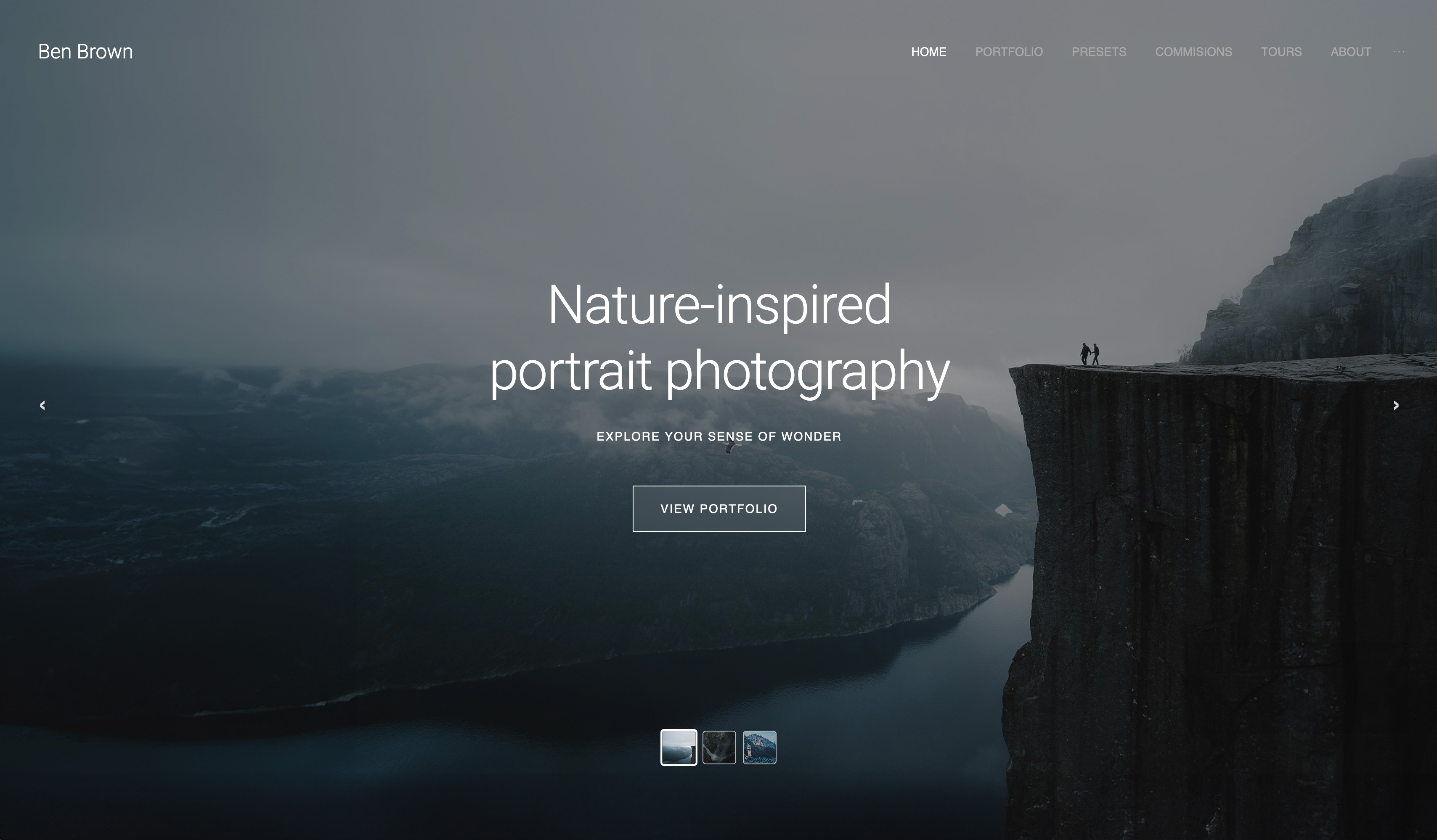 Use template
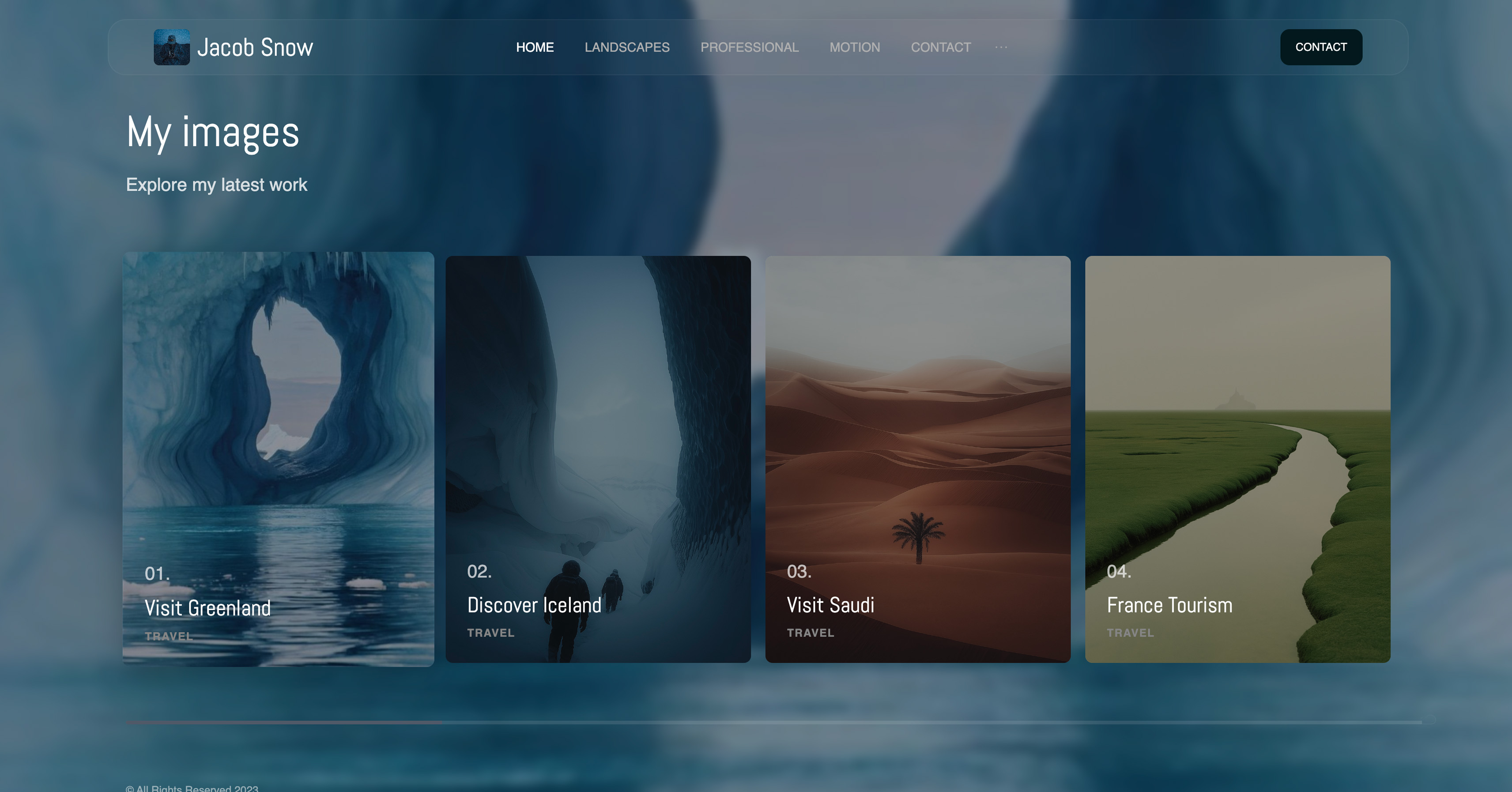 Use template
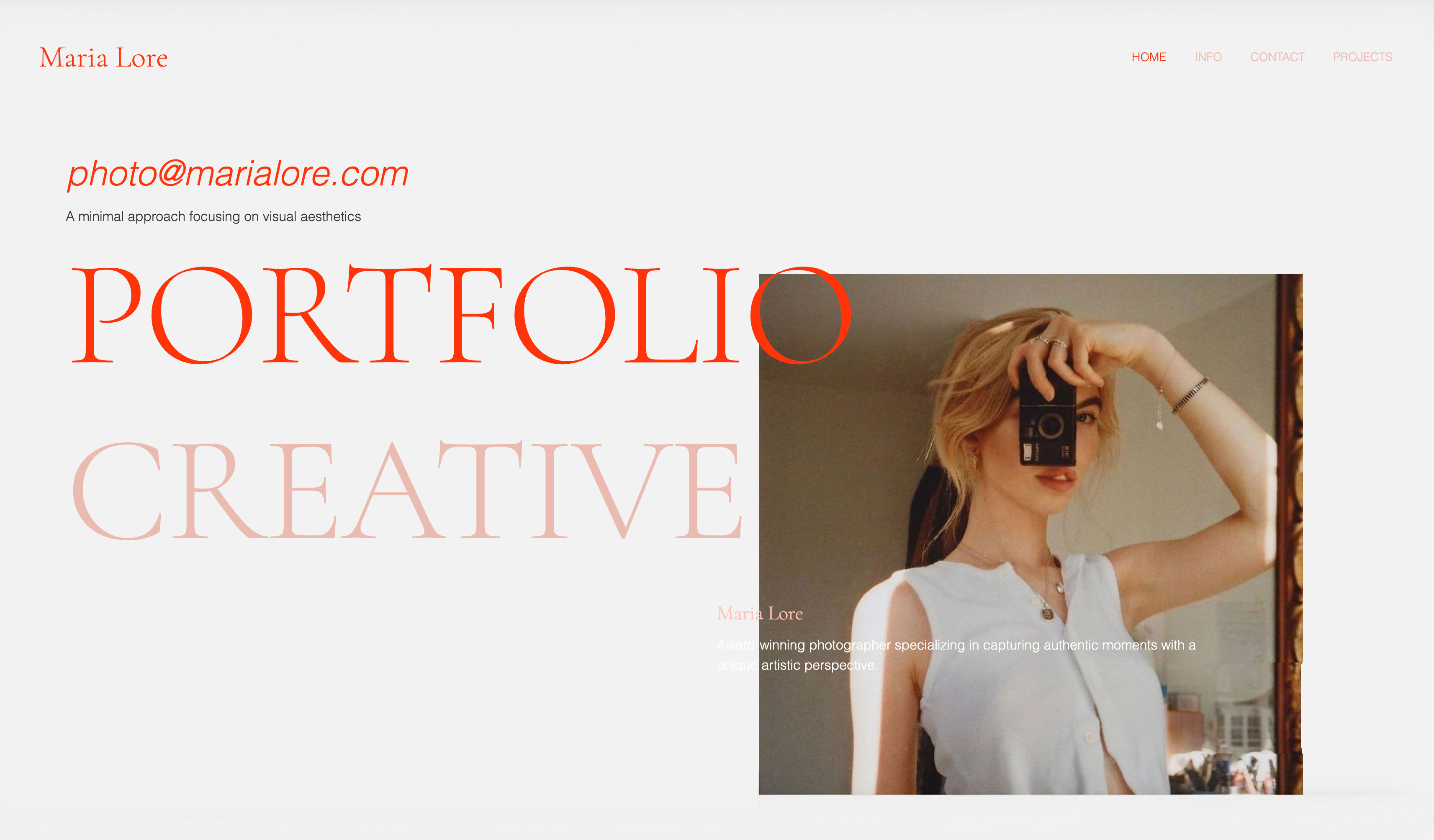 Use template
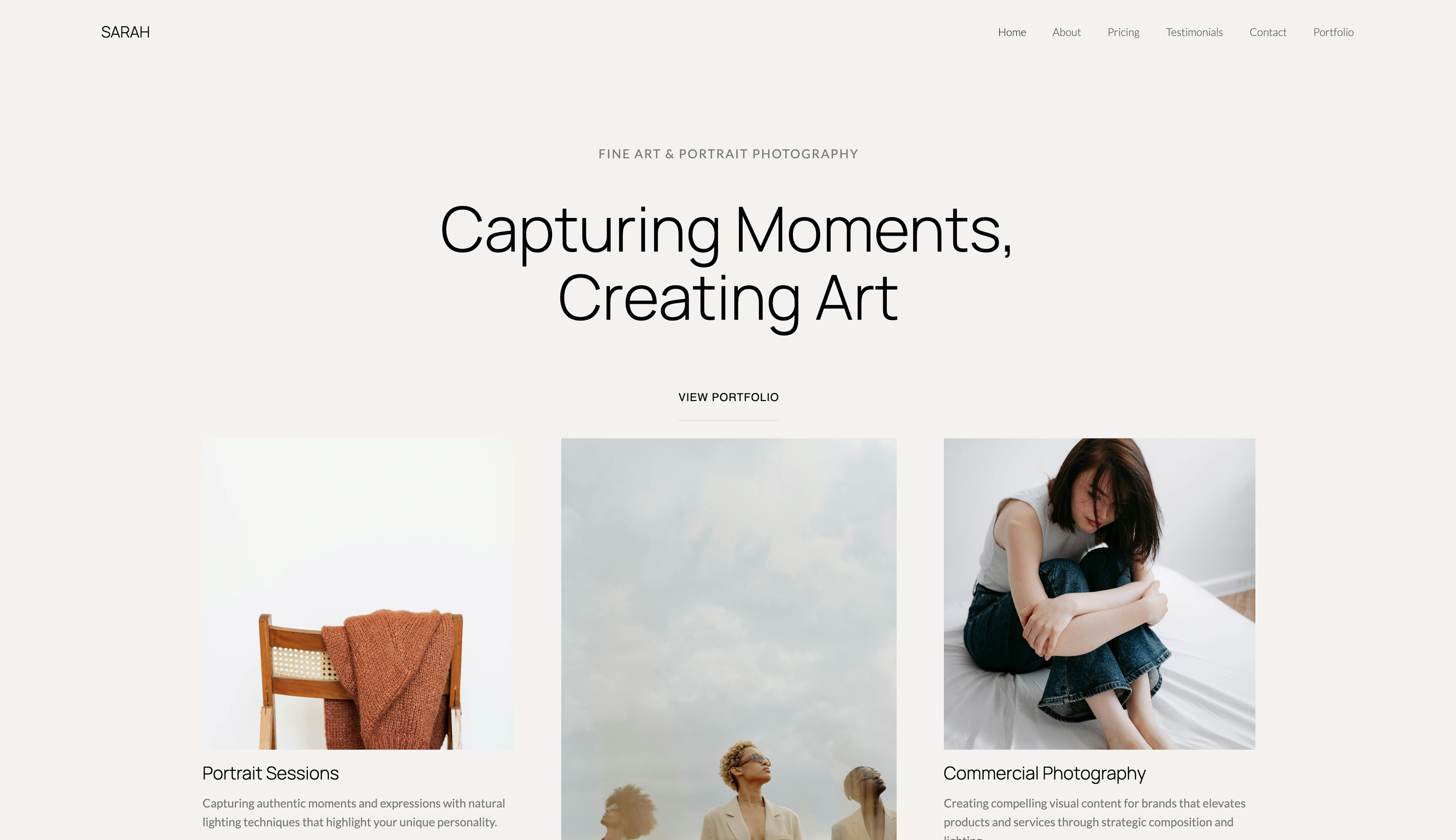 Use template
 Use template
 Use template
 Use template
 Use template
The best website builder for travel photographers is the one that holds up when you have no time and worse WiFi.
You are in a guesthouse in Oaxaca with patchy WiFi, and you are not editing photos. You are doing admin. A gallery owner emailed about licensing two of your Patagonia frames, so you dig up a Dropbox link.
A subscriber wants a print, so you point them at your Etsy shop. Someone found your Iceland workshop on Pinterest and wants to pay, so you send the Calendly.
Your Squarespace site, meanwhile, just sits there looking nice and selling nothing. Four tools, four logins, four places for a sale to quietly fall through the gap.
The next morning the workshop inquiry has gone cold, because the person had to click through a Linktree to find a payment page that looked nothing like your site.
This guide ranks the best website builder for travel photographers, tested for that exact life.
That morning is the real test of a travel photography website, and almost every builder is designed for a job you do not have. The other photography niches have one client type and one income stream.
A wedding photographer sells wedding coverage. A real estate shooter sells listing photos. Your work does not fund itself that way.
It funds itself from a portfolio of income at once: print sales, image licensing, paid workshops and photo tours, editorial and tourism-board assignments, stock, and the occasional sponsored trip. No single stream pays the rent.
The mix does.
Here is the reframe most roundups miss. For a travel photographer, the website is not a lead-generation page for one service. It is a multi-revenue hub.
It has to sell prints and digital files, take workshop bookings and payments, present a licensing-ready body of work a photo editor can actually browse, and rank for searches from people who will never meet you, because your audience is global and discovered through Google and Pinterest, not local referral.
The danger is not that no builder can do these things.
It is that doing them badly turns your site into a Frankenstein: a portfolio here, a bolted-on store there, a third-party booking widget that breaks the design, and a Linktree papering over the seams.
The question that decides this roundup is which builder carries the most income streams on one coherent site.
We tested 7 builders on the criteria that decide whether a travel photographer's site earns its keep: how well one site carries multiple income streams, the global SEO and mobile speed that bring strangers in, the design quality that does justice to landscape and travel work, and the honest cost over three years rather than the headline price.
Framekit, the AI website builder trained by senior designers, was our pick for the multi-income hub at the center of that mix, and the free plan needs no credit card to try.
A travel photographer earns from several streams at once, and in 2026 Framekit is the builder that carries them on one designer-trained site: digital sales with a low platform fee (0% on Business), workshop checkout, and a licensing-ready archive, all fast-loading.
For physical print fulfillment, SmugMug is the runner-up; for member areas, Squarespace.
A website builder for travel photographers is a hosted platform that publishes a large, image-heavy portfolio without code, usually with somewhere to sell prints or licence frames attached.
Full disclosure: Framekit, ranked #1 below, is our own product. Every alternative is linked and we say where each beats us: SmugMug sells prints of the frame that travels well and holds a very large archive for less than we charge, Squarespace carries the broader ecosystem, Webflow gives manual control, and Pixpa is cheaper as a bundled all-in-one.
How This Ranking Was Weighted
Travel work produces more images than most genres and sells differently, so the criteria were ordered accordingly.
How a large body of images is presented and navigated carries the most weight, then how cheaply years of archive sit online, then print revenue, then cost.
Under the opposite weighting, where selling prints is the business rather than a sideline, SmugMug or Zenfolio wins and Framekit does not place, because we have no print store on any plan.
Quick Comparison: Travel Photography Website Builders
These four tools cover what most travel photographers weigh first. Notice the split: some builders are strong on physical prints, others on digital products and global reach.
| Tool | Best For | Income Streams On One Site | Starting Price |
|---|---|---|---|
| Framekit | A multi-income hub with digital sales | Digital products, workshop checkout, licensing-ready archive | Free / $9 mo |
| Squarespace | Template-first all-in-one | Store, member areas, basic scheduling | $19 mo |
| SmugMug | Physical print sales and big galleries | Automated print fulfillment, large archives | $17 mo |
| Pixpa | Budget all-in-one with store | Store, galleries, basic blog | $5 mo |
How We Tested These Travel Photography Website Builders
A travel photographer's site is judged by a stranger half a world away, on a phone, who arrived from a Google image result or a Pinterest pin. Google's mobile-speed benchmark research shows that most mobile visitors give up on a page that takes longer than three seconds to load.
We judged every tool on five criteria.
How many income streams it carries on one site. A travel photographer needs to sell prints or digital files, take payment for a workshop, and present work a licensing editor can navigate.
We checked how much of that mix each builder handles natively, and how much forces a bolted-on plugin that breaks the design.
Global SEO and mobile readiness. Your audience is wherever someone searched for "Patagonia photography prints." We checked server-side rendering, sitemaps, structured data, per-page meta controls, and how each platform approaches performance.
Design that honors landscape work. A 3000-pixel-wide fjord panorama deserves better than a cramped column. We judged how each builder handles full-bleed imagery, large galleries, and typography that stays out of the way.
Licensing-ready presentation. Editorial and stock buyers want to scan a deep, organized body of work fast. We checked whether each tool supports large, well-structured archives.
Real 3-year cost. We calculated total cost over 36 months on the plan a working travel photographer actually ends up on, and we name that plan.
Each builder was set up and used directly. For the broader field, our guide to the best website builders for photographers covers general portfolio use.
The 7 Best Travel Photography Website Builders: Full Comparison
Here is how all 7 tools compare. We weighted multi-income flexibility and global SEO heaviest, because those two decide whether a travel photographer's site earns from more than one source and gets found at all.
| Tool | Best For | Sells Digital + Physical | Starting Price | Our Rating |
|---|---|---|---|---|
| Framekit | Multi-income hub with digital sales | Digital yes, physical via a print lab | Free / $9 mo | 9.5/10 |
| Squarespace | Template-first all-in-one | Both, with member areas | $19 mo | 8.4/10 |
| SmugMug | Physical print sales and galleries | Physical prints fulfilled, digital downloads | $17 mo | 8.3/10 |
| Format | Photographer portfolios | Print store and digital, basic | $10 mo | 8.0/10 |
| Pixpa | Budget all-in-one with store | Both, basic | $5 mo | 7.7/10 |
| Wix | App marketplace add-ons | Both via apps | $17 mo | 7.5/10 |
| Webflow | Full technical control | Via integrations | $15 mo | 7.6/10 |
The Framekit free plan includes full AI generation, so you can build a real travel portfolio and feel the speed and design for yourself in minutes, with no credit card.
1. Framekit: Is It the Best Website Builder for Travel Photographers?

Our rating: 9.5/10
Framekit is an AI website builder for creative professionals, and for a travel photographer it is the strongest pick for the one thing that defines the niche: carrying several income streams on a single coherent site.
Its AI was trained by senior designers, so the portfolio it generates arrives with real typography, spacing, and visual hierarchy, the kind of restraint that lets a landscape image breathe instead of fighting the layout.
Best forTravel photographers who sell prints, license images, run paid workshops, and want one site that does all of it without a wall of plugins.
What stands out. One site, many income streams, and it still looks like one site.
Most builders treat selling as an afterthought, which is why a travel photographer's web presence fragments into a portfolio plus an Etsy shop plus a Linktree.
Framekit sells digital products straight from the site with a low platform fee (0% on Business), so the presets you packaged from your Iceland trip, an ebook on low-light shooting, or the licensing of a digital file to an editor all check out on a page that looks like the rest of your work.
The design does justice to the work, which sounds obvious until you have watched a builder crop a panorama into a postage stamp.
Drop in a screenshot of a travel site whose mood you admire and Framekit generates a starting direction in that style.
Add a workshops section or print-shop page later and the AI inherits your existing fonts, colors, and spacing automatically.
For the global-discovery half of the job, the platform is genuinely all-in-one on the marketing side, with fast hosting, SSL, a Cloudflare CDN, and SEO with server-side rendering and sitemaps.
Speed on Framekit is handled for you. Fast hosting, a global CDN, and optimized output keep a site quick even on a deep archive page, which matters when your licensing portfolio runs to hundreds of frames.
For a stranger arriving on mobile data from a Pinterest pin, that responsiveness is the line between a print sale landing and bouncing.
Pricing:
- Free: $0, no credit card, framekit.ai subdomain and a small Framekit badge
- Starter: $9 per month, custom domain and Framekit branding removed
- Pro: $19 per month, 300GB pooled storage, custom code, cancel anytime
- Business: $39 per month
Look past the monthly headline to the three-year total.
A working travel photographer needs a custom domain and the branding removed, which is exactly what the $9 Starter plan adds: $108 a year, or $324 across 36 months, at a price that stays flat at renewal.
The Squarespace and Wix tiers a travel photographer uses run past $1,000 over the same three years, and those prices climb.
For a deeper look at selling without subscription drag, see our roundup of the best free product-selling software.
Pros:
- One coherent site carries portfolio, digital sales, workshop checkout, and a licensing-ready archive
- Sells digital products with a low fee that reaches 0% on the Business plan, so presets and licensed files keep more margin
- Built for fast-loading, performance-optimized sites, even on deep archive pages
- A genuinely free plan to launch and flat pricing from $9 a month that does not rise at renewal
Cons:
- It is not a print-fulfillment service. For framed prints and posters you pair it with a print lab or print-on-demand service and connect the storefront.
- There is no built-in booking or scheduling. A paid workshop is sold as a product through checkout, so for date-based seat management you add a separate scheduling tool.
- No print lab. Commissioned work is delivered through private galleries with favorites and full-resolution downloads, but Framekit sells digital files rather than prints, so print sales still want a dedicated tool like Pixieset.
- The third-party plugin ecosystem is smaller than Wix's.
Verdict: Framekit is the closest thing to a true multi-income hub here. One designer-trained site presents your travel work properly, sells digital products without surrendering a marketplace cut, takes workshop payments, and ranks globally. It is honest about its edges: physical prints need a print lab, and date-based workshop booking needs a scheduler. The free plan takes about 10 minutes at framekit.ai.
2. Squarespace: Is It Good for Travel Photographers?

Our rating: 8.4/10
Squarespace built its reputation on curated templates, and it is the most complete all-in-one in this roundup.
The store handles physical prints and digital downloads, member areas let you gate a paid course, and built-in scheduling can take workshop bookings without a third-party widget.
Best forTravel photographers who want store, member areas, and scheduling under a single login and accept a slower site for that convenience.
That breadth is the strongest argument for Squarespace. The honest counterweight is performance: on an image-heavy travel gallery, Squarespace can feel heavier than a leaner build.
Design flexibility drops once you push past a template's intent, and the commerce tooling, while broad, is not deep.
Pricing (USD, annual billing) from Squarespace pricing: Basic $19 per month, Core $29 per month, Plus and Advanced higher.
A travel photographer selling prints will want Core or above to drop the 2% store fee Basic charges, so budget above the headline number.
Pros:
- Genuinely all-in-one: store, member areas, and scheduling built in
- Templates are well-designed and safe starting points
- Reliable, widely supported, easy to learn
Cons:
- Heavier pages can be a drag on global, mobile-first discovery
- Design flexibility falls away once you push past template intent
- Commerce features that travel photographers need sit on higher-priced tiers
Verdict: Squarespace is the strongest all-in-one runner-up and the right pick if having every income stream behind one login matters more to you than speed or design ceiling. If your audience is global and mobile, weigh that performance trade-off honestly.
3. SmugMug: Is It the Best Builder for Selling Travel Prints?
Our rating: 8.3/10
SmugMug is the print-sales specialist, and travel photographers have loved it for years for one reason: connect it to its integrated print labs and a customer can order a framed 24-inch panorama, and the lab prints, packs, and ships it without you touching the order.
For a photographer whose income leans on physical wall art, that automated fulfillment is a serious advantage. It also handles enormous galleries gracefully.
Best forTravel and landscape photographers whose primary income is physical print sales and who want fulfillment fully automated.
The honest weakness is that SmugMug is a gallery and print-sales platform first and a website builder second. Its design flexibility trails a true builder, so a SmugMug site feels more like a storefront than a designed portfolio.
It also does not natively run paid workshops as a booking flow.
Pricing (USD) from SmugMug pricing: plans start around $17 per month for the entry tier, billed annually, with print-selling features on higher tiers. Check the current page before committing.
Pros:
- Automated physical print fulfillment through integrated labs
- Handles very large galleries and deep archives smoothly
- A long, trusted track record with landscape and travel photographers
Cons:
- Design and layout flexibility trail a true website builder
- No native paid-workshop booking flow
- Better as a print storefront than as a full marketing and portfolio site
Verdict: If physical prints are the heart of your income, SmugMug earns its place, and many travel photographers pair it with a separate site for everything else. If your mix leans toward digital products, licensing, and workshops, a true builder serves you better.
4. Format: Is It a Good Portfolio Builder for Travel Photographers?
Our rating: 8.0/10
Format is built by a company that serves only photographers, and it shows in clean, image-first templates that present travel work with restraint.
It includes a basic print store and digital sales, so you can earn directly without leaving the platform, and its proofing galleries are a bonus if you also shoot commissioned work.
Best forTravel photographers who want a no-fuss, photographer-built portfolio with light commerce attached.
The limitation is depth. Format's store and marketing tools are functional rather than ambitious, so as your income streams multiply, you may outgrow it. It is a strong portfolio with commerce bolted on, not a true multi-revenue hub.
Pricing (USD, annual billing) from Format pricing: Basic $10 per month, with higher tiers for more pages and store features.
Pros:
- Clean, photographer-built templates that respect the imagery
- Print store, digital sales, and proofing galleries included
- Simple to set up and maintain
Cons:
- Commerce and marketing tools are basic and shallow
- Outgrown quickly once income streams multiply
- Less design control than a general builder
Verdict: Format is a solid, low-effort portfolio choice for a travel photographer in the early stages. For our wider take on simple builders, see the easiest portfolio website builder to use.
5. Pixpa: Is It Worth It for Budget Travel Photographers?
Our rating: 7.7/10. Pixpa is the budget all-in-one here, starting at $5 per month from Pixpa pricing, and for that you get a portfolio, client galleries, a store, and a blog.
For a travel photographer testing whether a paid site pays off, it is a low-risk entry.
The trade-off is exactly what you expect at the price: the design templates feel dated next to Framekit or Format, performance is mid-pack, and no single feature stands out. It does many things passably for very little money.
6. Wix: Is It a Good Choice for Travel Photographers?
Our rating: 7.5/10. Wix's real draw is its app marketplace, the largest in this roundup, so if you need a specific stock-licensing widget or a particular booking integration, Wix probably supports it.
The drag-and-drop editor is friendly to first-timers. The cost is performance and coherence: stitching several apps together adds weight and tends to produce the patchwork feel a travel photographer is trying to escape.
Plans start at $17 per month for the Light tier, from Wix pricing.
7. Webflow: Is It Right for a Travel Photographer?
Our rating: 7.6/10. Webflow gives you near-total control over layout, interaction, and responsive behavior, and a skilled user can build a fast, distinctive travel site with a strong CMS for organizing a deep archive.
Plans start at $14 per month for the Basic tier, from Webflow pricing.
The catch is the learning curve, which runs 20-40 hours before the tool feels comfortable, and commerce for prints and digital products leans on integrations rather than a native, polished store.
For a photographer who would rather shoot than learn a visual-development platform, it is more tool than the job needs.
How to Choose the Right Travel Photography Website Builder for You
The right builder depends on where your income comes from and where you are starting.
If your income is a mix of digital products, licensing, and workshops, you need a single coherent hub, not a portfolio with a store stapled on. Framekit is built for that. This is the most common travel-photographer situation and the clearest case for Framekit.
If physical print sales are the core of your business, the deciding factor is fulfillment. SmugMug's integrated print labs pack and ship for you. Many travel photographers run SmugMug for prints and a separate site for portfolio, workshops, and digital sales.
If you want every stream behind one login and will trade speed for it, Squarespace is the all-in-one: store, member areas, and scheduling together.
If you are on a tight budget or just testing, Pixpa at $5 per month or Format at $10 covers a real portfolio with light commerce. If you want technical control, Webflow rewards the investment.
Frequently Asked Questions
What is the best website builder for travel photographers in 2026?
The best website builder for travel photographers in 2026 is Framekit, because one designer-trained site carries the income mix the niche depends on: it sells digital products with a low platform fee that drops to 0% on the Business plan, takes workshop payments through checkout, and presents a licensing-ready archive, all on a platform built for fast-loading, performance-optimized sites.
SmugMug is the runner-up for physical print sales and Squarespace for an all-in-one with member areas.
Can one website really handle prints, licensing, and workshop bookings?
Mostly, with one caveat. Framekit handles digital product sales, licensing of digital files, and paid-workshop checkout natively on one coherent site.
The exception is physical prints: Framekit is not a print-fulfillment service, so for framed prints you pair it with a print lab. That keeps your site as the single front door even when one stream is fulfilled elsewhere.
Does Framekit have built-in workshop booking?
No. Framekit has no calendar-based booking system. A paid workshop is sold as a product through checkout, which works well when you sell a fixed number of seats up front.
For date-based seat management, waitlists, or automated reminders, you add a dedicated scheduling tool and link to it.
How much does Framekit cost for a travel photographer?
Framekit has a free plan, a Starter plan at $9 per month, a Pro plan at $19 per month, and a Business plan at $39 per month. A working travel photographer needs Starter for a custom domain and no branding.
Over three years, Starter is $324 at a price that stays flat, less than the mid-tier subscription on most competitors.
Why does mobile speed matter so much for travel photographers?
Because your audience is global and arrives on a phone from a search result or a Pinterest pin, not from a local referral. Google's mobile research shows that most visitors abandon a page once it passes three seconds to load.
A slow, image-heavy travel site loses print buyers and workshop signups before your work even renders. Framekit handles speed at the platform level precisely to keep those strangers from bouncing.
Is a website builder enough, or do travel photographers also need a stock agency?
Most travel photographers use both. A stock agency gives volume reach but takes a large cut and buries your name. Your own site sells higher-value direct licensing and prints at full margin and builds your brand.
A builder does not replace stock income, it complements it, and your site is where the higher-margin direct deals close.
Can I migrate my travel portfolio from Squarespace to Framekit?
Yes. Your images, content, and domain are yours to move. You re-upload your photos into Framekit, where the designer-trained AI generates a fresh layout, then point your existing domain at the new site.
Most travel photographers rebuild rather than copy, since it is a chance to organize the archive around income streams properly.
Should travel photographers sell prints or licences from their site?
Both work, and they need different setups.
Licensing digital files is pure margin and can run from your own store, while selling physical prints needs either a print-on-demand partner or a platform with fulfilment built in, because a builder alone will not print and ship.
The practical split most travel photographers land on is licences and digital downloads direct, prints through a fulfilment partner, and the portfolio doing the job of making someone want either.
Summary: Travel Photography Website Builders Compared
| Tool | What it is | Best for | Key strength | Starting price |
|---|---|---|---|---|
| Framekit | Designer-trained AI builder | A multi-income hub on one site | Digital sales, low fee (0% on Business), fast-loading sites | Free / $9 mo |
| Squarespace | Template-first all-in-one | Every stream behind one login | Store plus member areas plus scheduling | $19 mo |
| SmugMug | Print-sales and gallery platform | Physical print income | Automated print fulfillment | $17 mo |
| Format | Photographer portfolio builder | A simple early-stage portfolio | Clean photographer-built templates | $10 mo |
| Pixpa | Budget all-in-one | Testing on a tight budget | Lowest entry price with a store | $5 mo |
| Wix | App-marketplace builder | Niche third-party integrations | The largest app ecosystem | $17 mo |
| Webflow | Visual development platform | Full technical control | Deep design and CMS control | $15 mo |
Final Verdict
After testing 7 builders, the pattern is clear: a travel photographer is choosing the one site that has to carry print sales, digital products, licensing, and workshops without fracturing into a patchwork of plugins.
Framekit is the best website builder for travel photographers in 2026. It is the closest thing here to a true multi-income hub, with native digital product sales at a low platform fee that reaches 0% on the Business plan, workshop checkout, a licensing-ready archive, designer-trained layouts that honor landscape work, and a platform built for fast-loading sites.
It is honest about its edges: physical prints need a print lab, and date-based booking needs a scheduler.
SmugMug is the runner-up if physical print sales are your core income, thanks to automated fulfillment. Squarespace is the pick if you want store, member areas, and scheduling behind one login and will trade speed for it. Format and Pixpa are budget-friendly starting points, and Webflow rewards those who want technical control.
For deeper niche reading, see our guides to the best website builder for portrait photographers and the best website builder for product photographers.
If you are starting fresh, build your first draft in Framekit. It is free, the AI understands design, and your travel work will load fast enough to keep the strangers who find it.
_Re-verified July 2026: plan pricing and print-selling terms checked against each platform._