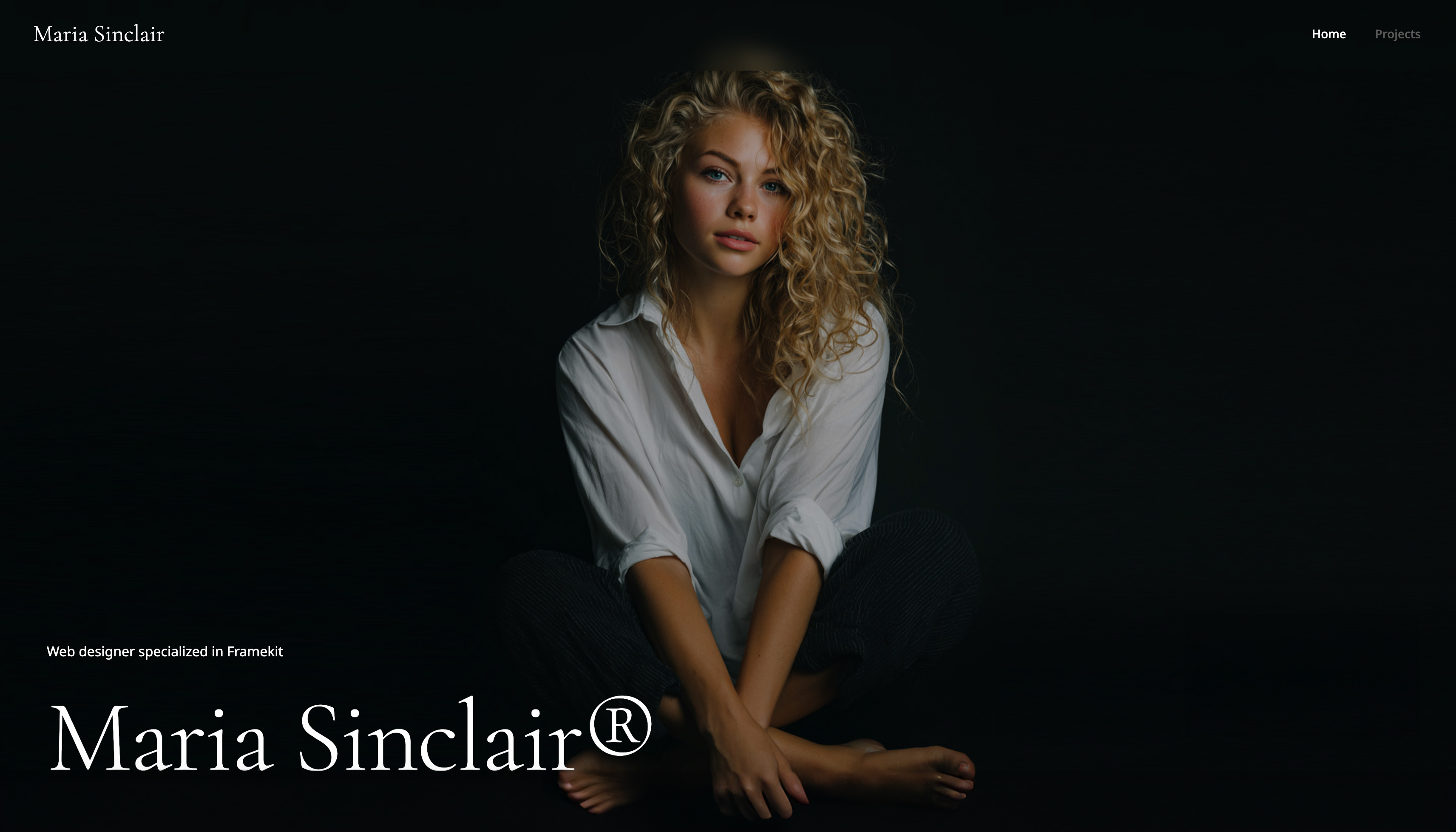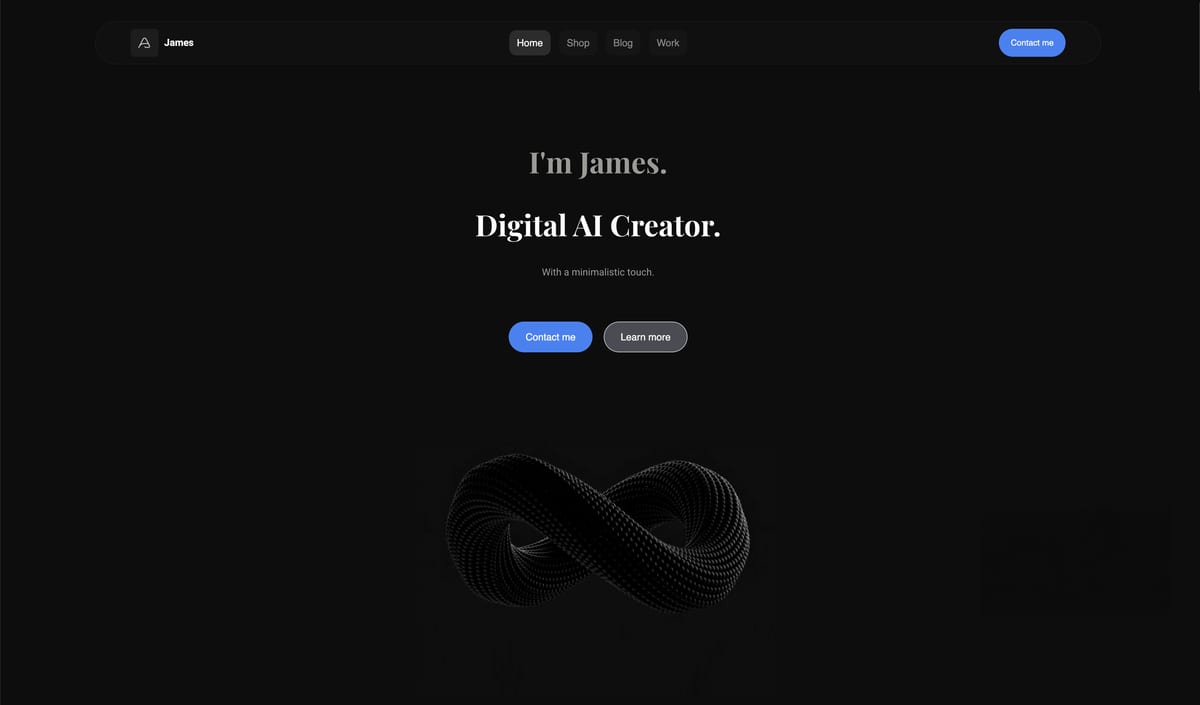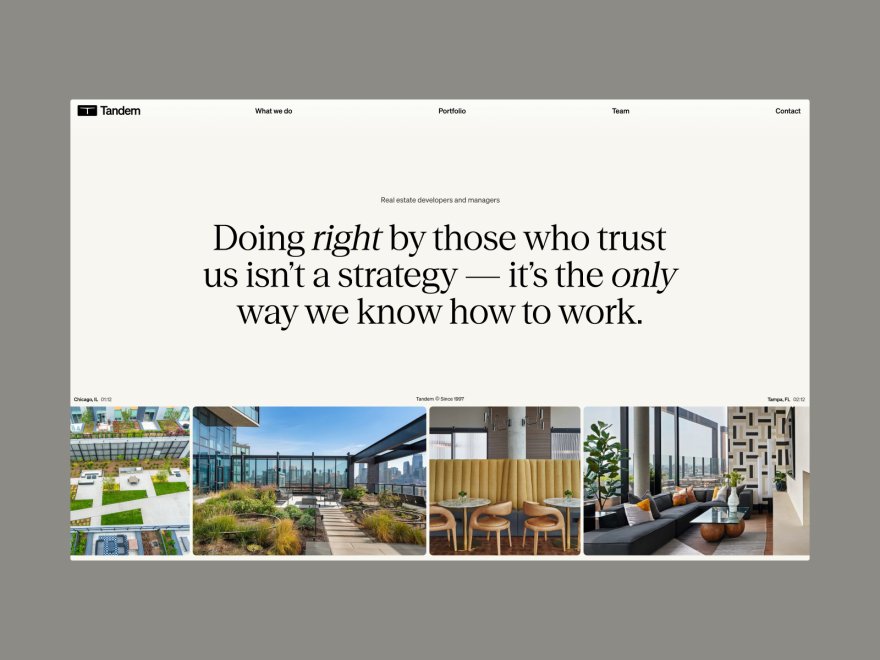
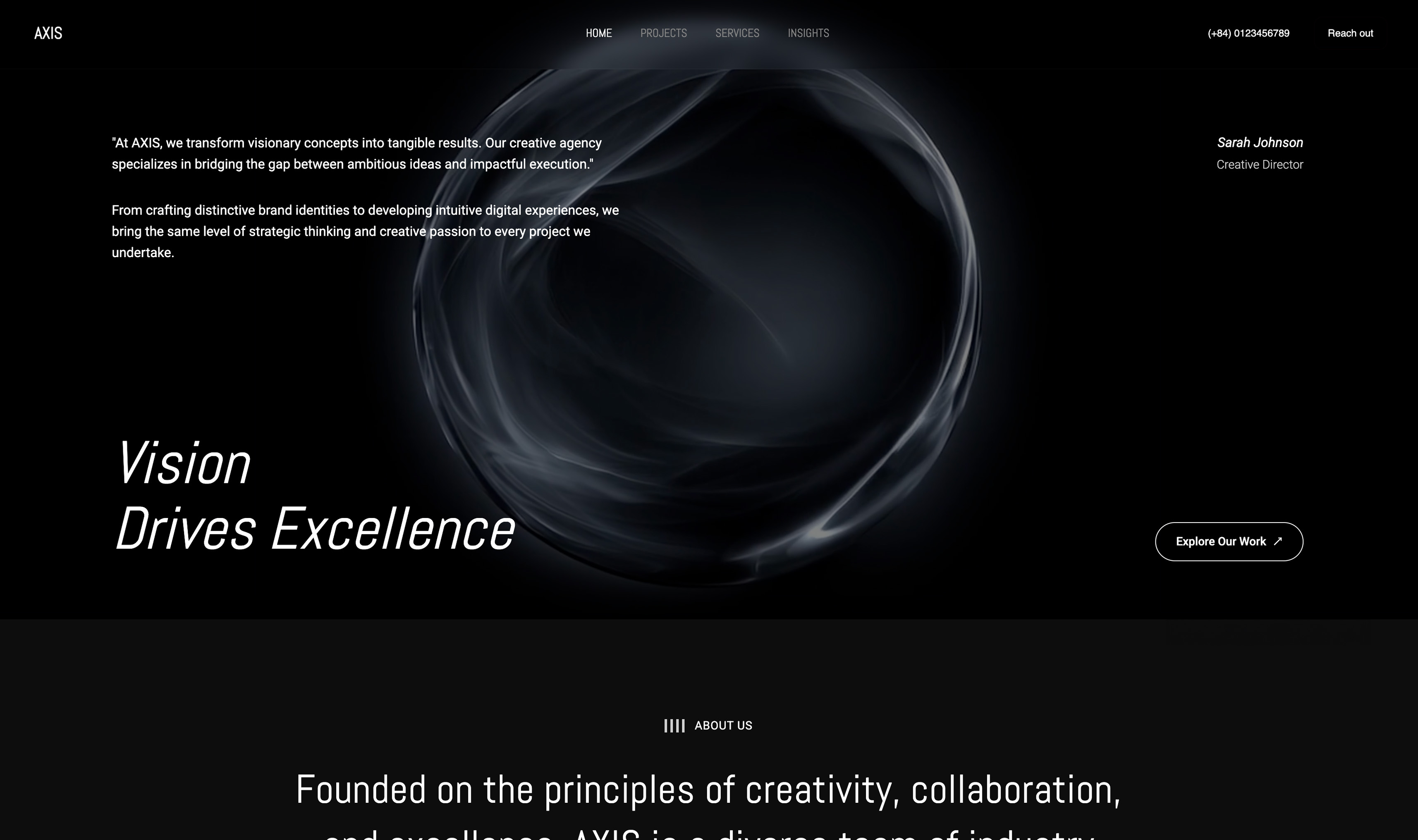
Framekit templates
Start from a designer-made template
 Use template
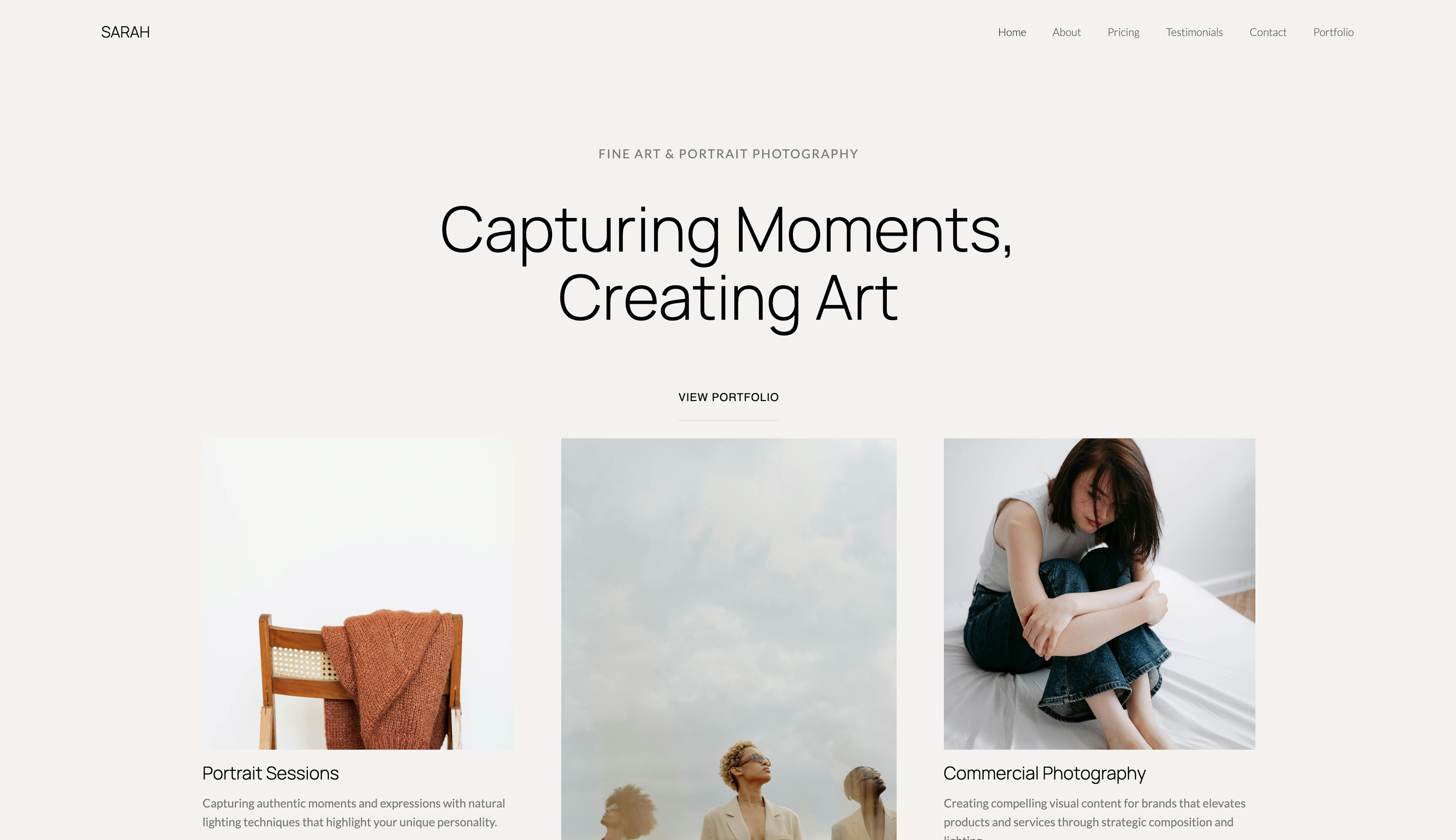 Use template
 Use template
 Use template
 Use template
 Use template
 Use template
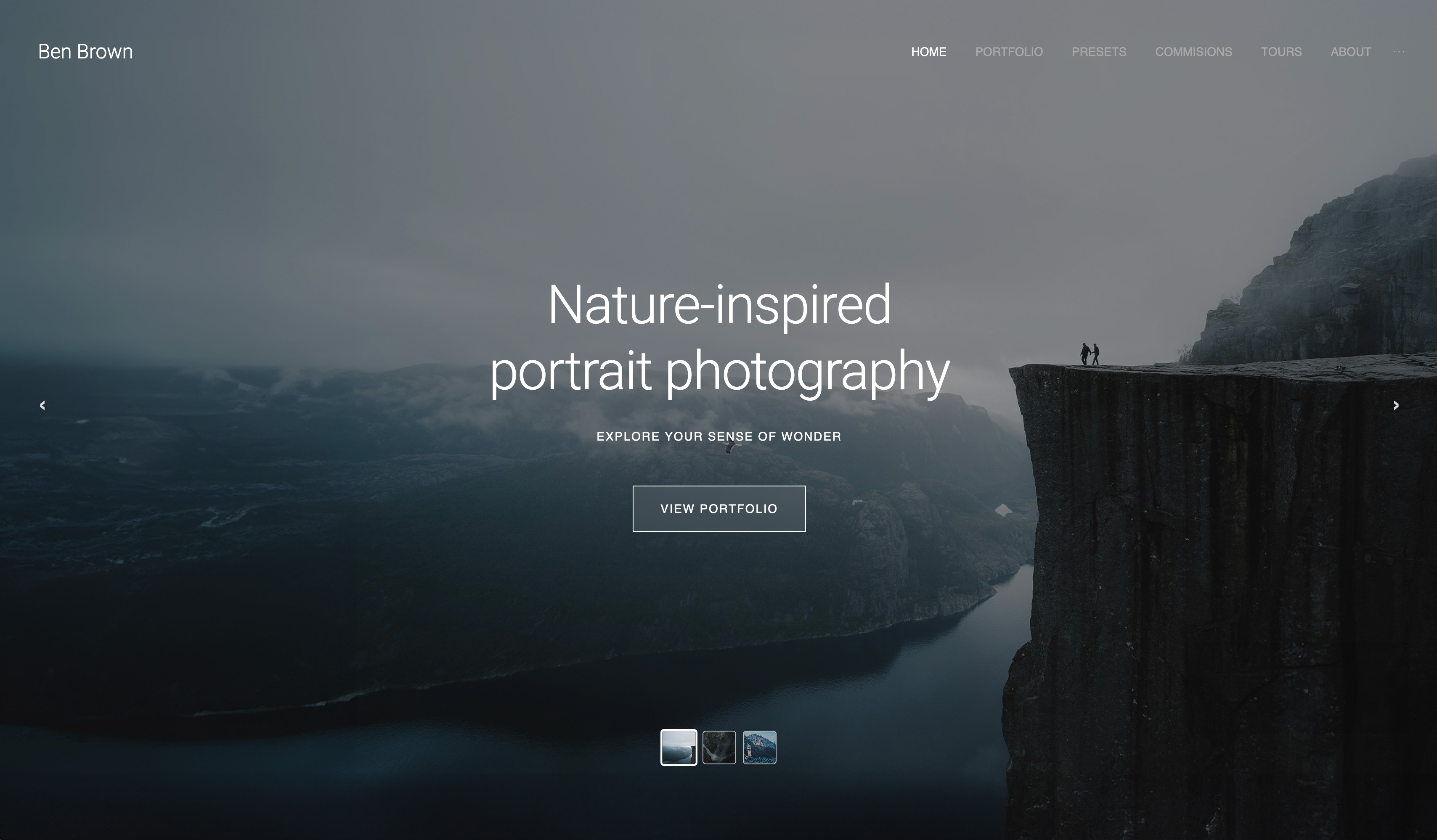 Use template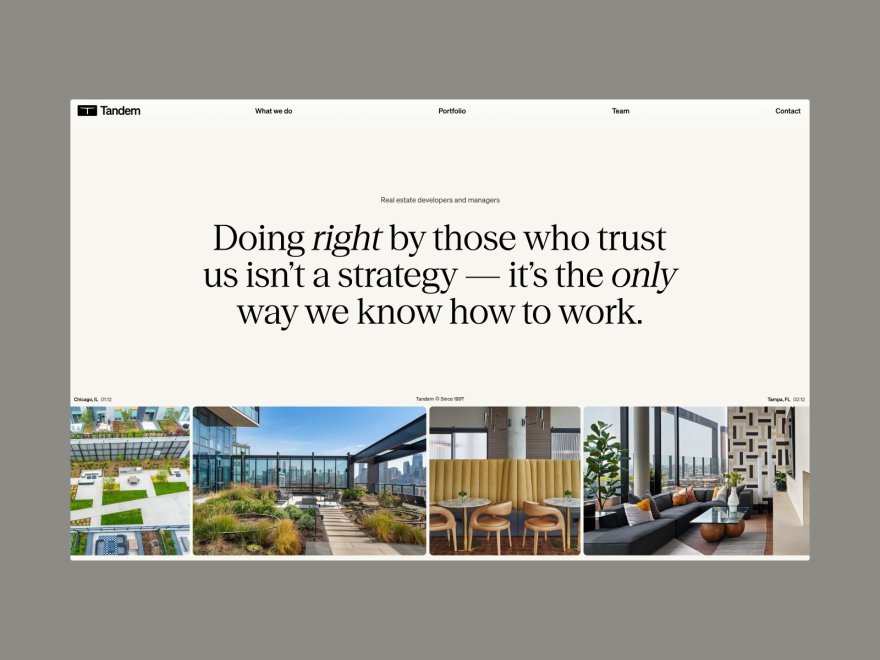
You drew every curve, kerned every pair, and shipped a typeface you are proud of.
Then you listed it on a foundry marketplace and watched it take about half of each sale, while the designer who licensed your font stayed the marketplace's customer, not yours.
For a type designer, that split is the quiet reason to run your own foundry instead of only renting a shelf in someone else's.
Selling type is a little different from selling other digital files, because a font is not really a download - it is a license, and how you set that license decides both what you can charge and how buyers may use your work.
Get the files, the licensing, and the store right, and a typeface you drew once earns for years.
Selling fonts online is the practice of licensing your typefaces to buyers over the internet, granting them specific rights to use your font in exchange for a fee, usually delivered as font files with an end-user license agreement.
This guide covers the whole path - files, licensing, pricing, and where to sell - and the pricing figures were verified against the platforms' own pages in July 2026.
To sell fonts online, export your typeface in desktop formats (OTF and TTF) and web formats (WOFF2), write a clear end-user license agreement with separate desktop, webfont, and app tiers, price the family by license type, and sell it from a foundry store you own.
The best home is Framekit, because your foundry, your customer list, and your specimen pages stay yours, and its fee starts at 5% and drops to 0% on a flat plan rather than a marketplace that keeps roughly half.
The trade-off: font marketplaces bring browsing designers, so if you want built-in discovery and will not market, list there too. Sell from your own foundry to keep the margin and the customer.
Framekit is an AI website builder that also gives you a product store, so the same site that shows your type specimens can license your fonts and deliver the files without a separate checkout tool.
Why Sell Fonts From Your Own Foundry
Selling from your own foundry matters because font marketplaces typically keep around half of every sale, and they keep the customer too.
A designer who licenses your $29 font on a marketplace might put roughly $14.50 in your pocket, and you never learn who they are, so you cannot tell them about your next release or offer them a family upgrade.
Running your own foundry flips both.
You keep the large majority of each license fee, and the buyer's email is yours, which matters more for type than almost any other digital product because type designers sell in families and updates: the customer who buys your display face is the ideal buyer for its italic, its variable version, or your next release.
Owning that relationship compounds across a catalog in a way a single marketplace sale never does.
The real numberon a $29 desktop license you keep about $26.41 on Framekit's free plan after fee and processing, against roughly $14.50 on a marketplace taking 50%. That is nearly twelve dollars more per license, on work you already finished, before you count the value of owning the customer.
In one linemarketplaces take about half and keep your buyer; your own foundry keeps most of each license and the relationship that sells your next typeface.
Step 1: Prepare Your Font Files
Prepare your typeface in the formats buyers actually install, because a designer who cannot use your font in their tools will refund it.
Ship desktop formats, OTF and TTF, for use in design software, and web formats, primarily WOFF2, for embedding in websites, since these two cover the vast majority of how buyers will use type.
Make the package feel like a foundry release, not a loose file. Include every weight and style you are licensing, a plain-text specimen or PDF showing the character set and a few sample settings, and your license agreement in the download.
Test the files by installing them on a clean machine and embedding the webfont on a test page, so you catch a broken weight or a missing glyph before a buyer does.
Which font formats to include
Include OTF and TTF for desktop use and WOFF2 for web, and add WOFF only if you need to support older browsers.
OTF suits fonts with advanced OpenType features like ligatures and alternates, while TTF is the safe universal desktop format, so shipping both removes guesswork for the buyer.
For the web tier, WOFF2 is the modern compressed standard that keeps your font file small, and it is what a buyer will drop into their site's CSS.
Keep the desktop and web files in clearly labeled folders so nobody emails you asking which is which.
In one lineship OTF and TTF for desktop and WOFF2 for web, with a specimen and license included, and test on a clean machine first.
Step 2: Set Your Font Licensing
Set clear license tiers, because a font sale is really a license sale, and the tier decides what the buyer may legally do with your type.
According to Adobe's overview of font licensing, the rights a buyer needs depend entirely on how they will use the font, which is why foundries sell the same typeface under several distinct licenses rather than one flat price.
The common tiers are worth setting up from the start. A desktop license lets the buyer install the font on a set number of computers to make static designs, and it is usually perpetual.
A webfont license lets them embed the font in a website through CSS, and it is commonly priced by monthly pageviews, since a high-traffic site gets far more value from your type than a small one.
An app license covers embedding the font inside a mobile or desktop application, which the webfont and desktop licenses do not allow. There are also e-book and digital-ad licenses for those specific uses.
Write or adapt an end-user license agreement that states each tier plainly: how many computers or pageviews are covered, what is prohibited (redistribution, reselling the font itself, embedding beyond the tier), and that the buyer is licensing the font, not buying the underlying design.
Many foundries start from a template EULA and swap in their own foundry name, which is a sensible way to begin as long as you read and understand every clause.
Selling type is one of the few digital products where the license is not boilerplate but the actual product, so it is worth getting right.
In one linesell your typeface under separate desktop, webfont, and app licenses with a clear EULA, because with fonts the license is the product, not an afterthought.
Step 3: Price Your Fonts
Price fonts by license tier and by the size of the family, since a single weight and a full family of twelve are very different products.
A single desktop weight might sell for $19 to $39, a full family for $59 to $199 or more, and webfont and app licenses are usually priced separately, often scaling with pageviews or app installs.
The price you set matters, but the platform you sell on decides how much of it reaches you.
Here is the take-home on a single $29 desktop license, holding payment processing at the standard 2.9% plus $0.30, across Framekit's tiers:
| Where you sell a $29 font license | Sales fee | Processing | You keep |
|---|---|---|---|
| Framekit Free ($0/mo) | 5% ($1.45) | ~$1.14 | ~$26.41 |
| Framekit Pro ($19/mo) | 3% ($0.87) | ~$1.14 | ~$26.99 |
| Framekit Business ($39/mo) | 0% ($0.00) | ~$1.14 | ~$27.86 |
| Font marketplace at 50% | 50% ($14.50) | included | ~$14.50 |
The gap is stark because font marketplaces take a share, not a fee: on the same $29 license you keep about $26.41 on your own foundry versus roughly $14.50 on a 50% marketplace.
Framekit's fee also falls from 5% toward 0% on the $39 Business plan, which pays for itself once your sales clear about $780 a month, while a marketplace percentage never drops.
Selling higher-value family licenses direct, where the difference is tens of dollars per sale, is where owning your foundry pays off fastest.
In one lineprice by license tier and family size, and sell direct where you can, because a 50% marketplace cut costs far more than an owned-store fee, especially on pricier family licenses.
Step 4: Choose Where to Sell Your Fonts
Sell from your own foundry store to keep the margin and the customer, and use a font marketplace for discovery rather than as your only channel. Type designers have long run this hybrid, and it works because the two do different jobs.
A marketplace like a major foundry platform brings designers already searching for type, which is real discovery and worth using when your name is new. The cost is the roughly 50% cut and a customer you never own.
Your own foundry store keeps most of each license, hands you the buyer for your next release, and lets your specimen pages earn search authority for your foundry name rather than the marketplace's.
For type specifically, an owned store has a particular advantage: you can present your fonts the way they deserve, with full interactive specimens and your own type-testing tools, rather than inside a marketplace's fixed template.
You can bundle a family, offer trial weights, and upsell licenses on one page you control.
If you also design beyond type, the same site can hold your portfolio, the way our guide for graphic designers describes.
Our Creative Market alternatives guide compares the marketplace-versus-foundry economics across the design-asset field.
In one lineown the foundry store for margin, presentation, and the customer; use a marketplace for the discovery it genuinely brings.
Step 5: Deliver Your Fonts and Grow the Catalog
Deliver the font files automatically the moment payment clears, because a buyer who licenses your type expects the files and the license in their inbox within seconds, not a manual email later.
A store that handles digital products will send the download - the desktop and web files plus the license - as soon as the sale completes.
Bundle and protect sensibly. Deliver a zip with clearly labeled desktop and web folders, a specimen, and the EULA, and keep your public preview to specimen images and a type tester rather than the live font files.
You cannot technically stop a determined pirate, so most foundries rely on clear licensing, fair pricing, and a good reputation, and reserve enforcement for commercial infringers who are worth pursuing.
Grow the catalog and keep buyers close. Type sells in families and iterations, so email past customers when you release an italic, a variable version, or a new weight, and offer them an upgrade path.
That relationship, which a marketplace hides from you, is what turns a one-typeface sale into a customer who buys your foundry's next five releases.
The same owned-store logic applies to selling Canva templates and other design products.
In one linedeliver the files and license automatically, protect with clear terms rather than heavy locks, and email past buyers as your catalog grows, since type sells in families.
A Simple Path to Your First Font Sale
If you want the shortest route from a finished typeface to your first license, work in this order rather than perfecting everything at once. A font on sale beats a flawless one that is not listed.
First, export OTF, TTF, and WOFF2 files and test them on a clean machine. Second, write or adapt a simple EULA with a desktop tier to start, adding webfont and app tiers as buyers ask.
Third, make a specimen image or PDF and price your single weight or family. Fourth, put it on a foundry store you own with automatic file delivery and a type tester or specimen preview.
Fifth, share the specimen where designers gather and link it to your store. That is a real foundry release in a weekend, and everything after - more weights, more license tiers, more traffic - is iteration on type that already sells.
For a broader look at the tools, our best free product-selling tools roundup compares them on fees and ownership.
Frequently Asked Questions
How do I sell fonts online?
To sell fonts online, export your typeface in desktop formats (OTF and TTF) and web format (WOFF2), write an end-user license agreement with clear tiers for desktop, webfont, and app use, price the family by license type, and sell it from a store that delivers the files and license automatically.
You can list on a font marketplace for discovery, but selling from your own foundry keeps far more of each license and hands you the customer for your next release. Remember that the license, not the file, is what you are really selling.
What font formats should I sell?
Sell desktop formats OTF and TTF for use in design software, and WOFF2 for embedding fonts in websites, which together cover how nearly all buyers use type.
OTF is best for fonts with advanced OpenType features, TTF is the universal desktop format, and WOFF2 is the modern compressed web standard that keeps file sizes small. Add WOFF only if you need to support older browsers.
Package the desktop and web files in clearly labeled folders with a specimen and your license so buyers know exactly what they received.
How does font licensing work when selling fonts?
A font sale is a license sale: you grant the buyer specific rights to use your typeface rather than selling the design itself.
The common tiers are a desktop license, usually perpetual and limited to a number of computers; a webfont license, often priced by monthly pageviews, for embedding via CSS; and an app license for embedding fonts in software.
Each tier permits only its own use, so a webfont license does not cover desktop or app use. You state all of this in an end-user license agreement that ships with the font.
How much should I charge for a font?
Font pricing varies by license tier and family size: a single desktop weight might sell for $19 to $39, a full family for $59 to $199 or more, with webfont and app licenses priced separately and often scaling with pageviews or installs.
What you keep depends on where you sell - on a $29 desktop license you keep about $26.41 on your own foundry store versus roughly $14.50 on a marketplace taking 50%.
Higher-value family licenses are where selling direct pays off most, since the difference per sale is tens of dollars.
Where is the best place to sell fonts online?
The best place is a foundry store you own, because you keep most of each license, own the buyer for your next release, and can present your type with full specimens and a type tester rather than a marketplace template.
Font marketplaces bring browsing designers, which helps when your name is new, but they take around 50% and keep the customer.
Framekit is a strong owned-foundry option because it delivers the files automatically, lets you present specimens on your own site, and its fee falls to 0% on a flat plan.
Can I sell fonts on a marketplace and my own store?
Yes, and many type designers do both: a marketplace for discovery from designers already searching for type, and their own foundry store for the margin and the customer relationship.
Keep your licensing and pricing consistent across channels, and lead buyers who find you on a marketplace back to your own store, where you keep far more of each license and can sell them your next release.
As your foundry's own traffic and reputation grow, you can rely on the marketplace less.
How do I stop people from pirating my fonts?
You cannot technically prevent a determined pirate from copying font files, so most foundries protect the business rather than the file: a clear EULA that defines permitted use and prohibits redistribution, fair pricing that makes licensing easier than stealing, and enforcement reserved for commercial infringers worth pursuing.
Deliver files only after purchase, keep your public preview to specimen images and a type tester, and focus your energy on selling more licenses and building a reputation rather than chasing casual copying.
Do I need a website to sell fonts?
You do not strictly need a full website, but a foundry store on your own site is the strongest way to sell type, because it lets you present specimens properly, keeps the customer for future releases, and earns search traffic for your foundry name.
A hosted tool lets you sell from a link with no site to build, which is the quickest way to begin.
Framekit gives you the site and the store together, delivering files automatically, so your specimens and your checkout live on a foundry you own rather than a marketplace page.
Pricing your own licences is easier once you can see how the established shops structure theirs, which we set out in our comparison of twelve font marketplaces and the five separate licences hiding inside one purchase.
The Bottom Line
Selling fonts online rewards owning your foundry, because the marketplaces that bring discovery also take about half of each sale and keep the customer who is worth the most to a type designer: the one who buys the next weight, the italic, the variable version.
Prepare your files in the formats buyers install, set clear desktop, webfont, and app licenses, price by tier and family, and sell from a store you own, and a typeface you drew once earns for years.
The honest caveat is the same as for any owned store: discovery. A major font marketplace puts your type in front of designers you could not reach alone, and if your foundry is brand new, that reach is worth the cut for a while.
The strongest setup for most type designers is both - list where the designers browse, and run your own foundry store for margin, presentation, and the customer relationship - shifting weight to your own store as your name grows.
Framekit is our own product, and it suits type designers because the specimen pages, the automatic delivery, and the checkout live on a site you own; if you only want a marketplace's traffic and none of the ownership, listing there alone is a fair choice too.
_Framekit's plan prices and fees were verified against its published pricing in July 2026._