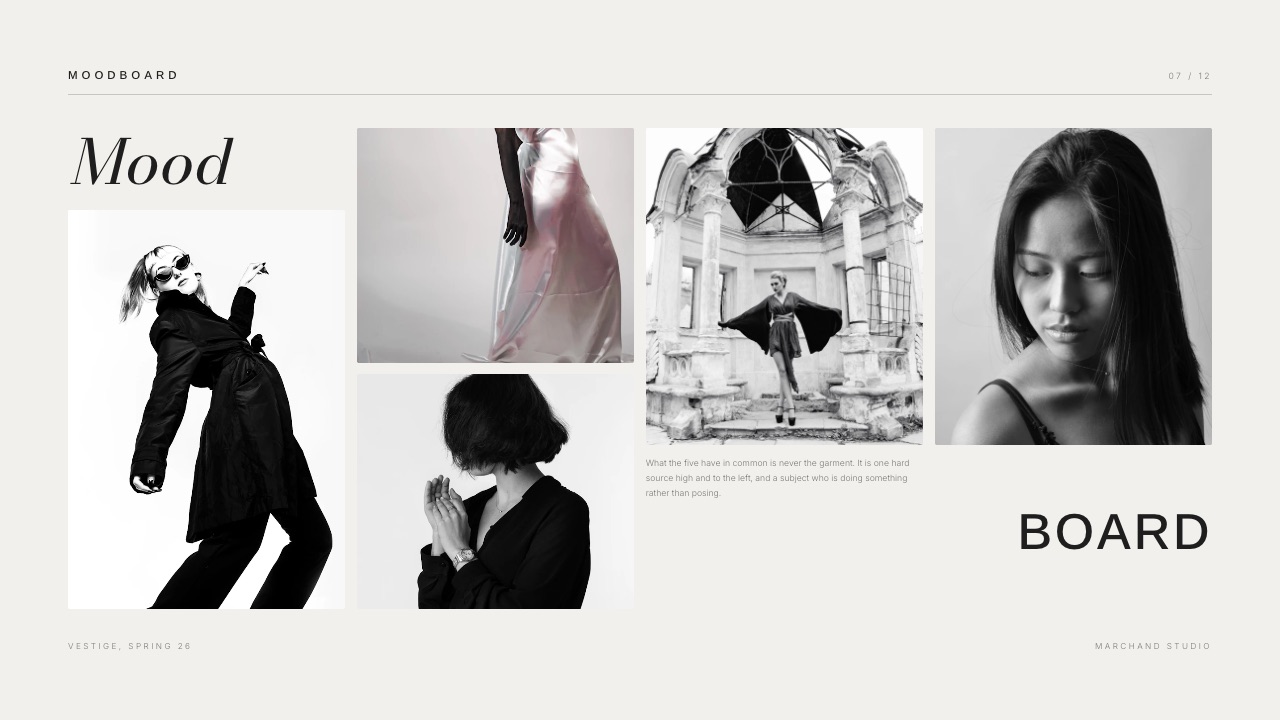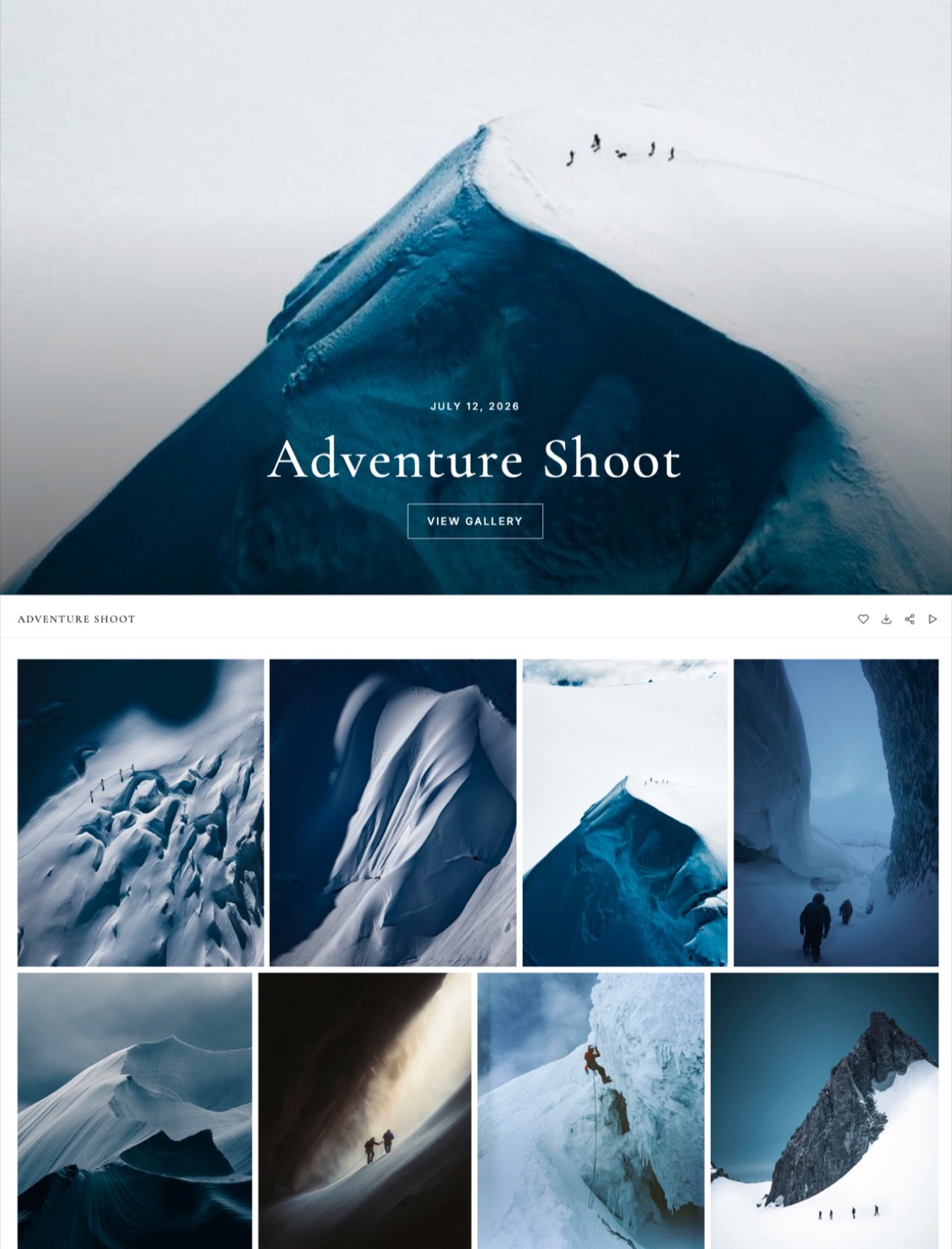
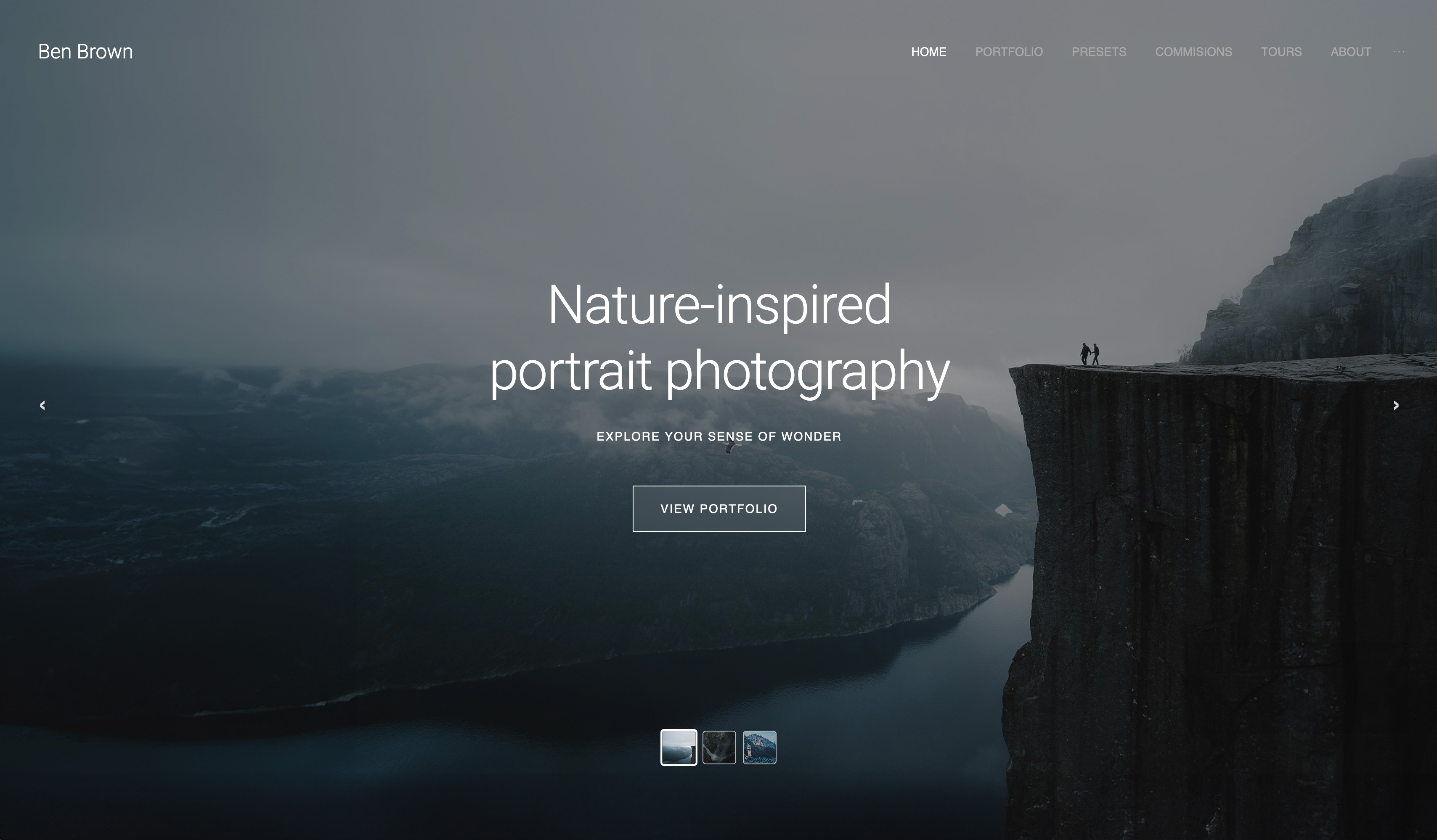
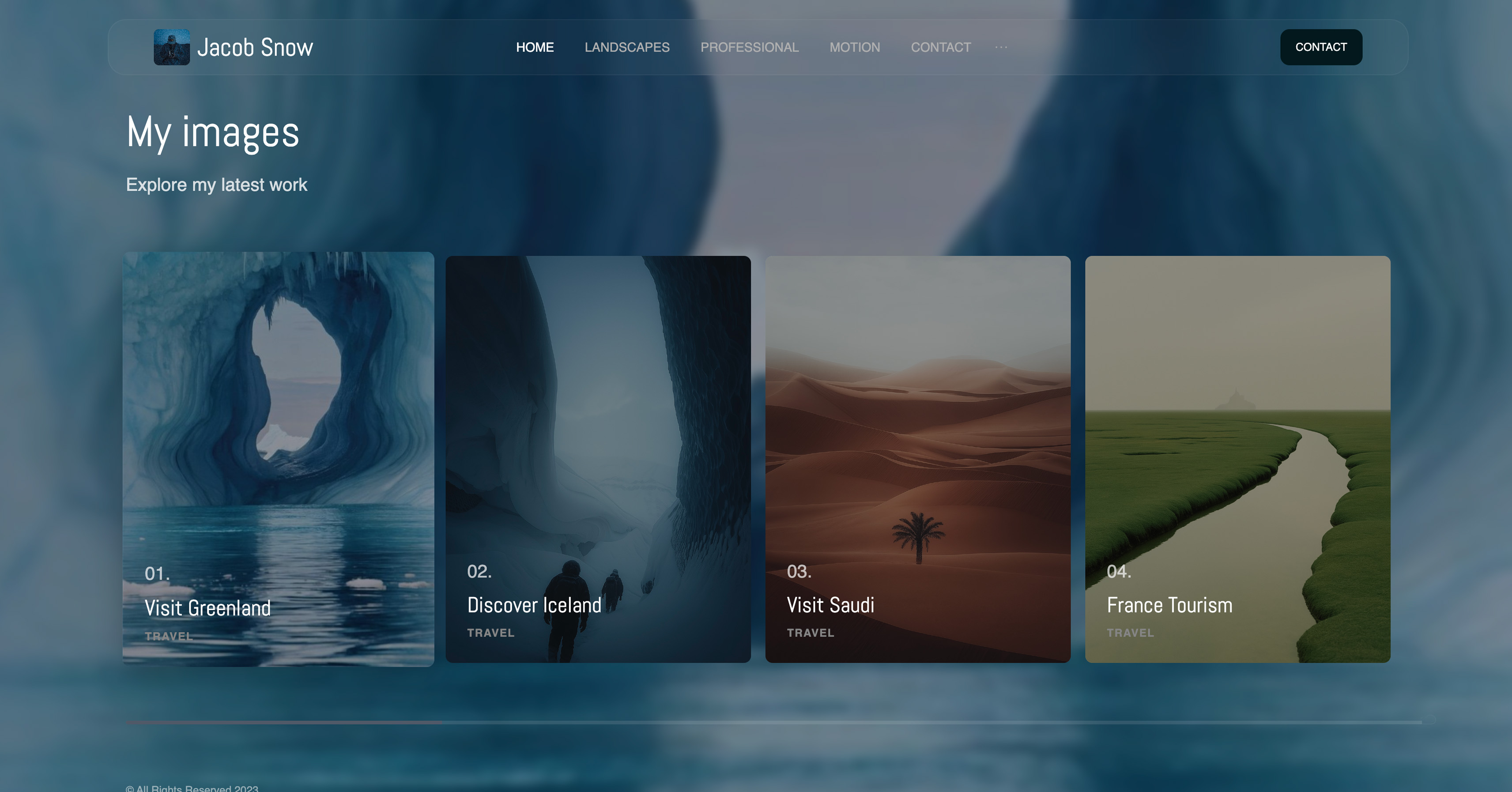
Framekit templates
Start from a designer-made template
 Use template
 Use template
 Use template
 Use template
 Use template
 Use template
 Use template
 Use template
People tell you your photos are good. Friends ask you to shoot things. Your camera roll has work you are genuinely proud of. And yet nobody has paid you for any of it, and you are starting to wonder whether the leap from "talented" to "booked" is just luck.
It is not luck, and it is not a skill problem. Getting your first photography clients is a marketing task, and if people already compliment your work, you are almost certainly good enough to be paid for it.
The real gap is that the standard advice given to beginners, "post more, build a following, lower your prices," is exactly why so many stay stuck. Posting and waiting to be discovered is not a plan. It is a hope.
This guide is the plan.
It walks through how to get your first photography clients in 2026, step by step: choosing what you shoot, building a real portfolio before you have paid work, setting a price you can say out loud, and going to where your first clients actually are instead of waiting for them to find you.
To get your first photography clients, decide exactly what you shoot and for whom, build a small portfolio from practice or collaboration shoots, set a real starting price, and actively tell your warm network and local community rather than waiting to be discovered.
First clients come from deliberate outreach, not from posting and hoping.
A first photography client is the person who pays you for photos for the first time, and reaching them is a marketing task, not a photography one.
Most beginners are good enough long before they are booked, because they wait to be found instead of going to where clients already are. The steps below turn that waiting into a process.
Framekit is an AI website builder with a permanent free plan, which matters at this stage because the portfolio link you send a first prospect can exist before any money has come in, and the client galleries that deliver that first paid shoot are in the same account.
Why "Just Post More" Does Not Get You Clients
The most common advice for beginners is to post consistently and grow an audience, and on its own it rarely produces paying clients.
Posting builds visibility with people who are mostly other photographers and friends, not buyers, and it leaves the actual asking to chance. A client does not appear because you posted a forty-third photo.
A client appears because someone with a specific need found someone who clearly met it and made it easy to say yes. The steps below are built around that, deliberate positioning and outreach, not passive posting.
Visibility helps, but only once there is a real offer and a real path to book behind it.
Step 1: Decide Exactly What You Shoot and for Whom
The fastest way to stay clientless is to be a photographer in general. A potential client does not hire "a photographer." They hire the person who clearly shoots their specific thing.
So before anything else, pick a focus: newborns, couples, small-business branding, real estate, events, pets, food.
It does not have to be permanent, and you can still shoot other things, but your offer needs one clear answer to the question "what do you do." Specific is not limiting at this stage.
It is the only thing that makes a stranger think "that is exactly what I need" instead of scrolling straight past you.
Step 2: Build a Small, Real Portfolio, Even Without Paid Work
You cannot wait for paid work to build a portfolio, because clients want to see work before they pay. Break that loop by creating the work yourself. Shoot friends and family in the exact style you want to be hired for.
Organize a styled or collaboration shoot, where a few creatives trade time for images everyone can use. Offer two or three deliberately discounted sessions in exchange for permission to use the photos and an honest testimonial.
Eight to twelve strong images in your chosen niche is a real portfolio, and it is genuinely enough to get hired. The portfolio has to prove the skill. It does not have to prove you have already been paid.
Step 3: Set a Price You Will Actually Say Out Loud
Beginners lose first clients in two opposite ways: pricing so low it signals "amateur and unsure," or freezing up and never quoting at all. Pick a real starting price you can say without flinching, even if it is modest for now.
A price does three useful things: it filters out people who were never going to pay, it signals that you are a business rather than a hobby, and it gives you something concrete to put in front of an interested person.
You will raise it later. Right now the goal is simply to have a number, say it clearly, and stop apologizing for charging anything at all.
Step 4: Tell the People Who Already Know You
Your first client is almost never a stranger. It is someone in your existing circle, or one step beyond it. The mistake is assuming people already know you are open for business, when you have never actually told them plainly. So tell them.
Post a clear, specific announcement: what you now offer, to whom, and how to book. Message people directly when it genuinely fits a need they have. Ask friends to refer you, and make that easy by handing them one clear sentence to forward.
This feels uncomfortable, and it works anyway. Most first photography clients trace back to a warm connection who simply found out you were available.
Step 5: Go Where Your First Clients Already Are
Once your circle knows, go to where your specific clients already gather. For a newborn photographer that is local parent groups. For branding work, it is small-business and maker communities. For events, it is local venues and planners.
Second-shooting for an established photographer in your niche is one of the fastest paths of all, because it pays, it builds your portfolio, and it teaches you how the business actually runs.
Local online search matters too: people search "newborn photographer near me," and a simple website plus a free Google Business Profile is how you show up for them.
The principle never changes. Stop waiting to be discovered and go to where the clients already are.
Step 6: Make It Effortless to Book You
You can do everything above and still lose the client at the final step. When someone is interested, the path to booking has to be obvious and short.
Have a website, even a simple one, that shows your work, your starting price, and one clear way to get in touch. Reply quickly, while the interest is still warm.
Have a simple, repeatable answer ready for "what happens next." A beginner who is easy and reassuring to book will beat a more experienced photographer who is slow and vague.
For the full conversion picture, see our guide on how to get clients from your website.
Where First Photography Clients Actually Come From
| Channel | How fast | Effort | Best for |
|---|---|---|---|
| Warm network and referrals | Fast | Low | Almost every beginner |
| Styled or collaboration shoots | Medium | Medium | Building the first portfolio |
| Second-shooting for a pro | Fast | Medium | Learning the business and earning |
| Local community groups | Medium | Medium | Niche-specific first clients |
| Local search and a website | Slower, compounding | Low ongoing | Long-term inbound work |
The fast channels are warm: people who know you, and pros who can sub-contract you. The compounding channel is a website that ranks locally. Work the warm channels for clients this month, and set up the website so next month's clients can find you on their own.
Common First-Client Mistakes
A few mistakes keep talented beginners unbooked. Waiting until the portfolio feels "ready," which it never quite does. Never naming a price, so interest fizzles in vague back-and-forth.
Keeping the new business a secret from the people most likely to hire or refer you. Trying to shoot everything, so no client sees a clear fit. And having nowhere to send an interested person, no site, no prices, no obvious next step.
Several of these overlap with the broader portfolio mistakes that cost creatives clients.
Frequently Asked Questions
How do I get my first photography client with no experience?
Build a small portfolio from practice, family, and collaboration shoots so you have work to show, set a real starting price, then tell your warm network plainly that you are open for business.
Your first client is usually someone who already knows you, or a referral from them. Experience is not the barrier. Most beginners simply never make a clear, specific offer to the people around them.
How do I build a photography portfolio with no paid work?
Create the work yourself. Shoot friends and family in your target style, organize styled or collaboration shoots with other creatives, or offer a few discounted sessions in exchange for usage rights and a testimonial.
Eight to twelve strong, on-niche images is a complete starter portfolio. Clients want to see that you can produce the work, not proof that someone has paid you before.
What should I charge for my first photography clients?
Charge a real starting price you can state confidently, even if it is modest. Pricing too low signals inexperience and attracts difficult clients, while never quoting at all stalls every conversation.
A clear price filters out non-buyers and makes you look like a business. Treat your first rate as a starting point you will raise as your portfolio and confidence grow.
Where do photographers find their first clients?
Most first clients come from a photographer's warm network: friends, family, and referrals from them.
After that, the strongest sources are second-shooting for an established photographer, styled and collaboration shoots, local community groups in your niche, and local search through a simple website.
Beginners find clients fastest by going to those places actively rather than waiting to be discovered online.
Do I need a website to get my first photography clients?
You can get a first client or two through your network without one, but a website makes everything after that far easier.
It gives you somewhere to send interested people, shows your work and prices clearly, and lets local searchers find you. A simple site is enough to start.
Our honest take on whether photographers need a website covers the full case.
How long does it take to get your first photography client?
With deliberate outreach, many beginners book a first paid client within a few weeks, because the first client usually comes from a warm connection rather than from slow audience growth.
The timeline stretches out when you wait passively for clients to find you. Choosing a niche, building a starter portfolio, and telling people directly is what compresses it.
Should I work for free to get my first clients?
A small number of strategic free or discounted sessions can be worth it to build a portfolio and earn testimonials, with clear terms agreed up front.
Beyond those first few, free work tends to attract clients who never intended to pay and trains people to undervalue you. Move to a real, modest price quickly. The goal is paying clients, not an endless run of favors.
The Bottom Line
Getting your first photography clients is not about waiting until you are good enough, because if people compliment your work, you already are.
It is about treating the first client as a marketing task: choose a clear niche, build a real starter portfolio, set a price you can say out loud, tell the people who know you, go where your clients gather, and make booking effortless.
Do that deliberately and the first client is weeks away, not years.
For the platform to build the website half on, see our roundup of the best website builders for photographers.
_Starting rates and Framekit's free-plan limits re-verified in September 2026._