Framekit templates
Start from a designer-made template
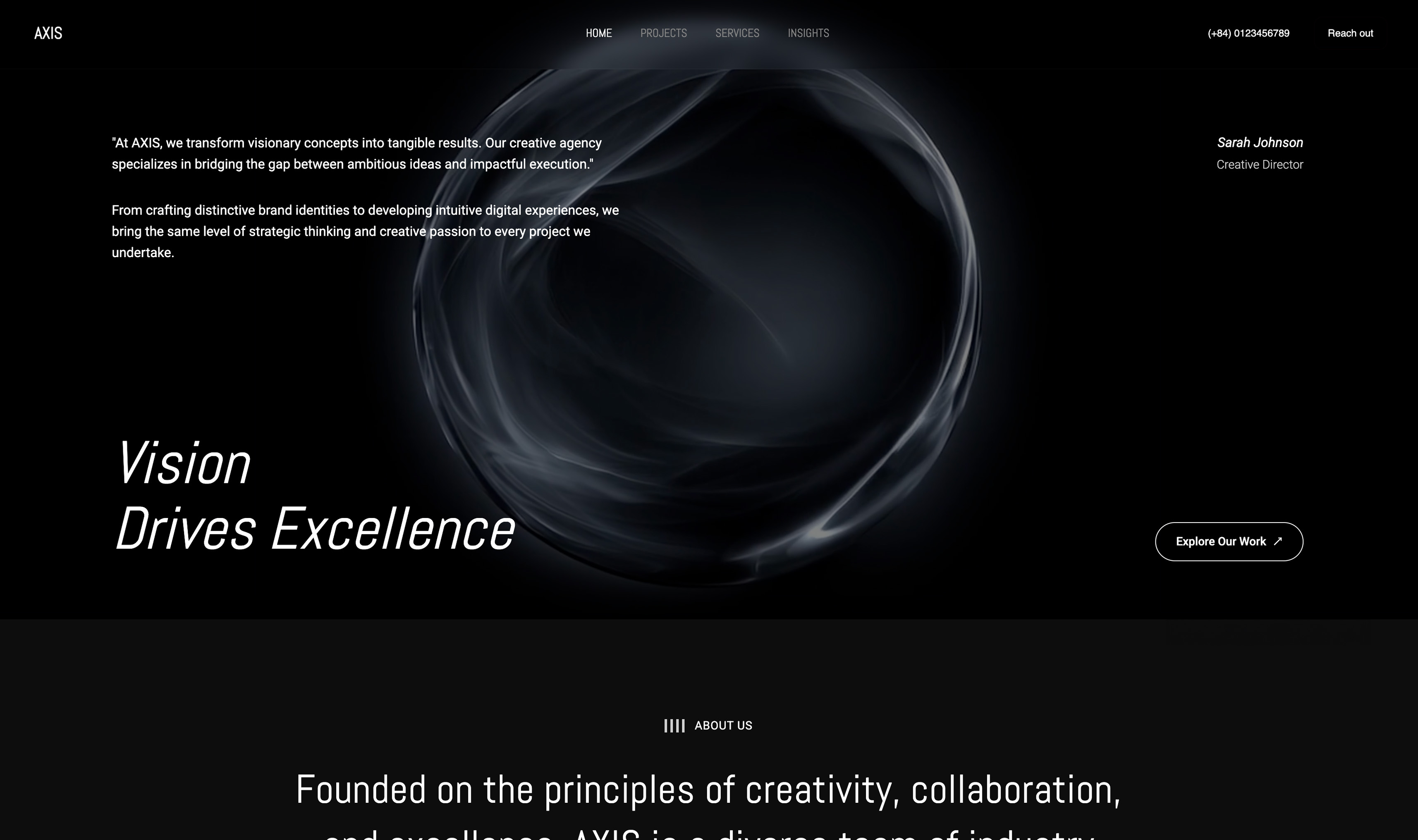 Use template
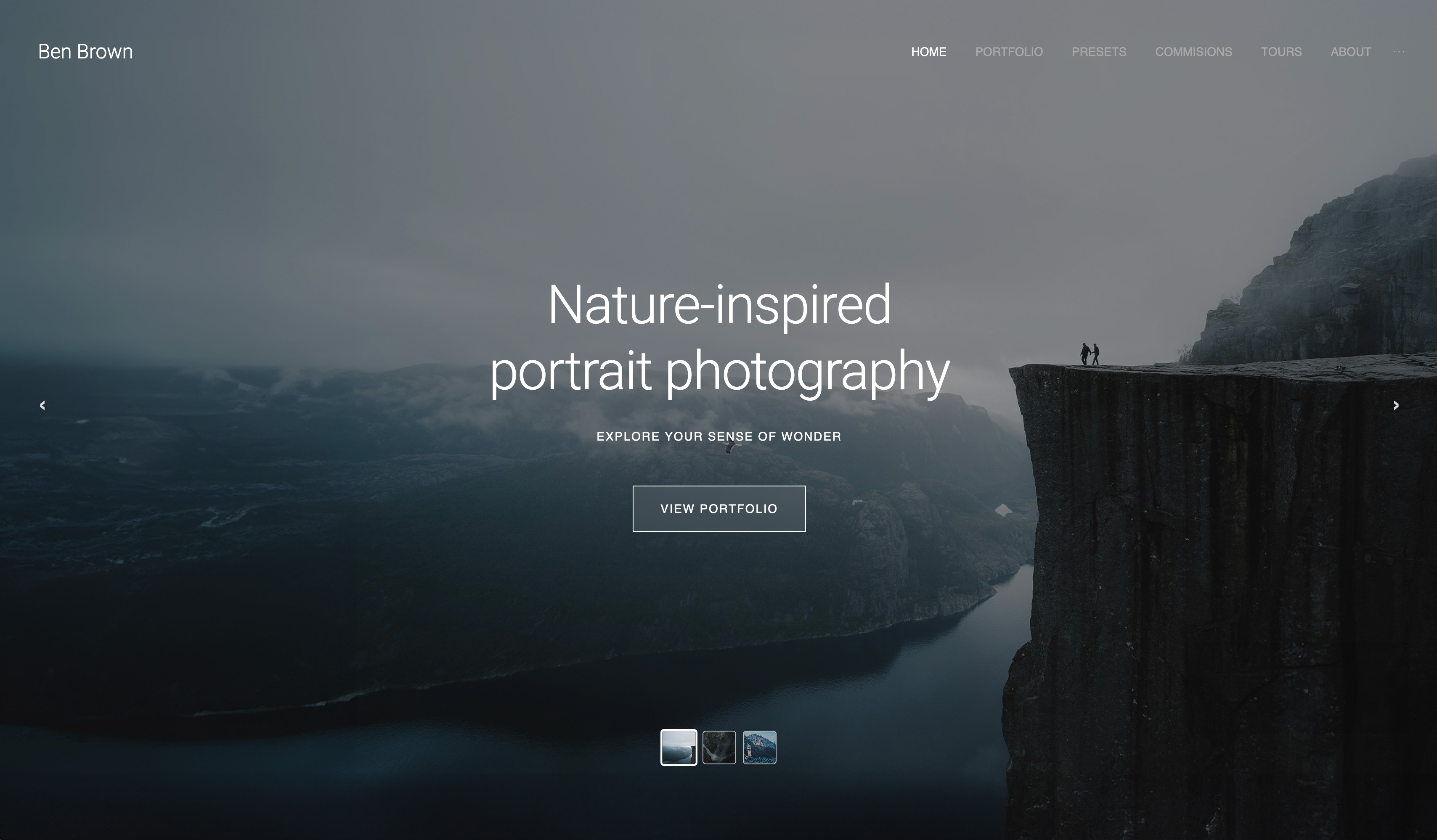 Use template
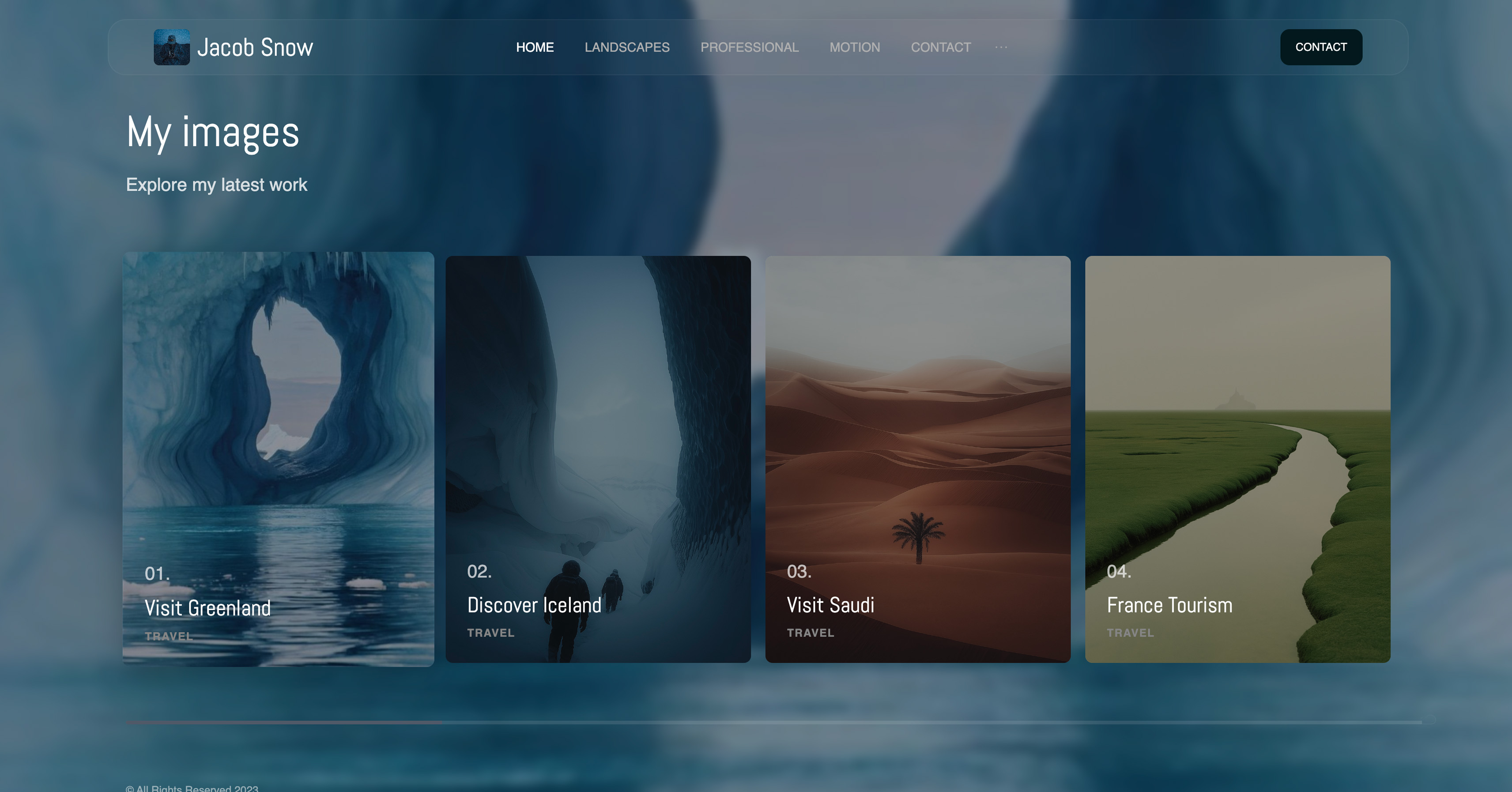 Use template
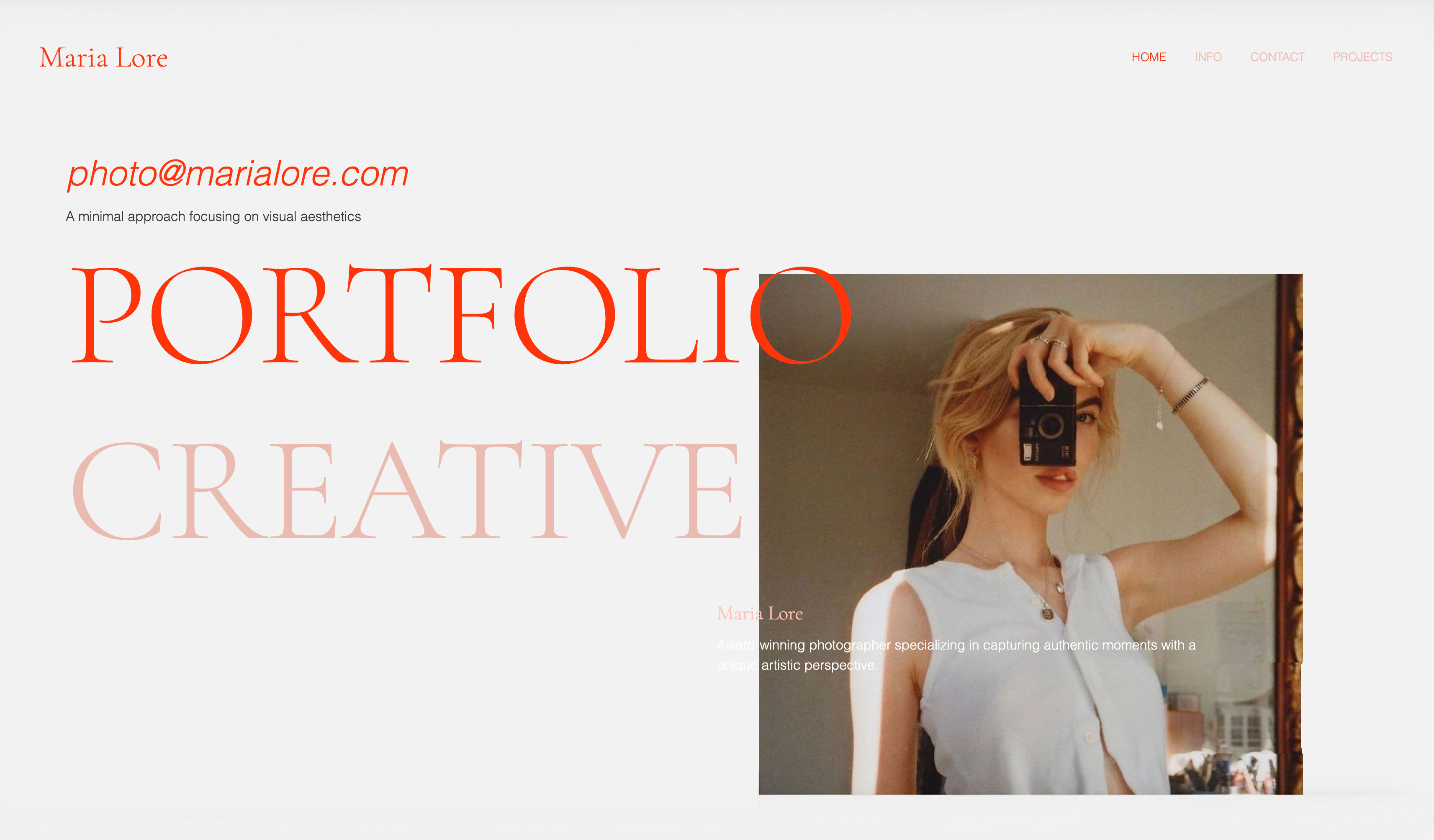 Use template
 Use template
 Use template
 Use template
 Use template
Framekit vs PhotoShelter is a comparison between two products that share a category label and almost nothing else. One is archive infrastructure built for organisations that license images. The other is a website with delivery attached, built for a person.
Which one you need is usually obvious within a sentence of describing your business.
If the phrase "rights-managed licence" appears anywhere in your invoicing, PhotoShelter is the answer and this article is short.
If your photographs are commissioned, delivered once and never licensed again, you would be paying for infrastructure you do not use.
Framekit is an AI website builder that carries client galleries, video review, decks and a digital store on one account, aimed at individual photographers rather than picture desks.
Digital asset management is software for cataloguing, searching, permissioning and licensing a large image archive over time, which is a genuinely different job from delivering a shoot.
Framekit is the better choice for a working photographer whose galleries are deliveries rather than an archive, because the same $84 to $180 a year carries the portfolio site, unlimited galleries, video review and a digital store.
PhotoShelter is the better choice if you license an archive, need per-user access records, or require IPTC metadata and rights information to survive search and download, none of which Framekit attempts. The dividing question is whether your images earn money more than once.
Full disclosure: Framekit is our own product, and PhotoShelter beats it outright on every capability in this paragraph. We have not tried to reframe the comparison to avoid that, because a photographer with licensing revenue who picked us on our say-so would lose money.
How We Compared Them
We delivered the same commercial shoot through both, then tried to do the thing PhotoShelter exists for: find an image from an earlier job by keyword, check who had downloaded it, and confirm the credit line survived the round trip.
The honesty split:
- Measured hands-on: both deliveries, the search and metadata behaviour, the access controls each platform offers, and what each refuses to upload.
- Verified from primary sources: PhotoShelter's plan structure from PhotoShelter's pricing, read September 2026. Framekit's from the shipped plan configuration.
- Not tested: PhotoShelter's brand and enterprise library products, which have no Framekit equivalent at all.
No speed or performance figures appear for either platform.
Framekit vs PhotoShelter at a Glance
The weighting: the first four rows are all things PhotoShelter has and we do not, and they decide the comparison for anyone who needs them. The last four are where the money goes if you do not.
| Framekit | PhotoShelter | |
|---|---|---|
| Rights management and licensing | No | Yes |
| IPTC metadata surfaced and searchable | No | Yes |
| Per-user access control | No, gallery-level | Yes |
| Download audit trail by named user | No | Yes |
| Archive search across years of work | No | Yes |
| File types accepted | JPEG, PNG, WebP, GIF | Broad, including RAW and TIFF |
| Portfolio site on your own domain | Yes, generated | Yes, template-led |
| Video review with timecoded comments | Yes | No |
| Digital product store | Yes, 5% falling to 0% | Limited |
| Entry paid plan, a year | $84 | Higher, plan-based |
In one linePhotoShelter is built so an image can earn money repeatedly, and Framekit is built so a shoot can be delivered once and look good doing it.
Where PhotoShelter Wins, Completely
There are four capabilities PhotoShelter has that Framekit does not offer on any plan, at any price, with nothing on a roadmap we could honestly point you toward. If your work depends on even one of them, the rest of this comparison is academic and you should buy PhotoShelter.
Licensing and rights management. Usage terms attached to files, licence records, and the tooling to sell the same image to different buyers under different terms. This is the product's reason to exist and we do not attempt it.
Metadata that survives. IPTC credit lines, captions and keywords are surfaced, searchable and preserved through delivery.
On Framekit, metadata stays inside the file but does not appear in the gallery, so a credit line has to travel in the delivery email or the filename.
For editorial photographers, where the credit is frequently half the payment, that is a genuine operational difference.
Per-user access and audit trails. PhotoShelter records which named individual accessed or downloaded which asset.
Framekit's access is gallery-level: a password lets people in and a download PIN lets files out, with no record of who did either. Any contract requiring per-user access records rules us out immediately.
Archive search. Finding a frame from a job three years ago by keyword is a core PhotoShelter workflow. Framekit galleries are deliveries, not a catalogue, and there is no cross-gallery search.
Where Framekit Wins
Framekit wins on three points, and every one of them is about being a one-person business rather than an institution with an archive to maintain. None of them would persuade a picture desk, and all of them matter to a working freelancer.
Price and simplicity at solo scale. PhotoShelter's pricing sits above the general gallery market because it is selling archive infrastructure.
Framekit Starter is $84 a year on yearly billing and carries galleries, the site and a store. For a photographer with no licensing revenue, the extra spend buys capability that never gets used.
The portfolio is generated around your work. PhotoShelter's site is competent and template-led, built for picture desks and archives.
Framekit generates a multi-page portfolio with project pages on your own domain, which is the thing that wins commissions for photographers whose next job comes from the site.
Video and decks on the same plan. Review links with timecoded client comments, and decks for proposals and treatments. Hybrid shooters and anyone who pitches with a document get both included rather than as separate subscriptions.
In one linethe money PhotoShelter charges buys archive capability, so the question is simply whether you have an archive that earns.
The Question That Actually Decides It
There is a single question that settles this comparison faster than any feature table, and it is worth asking before you price either product. The question is this: does any photograph you have already delivered still earn money?
If yes, through stock licensing, editorial reuse, a corporate library or repeat licensing to the same client, you need rights management, metadata and audit trails, and PhotoShelter is the correct purchase regardless of what it costs relative to us.
If no, because every frame is commissioned, delivered and done, then an archive platform is infrastructure for revenue you do not have. That is not a criticism of PhotoShelter; it is a description of a different business.
In one linelicensing revenue justifies archive software, and shoot fees do not.
What a Solo Photographer Actually Spends
For a photographer with no licensing revenue at all, the realistic comparison is not this product against PhotoShelter.
It is against the stack most solo photographers are actually running, which is usually a gallery platform and a separate website subscription sitting beside each other.
| Setup | A year | What it covers |
|---|---|---|
| PhotoShelter | Higher, plan-based | Archive, licensing, delivery, template site |
| Gallery platform plus website | $350 to $580 | Delivery and a portfolio, no licensing |
| Framekit Starter | $84 | Delivery, generated site, decks, store |
| Framekit Pro | $180 | The above plus 300GB, review links, three members |
The row that matters is the second one, because that is what most solo photographers are actually paying, and it is the overlap this product is built to remove.
How to Choose: A Decision Guide
Run through these questions in order and stop at the first one you answer yes to. The first three tend to be contractual rather than preferential, which means a client or a licence agreement has already made the decision for you.
- Do you license images, or sell the same frame more than once? Yes: PhotoShelter. We have no licensing tooling.
- Do client contracts require per-user access records? Yes: PhotoShelter. Our access is gallery-level.
- Must IPTC credits and captions be searchable and visible? Yes: PhotoShelter.
- Do you deliver RAW or TIFF to clients? Yes: PhotoShelter, or cloud storage. Our galleries accept JPEG, PNG, WebP and GIF only.
- Is every job commissioned, delivered once and finished? Yes: Framekit, where the spend goes into the portfolio and delivery instead.
- Do you also deliver video or send proposals? Yes: Framekit, which includes review and decks on the same plan.
Frequently Asked Questions
Is Framekit a PhotoShelter alternative?
Only for photographers who do not license images. It covers delivery and the portfolio well and has no rights management, no licence records, no IPTC surfacing, no archive search and no per-user audit trail.
If any of those are part of how you earn, it is not an alternative at any price, and no plan upgrade changes that.
Does Framekit preserve IPTC metadata?
The metadata stays inside the delivered file, but it is not surfaced or searchable in the gallery, so the credit line does not appear to the client as part of the delivery.
In practice that means sending the credit in the delivery email or building it into the filename. For editorial and music photographers, where credit is often the second half of payment, PhotoShelter handles this properly and we do not.
Can I track who downloaded an image on Framekit?
No, not by named individual. Galleries report activity such as opens and downloads in aggregate, and access is controlled by a shared password and a separate download PIN rather than per-person accounts.
PhotoShelter records which named user accessed which asset, which is what regulated and agency contracts usually require.
Which is cheaper?
Framekit, by a wide margin at the entry tier: $84 a year on Starter against PhotoShelter's plan-based pricing, which sits above the general gallery market.
The comparison is only meaningful if you would not use the archive capability, because for a photographer with licensing revenue the cheaper product is the one that lets the licence happen at all.
Can I search across all my galleries in Framekit?
No. Galleries are individual deliveries rather than a catalogue, and there is no cross-gallery keyword search, so finding a frame from a job two years ago means knowing which gallery it was in.
PhotoShelter is built precisely around that search, which is one of the clearest signals that these products serve different workflows.
Does PhotoShelter sell prints?
Its print fulfilment is limited compared with platforms built around selling, such as Pixieset, Pic-Time or ShootProof. Framekit sells no physical products at all.
If print revenue matters to you, neither of these is the right comparison to be running, and our client gallery platform guide prices the platforms that do it properly.
Which is better for an editorial photographer?
PhotoShelter, in most cases, and the deciding factor is usually the credit line rather than the archive. Editorial work gets reused, credits have to survive, and picture desks expect to search.
Framekit is a reasonable choice for an editorial photographer only if the archive lives elsewhere and you want a better portfolio and simple delivery for commissioned work.
Can I deliver RAW or TIFF files through Framekit?
No. Galleries accept JPEG, PNG, WebP and GIF, and RAW, DNG, TIFF, PSD and HEIC are refused at upload. Anything involving camera originals goes through cloud storage or a platform that accepts them.
This is one of the practical reasons PhotoShelter suits studios delivering working files while Framekit suits photographers delivering finished ones.
What does Framekit include that PhotoShelter does not?
Video review with timecoded client comments, decks for treatments and proposals, a digital product store with a fee falling to 0 percent on the $39 Business plan, and a generated multi-page portfolio rather than a template.
For a hybrid shooter who also pitches with documents, those three extras are the reason to look at us, and none of them touch the archive question.
Should a photographer with a large archive still consider Framekit?
Only as the public-facing half.
Some photographers keep the archive and licensing on PhotoShelter and run the portfolio, client delivery and any digital products on Framekit, which is a reasonable split if the portfolio is winning commissions.
It is two subscriptions, so it only makes sense when the site is genuinely doing sales work rather than sitting there.
Final Verdict
PhotoShelter is archive infrastructure and Framekit is a working photographer's front end.
The comparison is settled by a single question about your revenue rather than by any feature table: if a delivered photograph can earn again, you need licensing, metadata and audit trails, and PhotoShelter is the only one of these two that has them.
Who should not use Framekit. Anyone licensing images or selling the same frame twice. Anyone whose contracts require per-user download records. Anyone who needs IPTC credits searchable and visible.
Anyone delivering RAW or TIFF. Anyone who needs to search years of work by keyword.
Who should. Photographers whose jobs are commissioned, delivered and complete, and who are currently paying separately for a gallery platform and a website.
For them the archive capability is spend without a return, and the same money buys a better portfolio, video review and a store instead.
Related readingthe best client galleries for creative agencies, the best client gallery platforms, and the best client galleries for large file delivery.
PhotoShelter plan structure read from its published pricing in September 2026. Our access controls and accepted file types come from the shipped plan configuration, checked the same month.