Framekit templates
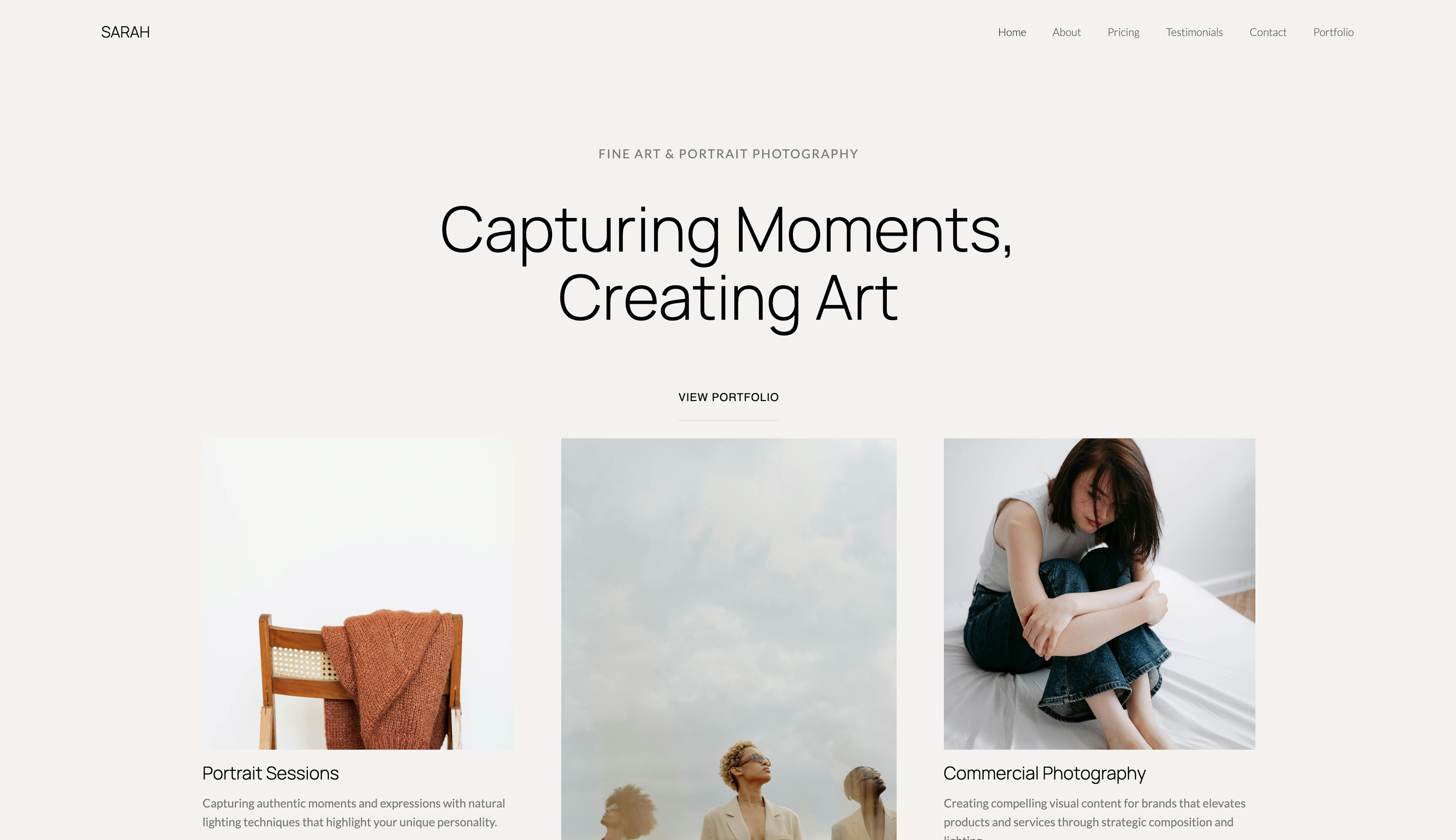
Start from a designer-made template
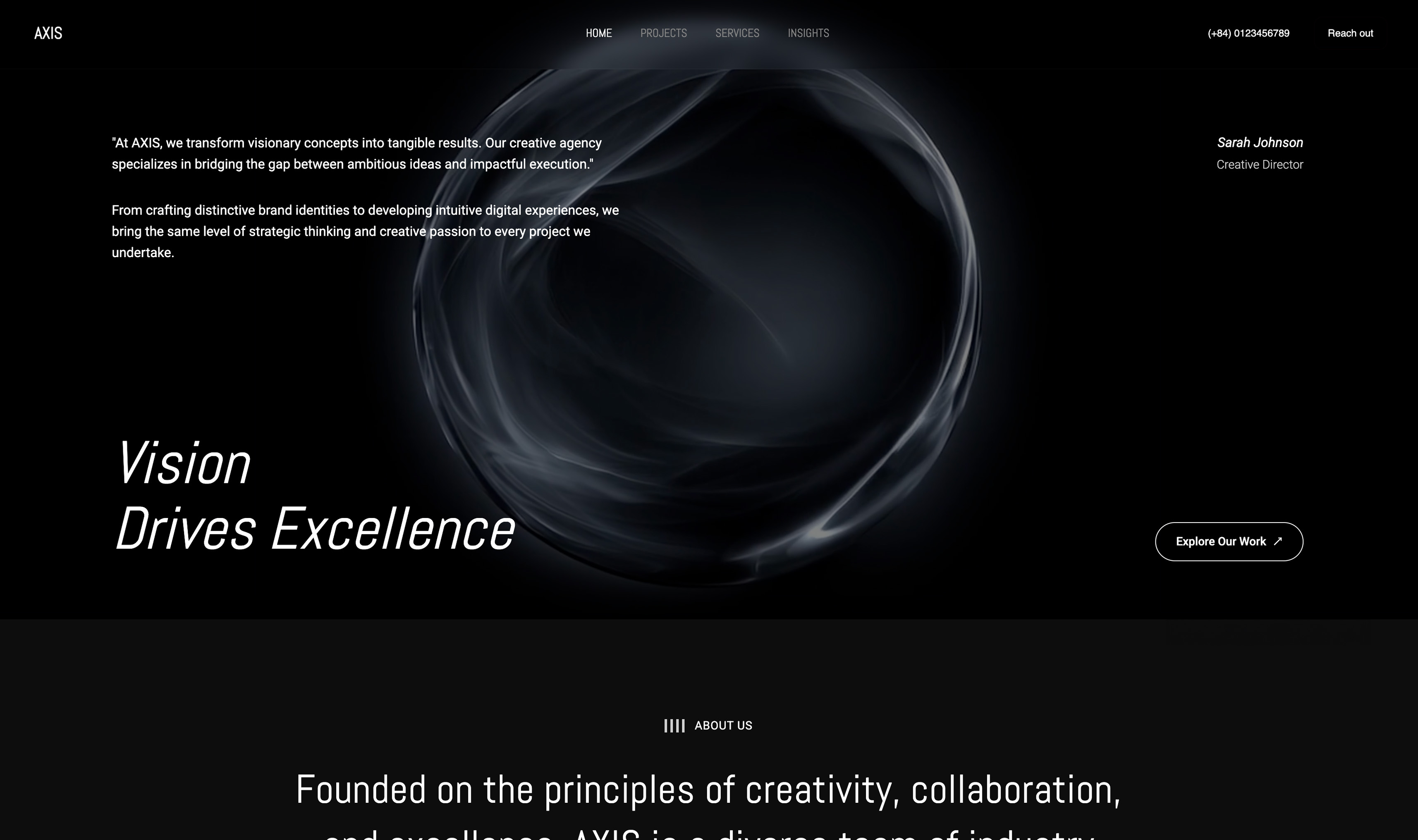 Use template
 Use template
 Use template
 Use template
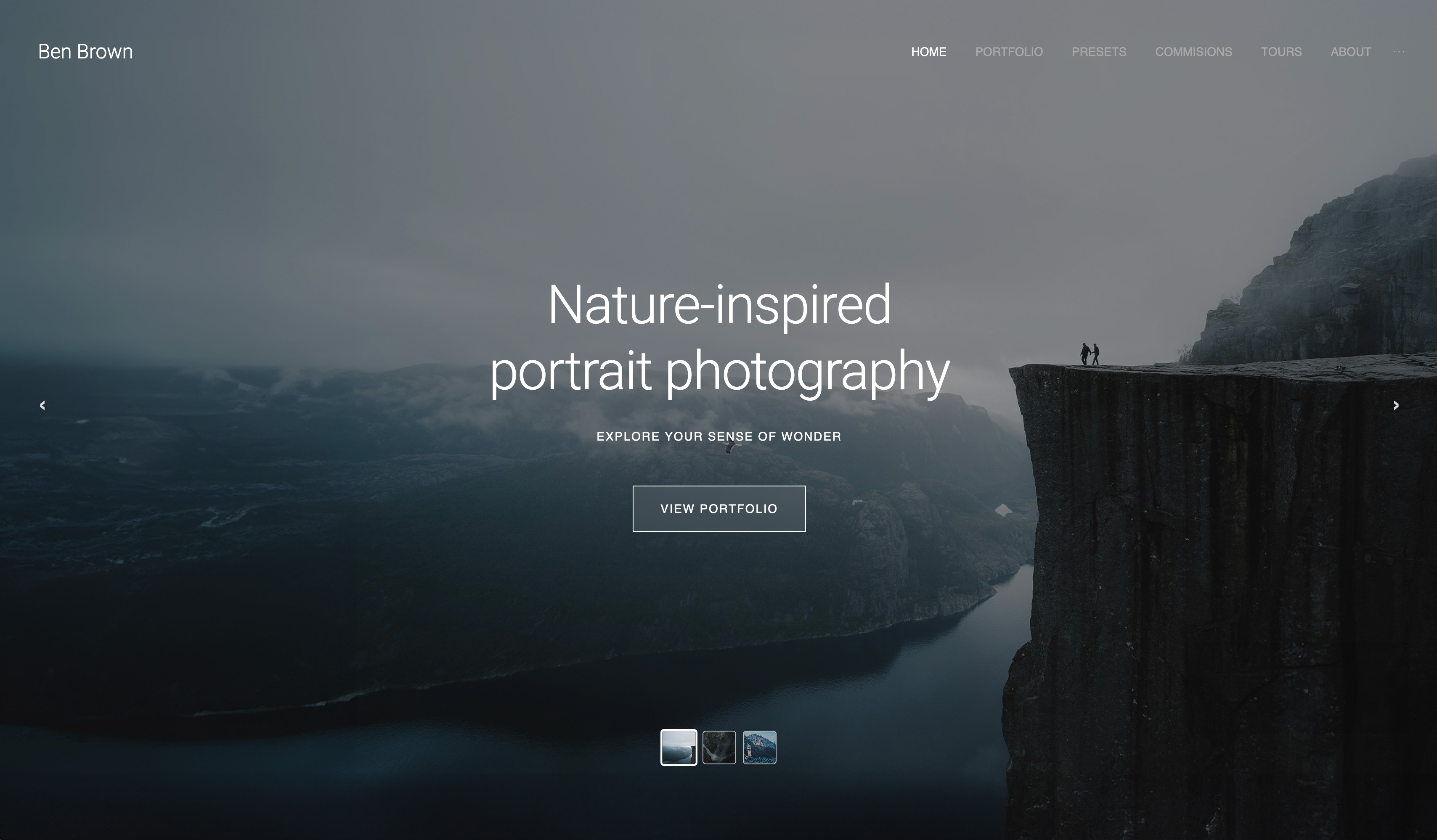 Use template
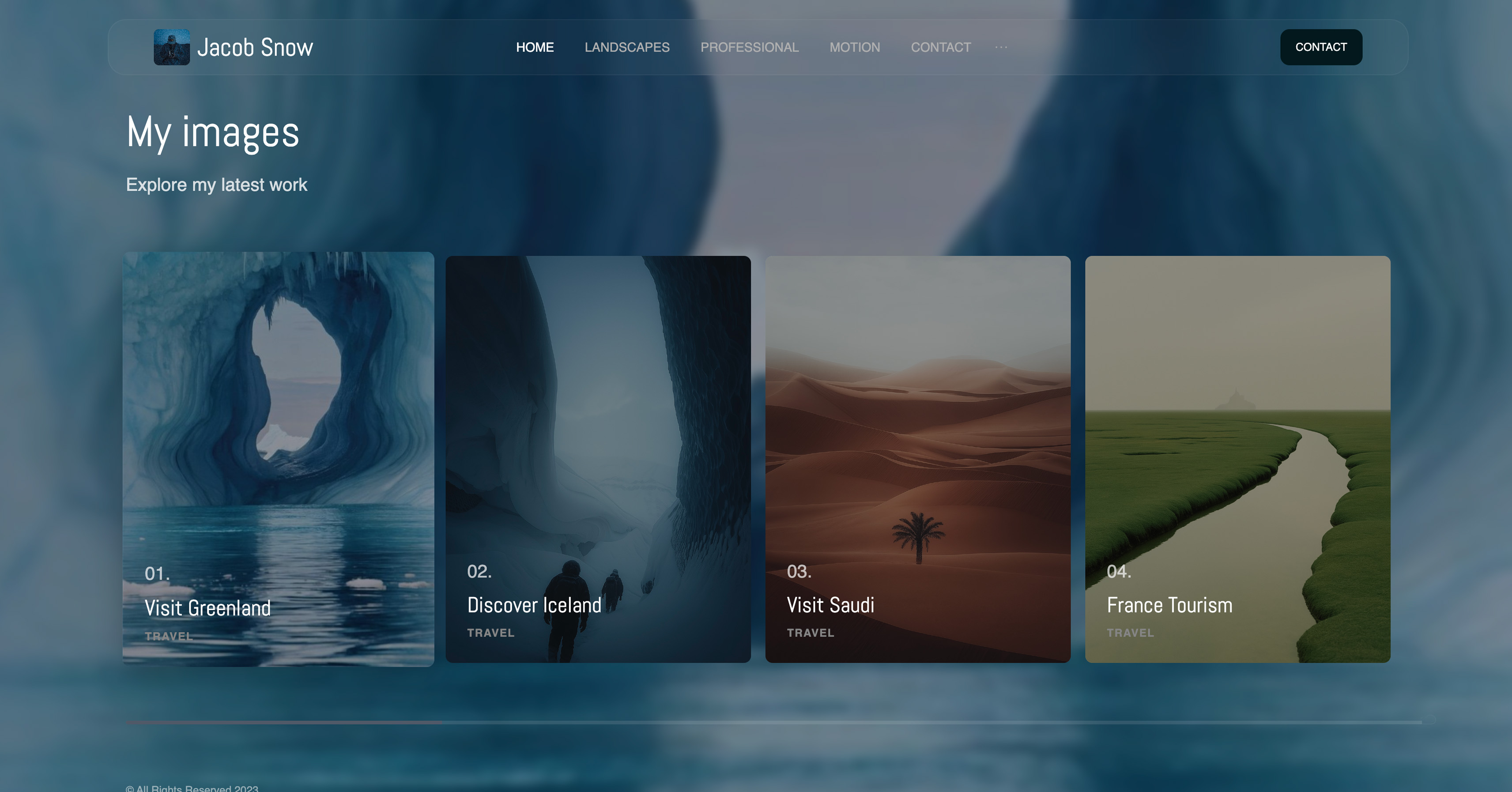 Use template
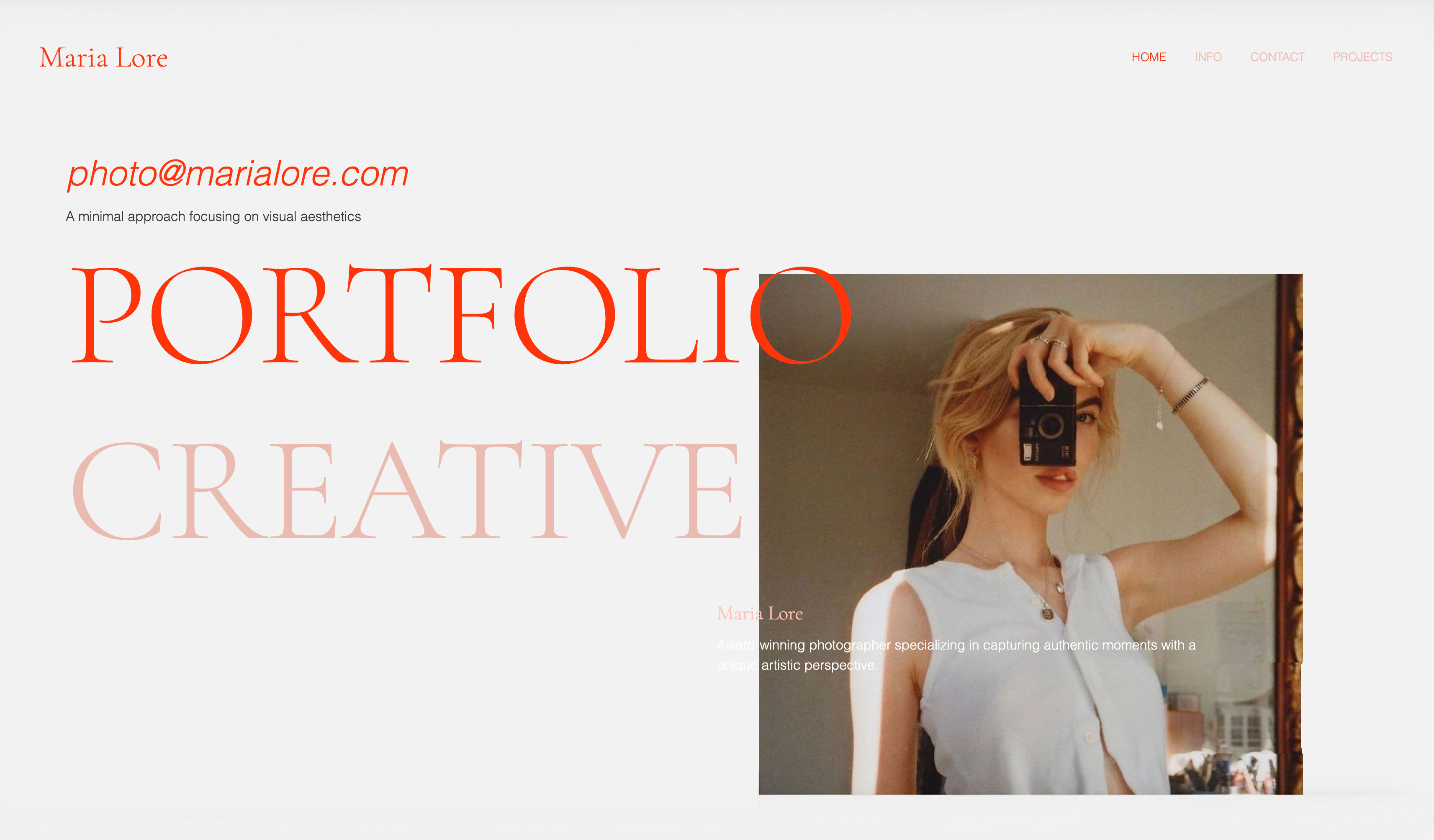 Use template
 Use template
Most creative-service businesses do need a website in 2026, but the honest answer depends on what you want it to do.
If you want to be found on Google by someone who is not already following you, look credible next to the two competitors a client is quietly comparing you against, and own a place to be reached that no app can switch off, a website earns its place fast.
If every client you want already arrives through referrals and your Instagram DMs, and you are happy at that size, you can wait.
The question is harder than it sounds because the workaround got good. A makeup artist with a strong Instagram, a Booksy or StyleSeat profile, and a steady referral loop can run a real, paying business for years without a website.
So the answer is not a reflexive yes.
It is a clear-eyed it depends, and the rest of this guide is the it depends, written for the makeup artists, tattoo artists, hairstylists, nail techs, and other solo creative-service operators who keep asking it.
If you are a photographer specifically, the photographers' version of this question covers that niche separately.
A website for a creative-service business is a page you own and control that holds your portfolio, your service list and prices, your location and hours, and a clear way to get in touch or book.
It is not the same as a social profile or a listing-app page. On your own site, no platform sits between you and the person looking for you, and none of them can change the rules, bury your profile, or disappear overnight.
Framekit is an AI website builder that turns a description of your practice into a working site, with the service list, the prices, and the booking link already laid out, which removes the usual reason a makeup artist or tattooist postpones building one.
Its plans were re-verified against the live pricing page in September 2026.
Most creative-service businesses do need a website in 2026, because it is the one place clients can find you on Google, judge you as legitimate against competitors, and reach you with no app in the middle.
If referrals keep you fully booked and happy at your current size, you can wait. A modern site is free to start and takes an afternoon.
When Your Business Genuinely Needs a Website Now
If any of the three situations below sounds like yours, the website question is already answered. You need one, and the cost of waiting is measured in real bookings that went to someone else.
You want clients who are not already following you
Instagram shows your work to people who found you somehow. Google shows your work to people actively searching "tattoo artist near me" or "bridal makeup in [your city]" right now, with their card half out of their wallet.
A website is how you appear in that second moment. Without one, that searcher finds whoever did build a site, and it is rarely the most talented artist. It is the most findable one.
You charge premium prices, or want to
A client paying $90 for a nail set rarely checks a website first. A client booking a $400 bridal trial almost always does.
The higher your price, the more proof a prospective client wants before they commit, and a polished site you control is the strongest proof you can offer. A grid of recent posts says you are active. A real website says you are a business.
You are tired of your work living on platforms you do not own
Reach on Instagram is not what it once was, listing apps take a cut and rank you against everyone else in your area, and any of them can change the rules tomorrow.
Every working creative eventually feels the same pull: the people who want to hire me should be able to find me somewhere that is mine.
A website is the only channel in your mix that you actually own, and moving your work off a rented platform is more straightforward than most people expect.
When You Can Reasonably Wait
A website is not urgent for everyone.
You can put it off, honestly, if your calendar is already full from referrals and repeat clients and you have no plans to grow, if you are still testing whether this craft is a business yet, or if you are mid-move between cities and your location and pricing are about to change anyway.
None of those are permanent reasons. They are just "not this month." The moment you want a new kind of client, or a higher-paying one, the website moves straight back to the top of the list.
Instagram, Listing Apps, and a Website Do Different Jobs
Most of the confusion around this question comes from treating these three as competitors. They are not. Instagram and TikTok are social platforms: discovery engines that are excellent at reach and impossible to own.
Booksy, StyleSeat, and Vagaro are listing and booking apps: genuinely good at scheduling, but they present your work inside their brand, beside every competitor in your area. A website is the one asset in that list you own outright.
The setups that work in 2026 use all three, with the website as the hub the other two point toward.
| Channel | Best at | Do you own it? | Found on Google? |
|---|---|---|---|
| Instagram / TikTok | Reach and discovery | No | Barely |
| Booksy / StyleSeat / Vagaro | Scheduling and payments | No | As their page, not yours |
| Your own website | Credibility, search, control | Yes | Yes |
The table makes the gap obvious. The two channels most creative-service businesses lean on hardest are the two they do not own and cannot be found on by name. That is the hole a website fills.
What a Website Does That a DM Cannot
A direct message is a conversation. A website is a storefront that works while you sleep. When a prospective client lands on a real site, four things happen that a DM thread cannot do.
They see your full body of work in the order you chose, not the order an algorithm chose. They read your prices and policies before they message, so the people who do reach out are already a fit.
They find the answers to the same five questions you type out by hand every week. And they form an impression of a business, not a busy individual, before you have said a word.

That last point is the one creatives underrate most. Two artists can do equally strong work.
The one whose online presence looks considered wins the booking, because a client cannot judge skill they have not seen yet, so they judge the signals they can. A clear, owned website is the loudest legitimacy signal you can send.
The Honest Cost and Effort in 2026
The reason this question felt heavy for years is that a website used to mean money and a learning curve: a designer you could not afford, or a weekend lost to a builder that fought you. That has changed.
A modern AI website builder can generate a real first draft of a creative-service site in well under an hour, from a few prompts and the photos you already have.
Framekit, the AI website builder this blog is published on, is free to start with no credit card.
The free plan keeps a framekit.ai subdomain and a small Framekit badge, a $9 a month Starter plan adds a custom domain and removes the branding, and Pro is $19 a month.
Prices are flat and do not jump at renewal the way most subscription builders do. Its AI is trained by senior designers, so the first draft arrives with real layout and hierarchy instead of a blank template staring back at you.
The effort cost in 2026 is an afternoon, not a project, which has quietly moved the website from "someday" to "this week" for most creative-service businesses.
What About Booking? An Honest Note
One caveat matters for this audience specifically. Framekit does not include a native booking or scheduling system.
If you take appointments, keep the Booksy, StyleSeat, Vagaro, Square, or Calendly setup you already use, and link or embed it from your Framekit site. The website's job is to be the credible front door and the page Google can find.
The scheduler stays the scheduler. Anyone who tells you a single tool should do both jobs is selling you something. The clean setup is a site you own with your existing booking tool connected to it.
How to Decide for Your Own Situation
Strip the question down to one test. Picture the next client you actually want: the better-paying, less-haggling, books-the-bigger-package kind. Now ask how that person would find and vet you.
If the honest answer runs through a Google search, a comparison against other artists, or a moment where they want proof you are a real business, you need a website, and you needed it a month ago.
If the honest answer is "a friend will refer them and they will trust the friend," you can wait, and revisit it the day you want to grow past that circle.
For most creative-service businesses, that exercise lands in the same place: the clients worth the most are the ones a website wins.
If you want platform-specific guidance, we have detailed roundups for makeup artists and tattoo artists.
Frequently Asked Questions
Does my business need a website if I already have Instagram?
Usually yes. Instagram is excellent at reach, but you do not own it, you cannot be found on it through a Google search, and its ranking rules change without notice.
A website is the version of your business that you control and that search engines can send new clients to. Most creative-service businesses keep Instagram for discovery and add a website as the place that discovery leads.
Do I need a website if I use Booksy or StyleSeat?
A listing or booking app handles scheduling well, but it presents your work inside its brand, alongside every competitor in your area, and it is not findable by your name on Google.
A website does the opposite job: it is yours, it can rank for your name and your service, and it sets the first impression. The strongest setup keeps the booking app for scheduling and adds a website as the front door.
How much does a website for a small creative business cost in 2026?
It can cost nothing to start. Framekit has a free plan with no credit card (it keeps a framekit.ai subdomain and a small badge), a $9 a month Starter plan that adds a custom domain and removes branding, and Pro at $19 a month.
A custom domain runs roughly $10 to $20 a year from a registrar. You do not need a designer or a developer for a standard creative-service site.
How long does it take to build one?
With an AI website builder, a usable first draft takes well under an hour, and a finished site you are happy to share usually takes an afternoon. The slow part is no longer the building.
It is gathering your best photos, writing your service list, and deciding your prices, and you can do all of that in a coffee shop.
Can a website actually get me booked, or just look nice?
A website gets you booked in two ways: it makes you findable on Google for the searches your future clients type, and it converts the people who land on it by showing your work, prices, and contact details clearly.
A site that looks nice but hides your services or how to reach you will not book anyone. A clear, honest one will.
Can Framekit handle my bookings and scheduling?
No. Framekit builds and hosts your website, but it does not include native appointment booking, scheduling, or a CRM.
If you take appointments, keep your existing booking tool, such as Booksy, StyleSeat, Vagaro, or Calendly, and connect it to your Framekit site. Treat the website as the storefront and the booking tool as the calendar.
If I switch website builders later, am I stuck?
Your content is always yours: your photos, your text, and your domain. A custom domain in particular is registered to you, so you can point it at a different site whenever you want and clients never notice the change.
Pick a builder that lets you start free so you can test it before committing, and keep your own copies of your images. Owning your domain is what keeps you un-stuck.
The Bottom Line
Does your creative business need a website in 2026? If you only ever want the clients you already have, no.
If you want new ones, better-paying ones, or simply a professional presence that no app can switch off, then yes, and the old reasons to delay (cost, time, needing a designer) have mostly stopped being true.
A first draft is free and takes an afternoon. The honest move for most makeup artists, tattoo artists, and stylists reading this is to stop weighing the question and spend that afternoon.
For a shortlist of tools to build it with, see our guide to the best website builders for creative professionals.
_Re-verified July 2026: the cost figures in this guide re-checked against current builder pricing._
For the wider picture on how buyers research before they enquire, see Think with Google's research on the path to purchase.