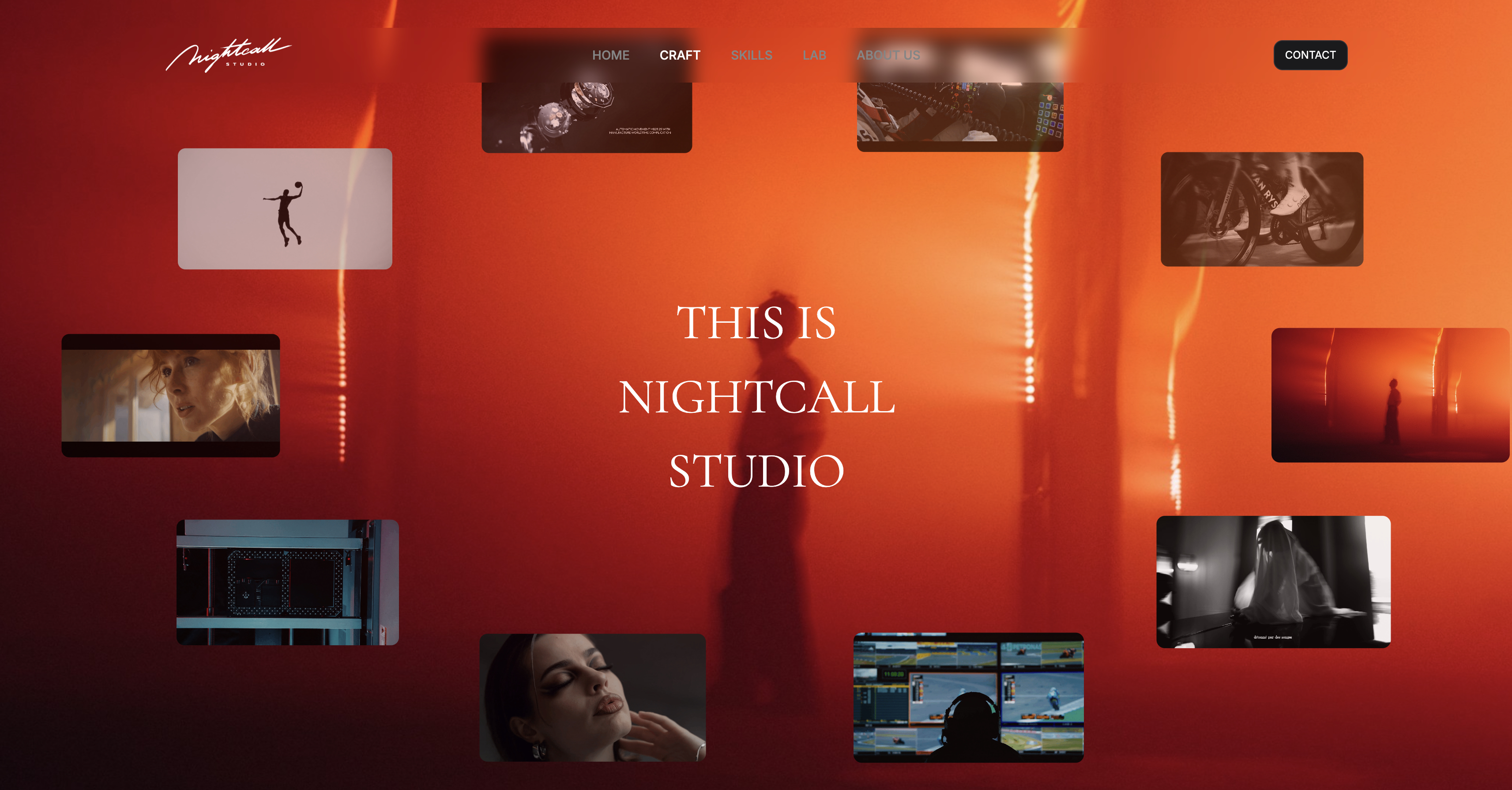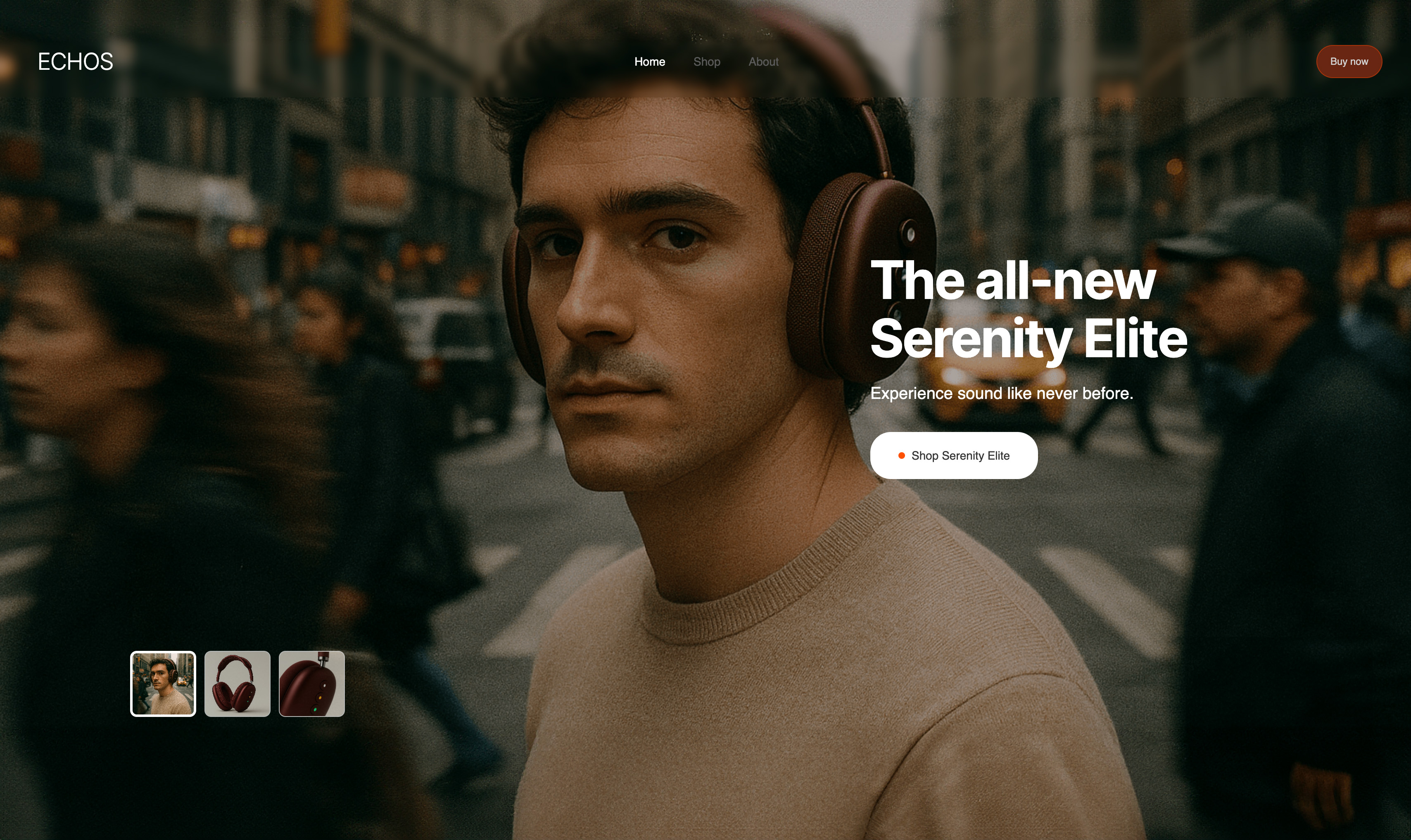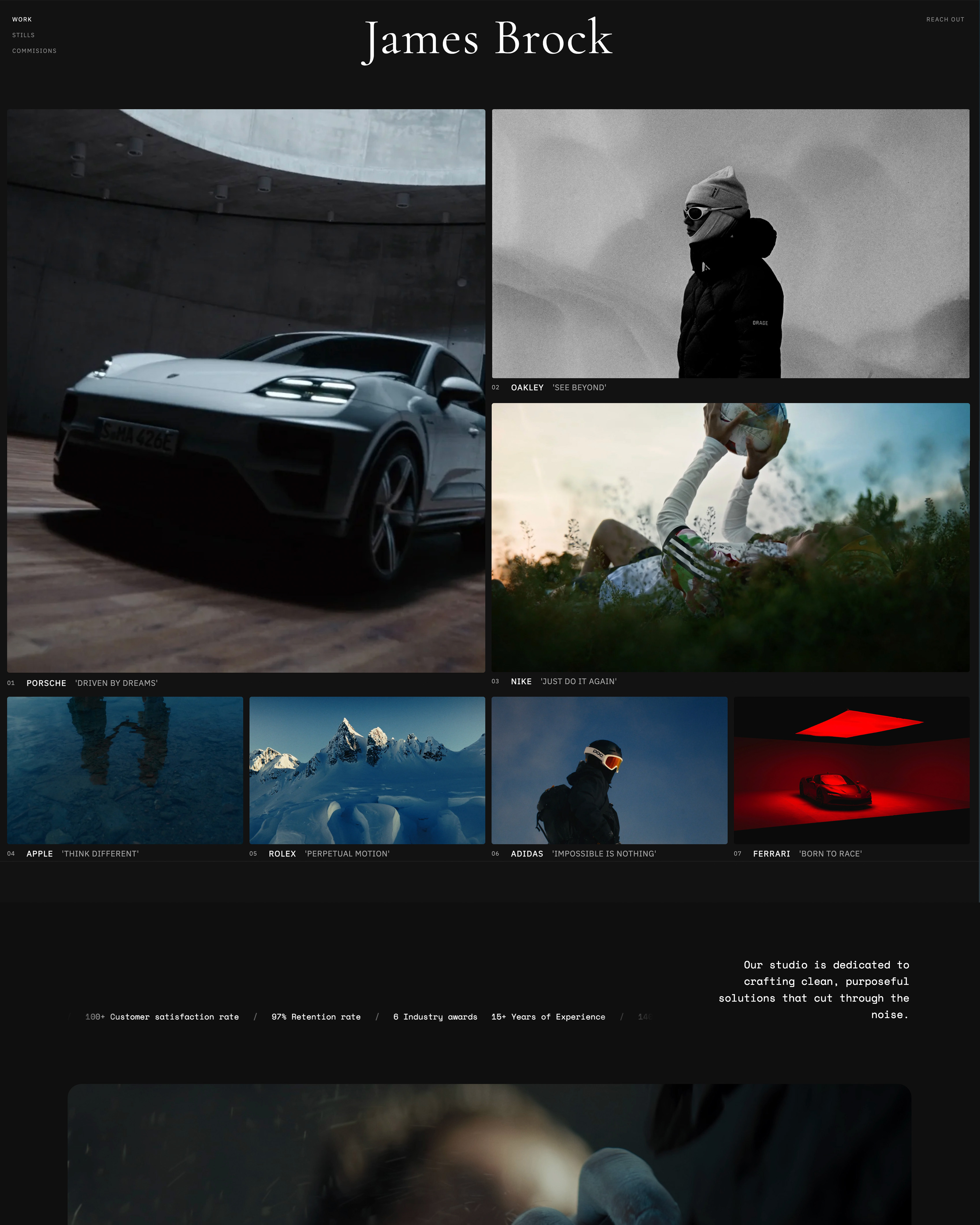
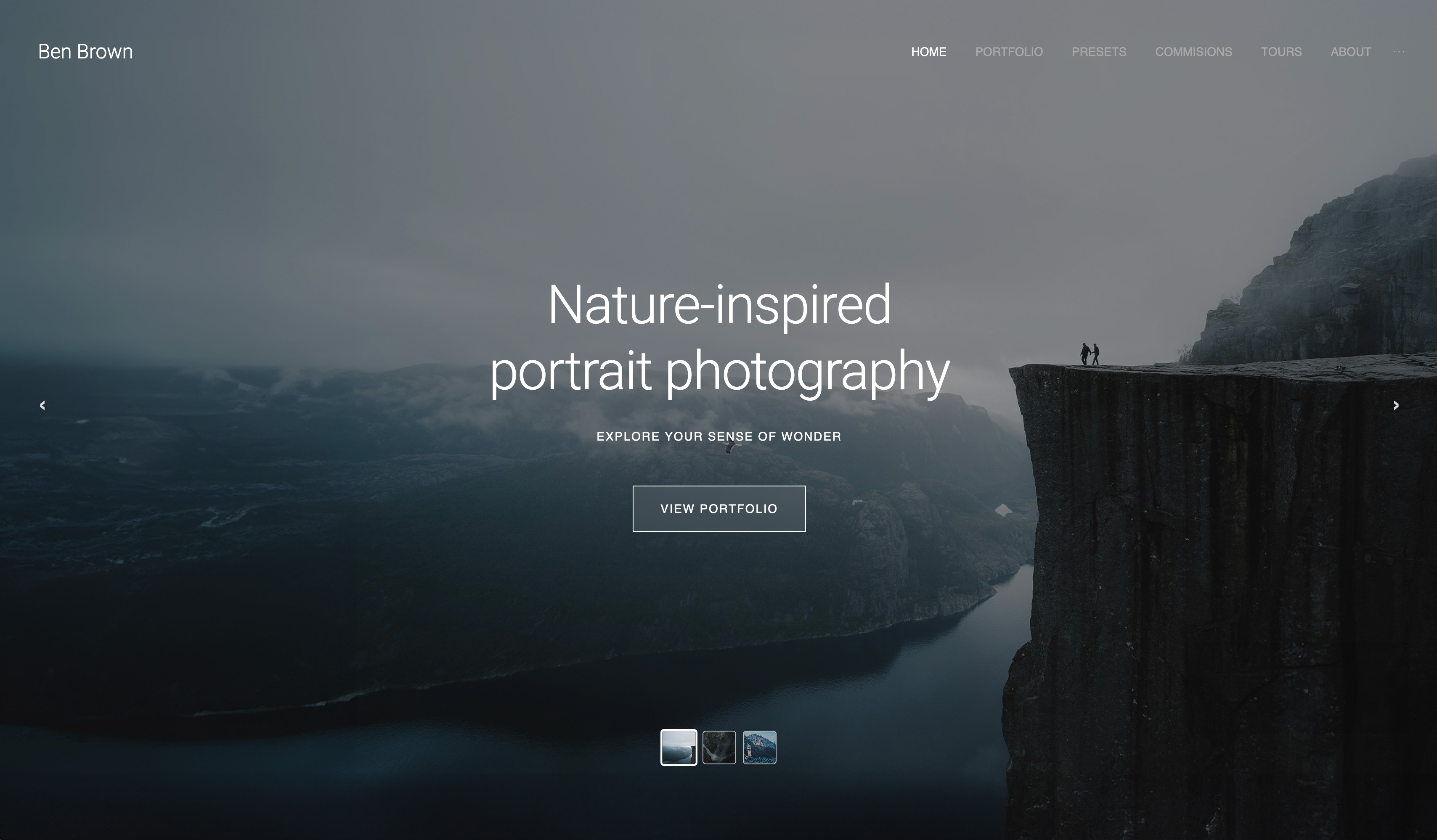
Framekit templates
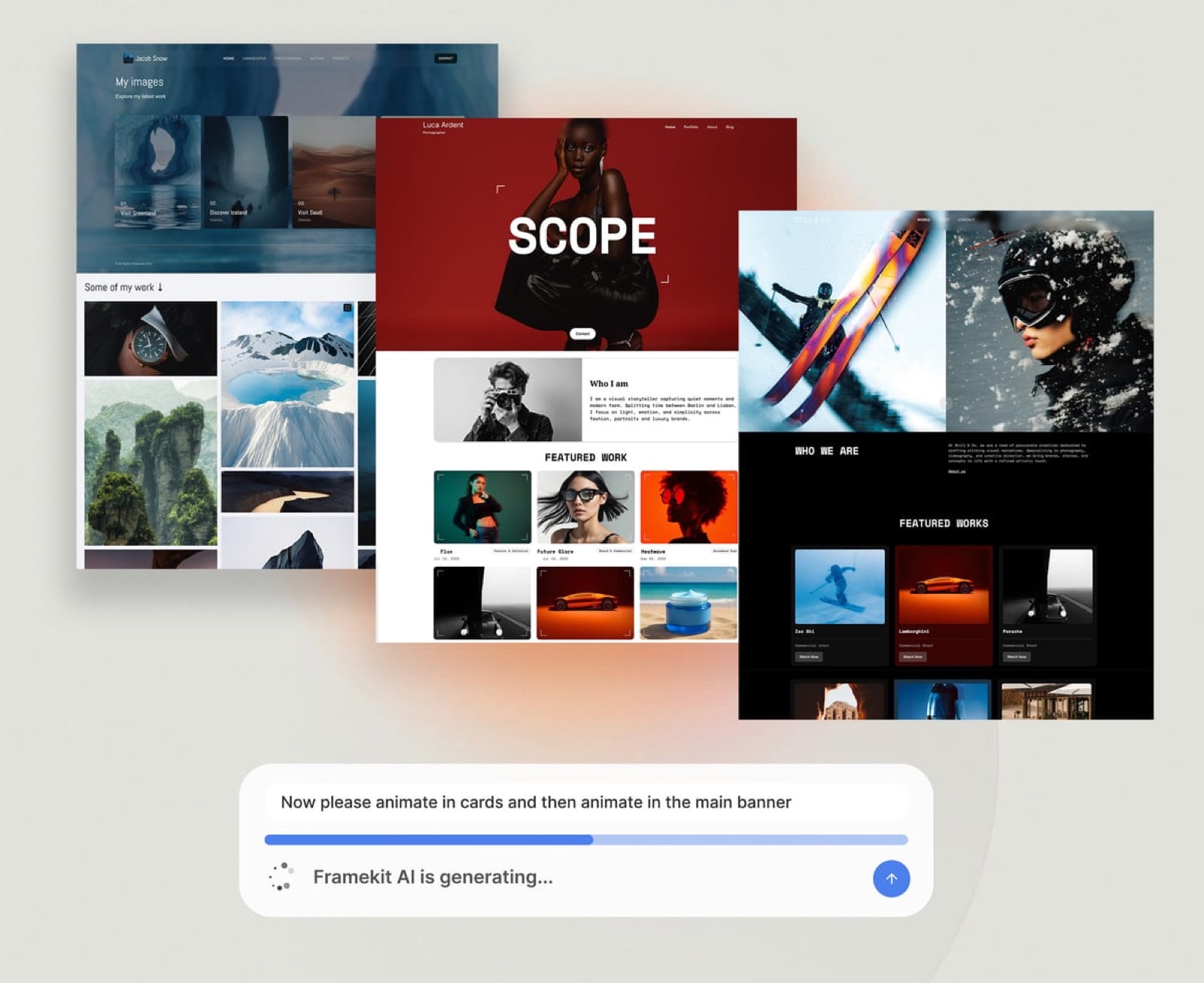
Start from a designer-made template
 Use template
 Use template
 Use template
 Use template
 Use template
 Use template
 Use template
 Use template
A photographer starting out often believes the software bill is the barrier: a website subscription, a gallery platform, a CRM, an editor, all before the first paying client. It is not true.
In 2026 you can assemble a near-complete photography stack - edit your RAWs, publish a real portfolio website, deliver client galleries, send invoices, and cut a video - without paying a cent, and much of it at a genuinely professional level.
The budget question is not how to afford the tools. It is knowing which free tools are good enough to build on and exactly where free stops.
That last part is where most free roundups go quiet, so this one will not. Every tool here is genuinely free, not a crippled trial, and we judged each one's published free tier against the jobs a working photographer actually has.
But free tiers have edges - storage caps, branding, a missing pro feature - and knowing where those edges are tells you the one or two things worth paying for first when your work outgrows $0.
We ranked the 10 by how much real value each delivers for free, and we are honest about our own free plan and its limits. Every free tier was re-checked in July 2026.
Updated 12 October 2026: we dropped a claim that each tool was tested on real work, and corrected what a paid Framekit plan removes and what its store sells.
Lightroom's price now uses Adobe's September 2026 figures, since its plan pages refused our automated read that day.
You can run most of a photography business on free tools - the skill is knowing where free ends.
A free photography tool is software you can use at a professional level without paying, and a photographer starting out can assemble a near-complete stack from them - editing, a website, galleries, invoicing, video - though the free tiers cap storage, add branding, and stop short of the pro editing standard that still costs money.
The best free tool for a photographer's client-facing side in 2026 is Framekit, because its free plan gives you a real portfolio website and client gallery delivery together - the storefront of your business - which almost no other free tool does in one place.
For editing, the free answer is Darktable or Snapseed, since the pro standard, Adobe Lightroom, has no free tier.
The honest limits: free plans cap storage and add branding, so once your galleries or traffic grow, storage is usually the first thing worth paying for.
You can start a photography business on $0, and this guide shows exactly where that stops.
Framekit's free plan gives you a portfolio website and client galleries with no credit card, so you can launch your photography business for nothing.
Full disclosure: Framekit, ranked #1 below, is our own product, so weigh that. We rank it first here because a free plan that includes both a portfolio website and client gallery delivery is genuinely rare - most free tools do one narrow job. But we are clear about the limits: Framekit's free plan has 10GB of storage, shows Framekit branding, and charges a product-sale fee, and for editing - the craft itself - the free answer is Darktable or Snapseed, not us. We re-verified every free tier in July 2026. Where a competitor's free tool is the better pick, like a free editor, we say so.
How We Compared These Free Photography Tools
We read each tool's own plan pages and help docs and judged its free tier on what actually matters when your budget is zero:
Genuinely free. Whether it is a real free tier you can work on indefinitely, not a time-limited trial or a watermarked demo.
Professional quality. Whether the output holds up for paid client work, not just hobby use.
The free-tier limit. The exact edge - storage, branding, a missing feature - where free stops and paying starts.
The job it does. Which part of the photography stack it covers, since a full free stack means combining several.
First upgrade. Whether, and when, paying for it is worth it.
We follow one photographer through the guide: someone starting out with a $0 software budget, assembling a working stack from free tools. We re-checked every free tier in July 2026 and flag the ones that changed.
What Comparing 10 Free Photography Tools Showed
- You can cover editing, a website, galleries, invoicing, and video entirely for free in 2026, at a quality that holds up for real client work.
- The one job with no true free answer is pro desktop editing - Adobe Lightroom has no free tier, so the free path is Darktable, Snapseed, or Photopea.
- Free tiers changed in 2026: Google now starts new accounts at 5GB rather than 15GB until you verify a phone number, and Canva free is 5GB of storage.
- The first thing most photographers should pay for is storage or branding on the website-and-gallery side, since that is where free tiers pinch first.
- 1 of the 10 gives you both a website and client galleries on one free plan (Framekit), which is why it tops a list of otherwise single-job tools.
The 10 Best Free Tools for Photographers in 2026
How the ratings work: each tool is scored on being genuinely free, professional quality, and how much of the photography stack it covers for $0.
Framekit tops it for delivering the most client-facing value - website plus galleries - on one free plan; the rest are the best free tool in their single lane.
| Tool | Job | Free Tier Limit | Our Rating |
|---|---|---|---|
| Framekit | Website + galleries | 10GB, Framekit branding | 9.1/10 |
| Snapseed | Mobile photo editing | Fully free, mobile only | 8.7/10 |
| DaVinci Resolve | Video editing + color | Free; 4K cap, no AI tools | 8.6/10 |
| Darktable | Desktop RAW editing | Fully free, open source | 8.5/10 |
| Canva | Marketing graphics | 5GB storage, free assets only | 8.4/10 |
| Pixieset | Client galleries | 3GB free storage | 8.3/10 |
| Photopea | Browser photo editing | Free with ads, no cloud sync | 8.1/10 |
| Wave | Accounting + invoicing | Free; pay only for payments | 8.0/10 |
| GIMP | Desktop image editing | Fully free, open source | 7.9/10 |
| Google Photos | Backup + sharing | 15GB shared (5GB new accounts) | 7.6/10 |
Free tiers re-verified July 2026. Note Google's 2026 storage change and that Lightroom desktop has no free tier. Confirm current limits before relying on any free plan.
1. Framekit: Best Free Website and Galleries

Our rating: 9.1/10
Framekit is an AI website builder with client galleries built in, and its free plan is the rare one that covers the whole client-facing side of a photography business at once.
Most free tools do a single job; Framekit's free tier gives a photographer a real portfolio website and gallery delivery together, so a beginner with no budget can publish a site clients take seriously and deliver a shoot from the same place.
That combination is why it leads a list where every other tool does one thing.
Best forPhotographers starting with no budget who need a professional website and client gallery delivery without paying.
Key features:
- A real portfolio website built by AI, live on a free subdomain
- Client gallery delivery included on the free plan, not a separate tool
- No credit card required to start
- Room to grow into a store for presets and other digital downloads when you are ready
- One free tool for the site and the galleries, instead of stitching two together
Now the honest limits, because they decide when you upgrade.
The free plan includes 10GB of storage shared by the site and the galleries, which fills as galleries grow; it shows Framekit branding rather than a bare custom domain; and product sales on the free tier carry a 5% fee.
None of that stops you launching and booking your first clients for nothing, which is the point - but storage is usually the first thing a working photographer outgrows.
Moving to a paid plan lifts the cap, adds a custom domain and removes the website badge, while galleries keep a small Made with Framekit footer on every plan; Pro and Business then lower or remove the sale fee.
As a free starting point for the client-facing layer, it is hard to beat.
The real numberthe free plan costs $0 with no credit card and covers both your website and gallery delivery; the first paid tier, Starter at $9 a month, lifts storage to 50GB and drops the website badge - so the free-to-paid step is small and comes only when your galleries grow.
PricingFree $0 (10GB, no credit card). Paid plans from $9 a month lift storage and remove the website badge.
Pros:
- Website and client galleries together on one free plan
- Genuinely free to launch, no credit card
- A clear, cheap upgrade path when you outgrow it
Cons:
- 10GB of free storage still fills as galleries grow
- Framekit branding on the free plan
- A product-sale fee on free-tier sales
Skip it ifyour only need is photo editing - that is Darktable, Snapseed, or Photopea below, not a website builder.
Verdict: Framekit is the best free tool for a photographer's website and galleries, covering the client-facing layer for $0. Pair it with a free editor for the craft side. See the full field in our best client gallery platforms guide, or start free at framekit.ai.
2. Snapseed: Best Free Mobile Editing
Our rating: 8.7/10
Snapseed is the free mobile editor that does far more than a price of nothing suggests.
Google-owned and ad-free, it handles RAW files, selective local adjustments, healing, curves, and a deep stack of tools and filters - the kind of control that would not embarrass a paid app - and it exports with no watermark and no upsell.
For a photographer editing on a phone or tablet, or finishing a quick client preview between sessions, it is the strongest free option on a small screen, and nothing about it behaves like a trial trying to push you to pay.
Best forPhotographers who edit on a phone or tablet, or need to finish a quick client preview away from the desk.
Key features:
- RAW file editing on mobile, fully non-destructive
- Selective local adjustments with control points
- A healing tool for removing distractions
- Curves and a deep set of tools and filters
- Export with no watermark and no ads
The real numberSnapseed costs $0 with no ads, no watermark, and no subscription - the whole app is free, and the only real limit is that it lives on mobile, so it partners a desktop editor rather than replacing one.
PricingFree $0, mobile only on iOS and Android, with no paid tier.
Pros:
- A genuinely capable free mobile editor
- No watermark, no ads, no upsell
- Google-backed and stable
Cons:
- Mobile only, with no desktop version
- No catalog or library to manage a full shoot
- Development has slowed, so updates are infrequent
Skip it ifyou need a desktop catalog and library to sort and develop a whole shoot; that is Darktable's job, not a phone editor's.
Verdict: Snapseed is the best free mobile editor, genuinely capable for real edits at zero cost. Visit Snapseed
3. DaVinci Resolve: Best Free Video Editing
Our rating: 8.6/10
DaVinci Resolve hands photographers who also shoot video a free tool that professionals cut feature films on: a full editing timeline, the Fairlight audio suite, Fusion visual effects, and a color page the industry grades on - with no watermark, no trial clock, and no time cap.
Confirmed free in 2026, it exports up to Ultra HD, and its color grading alone is worth the download for a photographer moving into hybrid photo-video work.
Very few tools this capable cost nothing, and none of the free version is deliberately crippled to nudge you toward paying.
Best forHybrid shooters who add video to their photography and want professional editing and color for free.
Key features:
- A full editing timeline used on professional productions
- An industry-grade color grading page
- The Fairlight audio suite for sound work
- Fusion visual effects and motion graphics
- Exports up to Ultra HD, with no watermark or time limit
The real numberthe free version is genuinely complete for most client video and costs $0; the optional Studio upgrade is a one-time $295 purchase, not a subscription, and adds some AI tools, multi-GPU support, and higher-end delivery formats.
PricingFree $0 (exports to Ultra HD). Studio is a one-time $295 license that adds AI tools and higher-end delivery.
Pros:
- Professional-grade editing and color at $0
- Color grading among the strongest available anywhere
- Any upgrade is a one-time cost, not a subscription
Cons:
- A steep learning curve for a first-time editor
- Demands a reasonably capable computer to run well
- The free version omits some AI tools and higher-end codecs
Skip it ifyou never shoot video; it is a specialist tool you can ignore until you do.
Verdict: DaVinci Resolve is the best free video and color tool, a professional application at no cost. Visit DaVinci Resolve
4. Darktable: Best Free Lightroom Alternative
Our rating: 8.5/10
Darktable is the open-source desktop RAW editor that comes closest to replacing Lightroom for nothing.
It offers a non-destructive workflow, a real catalog to manage a shoot, full RAW development, and a deep set of modules for tone, color, and noise - the ingredients a serious editor expects from a paid tool.
For a photographer who wants a genuine desktop editing library without Adobe's monthly subscription, it is the most capable free answer, and it runs on Windows, Mac, and Linux without an account or a sign-in.
Best forPhotographers who want a real desktop RAW library and editing workflow without paying Adobe's subscription.
Key features:
- Non-destructive RAW editing that never alters the original
- A catalog and library to sort and rate a full shoot
- Deep modules for tone, color, and noise reduction
- Tethered shooting straight into the catalog
- Runs on Windows, Mac, and Linux, fully open source
The real numberDarktable costs $0 with no tiers and no account, so the only price of moving off Lightroom is the time to learn a new interface, not a recurring monthly subscription.
PricingFree $0, open source, with no tiers, no account, and no ads.
Pros:
- The closest free replacement for Lightroom's desktop workflow
- Genuine catalog management, not just single-image editing
- Open source, with nothing to buy and no account
Cons:
- A steeper learning curve than Lightroom
- No mobile app or cloud sync
- Can slow down on very large catalogs
Skip it ifyou want the gentlest editing experience; Snapseed is friendlier on mobile, and Lightroom, if you will pay, is smoother. RawTherapee is another free desktop option worth a look.
Verdict: Darktable is the best free desktop RAW editor, the closest thing to a free Lightroom. Visit Darktable
5. Canva: Best Free Marketing Graphics
Our rating: 8.4/10
Canva's free plan covers the design work that surrounds the photography rather than the photos themselves: social posts, pricing guides, welcome PDFs, and marketing graphics.
It comes with hundreds of thousands of free templates, a large free library of photos and graphics, and 5GB of cloud storage, with no credit card required.
For a photographer who needs branded collateral but is not a designer, it turns an intimidating blank page into a fast drag-and-drop job, and the free tier is genuinely enough for the essentials.
Best forPhotographers who need branded marketing graphics and social content but are not designers.
Key features:
- Hundreds of thousands of free templates
- A large free library of photos, graphics, and elements
- 5GB of cloud storage on the free plan
- A drag-and-drop editor for social and print collateral
- Basic brand controls to keep colors and fonts consistent
The real numberthe free plan is $0 with 5GB of storage and no credit card; the paid Pro upgrade unlocks the best templates, the background remover, and Magic Resize, but a photographer's occasional graphics rarely need them.
PricingFree $0 (5GB storage, free assets only). Paid Pro adds premium templates, the background remover, and Magic Resize.
Pros:
- Fast for non-designers to make branded collateral
- A huge free template and asset library
- Genuinely free for the graphics most photographers need
Cons:
- The best templates and background remover are Pro-only
- Only 5GB of free storage
- A design tool, not a photo editor
Skip it ifyou only edit photos and never make marketing graphics; this is a design tool, not a photo editor.
Verdict: Canva free is the best no-cost tool for a photographer's marketing graphics and social content. Visit Canva
6. Pixieset: Free Client Galleries
Our rating: 8.3/10
Pixieset offers one of the most refined free gallery tiers in photography - 3GB of storage, polished client galleries, and a clean delivery experience - which makes it a strong free choice for delivery specifically, if you keep your website somewhere else.
As a dedicated gallery tool it is among the most polished, and the free tier lets a new photographer hand over professional galleries at no cost.
It overlaps with Framekit's gallery role, so the real question is whether you want galleries bundled with a free website or as a standalone tool on a Pixieset subdomain.
Our best Pixieset alternatives guide covers that trade.
Best forPhotographers who want a dedicated, polished free gallery tool and keep their website separate.
Key features:
- 3GB of free storage for client galleries
- Polished galleries with a clean delivery and download flow
- A mobile gallery app so clients view on their phones
- Client favoriting to guide print and file selection
- A basic store on the free tier to sell prints and downloads
The real numberthe free tier includes 3GB and a store, but that free store carries a 15% commission; the Basic plan at about $10 a month lifts storage, and higher tiers drop the store commission to 0%.
PricingFree (3GB, 15% store commission), Basic from about $10 a month, higher tiers reach 0% store commission and more storage.
Pros:
- Among the most polished free gallery experiences
- A genuinely usable 3GB free tier
- Scales to 0% store commission on paid plans
Cons:
- Galleries live on a Pixieset subdomain, not a site you own
- No real website builder, only delivery
- 3GB fills fast with full-resolution shoots
Skip it ifyou want galleries bundled with a free website rather than a standalone tool; that is Framekit's combination.
Verdict: Pixieset is the best dedicated free gallery tool, polished from the free tier up, if you keep your website separate. Visit Pixieset
7. Photopea: Best Free Browser Photo Editor
Our rating: 8.1/10
Photopea is a free, browser-based image editor that mimics Photoshop closely enough to open and edit PSD files, work in layers, and handle detailed retouching without installing anything.
For a photographer who needs occasional Photoshop-style work - compositing, precise retouching, graphic overlays - without the Adobe subscription, it runs in a browser tab for free, supported by unobtrusive ads.
It is not a RAW catalog tool like Darktable, but for layered editing on any computer it is the most accessible free option, and it opens the PSD files clients and collaborators send.
Best forPhotographers who need occasional Photoshop-style layer editing without an Adobe subscription.
Key features:
- Runs in a browser tab, with nothing to install
- Opens and edits PSD files, plus PSB, XCF, and Sketch
- Full layer support for compositing and overlays
- Retouching and healing tools for detailed work
- Works on any operating system, free with ads
The real numberPhotopea is free, funded by unobtrusive ads, and an optional low-cost paid tier removes them; for the occasional layer job you never have to pay a cent.
PricingFree (ad-supported, no cloud sync). An optional paid tier removes the ads.
Pros:
- Opens PSD files free, right in a browser
- No installation on any operating system
- Genuinely capable layer and retouch work
Cons:
- Not a RAW catalog editor like Darktable
- Ads on the free tier
- No cloud library, so files stay local
Skip it ifyou need RAW development and a photo library rather than Photoshop-style layer editing.
Verdict: Photopea is the best free browser photo editor, Photoshop-style layers with nothing to install. Visit Photopea
8. Wave: Best Free Accounting
Our rating: 8.0/10
Wave offers genuinely free core accounting and invoicing - unlimited invoices, income and expense tracking, and financial reports - with no subscription, charging only when you accept card or bank payments through it.
For a solo photographer who needs to send professional invoices and keep the books straight for tax season without paying for software, it is the standout free option.
Accounting is the job many photographers neglect until it hurts at tax time, and Wave removes the cost excuse for staying organized from the very first invoice.
Best forSolo photographers who need professional invoices and organized books without paying for accounting software.
Key features:
- Unlimited professional invoices
- Income and expense tracking
- Financial reports for tax season
- Recurring invoices for repeat clients
- Pay only when you accept card or bank payments
The real numberthe core accounting and invoicing are $0 with no subscription; you pay only a processing fee when a client pays you online by card or bank transfer, so bookkeeping itself never costs anything.
PricingFree core accounting and invoicing. A per-transaction processing fee applies only when you accept online payments.
Pros:
- Unlimited invoicing and full bookkeeping at $0
- Removes the cost excuse for staying organized
- Professional-looking invoices out of the box
Cons:
- Processing fees apply to accept card or bank payments
- Not photography-specific
- Some advanced features and support sit behind a paid tier
Skip it ifyour finances have grown complex enough to need full accounting software like QuickBooks.
Verdict: Wave is the best free way to invoice clients and keep a photography business's books straight. Visit Wave
9. GIMP: Free Desktop Image Editor
Our rating: 7.9/10
GIMP is the veteran open-source desktop image editor, a free alternative to Photoshop for layered editing, retouching, and compositing on Windows, Mac, and Linux.
It is more capable than its dated reputation suggests, handling most of the pixel-level work a photographer needs outside a RAW catalog, and it costs nothing with no ads and no upsell.
The interface feels older than paid tools and the learning curve is real, but for installed, offline, layer-based editing at zero cost, it is a dependable workhorse that has been maintained for decades.
Best forPhotographers who want installed, offline Photoshop-style editing at no cost.
Key features:
- Layer-based editing for compositing and retouching
- Clone and heal tools for pixel-level fixes
- A customizable interface and panel layout
- Plugin and script support to extend it
- Runs offline on Windows, Mac, and Linux, fully open source
The real numberGIMP is $0 with no ads and no account, replacing a Photoshop subscription outright for the layer-based work a photographer does outside a RAW catalog.
PricingFree $0, open source, with no ads, no account, and no paid tier.
Pros:
- A capable free desktop layer editor
- Installed and offline, with no account
- Open source, with an active community
Cons:
- A dated interface and a real learning curve
- Not a RAW catalog tool
- Slower for high-volume photo work than a dedicated editor
Skip it ifyou want a RAW catalog and library, which is Darktable, or a gentle mobile editor, which is Snapseed.
Verdict: GIMP is a dependable free desktop image editor for offline, layer-based work at no cost. Visit GIMP
10. Google Photos: Free Backup and Sharing
Our rating: 7.6/10
Google Photos remains a convenient free backup and casual-sharing tool, automatically saving your library and giving you 15GB of storage shared across Gmail, Drive, and Photos.
Note a 2026 change worth knowing before you rely on it: new Google accounts in some regions now start at 5GB until you add and verify a phone number, while accounts created earlier keep the full 15GB.
For a photographer it works as a backup and a quick way to share snapshots, but it is not a client-delivery gallery, and the shared storage fills fast with high-resolution files.
Best forPhotographers who need free backup and quick personal sharing, not branded client delivery.
Key features:
- Automatic backup from phone and desktop
- 15GB of storage shared across Gmail, Drive, and Photos
- Search and automatic albums to find images fast
- Simple link sharing for snapshots
- Syncs across every device you sign in on
The real numberyou get 15GB shared across all of Google, but a 2026 change means new accounts in some regions start at 5GB until a phone number is verified; paid Google One plans add storage if you outgrow the free tier.
PricingFree 15GB shared (5GB for new accounts until phone-verified). Paid Google One plans add storage beyond that.
Pros:
- Effortless automatic backup
- A free 15GB to start
- Simple sharing links
Cons:
- Shared storage fills fast with high-resolution files
- Not a branded client-delivery gallery
- New accounts may now start at 5GB until verified
Skip it ifyou need professional client delivery on your own brand; that is Framekit or Pixieset, not a backup tool.
Verdict: Google Photos is a handy free backup and personal-sharing tool, but not a client-delivery gallery. Visit Google Photos
The One Job With No Free Answer: Pro Desktop Editing
In one linealmost every photography job has a genuinely free tool, but the pro desktop editing standard - Adobe Lightroom - has no free tier, so the honest free path is Darktable, Snapseed, or Photopea, and Lightroom is often the first thing a serious photographer chooses to pay for.
Walk the stack and free covers nearly all of it: a website and galleries from Framekit, marketing from Canva, invoicing from Wave, video from DaVinci Resolve, backup from Google Photos.
The one place free runs into a wall is the pro desktop editing standard.
Adobe Lightroom, the tool most working photographers build their editing around, has no free tier - only a trial - so a photographer committed to $0 edits in Darktable, Snapseed, or Photopea instead.
Those free editors are genuinely capable, and many photographers do professional work in them for years.
But it is honest to name the gap: Lightroom's library management, cloud sync, and polish are why it remains the paid default, and when a photographer's editing volume grows, the Photography plan, US$19.99 a month billed annually for 1TB when Adobe's page was last readable to us in September 2026, is often the first subscription they willingly add.
Start free with Darktable or Snapseed, and treat Lightroom as an upgrade you choose when editing becomes the bottleneck, not a cost you must accept on day one.
Our best photography business tools guide covers where paid tools earn their place.
Where Free Stops: The First Things Worth Paying For
In one linefree tiers pinch first on storage and branding on the website-and-gallery side, so the earliest worthwhile upgrades are usually lifting a storage cap and removing branding, not buying a whole new category of tool.
Every free tool here has an edge where it stops, and knowing which edge you will hit first saves money. For most photographers, the first pinch is not editing or accounting - it is the client-facing side.
Galleries fill a free tier quickly once you deliver full-resolution shoots, since 3GB is a wedding or two and even 10GB is five to ten, and free-plan branding on your website starts to feel unprofessional as you land better clients.
That is why the earliest upgrade a growing photographer makes is usually on the site-and-gallery layer: lifting the storage cap and putting the site on a clean custom domain.
The smart approach is to run everything free until a specific limit actually blocks you, then pay to remove that one limit rather than subscribing to everything at once.
A photographer might spend a year on free tools, then pay $9 a month to lift gallery storage and drop the website badge, and only later add Lightroom when editing volume demands it.
Let the limits tell you what to buy and when, in the order they actually hurt.
Our best website builders for creative professionals guide covers the owned-site upgrade.
How to Build a Free Photography Stack: A Decision Tree
Assemble the free stack by job, and only pay when a specific limit blocks real work.
What do you need first?
- A website and galleries clients take seriously: Framekit's free plan covers both.
- To edit your photos: Darktable on desktop, Snapseed on mobile, or Photopea in a browser for layers.
- To make marketing graphics: Canva free.
- To invoice clients and track money: Wave.
Do you also shoot video?
- Yes: DaVinci Resolve, free and professional-grade.
- No: skip it.
When should you first pay?
- When gallery storage fills or free branding costs you a client: upgrade the website-and-gallery plan first.
- When editing volume makes free editors slow you down: add Adobe Lightroom.
- Otherwise: stay on free - it is genuinely enough to start and grow.
Frequently Asked Questions
What are the best free tools for photographers in 2026?
The best free stack combines Framekit for a website and client galleries, Darktable or Snapseed for editing, Canva for marketing graphics, Wave for invoicing, and DaVinci Resolve for video.
Each is genuinely free and professional enough for paid work, and together they cover most of a photography business at zero cost.
The one gap is pro desktop editing, since Adobe Lightroom has no free tier, so the free path uses open-source or mobile editors instead. Start with these and pay only when a specific limit blocks you.
Can you run a photography business with only free tools?
Largely yes, at least to start. You can build a professional website, deliver client galleries, edit your photos, send invoices, and even edit video without paying, using free tools that hold up for real client work.
The limits appear as you grow: gallery storage caps fill, free-plan branding looks less professional, and pro editing features cost money.
Many photographers run on free tools for their first year, then pay to remove the one or two limits that start costing them clients, rather than subscribing to everything from day one.
What is the best free photo editing software?
For desktop RAW editing, Darktable is the most capable free option, closest to replacing Lightroom, while Snapseed is the best free mobile editor and Photopea handles Photoshop-style layer work in a browser.
GIMP is a solid free desktop image editor for layered work. The catch is that Adobe Lightroom, the pro standard many photographers build around, has no free tier, so the free path means using these alternatives.
They are genuinely capable, and plenty of professional work is done in them, but Lightroom's polish is why it stays the paid default.
Is there a free alternative to Lightroom?
Yes, several. Darktable is the closest free desktop alternative, offering non-destructive RAW editing and catalog management as open-source software. Snapseed covers mobile RAW editing well, and RawTherapee is another free desktop option.
None matches Lightroom's cloud sync and refined library management, which is why Lightroom remains the paid standard, but Darktable in particular is capable enough for professional editing at zero cost.
If you want a free editing workflow, start with Darktable on desktop or Snapseed on mobile before deciding whether Lightroom's polish is worth the subscription.
What is the best free tool to build a photography website?
Framekit's free plan is the strongest, because it builds a real portfolio website and includes client gallery delivery in the same free tool, with no credit card required.
Most free website tools do not include galleries, and most free gallery tools do not include a real website, so getting both on one free plan is rare.
The free tier has 10GB of storage and Framekit branding; upgrading later lifts the storage and removes the website badge, though galleries keep a small footer credit, but for launching a professional-looking photography site at zero cost, it is the best free starting point.
Is there a free client gallery for photographers?
Yes. Framekit includes client galleries on its free plan alongside a website, and Pixieset offers a free gallery tier with 3GB of storage.
Both let a photographer deliver professional galleries at no cost, differing mainly in whether you want galleries bundled with a website, which favors Framekit, or as a standalone tool, which is Pixieset's free tier.
Free gallery storage fills quickly with full-resolution shoots, so the storage cap is usually the first limit you hit and the first reason to upgrade.
What is the best free video editing software for photographers?
DaVinci Resolve is the best free video tool by a wide margin - a professional application used on real films, free with no watermark or time limit, covering editing, color grading, audio, and effects.
For a photographer moving into hybrid photo-video work, it is a genuinely professional-grade tool at no cost, exporting up to Ultra HD.
The free version omits some AI features and higher-end delivery formats that live in the paid Studio license, but for most client video, the free tier is complete. No other free video editor matches its capability.
Is Google Photos still free and how much storage do you get?
Google Photos still offers free storage, but the amount changed in 2026.
Each Google account traditionally includes 15GB shared across Gmail, Drive, and Photos, but new accounts in some regions now start at 5GB until you add and verify a phone number to unlock the full 15GB, while accounts created earlier keep 15GB.
For photographers, that shared storage fills fast with high-resolution files, and Google Photos is a backup and casual-sharing tool rather than a client-delivery gallery. Use it for backup, not professional delivery.
What is the first tool a photographer should pay for?
Usually the website-and-gallery layer, because that is where free tiers pinch first.
Gallery storage fills quickly with full-resolution shoots, and free-plan branding starts to look unprofessional as you land better clients, so lifting the storage cap and moving to a custom domain is the earliest worthwhile upgrade, often around $9 a month.
After that, Adobe Lightroom at US$11.99 a month for its 1TB plan is the next common paid addition, once editing volume makes free editors slow you down. Pay to remove specific limits in the order they actually block your work.
Is Canva free good enough for photographers?
For marketing graphics, yes.
Canva's free plan covers social posts, pricing guides, and branded collateral with hundreds of thousands of templates and a large free asset library, which is all most photographers need for design work around their photos.
The Pro-only features - the best templates, background remover, and Magic Resize - matter more for heavy design use than for a photographer's occasional graphics. Free storage is a modest 5GB.
As a no-cost tool for a photographer's marketing and social content, Canva free is genuinely enough.
What free accounting software should a photographer use?
Wave is the best free option, offering unlimited invoicing, income and expense tracking, and financial reports at no subscription cost, charging only when you accept card or bank payments through it.
For a solo photographer who needs professional invoices and organized books for tax season without paying for software, it removes the cost barrier entirely.
It is not photography-specific, but accounting does not need to be, and Wave covers what a solo photography business requires. Start with Wave and only consider paid accounting like QuickBooks when your finances grow more complex.
Are free photo editors good enough for professional work?
Often yes. Darktable, Snapseed, and Photopea are capable enough that photographers do professional, paid work in them, and a skilled editor produces excellent results in free software.
What paid tools like Lightroom add is polish, cloud sync, and refined library management that speed up high-volume editing, not necessarily better image quality.
For a photographer starting out or working at modest volume, free editors are genuinely good enough; the case for paying grows as editing volume and the value of workflow speed increase. Skill matters more than the price of the editor.
Is Framekit's free plan actually free and what are the limits?
Yes, Framekit's free plan is genuinely free with no credit card required, and it includes a portfolio website and client gallery delivery.
The limits are 10GB of storage, which fills as galleries grow, Framekit branding on the free tier rather than a bare custom domain, and a 5% fee on any product sales.
Those are the edges that tell you when to upgrade: paid plans from $9 a month lift storage and remove the website badge (galleries keep a small Made with Framekit footer on every plan), and Pro and Business lower the sale fee.
For launching a photography website and delivering galleries at zero cost, the free plan is a real, usable starting point.
What is the catch with free photography tools?
The catch is always at the edges: storage caps, branding on free plans, a missing pro feature, or a job with no free answer at all, like pro desktop editing.
Free tools are genuinely useful and professional enough to start on, but each stops somewhere, and the skill is knowing where. The honest approach is to run free until a specific limit blocks real work, then pay to remove that one limit.
Watch for tools that call themselves free but are time-limited trials or watermarked - the ones in this guide are genuinely free to work on indefinitely.
Final Verdict: The Best Free Tools for Photographers
You can start a photography business on $0 of software in 2026, and do professional work while you do - editing, a website, galleries, invoicing, and video are all covered by genuinely free tools.
Framekit is the best free tool for the client-facing layer, because its free plan gives you both a portfolio website and client gallery delivery, which almost no other free tool does in one place.
For editing, the free answer is Darktable on desktop or Snapseed on mobile, since Lightroom has no free tier. Canva covers marketing, Wave covers invoicing, and DaVinci Resolve covers video, all free.
Where a free-only stack loses: a photographer whose galleries have outgrown a 10GB cap, whose brand needs a clean custom domain, or whose editing volume makes free editors a bottleneck.
When free stops, it usually stops on storage and branding first, so that is where to spend first - not on a whole new set of tools.
Build the free stack, run it until a real limit blocks you, and pay to remove that one limit when it does. Start with the free website and galleries, and add from there.
Four more genuinely free tools worth adding to that stack are in the best image compression tools, where the paid APIs charge up to $85.50 for what they do at no cost.
For more, read our best photography business tools guide to the whole stack, the best AI tools for photographers, our best client gallery platforms comparison, how much a photography website costs, and the best website builders for creative professionals.
_Free-tier details checked against each provider's plans in July 2026; free limits change often, so confirm current storage and features before relying on any plan._