Framekit templates
Start from a designer-made template
 Use template
 Use template
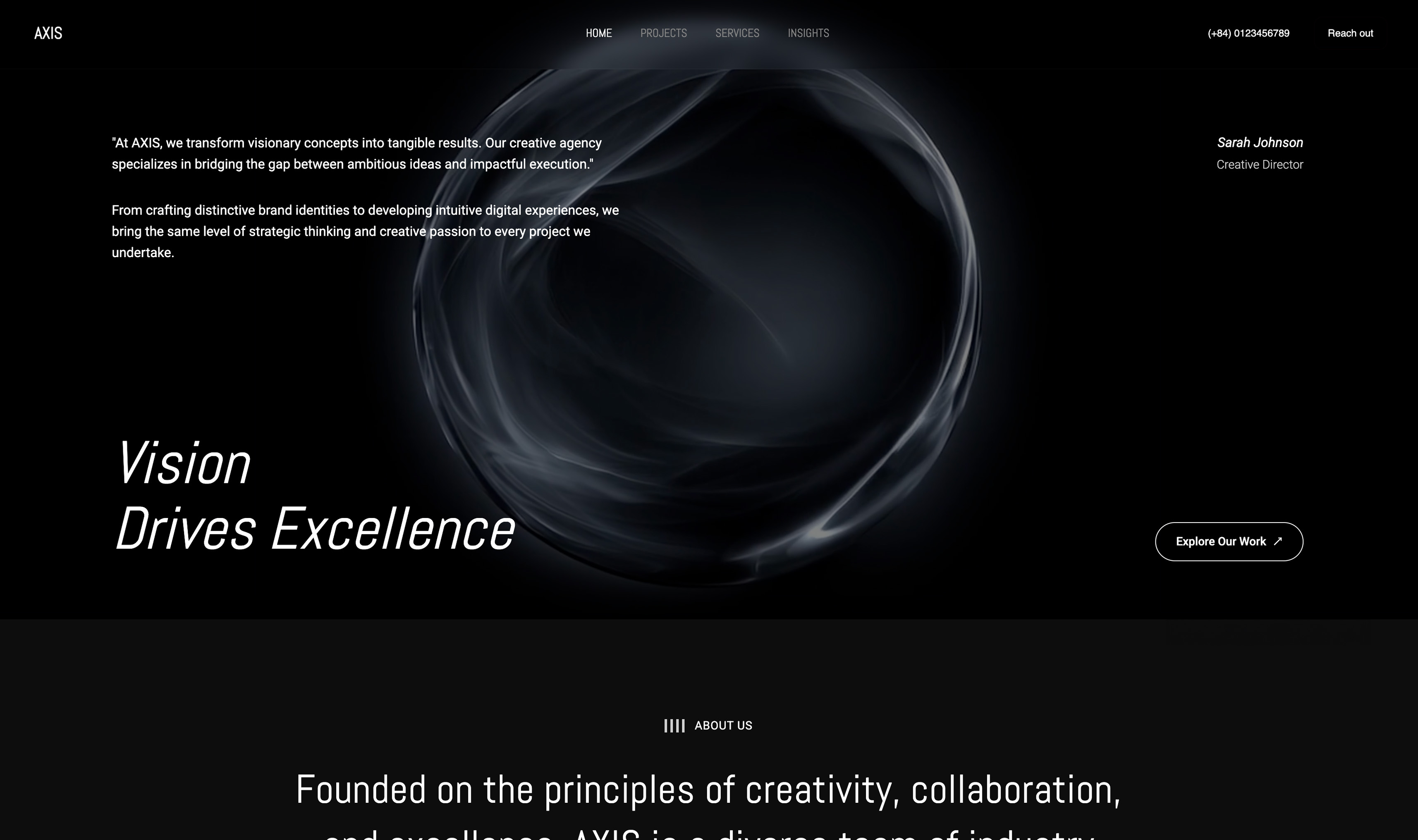 Use template
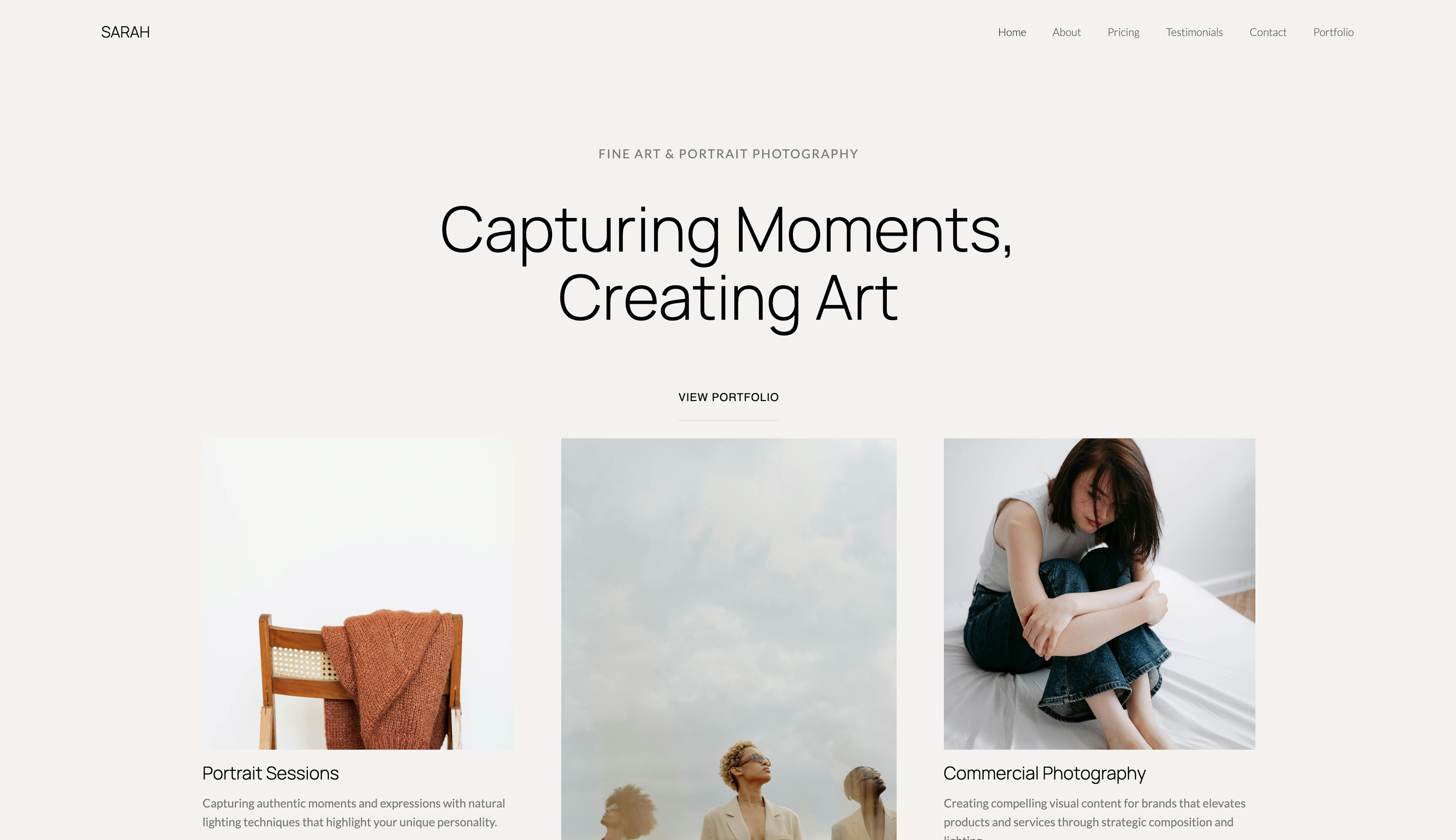 Use template
 Use template
 Use template
 Use template
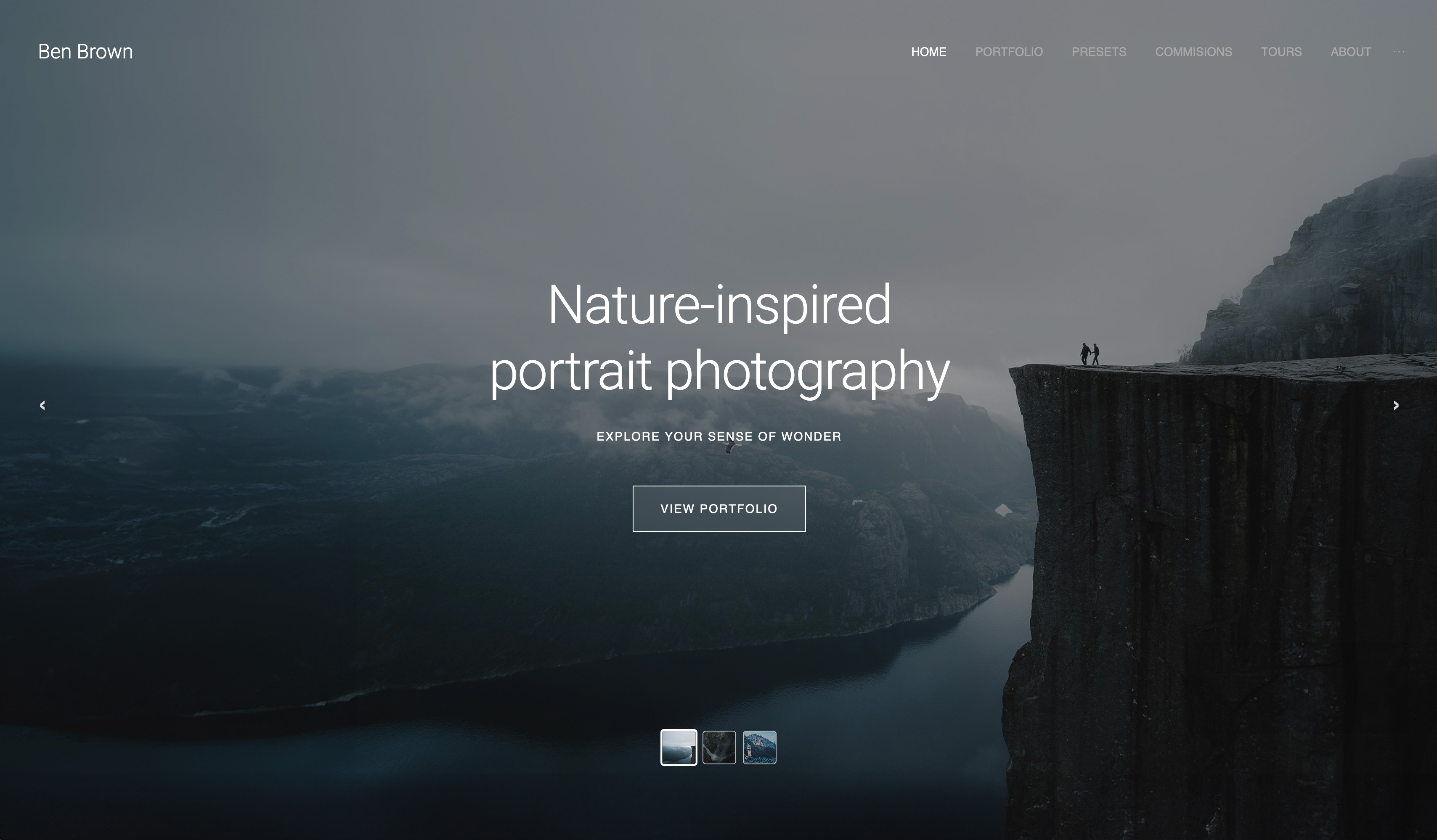 Use template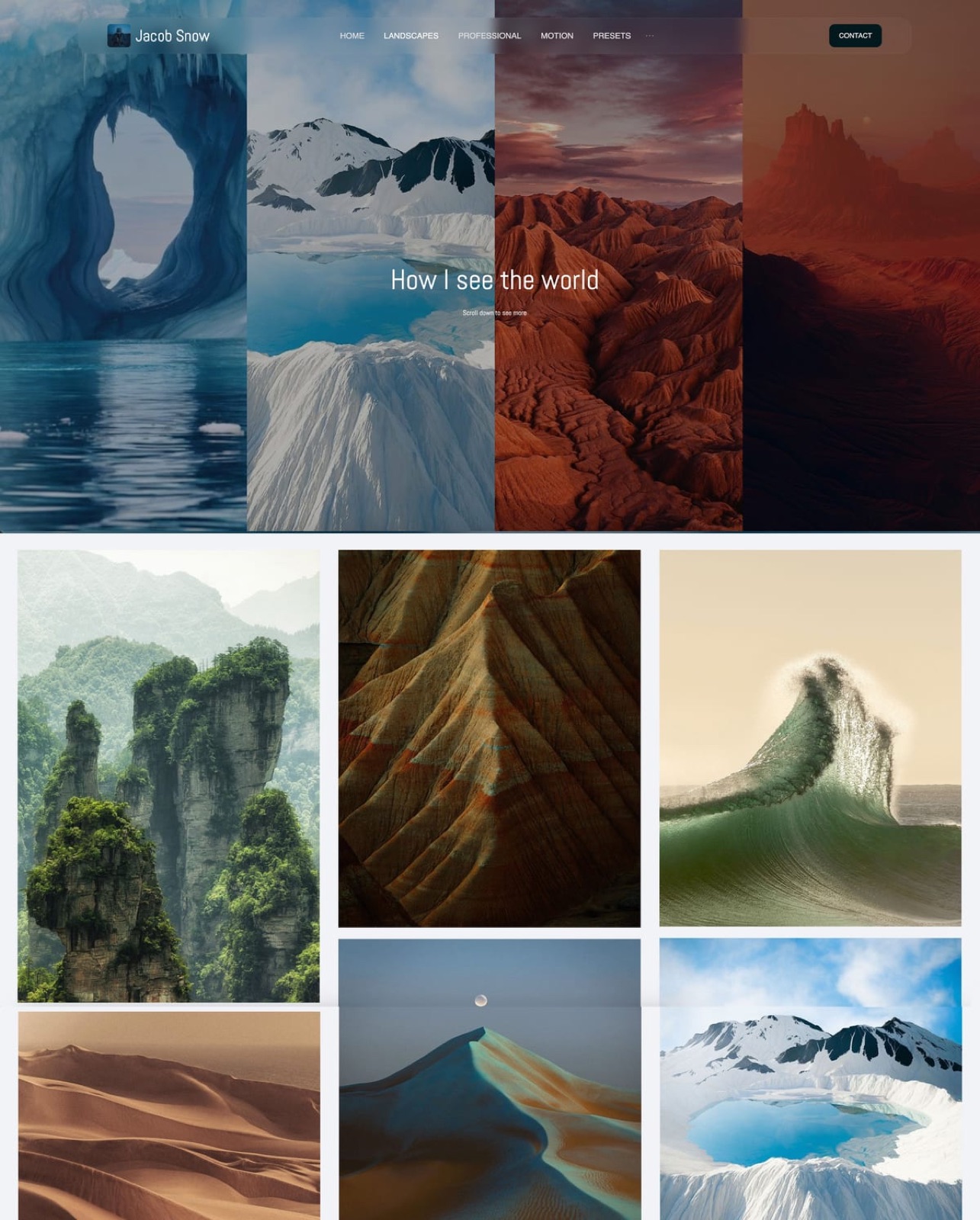
Framekit vs Linktree is a comparison about what happens to the money, not about what happens to the links. Both will put eight links on a page in under ten minutes.
Only one of them takes 9 percent when someone buys something.
That fee is the defining fact of the link-in-bio category in 2026, and it sits in a plan comparison as a single line rather than on an invoice, because it comes out of each sale before the money reaches you.
Framekit is an AI website builder that publishes up to ten pages free, with client galleries, video review, decks and a store on the same account.
A link in bio tool is a hosted single page that collects the links you cannot fit in a social profile, and most of them are now storefronts with a link list attached.
Framekit is the better choice if your work is the product, because the link page, the portfolio and the store are one site on your own domain, and the sale fee starts at 5 percent, drops to 3 percent on Pro and reaches 0 percent on Business at $39 a month.
Linktree is the better choice if you want the fastest possible page with the most recognisable interface and you are not selling, since its free tier is genuinely capable as a link list.
The fee is where it hurts: Linktree charges 9 percent on sales until its Premium plan at 27.50 euro a month, and no cheaper tier removes it.
Full disclosure: Framekit is our own product. Linktree is the category default for good reasons, and the section on what it does better is specific rather than polite. Figures were verified against each vendor's published pricing in September 2026.
How We Compared Them
We built the same creator page on both: a profile image, eight links covering an archive, a booking form, three release pages and a mailing list, plus one $29 product for sale. Then we ran a month of sales through each at three volumes.
The honesty split:
- Measured hands-on: both builds, the checkout flow, what a buyer sees at payment, and what each platform does with the customer's email.
- Verified from primary sources: Linktree's plan tiers and seller fee from Linktree's pricing, read September 2026. Framekit's from the shipped plan configuration.
- Not tested: Linktree's analytics integrations and its social scheduling partners.
No load times or performance figures appear for either tool.
Framekit vs Linktree at a Glance
The weighting: the seller fee row and the custom domain row decide this for anyone selling anything, and the pages row decides it for anyone whose work needs more than a list. The rest is interface preference.
| Framekit | Linktree | |
|---|---|---|
| Seller fee | 5%, 3% on Pro, 0% on Business | 9% until Premium at 27.50 euro a month |
| Custom domain | Yes, from $9 a month | No, on any tier |
| Pages | 10 free, 30 Starter, 200 Pro | One link page |
| Client galleries with password and PIN | Yes | No |
| Video review with timecoded comments | Yes | No |
| Store with automatic file delivery | Yes | Limited |
| Multi-page portfolio with project pages | Yes | No |
| Free plan | 10 pages, galleries, decks, store | Yes, link list with 9% on sales |
| Time to a published page | Minutes | Minutes |
| Recognisable to an audience | Less | Very |
In one lineLinktree is faster to a link list and Framekit is cheaper the moment a link turns into a sale.
Where Linktree Wins
Linktree beats us in three areas, and while none of them involve money, two of them are the reason it became the default in the first place. If you are not selling anything, they may well be enough.
Speed and familiarity. A Linktree page is up in minutes and audiences recognise the format instantly, which removes a small amount of friction at the exact moment someone taps a bio link.
It is built for one job. A link list with no structure to design is a constraint, and constraints are useful. Framekit gives you a site, which is more decisions than some creators want.
The free tier is a real link list. Linktree free will hold your links indefinitely and costs nothing, and if you never sell anything through it the 9 percent never applies to you.
Where Framekit Wins
Framekit wins on four points, and the first is worth more than the other three combined for anyone whose bio link earns money. All four compound over time rather than mattering on day one.
The fee falls instead of staying put. Our platform fee on sales starts at 5 percent, drops to 3 percent on Pro at $19 a month and reaches 0 percent on Business at $39.
Linktree's 9 percent holds until Premium at 27.50 euro a month. On $1,000 of monthly sales that is $90 to Linktree against $50 on our Starter plan or nothing on Business.
Your own domain. Linktree does not offer a custom domain on any tier. Every tap builds the platform's search position rather than yours, and the link on your business card is somebody else's address.
Ten pages, not one. A creator with a portfolio, an about page and three project pages has a site rather than a list, and search can find each of those pages separately.
Galleries, review and a store. Client delivery with a password and a download PIN, timecoded video review, and a store that delivers the file automatically. None of these exist on Linktree at any tier.
In one linethe difference is ownership, and it shows up as a percentage.
The Fee, Worked at Three Volumes
This is the arithmetic the category is built on, so here it is on one $29 product across a year rather than as a percentage in the abstract.
| Monthly sales | Linktree free or Pro (9%) | Framekit Starter (5%) | Framekit Business (0%) |
|---|---|---|---|
| $300 | $324 a year in fees | $84 plan plus $180 in fees | $372 plan, no fees |
| $1,000 | $1,080 a year in fees | $84 plan plus $600 in fees | $372 plan, no fees |
| $3,000 | $3,240 a year in fees | $84 plan plus $1,800 in fees | $372 plan, no fees |
Card processing applies on both and is left out because it is identical either way.
At $300 a month Linktree free costs more in fees than our Starter plan costs in total. At $3,000 a month the gap is $2,868 a year, which is a camera body.
The row to run against your own numbers is the middle one, and the test takes ten seconds: multiply last month's sales by 0.09 and compare it with $31, which is Business on yearly billing.
In one linea percentage that never falls is the most expensive structure in this category, and it is the default one.
When Linktree Is Still the Right Answer
There is a real case for staying on Linktree, and it is worth stating plainly because most comparisons in this category pretend there is not one. It rests entirely on whether money moves through the page at all.
If you sell nothing, the 9 percent is a number that never applies to you, and a free link list that your audience recognises is a perfectly good product.
If your entire requirement is eight links and you will never add a portfolio, a gallery or a store, a full site is more tool than the job needs.
In one lineLinktree's fee only matters if money moves, and for a lot of creators it does not.
How to Choose: A Decision Guide
Run down these in order and act on the first one you can answer yes to, because the first two settle it for most creators.
- Do you sell anything through the link? Yes: Framekit, where the fee falls to zero rather than holding at 9 percent.
- Does the link go on a business card, an invoice or a printed piece? Yes: Framekit, since Linktree has no custom domain at any tier.
- Do you need project pages, client galleries or a review link? Yes: Framekit. Linktree has none of them.
- Is it genuinely eight links and nothing else, forever? Yes: Linktree free, and keep your money.
- Do you want the most recognisable interface for a cold audience? Yes: Linktree.
- Unsure? Both are free to start. Build the link page on Framekit free and keep the Linktree live until you see which one converts.
Frequently Asked Questions
Does Linktree take a percentage of my sales?
Yes, 9 percent, and it applies on the free tier and on the mid plans alike. The fee only stops at Premium, which is 27.50 euro a month on annual billing.
This is the single most important number in the link-in-bio category and it is easy to miss, because it is listed as a plan feature rather than appearing on an invoice: the cut comes out of each sale before the money reaches your account.
Can I use my own domain with Linktree?
No, not on any tier. Linktree pages live on its own address, which means every tap builds Linktree's search position rather than yours and the URL on anything you print belongs to a platform.
Framekit puts the page on your own domain from the Starter plan at $9 a month, or $84 a year on yearly billing, and publishes up to ten pages free on a framekit.ai subdomain before that.
Is Framekit a Linktree alternative?
It is a larger product aimed at the same job. Framekit publishes a full site rather than a single link page, so it covers the link-in-bio use case as one page among ten and adds a portfolio, client galleries, video review and a store.
If you want the smallest possible link list and you sell nothing, Linktree free is simpler and we would not argue you out of it.
Which is cheaper for a creator selling a $29 product?
Framekit, at almost any volume where selling happens at all. At $1,000 a month in sales, Linktree's 9 percent costs $1,080 a year, where Framekit Starter costs $84 plus $600 in fees, and Business costs $372 with no fee at all.
The only scenario where Linktree is cheaper is one where you sell nothing, in which case its free tier costs nothing and so does ours.
Do I keep my customer emails on each platform?
On Framekit, yes: buyers check out on your own site and their details are yours, with signup entries running 500 a month on the free plan and unlimited on Business.
This is the part of the comparison that matters most in year three rather than month one, because a customer list you own is the only asset in this category that no platform decision can take away from you.
Can I move my Linktree page to Framekit?
Not automatically. There is no importer, so moving means recreating the links, which for eight links is about fifteen minutes.
The thing worth doing first is buying your own domain, because that is what makes the move permanent: once the links live on your address, any future platform change is a redirect rather than a reprint of everything with your old URL on it.
Does a link in bio page hurt my SEO?
It does not hurt your site, but it does not help it either, which is the real cost. Traffic to a page on someone else's domain builds that domain's authority rather than yours, so years of taps accumulate to a platform's benefit.
A page on your own domain, with project pages that each target a different query, is how the same audience turns into search visibility you keep.
Is Linktree's free plan good enough?
As a link list, genuinely yes, and for a creator who does not sell it may be all they ever need.
Where it stops being good enough is the moment money moves through it, because the 9 percent applies on the free tier exactly as it does on the paid ones.
It is also capped at one page, so a portfolio, a case study or a client gallery all require something else.
What does Framekit's fee apply to?
Product sales through the Framekit store only. It does not apply to client work you invoice elsewhere, and it does not apply to delivering client galleries, which carry no commission on any plan including the free one.
The rate is 5 percent on Free and Starter, 3 percent on Pro and 0 percent on Business at $39 a month, so unlike a platform percentage it falls as you grow.
Should I run both?
For a short period, yes, and it is the lowest-risk way to decide. Keep the Linktree live while you build the Framekit page on the free plan, point a few campaigns at each, and compare what actually converts.
Once your own domain is live, move the bio link across and leave the Linktree as a redirect for anything already printed.
Final Verdict
Linktree is the fastest way to publish a list of links and the most expensive way to sell anything, because its 9 percent applies from the free tier upward and only stops at 27.50 euro a month.
Framekit publishes a real site on your own domain with the link page as one of ten, and the fee falls to nothing on a flat $39 plan.
Who should not use Framekit. Creators who sell nothing and want the smallest, most recognisable link list, where Linktree free is the right answer and our site is more product than the job needs.
Anyone who wants to be published in four minutes with no decisions to make.
Who should. Anyone whose bio link produces income, anyone whose URL goes on something printed, and anyone who also needs a portfolio, a client gallery or a store. For them the 9 percent is the single largest line item in this category, and it is avoidable.
Related readingthe best Linktree alternatives, the best link in bio tools compared, and Carrd vs Linktree.
Linktree plan tiers and seller fee read from its published pricing in September 2026. Our fee ladder comes from the shipped plan configuration, checked the same month.